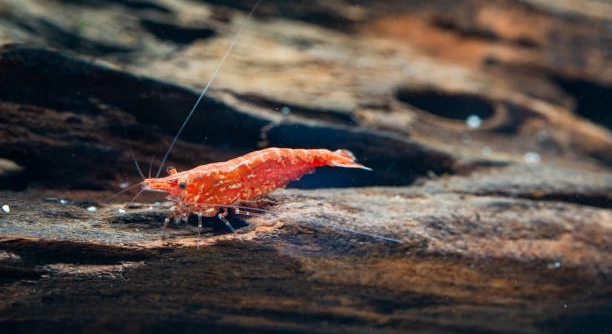
7 Times to Check for Cherry Shrimp Molts
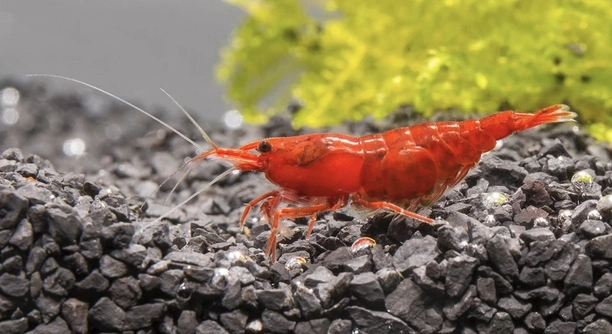
Have you ever noticed tiny shells floating in your shrimp tank and wondered what they are? Cherry shrimp molts are a natural part of their growth, signaling changes in size and health. Watching for them can be rewarding. Cherry shrimp molts occur when the shrimp shed their old exoskeleton to grow. They typically happen after … Read more
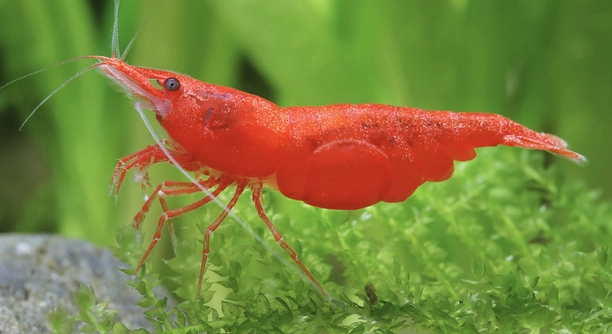
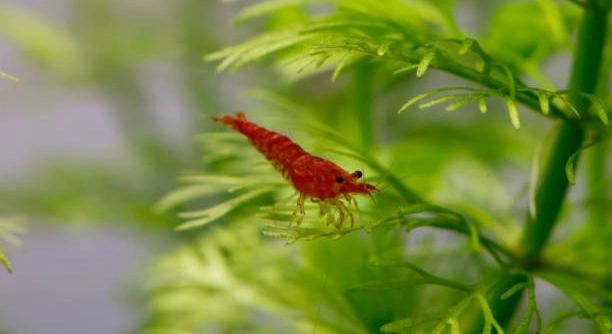
7 Odd Places Cherry Shrimp Choose to Rest

Do you ever notice your cherry shrimp resting in unusual spots around your tank? These tiny creatures have unique habits that often leave owners amused. Observing their favorite resting places can reveal fascinating insights about their behavior and comfort. Cherry shrimp select resting locations based on safety, comfort, and environmental conditions. They often prefer areas … Read more

Why Shrimp Might Abandon a Favorite Plant

Do you ever notice your shrimp suddenly ignoring a plant they once loved in your aquarium? It can be puzzling when these tiny creatures stop interacting with something that was once a favorite part of their habitat. Shrimp might abandon a favorite plant due to changes in water quality, algae overgrowth, or alterations in the … Read more

Do Cherry Shrimp Prefer Day or Night Feeding?

Cherry shrimp are small, colorful freshwater creatures that bring life to aquariums. Watching their delicate movements can be relaxing, and feeding them is an important part of keeping them healthy and active. Cherry shrimp generally prefer feeding during low-light periods, such as early morning or late evening. Their natural instincts favor dim conditions, allowing them … Read more

7 Causes of Shrimp Swarming in One Spot

Shrimp are fascinating little creatures that often gather together in one area of a tank or pond. Watching them cluster can be interesting, yet it sometimes signals changes or issues in their environment that need attention. Shrimp swarming in one spot usually occurs due to factors such as water quality, temperature changes, oxygen levels, feeding … Read more

Do Cherry Shrimp Follow Light Movement?

Do you ever notice your cherry shrimp moving around the tank and wonder what catches their attention? Observing their behavior can be relaxing, and many aquarists find themselves intrigued by these tiny, colorful creatures. Cherry shrimp do show a response to light movement, often following changes in brightness or reflections within their environment. This behavior … Read more

Why Are My Cherry Shrimp Standing Still All Day?

Cherry shrimp are usually active little creatures, swimming around plants and exploring their tank. Sometimes, however, they may remain still for long periods, leaving their owners puzzled and a bit concerned about their health. The primary reason cherry shrimp stay still all day is stress or poor water conditions. Factors like sudden temperature changes, high … Read more

Can Shrimp Develop a Routine in Captivity?

Have you ever noticed how shrimp move gracefully in their tanks, seemingly following a pattern throughout the day? Observing them in captivity can reveal small habits and behaviors that hint at their ability to adapt. Shrimp are capable of developing routines in captivity through consistent feeding times, light cycles, and environmental conditions. These routines can … Read more

7 Tank Changes That Shrimp React to Instantly

Have you ever noticed your shrimp acting differently after a small change in their tank? Even minor adjustments can catch their attention and affect their behavior. Observing these reactions can help you better care for them. Shrimp respond instantly to changes in water temperature, pH levels, lighting, decorations, water flow, tank mates, and feeding schedules. … Read more

Can Cherry Shrimp Be Trained? (What to Expect)

Cherry shrimp are small, vibrant freshwater creatures that many aquarium enthusiasts enjoy keeping. Their bright colors and active behavior make them fascinating to watch, especially when they explore plants, rocks, and tank decorations daily. Cherry shrimp can exhibit simple conditioned responses, such as recognizing feeding routines or approaching food sources. However, their learning capacity is … Read more