
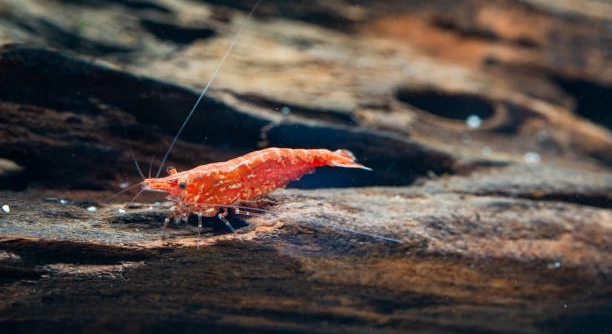
Cherry shrimp are small, vibrant freshwater creatures that many aquarium enthusiasts enjoy keeping. Their bright colors and active behavior make them fascinating to watch, especially when they explore plants, rocks, and tank decorations daily.
Cherry shrimp can exhibit simple conditioned responses, such as recognizing feeding routines or approaching food sources. However, their learning capacity is limited, and they do not possess advanced cognitive skills required for complex training behaviors.
Observing these shrimp’s habits can be surprisingly rewarding, offering insight into their natural instincts and daily routines within a home aquarium.
Understanding Cherry Shrimp Behavior
Cherry shrimp are naturally cautious and slow-moving creatures. They spend much of their time grazing on algae, biofilm, and leftover food particles in the tank. Their behavior is shaped by survival instincts, including hiding when they sense danger. Observing them, I noticed they often retreat to plants or rocks at sudden movements. Over time, they become more accustomed to routine tank activity, which allows for more consistent observation. Despite their size, their social interactions are noticeable—they may cluster in feeding areas but rarely engage in aggressive behaviors. Lighting, water conditions, and tank mates all influence how comfortable they feel exploring their environment. Even slight changes in temperature or pH can cause them to hide or move less actively. Paying attention to these patterns can help you anticipate their needs and provide a stable habitat. This awareness also sets realistic expectations for any training attempts or behavioral observation.
Routine and consistency in care encourage shrimp to show predictable patterns. They respond slowly but noticeably to repeated feeding times.
Learning their natural tendencies makes it easier to identify what triggers activity versus stress. By understanding their grazing patterns, hiding preferences, and reactions to movement, you can create an environment that supports healthy, calm shrimp. Observing them closely allows for the development of feeding routines, which can lead to simple conditioned responses. For example, they may swim toward the same area when you approach the tank at consistent times, demonstrating recognition of food availability. Environmental enrichment, such as adding moss or hiding spots, also encourages natural exploration while reducing stress. While advanced tricks are beyond their capability, small patterns and responses can be reliably shaped over time. Paying attention to these subtle cues fosters a closer connection to your shrimp and helps maintain a balanced, thriving tank ecosystem.
Simple Ways to Condition Cherry Shrimp
Cherry shrimp can learn simple cues associated with feeding.
Using consistent timing and placement of food encourages shrimp to approach specific areas. Repetition over several weeks strengthens this conditioned behavior, allowing shrimp to recognize signals and respond predictably, though only in limited, instinct-driven ways.
Feeding at the same time daily helps them form expectations. Offering small portions in a single location teaches them to gather in predictable areas without overcrowding. Visual cues, such as hand movements or slight tapping on the tank lid, can also trigger mild conditioned responses if repeated consistently. Observing their reaction times and adjusting portion sizes ensures the shrimp remain active but not stressed. This conditioning relies on patience and repetition rather than advanced training, emphasizing their instinct-driven behavior rather than complex learning. It’s important to note that results vary by individual shrimp, and some may respond more readily than others. Maintaining a stable tank environment with clean water and proper nutrition supports their health and responsiveness, making any conditioning effort more effective over time.
Factors That Affect Training Success
Consistency in feeding and tank maintenance is the biggest factor in how cherry shrimp respond. Sudden changes in water quality, temperature, or lighting can make them hide and ignore cues, slowing any conditioning attempts.
Cherry shrimp respond best when their environment is stable. Clean water, steady temperature, and regular feeding times create predictable conditions, which reduce stress and encourage natural behavior. Stressful conditions, such as fluctuating pH or aggressive tank mates, can completely prevent shrimp from showing conditioned responses. Observing their reactions daily helps identify what makes them comfortable or anxious. Small adjustments, like adding hiding spots or adjusting light levels, improve confidence. Predictability fosters simple recognition behaviors, such as approaching food at specific times.
Individual shrimp also vary in temperament. Some are naturally bolder and more responsive, while others remain shy even under ideal conditions. Age, health, and past experiences shape how a shrimp reacts to repeated cues. While training is limited, providing a calm environment maximizes responsiveness and allows for consistent observation of these small conditioned behaviors. Over time, you begin to notice patterns in how different shrimp respond, which can guide future interactions and feeding strategies.
Practical Tips for Conditioning
Start with small, consistent steps to encourage recognition of feeding areas. Use minimal disturbance to avoid stressing them.
Place food in the same spot daily and observe how shrimp approach. Repetition strengthens their ability to anticipate feeding times. Over several weeks, they may swim toward that location when you reach for food, showing simple conditioned behavior. Avoid overcrowding the feeding area, as too many shrimp at once can cause stress. Using small visual cues, like a subtle hand motion above the tank, can also help them associate the action with food. Tracking their response over time helps refine timing and portion size.
Avoid overfeeding and sudden environmental changes. Overfeeding can cloud water quality and reduce responsiveness, while abrupt shifts in temperature or lighting can trigger hiding. Maintaining water parameters, a clean substrate, and balanced nutrition ensures shrimp remain active and healthy. Consistent care encourages predictable behavior, allowing conditioning attempts to succeed within their natural capabilities. Monitoring individual shrimp helps identify which respond well and which need more patience, ensuring a calmer, more responsive group overall.
Recognizing Signs of Response
Cherry shrimp may show subtle signs when they respond to feeding cues. Swimming toward food quickly, clustering in a spot, or becoming more active at certain times indicates recognition of routine.
Individual shrimp vary in responsiveness. Some react immediately, while others take longer to show any behavior changes.
Using Food as Motivation
Food is the most effective motivator for cherry shrimp. Small, consistent portions given at the same time daily encourage shrimp to associate your presence with feeding. Observing their approach patterns over time shows which shrimp are more responsive. Avoid overfeeding, as it reduces motivation and can cloud water, making shrimp less active. Using varied food types like algae wafers, blanched vegetables, or specialty shrimp pellets keeps them interested and engaged. Tracking their behavior over several weeks allows for minor adjustments in timing and portion size to maximize predictable responses. Patience is essential, as shrimp respond slowly and gradually to consistent cues.
Environmental Considerations
Stable water parameters are essential for consistent shrimp behavior. Changes in temperature, pH, or light can reduce responsiveness significantly.
FAQ
Can cherry shrimp really be trained?
Yes, but only in a very limited way. Cherry shrimp can develop simple conditioned responses, primarily around feeding routines. They can learn to associate certain times or locations with food, and may respond to consistent cues, like a hand movement over the tank or tapping the lid lightly. However, their learning capacity is small, and they cannot perform complex tricks or advanced training. Observing them respond to food routines can still be satisfying and offers insight into their natural behavior patterns.
How long does it take for cherry shrimp to respond to cues?
Response time varies by individual shrimp and environmental conditions. Some shrimp may begin showing simple recognition behaviors, like swimming toward a feeding spot, within a week or two of consistent cues. Others may take several weeks to respond. Younger or bolder shrimp often respond faster, while shy or stressed individuals may take longer. Consistency in feeding times, food placement, and minimal disturbances are key to shortening the time it takes for shrimp to recognize cues. Patience is essential when conditioning shrimp.
What type of food works best for conditioning?
Shrimp respond best to foods they naturally enjoy, such as algae wafers, blanched vegetables like zucchini or spinach, and specially formulated shrimp pellets. Small portions work best to encourage activity without polluting the water. Rotating foods occasionally can maintain interest. Overfeeding should be avoided, as uneaten food can degrade water quality and make shrimp less active or responsive. Using visually noticeable food that sinks slowly helps shrimp find it more easily and strengthens their association with feeding cues.
Do all shrimp respond the same way?
No, individual shrimp vary greatly in behavior. Some are naturally curious and will respond to cues quickly, while others remain shy and may take longer to react. Age, health, and prior tank experiences affect responsiveness. Observation is key: learning which shrimp are more responsive helps in shaping realistic expectations. Providing hiding spots and a calm environment supports shy shrimp, gradually increasing their confidence and responsiveness to repeated feeding routines.
Can shrimp be trained to come to my hand?
Shrimp cannot be trained to reliably interact with hands the way fish or other pets might. They may swim toward your hand if it signals food consistently, but this is more a conditioned response to feeding cues than true hand training. Using subtle movements and maintaining consistent timing helps shrimp associate your presence with food, but they will still act cautiously and retreat if startled. Safety and minimal stress should always come first, as overhandling or sudden motions can harm their trust and activity.
Will training affect shrimp health?
When done carefully, conditioning has minimal impact on shrimp health. Consistency, proper portion sizes, and maintaining clean water are critical. Stress, overfeeding, or sudden environmental changes can negatively affect health and responsiveness. Observation during conditioning allows for adjustments to ensure shrimp remain active and healthy. Encouraging natural foraging behaviors through conditioning can be mentally stimulating, but it should never replace proper nutrition or water care.
What if my shrimp don’t respond at all?
Some shrimp may never show noticeable conditioned responses. This is normal and usually linked to individual temperament, stress, or environmental factors. Continuing consistent feeding routines and keeping water stable supports natural behaviors. Over time, even shy shrimp may begin responding subtly, but not all will actively participate in conditioning attempts. Patience and realistic expectations are key to maintaining a healthy, calm tank environment while observing their natural behaviors.
How can I tell if shrimp are stressed during training?
Shrimp stress signs include hiding excessively, reduced movement, clamped tails, or avoiding food entirely. Sudden water parameter changes, aggressive tank mates, or overhandling can cause stress. Reducing disturbances, maintaining stable water conditions, and offering hiding spots help shrimp feel safe and improve their willingness to respond to feeding cues. Stress management is crucial for any successful conditioning attempts.
Can shrimp be trained to follow lights or sounds?
Cherry shrimp do not respond reliably to lights or sounds the way some fish do. Their sensory abilities are primarily chemical and tactile, so they respond best to environmental cues related to food or habitat changes. Visual or auditory signals may have some effect if consistently paired with food, but results are limited and slow. Focus on routine and placement cues rather than expecting advanced responses to lights or noise.
Is it worth trying to train cherry shrimp?
Yes, if your goal is to observe and understand their behavior better. While advanced training is not possible, consistent feeding routines and observation can reveal subtle responses and patterns. Conditioning enhances the enjoyment of watching shrimp and encourages a stable, predictable tank environment, benefiting both the shrimp and their caretaker.
Cherry shrimp are small and delicate creatures, and understanding their behavior requires patience and observation. They do not have the cognitive ability to perform complex tricks, but they can develop simple conditioned responses, mostly around feeding routines. Over time, shrimp may learn to associate certain times or locations with food, and they may respond to consistent cues, such as hand movements or tapping the tank lightly. Observing these behaviors can be rewarding and provides insight into their natural instincts. Each shrimp is unique, and their responses vary depending on temperament, age, and environmental conditions. Some shrimp may show quick recognition of feeding cues, while others may remain cautious and take longer to respond. Maintaining realistic expectations is important when interacting with these tiny animals, as forcing them to behave unnaturally can cause stress or harm.
Consistency in care plays a major role in how cherry shrimp behave. Keeping water parameters stable, feeding at regular times, and providing hiding spots create an environment where shrimp feel safe and are more likely to respond to repeated cues. Sudden changes in temperature, pH, or lighting can make them retreat and ignore signals entirely, so predictability is key. Small, varied portions of food, such as algae wafers, blanched vegetables, or specialty shrimp pellets, help maintain interest and encourage natural foraging behaviors. Overfeeding should be avoided to prevent poor water quality and reduced activity. Observing how shrimp react to food placement and timing can help identify which individuals are more responsive, and adjustments can be made to improve the consistency of their behavior. Patience is crucial, as conditioning takes time and may only yield subtle results.
While cherry shrimp cannot be trained like larger pets, conditioning attempts can enhance the experience of caring for them. It allows you to learn more about their habits, recognize their subtle responses, and create a more predictable, calm environment in the tank. Even small behavioral patterns, such as approaching a feeding spot consistently, can be satisfying to observe and offer a sense of connection. The key is to focus on their natural behaviors rather than trying to force unnatural responses. Supporting their health through clean water, stable conditions, and proper nutrition ensures they remain active and responsive within their capabilities. Conditioning shrimp is less about teaching tricks and more about understanding their instincts and routines. Observing them carefully, adjusting care as needed, and being patient creates a healthier, more engaging environment for both the shrimp and their caretaker.

Hello,
If you enjoy the content that we create, please consider saying a "Thank You!" by leaving a tip.
Every little bit helps us continue crafting quality advice that supports the health, happiness, and well-being of pets around the world, for pets of all shapes, sizes, and species.
We really appreciate the kindness and support that you show us!