
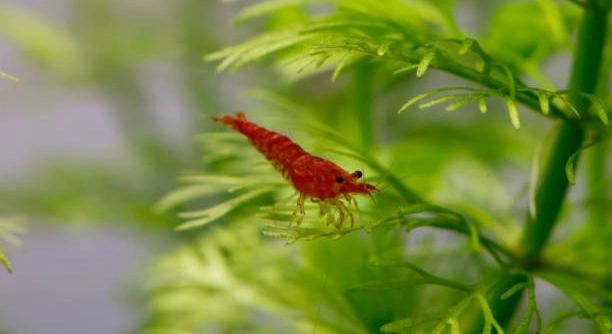
Have you ever noticed how shrimp move gracefully in their tanks, seemingly following a pattern throughout the day? Observing them in captivity can reveal small habits and behaviors that hint at their ability to adapt.
Shrimp are capable of developing routines in captivity through consistent feeding times, light cycles, and environmental conditions. These routines can influence their activity patterns, molting schedules, and interactions with other shrimp, demonstrating adaptability to controlled habitats.
Understanding these behavioral patterns can improve tank management and shrimp care, ensuring a healthier and more predictable environment for their growth.
How Shrimp React to Feeding Schedules
Shrimp quickly learn to associate specific times with food. When fed consistently at the same time each day, they begin to gather near feeding areas even before the food is introduced. This behavior shows their capacity to form simple routines based on environmental cues. Over time, shrimp adjust their activity levels, swimming more actively when food is expected and resting during non-feeding periods. Observing this behavior can help caretakers optimize feeding practices, ensuring all shrimp receive adequate nutrition while reducing stress. Light and temperature also play a role in shaping daily patterns. Shrimp are more active during periods that mimic natural daylight cycles, and they can adapt to gradual changes in lighting. By combining stable feeding schedules with consistent environmental conditions, shrimp can develop predictable behaviors that contribute to their overall health and comfort. Proper observation and adjustment can make their tank more orderly and reduce conflicts among individuals.
Routine feeding helps shrimp anticipate food and maintain stable activity patterns in captivity.
By observing shrimp at feeding times, it becomes clear how sensitive they are to routine. Their movements become synchronized with expected events, creating a rhythm in the tank. This rhythm not only indicates hunger but also reflects their adaptation to the environment. Caretakers can leverage these patterns to ensure the shrimp are active, healthy, and stress-free. Gradual changes in feeding time or quantity should be monitored closely to avoid disrupting these learned behaviors. Consistent care allows shrimp to thrive, with their natural instincts guiding them through the day. The predictability of the environment also reduces aggression, as shrimp know when and where food will appear. Small adjustments, like maintaining water quality and avoiding sudden changes, reinforce these routines. Over time, shrimp can even display unique behaviors tied to individual preferences, showing a degree of personality in their interactions with their surroundings. Understanding these patterns supports better long-term care and strengthens the connection between environment and behavior.
Environmental Factors Influencing Routine
Shrimp routines are shaped by water temperature, lighting, and tank layout. Even minor changes can disrupt their patterns.
Environmental consistency plays a critical role in helping shrimp establish routines. Water parameters such as temperature, pH, and salinity must remain stable to support regular activity. Light cycles simulate day and night, cueing shrimp when to feed and rest. Tank structure, including hiding places and open swimming areas, influences movement and social interaction. By maintaining a predictable setting, caretakers allow shrimp to develop reliable patterns in feeding, molting, and exploration. Inconsistent changes in water conditions or sudden alterations in light can stress shrimp, causing irregular behavior or decreased activity. Paying attention to these environmental factors ensures that routines are maintained naturally, helping shrimp feel secure and comfortable. Observing how shrimp respond to these variables provides insight into their adaptability. Ultimately, a carefully managed tank creates a balance where shrimp can thrive, showing that consistent environmental conditions are just as important as feeding schedules. This attention to detail results in healthier, more predictable shrimp behavior, making care more straightforward and effective.
Signs That Shrimp Have Developed a Routine
Shrimp often show predictable movement patterns, gathering near feeding spots before food is added. They may also follow the same swimming paths daily, resting in shaded areas at consistent times, and interacting with other shrimp in a stable, repeating manner.
Regular observation reveals subtle cues of routine. Shrimp adjust their activity based on feeding schedules, light, and tank conditions. They may become more active before feeding, exploring the tank consistently at certain times. Molting and resting periods can also become predictable. Recognizing these behaviors helps in providing consistent care and reducing stress, as the shrimp respond better to a stable, familiar environment.
Individual shrimp may develop slightly different routines, showing preferences for certain tank areas or times of activity. Some may linger near food sources while others patrol the tank, indicating adaptability. These patterns suggest that shrimp respond well to consistency and can internalize environmental cues, making their daily behavior more predictable. By paying attention to these habits, caretakers can adjust feeding, lighting, and water maintenance schedules to better suit the shrimp’s natural rhythms, ensuring overall health and reducing conflict.
How Routine Benefits Shrimp Health
Consistent routines reduce stress and support growth, molting, and immune function. Stable schedules create a sense of security in captivity.
Shrimp benefit significantly from predictability. Regular feeding and stable environmental conditions help maintain energy levels, promote successful molting cycles, and support proper development. When shrimp can anticipate food and light changes, they spend less energy on stress responses and more on growth and activity. Inconsistent care may cause erratic behavior, slower growth, or increased vulnerability to disease. By observing shrimp patterns, caretakers can fine-tune feeding times, water quality, and light schedules to promote long-term health.
Predictable routines also improve social behavior. Shrimp interact more smoothly when they know feeding and activity schedules, reducing competition and aggression. Those accustomed to stable conditions are less likely to hide excessively or avoid areas of the tank. Over time, shrimp develop reliable daily habits, such as swimming routes, resting spots, and feeding responses, which indicate a well-adjusted, healthy population. Consistent care allows caretakers to monitor health more effectively, noticing early signs of illness or stress. Structured routines create a balanced environment where shrimp thrive physically and behaviorally, demonstrating that careful planning and observation are essential to successful shrimp care.
Adjusting Routines When Needed
Shrimp can adapt to small changes in feeding times or tank conditions. Gradual adjustments prevent stress and allow them to maintain predictable behaviors despite minor disruptions.
Maintaining flexibility in care helps shrimp cope with necessary changes. Sudden shifts in light, temperature, or water quality can cause confusion and stress. Making gradual modifications allows them to re-establish routines without affecting activity levels, feeding behavior, or molting patterns. Careful observation ensures adjustments support their well-being.
Monitoring Activity Patterns
Observing shrimp daily helps identify routine behaviors and potential health concerns. Noting changes in movement or feeding provides early warning signs of stress or illness.
The Role of Social Interactions
Shrimp routines are influenced by tank mates. Group dynamics can affect feeding order, hiding, and exploration. Consistent observation ensures balanced social behavior and reduces conflicts.
FAQ
Can shrimp remember feeding times?
Yes, shrimp can associate consistent feeding schedules with specific times of day. They learn to recognize environmental cues like light changes, water movement, and the presence of caretakers. Over time, this allows them to gather near feeding areas before food is introduced, demonstrating a simple form of memory.
How quickly do shrimp develop routines in captivity?
Shrimp usually begin showing signs of routine within a few days to a couple of weeks, depending on consistency in feeding and environmental conditions. Gradual reinforcement through steady light cycles, water parameters, and tank layout helps them establish predictable patterns more reliably.
Do all shrimp in a tank develop the same routine?
Not necessarily. While general patterns like feeding anticipation or activity cycles can be shared, individual shrimp often show slight variations in preferred swimming routes, resting areas, or feeding order. These differences indicate adaptability and mild personality traits.
How does light affect shrimp routines?
Light cycles strongly influence shrimp activity. Regular day and night simulations help shrimp anticipate feeding times and rest periods. Abrupt changes in lighting can disrupt routines, causing stress or reduced activity, so maintaining predictable light schedules is important.
Can routines improve shrimp health?
Yes. Predictable feeding, consistent water conditions, and regular light cycles reduce stress and support proper molting, growth, and immune function. Shrimp that follow stable routines expend less energy on stress responses and maintain more balanced behavior and physical health.
What if a shrimp stops following its routine?
Sudden changes in behavior may indicate stress, illness, or water quality issues. Observing water parameters, checking for disease, and reviewing feeding practices are essential steps. Minor environmental adjustments or returning to consistent routines can often restore normal behavior.
Do shrimp routines change with age or molting cycles?
Yes, molting periods and age affect activity levels. Younger shrimp are generally more active and may feed more aggressively, while molting shrimp reduce movement and seek hiding spots. Recognizing these cycles helps in anticipating behavioral changes and providing appropriate care.
How does tank layout influence shrimp routines?
Shrimp prefer tanks with a balance of open swimming space and hiding spots. Consistent placement of plants, rocks, or shelters allows shrimp to establish daily routes and resting areas. Frequent rearrangement can confuse them and disrupt their routines.
Are routines the same in different shrimp species?
Routines vary by species. Some shrimp are more nocturnal or shy, while others are active throughout the day. Understanding the specific species’ natural behavior helps caretakers set feeding times, light cycles, and environmental conditions that encourage predictable routines.
Can shrimp routines reduce aggression?
Yes. When shrimp know feeding times and have familiar routes and resting spots, they experience less competition and stress. Predictable routines create a stable environment, reducing aggressive interactions and ensuring all individuals have access to food and shelter.
How can I encourage a routine in newly introduced shrimp?
Start with consistent feeding times, maintain stable water parameters, and avoid frequent changes to light or tank layout. Observation is key—pay attention to their response and make gradual adjustments. Over the first few weeks, shrimp will begin to form recognizable activity patterns and settle into predictable behaviors.
Is it possible for shrimp to forget routines?
Shrimp can lose their learned patterns if environmental conditions are inconsistent or stressful. Long periods of disrupted feeding, water instability, or sudden changes in light can interfere with their ability to anticipate events, causing irregular activity. Returning to a stable environment helps re-establish routines.
Do shrimp routines affect breeding behavior?
Yes. Predictable feeding and environmental stability create optimal conditions for breeding. Shrimp that follow regular routines are less stressed, more active, and more likely to engage in reproductive behavior, which supports healthier offspring and consistent population growth.
How detailed can shrimp routines be?
Routines are generally simple, including feeding anticipation, specific swimming routes, resting spots, and social interactions. While not complex, these patterns show adaptation to their environment and reflect their ability to respond to consistent cues over time.
Can I train shrimp beyond feeding routines?
Training shrimp is limited to basic conditioning like associating specific cues with food. Their routines mostly revolve around environmental predictability and survival behaviors. Complex behaviors are rare, but consistent care enhances the expression of natural routines, making observation and management easier.
How long should I observe shrimp to understand their routine?
Observing shrimp for several days to weeks provides a clear picture of their patterns. Note feeding responses, resting periods, and social interactions. Over time, this helps identify when they are most active, how they interact, and how stable their routines are under current tank conditions.
Does water quality affect shrimp routines?
Absolutely. Changes in temperature, pH, salinity, or ammonia levels disrupt behavior. Shrimp may hide more, reduce activity, or skip feeding when water quality fluctuates. Maintaining stable conditions is essential for predictable routines and overall health.
Can routines help in identifying sick shrimp?
Yes. Shrimp that deviate from established routines—eating less, hiding excessively, or moving erratically—may be unwell. Observing patterns over time allows caretakers to detect early signs of disease, stress, or molting issues and respond appropriately.
Are there differences in routine between male and female shrimp?
Males and females can show minor differences in activity, especially around mating periods. Females may hide more when carrying eggs, while males continue exploring and feeding. Recognizing these differences helps in understanding group dynamics and planning care accordingly.
Do routines make shrimp more predictable for tank management?
Yes. Understanding shrimp routines allows caretakers to optimize feeding, cleaning, and tank maintenance schedules. Predictable behavior reduces stress, improves health monitoring, and makes it easier to manage social interactions and overall tank balance effectively.
Final Thoughts
Observing shrimp in captivity shows that they are capable of developing routines when their environment is consistent. Feeding schedules, light cycles, and stable water conditions all contribute to predictable behaviors. Over time, shrimp learn to anticipate food, move along familiar paths, and rest in preferred areas. These routines are not complex, but they reveal that shrimp can adapt to patterns and respond to environmental cues. By paying attention to these behaviors, caretakers can create a more stable and comfortable tank, allowing shrimp to thrive and reducing unnecessary stress. Understanding that shrimp are capable of simple learning and adaptation helps in providing better care and maintaining a healthy environment.
Maintaining routines benefits shrimp health in several ways. Consistent feeding supports proper growth and molting, while stable water parameters and lighting reduce stress. Shrimp that follow predictable patterns are more active at expected times, which makes it easier to monitor their health and identify early signs of illness or molting difficulties. Individual shrimp may show slight variations in routine, but overall, predictable behavior reflects their ability to adjust to captivity. Caretakers who focus on consistency in daily care, including feeding, tank cleaning, and environmental adjustments, are more likely to have shrimp that remain healthy and display natural behaviors. These routines also help manage social interactions, as shrimp can follow familiar paths and reduce competition for food and space.
Implementing and observing routines is a simple but effective strategy for shrimp care. By providing a stable environment and consistent schedules, shrimp are able to adapt and establish patterns that improve their overall well-being. Caretakers can use these predictable behaviors to optimize feeding, monitor health, and manage social dynamics within the tank. Even small adjustments, like maintaining consistent light cycles or offering regular hiding spots, can have a significant impact on shrimp comfort and activity. Understanding the importance of routines allows for more informed decisions in daily care, resulting in shrimp that are healthier, more active, and less stressed. Establishing routines does not require complex interventions; it is about observing, adjusting, and maintaining stability to meet the natural tendencies of shrimp. Over time, these practices foster a harmonious environment where shrimp can thrive, making the experience of keeping them both manageable and rewarding.

Hello,
If you enjoy the content that we create, please consider saying a "Thank You!" by leaving a tip.
Every little bit helps us continue crafting quality advice that supports the health, happiness, and well-being of pets around the world, for pets of all shapes, sizes, and species.
We really appreciate the kindness and support that you show us!