
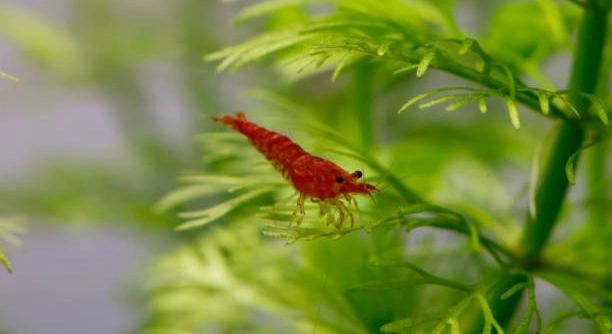
Do you ever notice your shrimp suddenly ignoring a plant they once loved in your aquarium? It can be puzzling when these tiny creatures stop interacting with something that was once a favorite part of their habitat.
Shrimp might abandon a favorite plant due to changes in water quality, algae overgrowth, or alterations in the plant’s texture and taste. Environmental stressors and shifts in tank conditions can strongly influence shrimp behavior and plant preference.
Even small adjustments in their environment can make a big difference, affecting shrimp choices and daily activity patterns in subtle ways.
Environmental Changes and Shrimp Behavior
Shrimp are very sensitive to their surroundings. Even minor changes in water temperature, pH, or hardness can make them avoid a plant they previously liked. If a plant starts to decay or grow a slimy coating, shrimp may no longer find it appealing. Overcrowding or increased tank activity can also stress shrimp, causing them to change habits. Sometimes, the lighting in the tank affects how plants appear or how algae grows on them, which in turn influences shrimp behavior. Regular monitoring of tank conditions is key. Observing your shrimp daily can help you spot small shifts in their routine before they fully abandon a plant. A healthy tank with stable conditions encourages natural feeding and grazing patterns, keeping shrimp engaged with plants and other surfaces. Simple steps like trimming dead leaves or cleaning algae gently can restore interest in favorite plants. Overall, understanding environmental triggers can prevent sudden behavior changes.
Shrimp are more likely to avoid plants when conditions are unstable or food sources are inconsistent.
Maintaining stable conditions requires consistent water testing and attentive tank care. By checking pH, ammonia, nitrate, and temperature regularly, you can ensure the environment remains suitable for shrimp activity. Cleaning the substrate and removing decaying plant matter reduces stress. Introducing variety in plant species or offering supplemental food can also keep shrimp interested. Subtle changes, like moving plants slightly or adjusting light, can renew grazing interest. Over time, shrimp may return to a plant once environmental conditions improve and stress factors are minimized.
Plant Health and Its Impact
Shrimp often ignore plants that are unhealthy or decaying.
A plant’s texture, growth rate, and surface quality affect shrimp grazing behavior. Shrimp are naturally drawn to plants with a soft surface covered in biofilm or algae. When a plant loses its firmness, develops holes, or grows too fast without proper care, shrimp may find it unsuitable. Over-fertilization can also alter plant taste and texture, making it less appealing. Keeping plants trimmed and removing dying leaves encourages shrimp interaction. Some fast-growing plants may require frequent pruning to prevent overcrowding, which can otherwise make shrimp avoid them. The overall health of plants directly impacts shrimp feeding habits. Regularly checking for plant health ensures shrimp remain engaged and active in the tank, maintaining both a vibrant plant display and healthy shrimp behavior.
Algae and Biofilm
Shrimp are naturally drawn to biofilm and algae on plants. When a plant loses its coating or algae growth slows, shrimp may ignore it. This is especially common in newly cleaned tanks or with plants that grow too quickly for algae to develop naturally.
Algae and biofilm provide essential nutrients and grazing opportunities for shrimp. Without a thin layer on the plant surface, shrimp may not see it as a food source or as an engaging spot to explore. Changes in lighting, water flow, or tank maintenance routines can reduce algae growth, impacting shrimp interest. Ensuring a balance between cleaning and leaving enough natural film encourages healthy shrimp activity and helps maintain their natural feeding patterns.
Shrimp may shift focus to other plants or surfaces in the tank when biofilm or algae is absent. Providing varied surfaces or slowly reintroducing algae-covered decorations can help restore grazing habits. Observing shrimp preferences helps adjust care routines to keep them engaged and reduce plant abandonment over time.
Tankmates and Competition
Other inhabitants in the tank can influence shrimp behavior and plant choice. Aggressive or fast-moving species may intimidate shrimp, causing them to avoid certain areas, including favored plants.
Competition for food or space can make shrimp hesitant to approach certain plants. If snails, fish, or other invertebrates are constantly grazing the same plants, shrimp may retreat to safer or less crowded areas. Tankmates may also disturb plants, creating floating debris or algae disruption, which reduces the plant’s attractiveness. Stress from competition can lead to changes in grazing patterns, slower growth, or less frequent plant interaction. Observing how shrimp interact with tankmates allows adjustments in plant placement or feeding schedules. By creating calmer zones and ensuring food is evenly distributed, shrimp are more likely to return to previously abandoned plants and maintain consistent engagement.
Seasonal and Growth Changes
Shrimp may abandon a plant when it grows too large or changes shape. As leaves become thicker or denser, shrimp may find it harder to navigate or graze effectively.
New growth can sometimes alter texture or flavor. Shrimp often avoid leaves that are too tough or too smooth compared to their previous favorite surfaces.
Water Flow and Placement
Plants placed in strong currents or near filtration outlets may be less attractive to shrimp. Constant movement can make grazing difficult or stressful, leading shrimp to focus on calmer areas of the tank.
Adjusting plant location or moderating water flow can help shrimp return to previously abandoned plants. Positioning plants in sheltered zones allows shrimp to interact comfortably without being disturbed by turbulence. Regular observation of shrimp activity helps identify the best placement for each plant, ensuring ongoing engagement and balanced grazing patterns throughout the tank.
Feeding and Supplemental Nutrition
When shrimp receive abundant supplemental food, they may reduce grazing on plants. High-protein pellets or occasional treats can shift attention away from natural plant surfaces, making favorite plants less frequented.
Shrimp behavior often changes when the perceived effort to find food outweighs convenience. Overfeeding can unintentionally discourage interaction with plants, while controlled feeding encourages natural grazing. Monitoring diet and feeding amounts ensures shrimp remain engaged with both supplemental food and plant surfaces, maintaining healthy activity patterns and plant use within the tank.
Light and Visibility
Shrimp are more likely to avoid plants in low-light areas. Poor visibility reduces grazing activity and engagement.
FAQ
Why do shrimp stop grazing on a plant they used to like?
Shrimp can stop grazing on a plant for several reasons. Changes in water quality, plant health, or algae coverage often cause shrimp to lose interest. Stress from overcrowding, aggressive tankmates, or strong currents can also make shrimp avoid familiar plants. Sometimes, seasonal or growth changes in the plant itself alter texture or taste, which can discourage grazing. Monitoring tank conditions and plant health can help determine why shrimp abandon a previously favored plant.
Can overfeeding affect shrimp interest in plants?
Yes, overfeeding shrimp can reduce their interaction with plants. When supplemental food is readily available, shrimp may prioritize easier food sources over grazing on natural plant surfaces. High-protein pellets, flakes, or frozen foods provide nutrition without requiring effort, so shrimp may neglect plants entirely. Controlled feeding ensures shrimp maintain natural grazing habits, keeps plants utilized, and prevents waste buildup. Balancing supplemental food with opportunities for grazing encourages both healthy shrimp behavior and plant engagement.
How does plant health influence shrimp behavior?
Shrimp prefer healthy plants with soft leaves and biofilm or algae growth. Dying, decaying, or overgrown plants often lose their texture and taste, making them unappealing. Plants with torn leaves, excessive algae buildup, or chemical imbalances from fertilizers may be avoided. Regular trimming, removing decaying parts, and maintaining plant health encourages shrimp to continue grazing, promoting both shrimp activity and tank aesthetics. Healthy plants provide surfaces for biofilm and algae development, which are key grazing sources for shrimp.
Do tankmates affect shrimp plant preferences?
Yes, other tank inhabitants influence shrimp behavior. Aggressive or fast-moving species can intimidate shrimp, making them avoid certain areas, including favored plants. Competing tankmates may also disturb plants, creating floating debris or disrupting algae growth, reducing attractiveness. Providing calm zones and distributing food evenly helps shrimp feel safe, encouraging them to return to abandoned plants. Observation of shrimp-tankmate interactions can guide plant placement and tank adjustments.
Can water flow cause shrimp to avoid plants?
Strong currents or placement near filtration outlets can deter shrimp from grazing. Constant water movement makes feeding more difficult and stressful, leading shrimp to favor calmer areas. Adjusting plant placement to sheltered zones or moderating water flow allows shrimp to interact comfortably. Observing shrimp movement patterns in the tank helps identify ideal locations for plants to maximize grazing and engagement.
Do seasonal changes or plant growth affect shrimp behavior?
Yes, as plants grow, leaf texture, thickness, or density can change. Shrimp may avoid plants that become harder to navigate or graze. Seasonal light variations can also influence plant growth and algae development, affecting shrimp interest. Maintaining consistent lighting and monitoring plant growth ensures shrimp remain engaged. Trimming dense growth and managing plant size prevents abandonment.
How important is algae and biofilm for shrimp plant use?
Algae and biofilm are critical grazing surfaces for shrimp. When these layers disappear due to cleaning, lighting changes, or fast plant growth, shrimp may ignore the plant. Encouraging thin biofilm development and managing algae balance keeps plants attractive. Providing alternative grazing surfaces can also help maintain shrimp activity if biofilm temporarily decreases.
What steps can I take to bring shrimp back to an abandoned plant?
Improving water quality, adjusting flow, trimming plants, and reintroducing biofilm or algae can restore interest. Reducing stress from tankmates and ensuring supplemental food is balanced encourages shrimp to resume grazing. Observing shrimp behavior regularly allows fine-tuning of tank conditions to make plants more appealing. Patience is key, as shrimp may take time to explore abandoned areas again.
Can lighting affect shrimp interaction with plants?
Yes, shrimp are more active in well-lit areas where plants are visible. Low-light conditions reduce grazing activity, making plants less frequented. Adjusting lighting duration or intensity can increase shrimp interaction with plants. Properly placed lighting encourages both plant health and natural shrimp behavior, improving overall engagement within the tank.
Is it normal for shrimp to switch favorite plants?
Yes, shrimp naturally shift preferences based on plant condition, availability, or environmental changes. Observing these shifts helps identify tank adjustments, plant care needs, or dietary changes. Accepting that shrimp may change habits over time prevents concern and supports better tank management.
This FAQ covers the most common questions about why shrimp abandon plants and offers practical guidance to maintain healthy shrimp engagement.
Shrimp are small but sensitive creatures, and their behavior can tell you a lot about the conditions in your aquarium. When a favorite plant is suddenly ignored, it is usually a sign that something in the tank has changed. Factors like water quality, plant health, lighting, or even the presence of other tankmates can influence how shrimp interact with plants. Paying attention to their habits can help you notice early signs of stress or environmental changes. Observing shrimp daily allows you to see subtle differences in grazing patterns, movement, and plant preference. These small details are often easy to overlook but are important for keeping shrimp active and healthy. Even minor adjustments in the tank, like relocating a plant or trimming dead leaves, can make a noticeable difference in shrimp behavior. Keeping conditions stable and predictable helps shrimp feel secure and encourages them to engage with their environment naturally.
Plant health is one of the most important factors in whether shrimp will continue to use a plant. Shrimp are drawn to soft, healthy leaves that have a natural coating of biofilm or algae. When plants start to decay, overgrow, or develop a texture that is less appealing, shrimp may avoid them. Maintaining a regular care routine, such as trimming dying leaves, cleaning away excessive algae, and monitoring plant growth, helps ensure shrimp remain interested. Some fast-growing plants may need more frequent attention to prevent dense growth that shrimp cannot easily navigate. Supplemental food is also a factor, as shrimp will sometimes ignore plants if other easily accessible food is available. Balancing feeding with opportunities for grazing keeps shrimp active and maintains a natural pattern of interaction with their plants. Paying attention to these details not only benefits shrimp but also keeps the tank visually healthy and balanced.
Environmental factors like water flow, tank placement, and lighting also play a significant role in shrimp behavior. Plants in areas with strong currents or near filtration outlets may be skipped by shrimp because they are harder to access or graze on safely. Similarly, low-light areas may discourage activity because shrimp cannot easily see or explore plants. Careful placement of plants in calm, visible zones and monitoring tankmate behavior can reduce stress and make plants more attractive to shrimp. Small changes, like adjusting flow or repositioning a plant, often restore interest quickly. Shrimp behavior is a combination of their natural instincts, environmental conditions, and available resources, so observing and adjusting these factors can prevent abandoned plants and promote a healthy, active tank. Over time, understanding these patterns allows you to provide a stable environment where shrimp are consistently engaged, and plants are regularly grazed, keeping both healthy and balanced in the aquarium.

Hello,
If you enjoy the content that we create, please consider saying a "Thank You!" by leaving a tip.
Every little bit helps us continue crafting quality advice that supports the health, happiness, and well-being of pets around the world, for pets of all shapes, sizes, and species.
We really appreciate the kindness and support that you show us!