
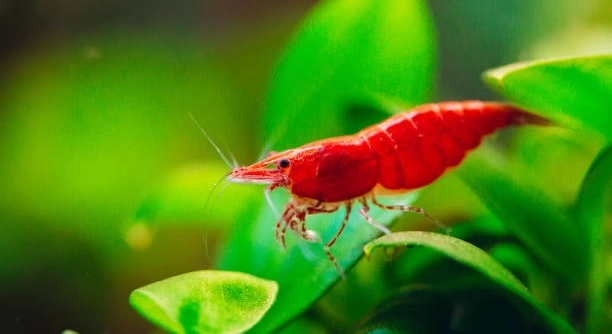
Cherry shrimp are usually active little creatures, swimming around plants and exploring their tank. Sometimes, however, they may remain still for long periods, leaving their owners puzzled and a bit concerned about their health.
The primary reason cherry shrimp stay still all day is stress or poor water conditions. Factors like sudden temperature changes, high ammonia or nitrite levels, and inadequate hiding spots can significantly reduce their activity, affecting their overall health and behavior.
Learning about these factors can help you improve your shrimp’s environment and ensure they remain active and healthy. Simple changes can make a noticeable difference in their daily behavior.
Common Causes of Cherry Shrimp Inactivity
Cherry shrimp can stop moving for several reasons. Poor water quality is a major factor. High ammonia, nitrite, or nitrate levels can make shrimp lethargic. Temperature fluctuations also play a role; shrimp are sensitive to sudden changes. Overcrowding in the tank may stress them, reducing their movement. Lack of hiding spots can make them feel exposed, so they may stay still for safety. Illness or parasites may also slow them down. Even diet affects activity. Insufficient or poor-quality food can leave them weak. Observing their behavior regularly helps detect problems early. Checking water parameters weekly and keeping the tank clean supports healthy shrimp activity. Adjusting the tank’s layout with plants and decorations can give shrimp comfort and encourage movement. Lighting and gentle water flow also impact their behavior, keeping them engaged and less stressed. Paying attention to these factors ensures shrimp remain active and thrive in their tank environment.
Stress and poor water conditions are usually the main reason for inactivity in cherry shrimp.
Some shrimp might freeze as a protective response to stress or environmental changes. Making small adjustments to water quality, temperature, and hiding spaces can restore their normal activity levels and overall health.
How to Improve Shrimp Activity
Keeping shrimp active begins with proper tank maintenance.
Regular water changes are essential for stable water conditions. Cherry shrimp need clean, balanced water to stay healthy and energetic. Test water parameters often to monitor ammonia, nitrite, and nitrate levels. Keeping temperature consistent helps avoid sudden stress. Providing live plants, moss, and decorations gives shrimp places to hide, feel secure, and explore. Overfeeding should be avoided; uneaten food can pollute water and harm shrimp. A varied diet of high-quality shrimp pellets, blanched vegetables, and occasional protein helps maintain their strength and vitality. Avoid overcrowding the tank, as it can cause stress and reduce movement. Observing shrimp behavior daily helps catch early signs of disease or stress. Even small improvements in environment, diet, and tank layout can lead to noticeable changes in activity. When these steps are followed consistently, shrimp become more energetic, move around more, and display natural behaviors, creating a lively and healthy aquarium.
Signs of Stress in Cherry Shrimp
Shrimp that stay still often show other signs of stress. Faded color, hiding more than usual, or clinging to decorations can indicate discomfort. They may also stop eating, molt irregularly, or swim erratically.
Stress in cherry shrimp is often linked to sudden changes in their environment. Water temperature that fluctuates too quickly can make them freeze in place. High ammonia, nitrites, or nitrates affect their gills and energy levels. Overcrowded tanks or aggressive tankmates can force shrimp to hide constantly, reducing movement. Even poor diet or lack of proper minerals can weaken them, causing lethargy. Observing subtle behavioral changes can help you spot stress before it leads to illness or death.
Behavioral stress signs can also include unusual swimming patterns. Shrimp may twitch, spin, or cling to tank surfaces for long periods. Molting difficulties often appear, and shrimp may refuse food. By paying attention to these signs and adjusting tank conditions, you can help your shrimp recover and regain normal activity.
Optimizing Tank Conditions
Proper water parameters are key to active shrimp.
Maintaining stable temperature, pH, and hardness encourages shrimp to move freely. Gentle filtration prevents strong currents that tire them out. Keeping the tank clean with regular water changes prevents toxic buildup. Plants and hiding spots reduce stress, giving shrimp comfort and security.
Lighting and flow also influence activity. Soft, consistent lighting mimics natural conditions, while proper water circulation ensures oxygen reaches all areas of the tank. Shrimp feel more secure when the substrate and decorations provide safe spaces to explore. Avoid overcrowding to reduce competition for food and stress from tankmates. Using high-quality food supports growth and energy. Regular observation allows early detection of any problems that may arise, letting you adjust conditions before stress impacts behavior. With these adjustments, shrimp are more likely to swim, forage, and molt normally, creating a lively and balanced aquarium environment.
Feeding Habits and Activity
Shrimp that are not eating properly may appear still for long periods. Uneaten food or inconsistent feeding schedules can reduce their energy and motivation to move around the tank.
A balanced diet is essential. Providing high-quality shrimp pellets, blanched vegetables, and occasional protein keeps them healthy and active. Overfeeding can pollute water, causing stress and lethargy. Observing how much they eat helps adjust feeding routines, ensuring shrimp get enough nutrition without harming water quality. Proper feeding encourages movement, molting, and natural foraging behavior.
Molting and Growth
Molting is a vulnerable time for cherry shrimp. They may stay still before, during, or after shedding their shells to protect themselves.
Shrimp need calcium and minerals for healthy molts. Weak water parameters or lack of nutrients can slow growth and make shrimp hesitant to move. Ensuring stable conditions and a mineral-rich diet supports regular molting and activity.
Tank Layout and Hiding Spots
Shrimp feel safer when they have plenty of hiding spots. Plants, moss, and decorations reduce stress and encourage exploration.
FAQ
Why are my cherry shrimp staying still even though the water looks fine?
Even if water parameters appear normal, small fluctuations in temperature, pH, or hardness can stress shrimp. They are very sensitive to changes that might not be obvious to us. Stress, lack of hiding spots, or even minor issues with diet can make them freeze in place.
Can shrimp recover if they stay still for a long time?
Yes, they can recover if the underlying cause is addressed. Improving water quality, providing proper nutrition, and offering safe spaces for hiding can encourage movement. Recovery might take a few days to a couple of weeks depending on how stressed or weak they are.
Is it normal for cherry shrimp to hide most of the day?
Yes, some hiding is normal, especially for new or molting shrimp. Excessive hiding, however, can indicate stress, poor water quality, or aggressive tankmates. Ensuring there are enough plants and decorations for cover helps them feel secure and gradually increases activity.
Could water temperature cause inactivity?
Absolutely. Cherry shrimp prefer stable temperatures between 72°F and 78°F. Sudden drops or rises in temperature can shock them, causing them to stay still. Even minor fluctuations at night or during water changes can temporarily reduce activity until they adjust.
Does diet affect shrimp activity?
Yes. Shrimp that are not getting proper nutrients may appear lethargic. A balanced diet with shrimp pellets, blanched vegetables, and occasional protein keeps them energized. Overfeeding can also harm water quality, indirectly reducing activity, so it’s important to monitor portions.
Are diseases or parasites a reason for inactivity?
Diseases and parasites can cause lethargy. Symptoms may include unusual swimming, color fading, or difficulty molting. Quarantining new shrimp and keeping a clean tank reduces the risk of infections. Observing shrimp daily helps detect early signs before the problem worsens.
Can tank size influence their movement?
Yes, overcrowded tanks or insufficient space can stress shrimp. Limited space increases competition for food and hiding spots. A properly sized tank with enough territory for each shrimp encourages exploration and natural activity.
Do shrimp ever stay still for molting?
Yes, shrimp often become very still before, during, and after molting. This is a natural behavior to protect themselves while their new shell hardens. Providing calcium and minerals supports healthy molting and helps them regain movement quickly.
How do I know if stress or illness is the cause?
Observe other behaviors and physical signs. Stress usually shows as hiding, fading color, or twitching. Illness might include unusual spots, deformed shells, or erratic swimming. Testing water parameters and reviewing diet helps distinguish environmental stress from health problems.
What are the easiest ways to encourage shrimp to move more?
Improving water quality, offering hiding spots, maintaining a consistent temperature, and feeding a balanced diet usually increases activity. Gentle water flow and soft lighting also make shrimp more comfortable, encouraging them to explore and interact with their environment.
Can a new tank affect activity?
Yes, shrimp may stay still in a newly set-up tank while adjusting to unfamiliar surroundings. Introducing plants and decorations gradually, along with stable water conditions, helps them feel secure and encourages normal movement.
How often should I test my water?
Weekly testing of ammonia, nitrite, nitrate, pH, and hardness is ideal. Monitoring water consistently helps catch small changes before they stress shrimp. Keeping a stable and clean environment supports their energy levels and reduces prolonged inactivity.
Will aggressive tankmates cause shrimp to freeze?
Yes, shrimp may remain still or hide if other fish or creatures are aggressive. Ensuring peaceful tankmates and plenty of hiding spaces prevents stress and promotes natural movement, allowing shrimp to feel safe while foraging and exploring.
Can lighting affect shrimp behavior?
Yes, shrimp are sensitive to strong or inconsistent lighting. Soft, stable light mimics natural conditions, helping them feel secure. Sudden bright light may cause them to hide or stay still until they adjust to the environment.
Is it normal for older shrimp to be less active?
Older shrimp can show reduced activity as their metabolism slows. However, sudden inactivity in adult shrimp usually points to stress, poor water quality, or illness. Monitoring overall health, diet, and tank conditions is essential to maintain their activity.
How long should I wait before worrying about inactivity?
A few hours of stillness is normal, but if shrimp remain inactive for more than a day or show other signs of stress, action is needed. Checking water parameters, diet, and tank layout quickly helps prevent serious health issues.
Does substrate type matter for activity?
Yes, shrimp feel more comfortable on fine gravel or sand where they can forage and hide. Rough or bare substrates may make them feel exposed, causing them to stay still or cling to decorations instead of exploring freely.
Can adding plants improve movement?
Yes, plants provide cover, reduce stress, and encourage exploration. Moss, ferns, and other small plants give shrimp safe areas to hide, molt, and forage, which naturally increases their activity and overall health in the tank.
Do shrimp ever stay still for no reason?
Occasional stillness is normal, especially during rest periods. Persistent inactivity is usually linked to stress, environmental issues, diet, or illness. Observing behavior over time helps determine whether it’s temporary rest or a sign of an underlying problem.
Can water changes shock shrimp?
Yes, sudden large water changes or differences in temperature and pH can temporarily freeze shrimp. Gradual water changes and matching parameters closely reduce stress and help them resume normal activity more quickly.
Are there signs shrimp are happy and active?
Active swimming, bright coloration, regular foraging, and successful molting indicate healthy, happy shrimp. They explore plants and decorations, interact with tankmates, and show curiosity in their environment, which are all signs of well-being and low stress.
How can I tell if shrimp are stressed after moving them?
Shrimp may hide, remain still, or lose color after relocation. Providing stable water, gentle acclimation, and hiding spots helps them recover. Observing behavior for a few days ensures they adjust and regain normal activity.
Does water hardness influence activity?
Yes, soft or very hard water can affect molting and energy. Maintaining moderate hardness and appropriate calcium levels helps shrimp move normally and supports shell development. Regular testing ensures conditions remain optimal.
Can seasonal changes affect shrimp behavior?
Seasonal fluctuations in room temperature or lighting may impact shrimp. Consistent tank conditions, insulation, and controlled lighting help prevent stress and reduce long periods of stillness during seasonal shifts.
Is stillness during night normal?
Yes, shrimp are less active in low light or at night. They tend to hide or stay still until morning when light levels and temperature are more favorable. This behavior is normal as long as they are active during the day.
Does crowding with too many shrimp reduce movement?
Yes, overcrowding increases competition for food and hiding spots. This can make shrimp hide more often or stay still. Maintaining a balanced population and adequate space encourages exploration and normal activity throughout the tank.
How can I gradually increase shrimp activity?
Improving water quality, adding plants, adjusting lighting, feeding consistently, and reducing stressors gradually encourages movement. Observing daily helps you see improvements and make small adjustments for a healthier, more active shrimp population.
Are some shrimp naturally less active?
Yes, individual temperament varies. Some shrimp are shy or less exploratory. While occasional stillness is normal, prolonged inactivity usually indicates environmental or health issues that should be addressed to ensure proper care.
What should I do if nothing seems to work?
Review water parameters, diet, tank layout, and tankmates carefully. Sometimes consulting a specialist or experienced aquarist helps identify hidden issues. Patience and gradual adjustments often restore activity without harming shrimp.
Cherry shrimp are delicate creatures, and their behavior often reflects the condition of their environment. When they stay still for long periods, it usually signals that something in the tank is off balance. Water quality is one of the most critical factors affecting their activity. Even small fluctuations in ammonia, nitrites, nitrates, or pH can make them lethargic. Temperature changes, whether too hot or too cold, also stress shrimp and can cause them to freeze in place. Maintaining consistent water parameters through regular testing and careful monitoring is essential to prevent these problems. A stable environment not only encourages movement but also supports overall health, growth, and molting cycles, ensuring that your shrimp thrive rather than just survive.
Diet and nutrition are equally important in keeping shrimp active. Poor-quality food or insufficient feeding can leave them weak and unmotivated to move. Cherry shrimp need a mix of high-quality shrimp pellets, blanched vegetables, and occasional protein to meet their nutritional needs. Overfeeding, however, can pollute the tank and indirectly cause stress, so it’s crucial to find a balance. Providing minerals, especially calcium, helps with healthy molting, which is a vulnerable time when shrimp often stay still. Observing how your shrimp eat and adjusting their feeding routine can make a noticeable difference in energy levels and daily behavior.
The physical layout of the tank also influences shrimp activity. Cherry shrimp need hiding spots to feel secure, especially when they are molting or if there are tankmates that might be aggressive. Plants, moss, and decorations create a safe environment where shrimp can explore without fear. Even the type of substrate can matter; fine gravel or sand allows shrimp to forage naturally and feel comfortable moving around. Lighting and water flow are additional factors that impact behavior, with soft lighting and gentle currents promoting more natural activity. Paying attention to these details, along with regular maintenance, ensures that shrimp remain lively, healthy, and able to display their natural behaviors every day.

Hello,
If you enjoy the content that we create, please consider saying a "Thank You!" by leaving a tip.
Every little bit helps us continue crafting quality advice that supports the health, happiness, and well-being of pets around the world, for pets of all shapes, sizes, and species.
We really appreciate the kindness and support that you show us!