
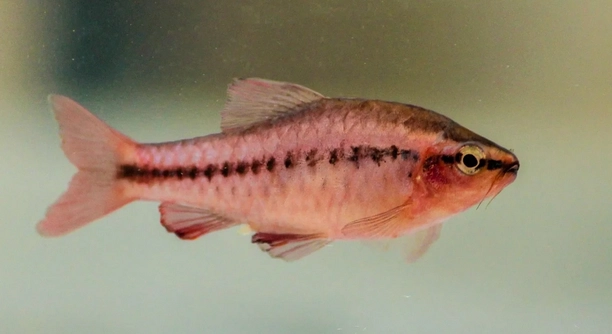
Cherry barbs are fascinating creatures that communicate through subtle behaviors. These small fish rely on various signals to interact with each other, revealing their moods and intentions in ways that may not be immediately obvious.
Cherry barbs utilize a range of visual and behavioral cues to communicate, including body movements, fin displays, and changes in swimming patterns. These signals help establish territory, attract mates, or warn others of potential threats. Understanding these interactions enhances their care.
Recognizing these communication methods can enrich your understanding of cherry barbs and improve your ability to care for them in your aquarium.
1. The Role of Body Movements in Communication
Cherry barbs often use their body movements to communicate with others. When they feel threatened, they may swim erratically or stay still in place to avoid attention. In contrast, calm and confident cherry barbs move with smooth, steady motions. This can be seen in how they interact with one another in the aquarium, whether during mating or territorial disputes. A sudden shift in swimming speed or direction can indicate agitation or excitement. These signals are not always obvious to the untrained eye but can offer insights into their mood and needs.
Understanding how body movements play a role in communication can help identify when a cherry barb is stressed or content. It’s essential to observe their behavior carefully, especially when introducing new fish or changing the environment.
The key to interpreting body movements is patience. Take the time to observe your cherry barbs, as they will show subtle clues through their swimming patterns, helping you care for them better. Over time, you’ll get familiar with their preferences and emotional responses, making it easier to address their needs.
2. Fin Displays and Their Significance
Cherry barbs are known for their colorful fins, which they use as a form of communication. When a cherry barb is displaying its fins fully, it often signals readiness to mate or assert dominance. Conversely, when they retract their fins, it might indicate a feeling of submission or discomfort. This display is an effective way for cherry barbs to convey their intentions without resorting to physical confrontation.
Fin displays serve several purposes, from attraction to self-defense. In the wild, they use their fins to impress potential mates or deter rivals. The visual impact of their fins is not only for other fish but also for keeping track of territory. Male cherry barbs often show off their vibrant fins to attract females during mating season. The more expansive the display, the more they communicate confidence and vitality. When combined with specific body movements, fin displays can give you deeper insight into their social structure and health.
3. How Cherry Barbs Use Their Colors to Communicate
The vibrant colors of cherry barbs serve as a significant part of their communication. These fish change their color intensity based on their mood and environmental factors. When feeling threatened or stressed, their colors may fade, signaling discomfort. In contrast, bright colors often indicate confidence or excitement.
During mating season, males intensify their colors to attract females, showing off their best hues to stand out. This is particularly noticeable in males with deep red or orange tones. The intensity of their colors can also change with lighting or water quality. In times of stress, like water temperature fluctuations or poor tank conditions, their colors may dull to communicate distress. Monitoring these color changes can provide valuable clues about the health and well-being of your cherry barbs.
Pay attention to these subtle shifts in color, as they can indicate when something in their environment needs adjusting, such as water parameters or tank mates.
4. The Role of Swimming Patterns in Communication
Cherry barbs use swimming patterns to communicate with each other and express their emotions. When interacting with other fish, they may swim in tight groups or scatter quickly if startled. In a tank with multiple cherry barbs, schooling behavior is a common sign of comfort and social interaction. These fish prefer to be in groups, which makes them feel secure. In stressful situations, like a change in tank conditions or the presence of aggressive species, they may swim erratically or hide.
Monitoring their swimming patterns will help you spot changes in their behavior, which could indicate problems such as bullying, improper water conditions, or disease. A single cherry barb swimming alone could be a sign of illness or stress, especially if the fish is not part of the school’s usual group. If your cherry barbs appear to be swimming unusually, it’s essential to examine their environment for potential stressors.
Being aware of their usual swimming behavior can also help you identify when the group dynamic is off, such as when a single fish begins to behave differently or becomes isolated from the group.
5. Cherry Barbs’ Interaction with Tank Mates
Cherry barbs communicate with their tank mates through body language and movement. They are generally peaceful and will avoid aggression unless provoked. When interacting with other species, they use subtle cues like quick swimming or fin displays to establish their boundaries.
Their peaceful nature often makes them ideal companions for other non-aggressive fish. However, conflicts can arise if there’s competition for food or space. In these situations, cherry barbs may retreat to less crowded areas or display defensive postures. Watching how they interact with other fish can help prevent aggression.
Knowing how cherry barbs behave with tank mates can guide you in setting up a peaceful and thriving aquarium environment.
6. How Cherry Barbs Use Territory to Communicate
Cherry barbs are territorial fish that establish spaces within the tank, especially when they feel threatened. They might display territorial behavior by chasing or showing off their fins to assert dominance over a specific area. This is particularly noticeable in males during mating seasons, as they guard their chosen spots. When two males compete, they often engage in displays of strength, such as fin flaring or rapid swimming.
Observing territorial behavior can help ensure that your tank setup meets the needs of all your fish. Providing hiding spots and enough space for each fish to claim their own territory will reduce stress and prevent fights. Territorial disputes are a natural part of their behavior, but ensuring the environment is balanced will allow them to thrive.
7. The Role of Feeding Behavior in Communication
Feeding times can be an essential part of how cherry barbs communicate. They may swim to the surface, signaling their hunger and readiness for food. The speed at which they eat can also provide clues about their health and well-being.
FAQ
What are the most common signs that a cherry barb is stressed?
Cherry barbs can show stress through behavior and appearance. When stressed, their colors may fade or become dull, and they may exhibit erratic swimming patterns. These fish might also isolate themselves from the group or hide in corners of the tank. If the environment is too noisy or chaotic, they may appear skittish. Changes in their eating habits or an unwillingness to interact with other fish can also be signs of stress. Monitoring these signs is crucial in maintaining a healthy tank environment.
How can I tell if my cherry barb is healthy?
Healthy cherry barbs have bright, vibrant colors, especially in males. They swim smoothly and actively, often schooling with other fish. Healthy fish will also show an appetite and eagerly respond to feeding. Their fins will be intact, and they won’t have visible wounds or parasites. If you observe regular, smooth swimming patterns and a willingness to interact, it’s a good sign that your cherry barb is in good health. It’s essential to monitor them regularly for any changes in behavior or physical appearance.
Do cherry barbs need a specific tank setup?
Cherry barbs thrive in a well-maintained tank with stable water parameters. They prefer slightly acidic to neutral water with a temperature between 72°F and 78°F (22°C to 26°C). The tank should have plenty of plants, hiding spots, and open swimming areas. They are peaceful fish and should be kept with non-aggressive species. A tank size of at least 20 gallons is recommended for a small school of cherry barbs. Regular water changes and a good filtration system are essential to keep them healthy.
Can cherry barbs live with other fish?
Yes, cherry barbs are generally peaceful and can live with other non-aggressive fish. They work well in community tanks and prefer being in groups of at least five or six. However, it’s important to avoid pairing them with aggressive or territorial species that might stress them. Good tank mates include other peaceful fish like tetras, guppies, or rasboras. It’s essential to monitor interactions, as even peaceful fish can sometimes show aggression under stressful conditions or limited space.
How often should I feed my cherry barbs?
Cherry barbs should be fed once or twice a day, providing only as much food as they can consume in a few minutes. Overfeeding can lead to water quality problems and obesity in the fish. They are omnivores, so a varied diet consisting of high-quality pellets, flakes, and occasional live or frozen food like brine shrimp or daphnia is ideal. Regular feeding routines will help maintain their health and activity levels.
What size group should I keep cherry barbs in?
Cherry barbs are social fish and should be kept in groups of at least five or six individuals. Keeping them in a group helps reduce stress, as they feel safer and more comfortable in numbers. Males will often show off their vibrant colors and exhibit more natural behaviors when surrounded by other cherry barbs. A larger group will also encourage schooling, which is a natural behavior for them. A small school of cherry barbs can thrive in a well-planted tank, creating a peaceful and active aquarium environment.
How can I tell if my cherry barb is pregnant?
Unlike livebearers, cherry barbs do not carry their young internally. However, female cherry barbs can appear fuller and rounder when they are ready to lay eggs. During the breeding season, females may be slightly more plump compared to males. If you’re trying to breed cherry barbs, it’s essential to set up a breeding tank with suitable plants for egg laying. The female will scatter her eggs among the plants, and the male will fertilize them.
Why is my cherry barb swimming alone?
Cherry barbs are social creatures and prefer the company of other fish. If a cherry barb is swimming alone, it could be a sign of illness, stress, or an unfavorable tank environment. Sometimes, they may also swim alone to avoid conflict with more dominant tank mates. It’s important to observe the fish for other signs of distress, such as faded colors or changes in appetite. If the solo swimming behavior persists, you may want to check the water parameters, tank mates, and ensure the barb is not suffering from an injury or illness.
What should I do if my cherry barb isn’t eating?
If a cherry barb isn’t eating, it could be a sign of stress, illness, or a change in the environment. First, check the water parameters to ensure they are within the ideal range. Stress from sudden changes in the tank setup, temperature, or the introduction of new fish can cause them to lose their appetite. If the tank conditions are good and the barb is still not eating, it might be dealing with an illness or injury. In this case, isolate the fish in a quarantine tank and monitor its condition.
Final Thoughts
Cherry barbs are fascinating and peaceful fish that can bring a lot of life to a community tank. Their vibrant colors, playful behavior, and simple care requirements make them a popular choice for both beginner and experienced aquarium enthusiasts. While they are relatively easy to care for, maintaining optimal water conditions and providing a balanced diet are essential to their well-being. By observing their social behaviors and learning how they communicate through body language, you can better understand their needs and create a healthier environment for them.
When keeping cherry barbs, it’s important to remember that they thrive in groups. They are social fish, and having at least five or six in a tank helps reduce stress and encourages natural behaviors, such as schooling. Additionally, cherry barbs are peaceful by nature, so they are compatible with many other species. However, it’s best to avoid keeping them with more aggressive or territorial fish. Ensuring that your tank setup includes plenty of hiding spots, plants, and open swimming spaces will give them a sense of security and help prevent stress or territorial disputes.
Overall, cherry barbs are great additions to any aquarium. They are easy to care for, display interesting social behaviors, and contribute to a calm and peaceful tank environment. By keeping their tank conditions stable and providing a varied diet, you can enjoy the beauty and activity these fish bring. With the right care, cherry barbs can thrive and live for several years, creating a colorful and lively display in your aquarium.

Hello,
If you enjoy the content that we create, please consider saying a "Thank You!" by leaving a tip.
Every little bit helps us continue crafting quality advice that supports the health, happiness, and well-being of pets around the world, for pets of all shapes, sizes, and species.
We really appreciate the kindness and support that you show us!