Why Is My Pleco Circling the Heater?

Is your pleco constantly circling the heater in your aquarium, leaving you puzzled about its unusual behavior? Observing this can be concerning, especially when you want to ensure your fish is healthy and comfortable in its environment. The primary reason your pleco circles the heater is likely due to a need for warmth or stress … Read more
Do Bristlenose Plecos Sleep in Burrows?

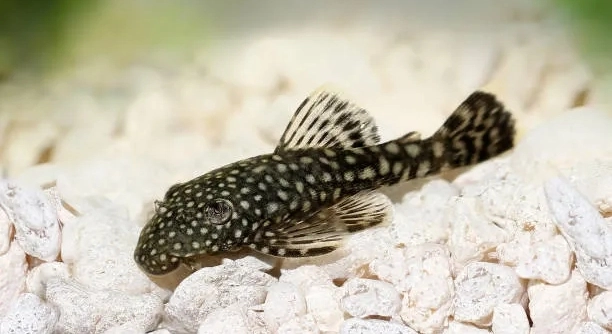
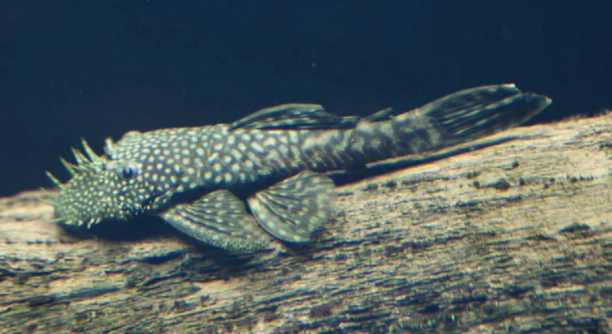
Bristlenose plecos are popular freshwater fish, admired for their unique appearance and algae-eating habits. Many hobbyists enjoy watching them move around the tank, but understanding their daily routines can be both interesting and important. Bristlenose plecos do not typically sleep in burrows. Instead, they prefer hiding in caves, under driftwood, or among plants during rest … Read more

7 Breeding Mistakes That Reduce Fry Survival

Breeding fish can be rewarding, yet many hobbyists face challenges that reduce fry survival. Even small mistakes in setup, feeding, or water quality can have a significant impact on the delicate early life stages of fry. Fry survival is often compromised by common breeding errors such as overfeeding, improper water parameters, insufficient hiding places, neglecting … Read more

7 Things Plecos Do When They’re Comfortable

Do your plecos seem more active and relaxed lately? Observing their behavior can reveal how at ease they are in their tank. Comfort in fish often shows through small yet noticeable daily habits. When plecos are comfortable, they display consistent and calm behaviors. These include resting openly, exploring without hesitation, feeding regularly, and interacting with … Read more

7 Things Plecos Do When They’re Territorial

Are your plecos showing unusual behavior in their tank, acting restless or more aggressive than usual? Observing them closely can help you understand how they interact with their environment and other fish around them. Plecos exhibit territorial behavior through actions such as chasing other fish, marking surfaces, hiding in preferred spots, and guarding food. These … Read more

Why Your Pleco Stopped Grazing the Glass

Are your plecos no longer grazing the glass like they used to in your aquarium? It can be puzzling when a fish that once seemed so active suddenly changes its behavior in subtle ways. The primary reason your pleco stopped grazing the glass is a change in diet, water quality, or stress levels. Plecos may … Read more

Do Bristlenose Plecos Communicate With Each Other?

Bristlenose plecos are quiet, bottom-dwelling fish often kept in home aquariums. They move slowly across surfaces, using their bristly snouts to graze on algae. Observing them, it is easy to assume they are solitary and silent creatures. Bristlenose plecos communicate through subtle body movements, tactile interactions, and occasional sounds like clicks or grunts. These signals … Read more

Can Bristlenose Plecos Be Hand Fed?

Bristlenose plecos are small, peaceful fish often kept in home aquariums. Many aquarists enjoy observing their unique bristly appearance and calm behavior. They can form interesting habits, making them enjoyable companions for fish enthusiasts. Bristlenose plecos can be hand fed, though it requires patience and consistency. Regular, gentle offering of food by hand encourages trust, … Read more

Can Plecos Be Kept in High-Tech Tanks?

Have you ever thought about keeping plecos in a modern, high-tech aquarium? Many fish enthusiasts enjoy upgrading their tanks with advanced equipment, but plecos have unique needs that require careful consideration for their long-term well-being. Plecos can be kept in high-tech tanks, provided their natural behaviors and environmental requirements are met. Proper filtration, hiding spaces, … Read more

7 Things Plecos Avoid in Shared Tanks

Do you ever notice your plecos acting shy or hiding in the tank? These fish have unique habits that can make sharing a tank challenging, especially when certain conditions make them uncomfortable or stressed. Plecos tend to avoid aggressive tankmates, sudden water changes, poor water quality, bright lighting, overcrowded environments, insufficient hiding spots, and unsuitable … Read more