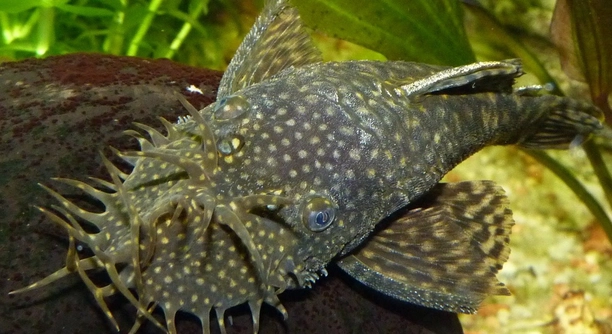
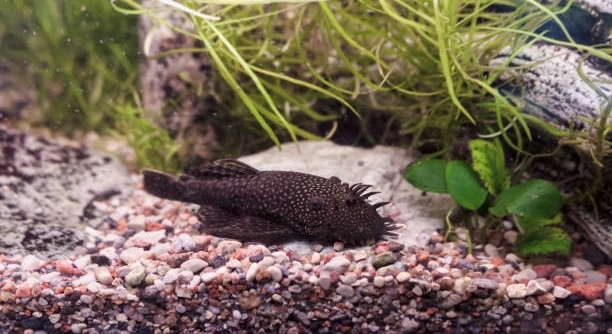
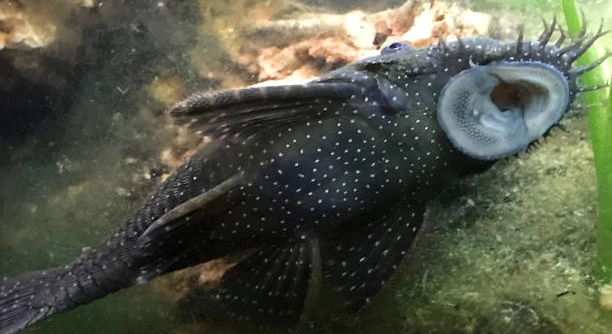
Why Your Pleco Stays Near the Air Stone
Is your pleco constantly hovering near the air stone in your aquarium? Observing this behavior is common among plecos, and many owners notice it early. This small detail can reveal important information about your fish’s health and environment. Plecos often stay near the air stone due to higher oxygen levels and water movement. The aeration … Read more
7 Things That Make Plecos Less Aggressive

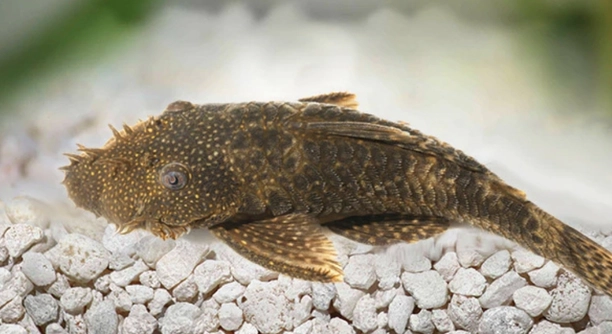
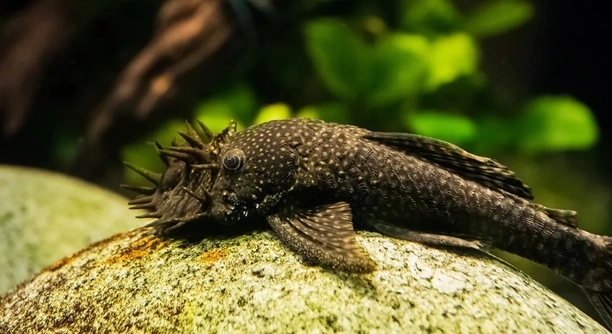
Are your plecos showing more aggression than you expected in your aquarium? Managing their behavior can sometimes feel overwhelming, especially when their territorial instincts start affecting other fish in the tank environment. Plecos tend to be less aggressive when provided with ample hiding spots, stable water conditions, proper diet, minimal stress, compatible tank mates, adequate … Read more

7 Feeding Tips for Young Bristlenose Plecos

Do you love keeping aquariums but find yourself unsure how to properly feed your young Bristlenose Plecos? These small, hardy fish need careful attention to their diet for healthy growth and vibrant colors. Providing proper nutrition for young Bristlenose Plecos requires a balanced diet consisting of algae wafers, fresh vegetables, and occasional protein supplements. Feeding … Read more

7 Good Signs of a Thriving Bristlenose Tank

Have you ever wondered if your bristlenose pleco is truly happy in its tank? Keeping these peaceful fish healthy requires attention to small details that indicate a thriving environment and overall well-being. A thriving bristlenose tank is characterized by clear water, active and healthy fish, consistent algae growth, balanced water parameters, regular feeding, appropriate hiding … Read more

Can Bristlenose Plecos Feel Vibration?

Bristlenose plecos are popular freshwater fish, known for their algae-eating abilities and unique appearance. Many aquarists enjoy watching them glide along tank surfaces, but their sensitivity to their environment is often overlooked. Bristlenose plecos can indeed sense vibrations in their surroundings. They detect these movements through specialized sensory organs called neuromasts, which are part of … Read more

7 Things That Affect Pleco Breeding Success

Breeding plecos can be a rewarding experience for any aquarium enthusiast, yet it often comes with unexpected challenges. Many factors influence their success, from water quality to tank environment, making careful attention essential for optimal results. Pleco breeding success is largely determined by specific environmental and biological conditions. Key factors include water temperature and pH … Read more

7 Best Practices for Handling Pleco Fry

Have you ever noticed your Pleco fry behaving differently in their tank during the first few weeks of life? Observing their growth and daily activity can be both fascinating and challenging for new aquarists. Proper handling of Pleco fry involves maintaining stable water conditions, providing appropriate nutrition, and ensuring a safe environment. Regular monitoring and … Read more

Do Plecos Recognize Their Feeding Schedule?

Do your plecos seem to appear at the same spot when it is feeding time? Many fish owners notice this pattern and wonder if these bottom-dwelling creatures are aware of their daily meals. Observing their behavior can reveal small, fascinating routines that develop over time. Plecos demonstrate a degree of recognition of their feeding schedule. … Read more

7 Signs Your Pleco May Be Getting Old

Do you ever notice subtle changes in your pleco’s behavior or appearance as time passes? These slow shifts can sometimes indicate that your fish is entering its later years, requiring a bit more attention and care. As plecos age, observable signs such as slower movement, changes in coloration, reduced appetite, and altered fin condition can … Read more

Why Your Pleco Is Always Behind the Filter

Many pleco owners notice their fish constantly hanging out behind the filter, moving slowly or clinging to surfaces. This behavior can seem puzzling, especially when everything else in the tank appears normal and healthy. The primary reason plecos stay behind the filter is that they are seeking oxygen-rich water and a sense of security. The … Read more