
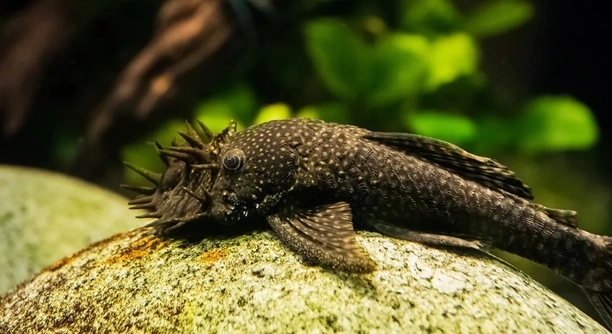
Have you ever wondered if your bristlenose pleco is truly happy in its tank? Keeping these peaceful fish healthy requires attention to small details that indicate a thriving environment and overall well-being.
A thriving bristlenose tank is characterized by clear water, active and healthy fish, consistent algae growth, balanced water parameters, regular feeding, appropriate hiding spots, and clean surfaces. Monitoring these factors ensures long-term stability and supports natural behaviors in the species.
Recognizing these signs can make caring for your plecos easier and more rewarding. Observing their habits closely provides insight into the health of your tank ecosystem.
Clear and Stable Water
Maintaining clear and stable water is essential for a thriving bristlenose tank. I noticed that when my tank water is cloudy or changes color, the fish become less active and spend more time hiding. Clean water supports gill health and prevents stress-related diseases, which are common in poorly maintained aquariums. Regular water changes, using a reliable filter, and monitoring parameters like ammonia, nitrite, and nitrate are key. A bristlenose tank with stable water conditions encourages natural foraging behavior and proper growth. Over time, you can see the difference in the fish’s fins and overall activity. Adding live plants also helps maintain water quality while giving the fish extra places to explore. Even small adjustments, like vacuuming the substrate weekly and avoiding overfeeding, can keep water clarity high. Consistency in maintenance routines leads to a healthier, more peaceful tank environment. Watching them glide across smooth surfaces is a simple joy of clean water care.
Clear water shows that the tank is healthy and balanced, making the fish more active and less stressed overall.
When water clarity is consistent, bristlenose plecos feed more confidently and display their natural behaviors. They graze algae off surfaces, explore hiding spots, and interact with the tank environment in a way that signals comfort and security. Clear water also reduces the risk of algae overgrowth beyond what is normal, preventing oxygen depletion and minimizing harmful bacteria buildup. Observing these signs helps maintain proper filtration and encourages a routine that keeps the ecosystem balanced. It is important to test water parameters regularly, but visual clarity alone can be an early indicator that the tank is thriving. When combined with attentive feeding and care, clear water directly contributes to the overall health, coloration, and longevity of bristlenose plecos.
Active and Healthy Fish
Active fish are a strong indicator that your bristlenose tank is doing well. Plecos that move around, graze surfaces, and occasionally interact with each other are usually healthy and content.
Watching the fish actively explore and feed shows they are thriving. Their fins are intact, and they rarely show signs of lethargy or hiding excessively.
Healthy bristlenose plecos exhibit steady growth over time, and their behavior can signal water quality issues early. When I first noticed my fish spending more time in one corner and refusing food, it prompted a water check that revealed slight nitrate elevation. After addressing the imbalance, activity returned to normal. Plecos with good health also have firm, well-formed bodies and visible bristles in males, which indicates proper nutrition. Stress-free fish show curiosity but are not overly aggressive. They respond to feeding times and explore decorations or plants, demonstrating comfort with their surroundings. Maintaining proper diet, hiding spots, and stable water conditions ensures the fish remain energetic, resilient, and visually vibrant, providing an overall sense of a thriving tank.
Consistent Algae Growth
Algae presence is normal and beneficial in a bristlenose tank. It provides a natural food source for plecos and indicates balanced light and nutrient levels. Occasional trimming keeps it under control while allowing fish to graze freely.
I noticed that when algae growth slows drastically, my plecos began nibbling on driftwood and plants more aggressively. This behavior often signals nutrient or lighting imbalance. Maintaining gentle lighting schedules and monitoring fertilization ensures steady algae growth, which supports their diet without harming the tank. Algae also contributes to a natural environment, making hiding spots feel safer for shy fish. Observing their grazing habits can indicate if the tank is healthy.
Algae is not just food; it encourages natural behaviors. Plecos scrape surfaces, keeping glass and decorations cleaner. When algae is steady but not excessive, it signals a balanced ecosystem. Adjusting feeding and light helps maintain this equilibrium. Overgrowth can be managed with regular cleaning and plant maintenance, while still supporting pleco grazing. This balance ensures the tank feels natural and reduces stress for the fish.
Balanced Water Parameters
Stable water parameters are essential for long-term pleco health. Monitoring pH, temperature, and hardness keeps fish active and resilient against disease. Minor fluctuations can impact their behavior and appetite.
Regular testing and careful adjustments help maintain stability. I check pH weekly and adjust slowly if needed, avoiding sudden changes that stress fish. Temperature consistency is important; I use a reliable heater and thermometer. Hardness and mineral content support proper growth and bristle development. Observing fish behavior often helps spot subtle imbalances. Signs like hiding, clamped fins, or reduced grazing indicate the need for parameter review. Keeping records of readings allows me to notice trends and prevent problems before they escalate.
Balanced parameters encourage consistent feeding, breeding readiness, and natural behaviors. My plecos thrive when water conditions remain stable for weeks, showing vibrant coloration and active grazing. Sudden changes can cause stress or illness, so maintaining a predictable routine is crucial. Slow adjustments, gradual water changes, and proper filtration help keep ammonia, nitrites, and nitrates in safe ranges. Understanding the ideal ranges for bristlenose plecos ensures long-term tank stability. A well-maintained tank reduces disease risk, supports algae grazing, and allows fish to interact confidently with their environment. Watching them explore, feed, and rest naturally confirms that parameters are balanced.
Regular Feeding
Consistent feeding keeps bristlenose plecos healthy and active. I feed my plecos a mix of algae wafers, vegetables, and occasional protein treats. Balanced meals prevent malnutrition and encourage natural grazing behaviors throughout the tank.
Overfeeding can harm water quality, while underfeeding reduces energy and growth. Observing how quickly food is eaten helps me adjust portions, ensuring each fish receives enough without leaving excess waste.
Appropriate Hiding Spots
Providing caves, driftwood, and dense plant areas supports plecos’ need for security. They rest in these spots during the day and explore at night, reducing stress and promoting natural behaviors. Proper hiding areas also help establish territories in community tanks.
Clean Surfaces
Removing leftover food and debris from substrate and decorations prevents harmful bacteria buildup. I use a gentle vacuum and clean ornaments regularly, keeping surfaces safe for grazing plecos. A tidy environment supports water clarity and encourages active fish.
Healthy Fins and Body
Observing fins and body shape indicates overall health. Plecos with intact, firm fins and smooth bodies are usually thriving. Damage or deformities often signal water issues or stress, prompting prompt action.
FAQ
How often should I feed my bristlenose plecos?
I feed my plecos once a day, usually in the evening when they are more active. A mix of algae wafers and fresh vegetables, like zucchini or cucumber, provides balanced nutrition. Overfeeding can harm water quality, so I give only what they can finish in a few hours. Occasionally, I add protein treats, but sparingly. Feeding consistently helps maintain energy levels, encourages natural grazing behavior, and supports growth. Watching how they respond to food also helps me notice changes in health or activity that may indicate tank issues.
What is the ideal tank size for bristlenose plecos?
A 20-gallon tank works well for a single adult pleco. If keeping multiple plecos or other fish, a larger tank of 30–40 gallons or more is necessary. I noticed that providing ample space reduces aggression and stress. More room allows them to explore, graze on surfaces, and find hiding spots without competition. Smaller tanks can lead to rapid waste buildup, causing water instability and stress. Providing enough space ensures consistent growth, natural behaviors, and overall health.
How do I know if my plecos are healthy?
Healthy plecos have intact fins, smooth bodies, and active movement, especially at night when they forage. I watch them graze on algae and driftwood; this is a clear sign of contentment. Lethargy, clamped fins, or refusal to eat usually signals a problem with water quality or diet. Checking water parameters and observing behavior regularly helps me catch issues early. Healthy plecos are alert but not overly aggressive, maintain a steady weight, and show normal coloration. They also use hiding spots appropriately and respond to feeding cues without stress.
What are the best hiding spots for bristlenose plecos?
Caves, driftwood, and dense plants provide essential security. I make sure every pleco has at least one place to rest during daylight hours. Hiding spots reduce stress and allow the fish to feel safe in community tanks. Driftwood also supports natural grazing, giving them a food source and contributing to tank health. Proper placement prevents territorial conflicts, and arranging multiple shelters ensures that shy fish can find refuge without being disturbed. Observing which spots they prefer can guide me in adjusting decorations for comfort and natural behavior.
How often should I clean the tank?
I clean my tank weekly by removing uneaten food, vacuuming the substrate, and wiping surfaces. Partial water changes of 20–30% every week help maintain stable water parameters. Over-cleaning can stress the fish or remove beneficial bacteria, so I keep it balanced. Regular maintenance prevents harmful buildup, supports algae growth for grazing, and keeps the environment safe and comfortable for plecos. Observing the tank during cleaning also helps me notice early signs of stress, disease, or unusual behavior.
Can bristlenose plecos live with other fish?
Yes, they are generally peaceful and do well with community fish. I keep them with tetras, guppies, and rasboras, avoiding aggressive species. Providing enough hiding spots reduces territorial disputes. Plecos prefer bottom areas, so tank mates that occupy middle and top levels minimize competition for space and food. Compatibility depends on water parameters and temperament. Careful observation ensures harmony and allows all fish to thrive without stress.
How do I maintain algae without overgrowth?
Balanced lighting, regular water changes, and proper feeding keep algae steady. I allow moderate growth to feed my plecos but remove excess with a scraper or vacuum. Algae overgrowth often signals too much light or excess nutrients. Controlled algae encourages natural grazing and helps plecos stay active while preventing harmful blooms. Observing grazing patterns helps me adjust light schedules or feeding amounts to maintain equilibrium.
What should I do if my pleco is hiding all the time?
Constant hiding can indicate stress, illness, or poor water quality. I check water parameters immediately, looking for pH shifts, ammonia, nitrites, or high nitrates. Once the water is stable, I observe their behavior and adjust feeding or tank layout if needed. Sometimes adding extra hiding spots helps shy or stressed plecos feel secure. Consistent routines and proper care usually return them to normal activity levels.
Is it necessary to add driftwood to the tank?
Yes, driftwood provides natural food, encourages grazing, and offers hiding places. I noticed my plecos are more active and healthy when driftwood is available. It also slightly lowers pH and releases beneficial tannins, improving water conditions. Driftwood contributes to their overall well-being and promotes natural behaviors, making it an essential part of a thriving bristlenose tank.
How do I monitor bristlenose growth?
Observing their size and body shape over time is the best way. Healthy plecos grow steadily and develop visible bristles on males. I measure growth visually and note changes in weight or fin condition. Consistent feeding, stable water, and proper hiding spots all support growth. Slow or stunted growth usually indicates diet issues or poor water quality. Regular observation ensures they develop normally and remain active, alert, and thriving.
What is the best diet for bristlenose plecos?
A mix of algae wafers, fresh vegetables, and occasional protein treats works best. I rotate zucchini, cucumber, and spinach for variety and supplement with frozen or live food occasionally. Balanced nutrition maintains health, coloration, and energy. Avoid overfeeding to prevent water issues. Watching their grazing habits helps adjust portion sizes and ensure proper nutrition. Consistency and variety support long-term vitality.
Can bristlenose plecos breed in a home tank?
Yes, breeding occurs when water conditions are stable, and males have secure caves. I provide small caves or tubes and maintain clean, slightly acidic water. Feeding protein-rich foods encourages spawning. Males guard eggs, and proper hiding spots ensure fry survival. Observing behavior helps identify potential breeding pairs. Breeding requires careful attention but can be rewarding with proper tank management.
Final Thoughts
Maintaining a thriving bristlenose tank is a careful balance of many small details. Over time, I learned that paying attention to water quality, feeding schedules, and the general behavior of my plecos makes a noticeable difference in their health and happiness. Clear water and stable parameters are not just for aesthetics; they are vital for preventing stress and disease. When I regularly test for ammonia, nitrites, nitrates, and pH levels, I can quickly address any minor issues before they affect the fish. Even simple routines, like partial water changes and cleaning surfaces, contribute significantly to a stable environment. Observing the fish daily gives me a clear sense of how well the tank is doing and whether the ecosystem is balanced.
Another important factor is providing the right environment within the tank. Hiding spots, driftwood, and live plants create natural spaces where plecos feel safe and secure. I noticed that when my fish have multiple caves or dense plants to explore, they are more active and less prone to stress. Balanced algae growth is another essential aspect. Algae acts as a natural food source, helping plecos maintain energy while also encouraging grazing behavior. Feeding should complement natural grazing rather than replace it, with vegetables, algae wafers, and occasional protein treats forming a complete diet. Overfeeding can quickly degrade water quality, so observing how much the fish consume and removing leftovers is key. These measures combined make the tank healthier and allow plecos to display their natural behaviors freely.
Finally, a thriving bristlenose tank is not only about the fish but also about the consistency of care. Maintaining a routine, observing daily habits, and making slow adjustments when needed helps build a long-lasting, stable environment. I found that small changes, like adjusting light duration or providing extra hiding spaces, can make a big difference in reducing stress. Watching the plecos explore, feed, and rest confidently shows that the tank is balanced and well-maintained. With consistent attention and thoughtful care, plecos grow healthy, active, and visually vibrant, making the effort worthwhile. A successful tank is rewarding because it supports the natural behavior and well-being of the fish, creating a peaceful and lively aquarium to enjoy.

Hello,
If you enjoy the content that we create, please consider saying a "Thank You!" by leaving a tip.
Every little bit helps us continue crafting quality advice that supports the health, happiness, and well-being of pets around the world, for pets of all shapes, sizes, and species.
We really appreciate the kindness and support that you show us!