
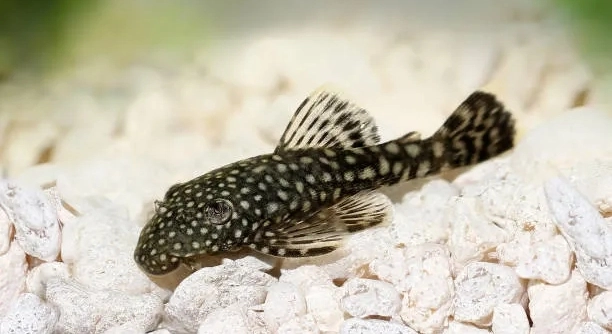
Is your pleco constantly hovering near the air stone in your aquarium? Observing this behavior is common among plecos, and many owners notice it early. This small detail can reveal important information about your fish’s health and environment.
Plecos often stay near the air stone due to higher oxygen levels and water movement. The aeration creates a more comfortable microenvironment, allowing the fish to breathe easily, regulate stress, and maintain proper metabolism in conditions that might otherwise feel stagnant.
Understanding this behavior can improve your tank setup and overall fish wellbeing. Small adjustments can make a noticeable difference in your pleco’s comfort.
Reasons Plecos Favor the Air Stone
Plecos are naturally drawn to areas with higher oxygen levels and water movement. The bubbles created by the air stone improve oxygenation, which plecos rely on for proper respiration. They often gather there when the rest of the tank feels calm or stagnant. In addition, the constant water movement mimics river currents in their natural habitat, offering a sense of security. Some plecos may even enjoy the gentle massage effect from the bubbles. Temperature can also play a role. Warmer water holds less oxygen, so plecos may cluster near the air stone where oxygen levels are slightly higher. Monitoring their behavior can help you understand if this preference is normal or a sign of environmental stress. Regular water testing and observing feeding and swimming habits will give a fuller picture of your pleco’s needs and comfort in the tank environment.
This behavior is normal for plecos and usually indicates they are seeking better oxygen and flow conditions in the tank.
Plecos’ preference for the air stone is influenced by multiple factors. Oxygen levels are crucial, but so is tank layout. Objects, hiding spots, and water filtration patterns all shape where plecos feel safe. Overcrowding or poor water quality can also push them toward the bubbles. By ensuring the tank has sufficient hiding areas, stable temperatures, and a balanced flow, you create an environment where plecos can explore beyond the air stone. Observing how often they leave this area can indicate overall comfort and health, helping you adjust feeding schedules, lighting, and aeration to meet their natural instincts.
How to Encourage Exploration Away from the Air Stone
Adding plants, driftwood, and other hiding spots provides alternative areas for plecos to explore and rest. These additions make the tank more stimulating and comfortable for them.
Carefully arranging the tank to mimic natural riverbeds can encourage plecos to move more. They are more likely to swim throughout a tank with varied textures, shaded areas, and gentle water currents. Introducing feeding zones away from the air stone can also help. Live or fresh vegetables placed in different areas give them reason to leave the high-oxygen zone temporarily. Monitoring water parameters is essential, as plecos will remain near the air stone if oxygen is low or water quality is poor. Regular maintenance, including partial water changes, ensures a healthier environment and reduces their dependence on the bubbles. Over time, these small adjustments encourage natural behavior and create a balanced habitat where plecos feel secure yet active.
Common Misconceptions About Pleco Behavior
Many people assume plecos stay near the air stone because they are unhealthy or stressed. In most cases, this is not true. Plecos are simply responding to higher oxygen levels and water flow, which help them feel comfortable and secure in their tank environment.
Plecos often prefer spots with consistent water movement. This behavior is natural and reflects their wild habitat, where currents and aeration are present. Observing them consistently near the air stone does not automatically indicate illness. Poor water quality, lack of hiding spots, or irregular feeding schedules can influence their positioning, but healthy plecos will often choose the air stone purely for comfort. Monitoring other indicators, such as appetite, coloration, and activity levels, helps distinguish normal behavior from potential problems. Understanding these distinctions allows you to adjust tank conditions appropriately without unnecessary concern.
It is also important to recognize that plecos have individual preferences. Some enjoy staying near the bubbles longer, while others explore the tank more actively. Temperature fluctuations, lighting, and tank size can affect how often they leave the air stone. Ensuring that the tank mimics their natural environment, with shaded areas and gentle currents, encourages balanced movement. By observing and adjusting these conditions, you support both their health and natural instincts, allowing plecos to thrive without constant interference.
Improving Tank Conditions for Plecos
Consistent water quality and adequate aeration make the tank more comfortable for plecos. Proper filtration and oxygen levels reduce the need to cling to the air stone.
Balancing tank conditions requires attention to temperature, flow, and structure. Plecos prefer cooler areas with hiding spots, driftwood, or smooth surfaces to graze on. Uneven temperatures or stagnant areas can push them toward the air stone for better oxygenation and comfort. Regular water changes maintain optimal chemical balance, preventing stress and encouraging exploration. By arranging objects strategically, plecos can find alternative resting spots, promoting natural movement throughout the tank. Observing their patterns helps identify areas needing improvement.
Creating a diverse environment supports both mental and physical health. Providing a variety of surfaces for grazing, shaded zones, and gentle currents reduces dependence on the air stone. Feeding routines can be adjusted to encourage activity in different areas of the tank. Plants and driftwood not only offer security but also contribute to water quality and oxygenation. By maintaining stable conditions and offering environmental enrichment, plecos can distribute more evenly, explore freely, and express natural behaviors, enhancing both their wellbeing and the overall aesthetic of the aquarium.
Signs Your Pleco Is Comfortable
A pleco that stays near the air stone but remains active, eats well, and shows normal coloration is generally healthy. The behavior often reflects comfort, not stress or illness. Observing other signs is key to understanding overall wellbeing.
Healthy plecos may still explore the tank occasionally, even if they favor the air stone. Regular activity, grazing, and interaction with tank features indicate that their preference for bubbles is normal and safe, supporting proper growth and metabolism.
Adjusting Water Flow
Too strong a current in other areas of the tank can push plecos toward the air stone. Gentle, consistent flow encourages movement and prevents clustering in one spot. Proper pump placement and adjustable flow can help balance conditions across the aquarium.
Providing Alternative Oxygen Sources
Adding plants and additional aeration points can reduce over-reliance on a single air stone. Multiple sources of oxygen give plecos options for comfort and reduce stress in densely stocked tanks.
FAQ
Why does my pleco stay near the air stone all the time?
Plecos often remain close to the air stone because it provides higher oxygen levels and gentle water movement. This area feels safer and more comfortable, mimicking currents in their natural habitat. They may linger there even when the rest of the tank is suitable, simply because it is convenient and familiar.
Is it a sign of illness if my pleco stays near the air stone?
Not necessarily. If your pleco is eating, moving normally, and has vibrant coloration, its preference for the air stone is normal. Illness is more likely if you notice lethargy, loss of appetite, faded color, or unusual swimming patterns alongside clustering near the bubbles.
Can the air stone stress my pleco?
Usually, the air stone is not stressful. Many plecos actually enjoy the gentle currents created by bubbles. Stress may occur if the bubbles are extremely strong or the water movement is uneven, pushing the fish into one area constantly. Adjusting the air output can create a more comfortable environment.
How can I encourage my pleco to explore the rest of the tank?
Adding plants, driftwood, and shaded zones provides alternative resting and grazing areas. Positioning food in different areas away from the air stone encourages movement. Adjusting gentle water flow and providing stable water parameters helps plecos feel safe exploring other parts of the aquarium.
Does tank size affect pleco behavior near the air stone?
Yes, smaller or overcrowded tanks can increase clustering near the air stone because oxygen may be limited in other areas. A well-sized tank with sufficient hiding spots, water circulation, and filtration allows plecos to distribute more evenly and reduces dependency on a single aeration source.
Are there different types of plecos with varying air stone preferences?
Yes, some species are more active and exploratory, while others naturally linger in calmer zones. For example, common plecos often stick near air stones or surfaces with gentle flow, whereas bristlenose plecos may explore more. Understanding the species’ natural behavior helps predict preferences.
How important is water quality for pleco positioning?
Water quality is critical. Poor oxygen levels, high ammonia, or fluctuating pH can push plecos to areas with bubbles for better oxygenation. Regular water testing and maintenance, including partial water changes and proper filtration, ensure a healthier environment and reduce stress-induced clustering.
Can adding extra air stones help my pleco?
Adding multiple aeration points can reduce reliance on a single air stone. This allows the pleco to choose from several oxygenated spots, distributing activity across the tank and promoting natural movement, while also supporting water circulation and gas exchange.
What else should I monitor if my pleco stays near the air stone?
Keep an eye on feeding habits, growth, and interactions with tank objects. Observe whether it occasionally explores other areas and maintains normal swimming patterns. Monitoring temperature, water flow, and oxygen levels ensures the tank supports healthy, balanced behavior.
How often should I adjust the tank setup to encourage pleco exploration?
Adjustments should be gradual. Moving decorations, modifying water flow, or changing feeding zones every few weeks allows plecos to adapt without stress. Sudden changes can create anxiety, so small, incremental improvements help them feel secure while encouraging natural behavior.
This FAQ provides a comprehensive understanding of why plecos favor the air stone and how to support their comfort, health, and natural instincts within the tank.
Final Thoughts
Observing your pleco near the air stone is often a normal part of its behavior. Plecos are naturally drawn to areas with higher oxygen levels and gentle water movement, which make them feel secure and comfortable. This behavior can resemble the currents and oxygen-rich zones of their natural river habitats. While it may seem like your pleco is fixated on one spot, staying near the bubbles is usually not a sign of distress or illness, especially if it maintains healthy eating habits, vibrant coloration, and normal swimming patterns. Understanding this behavior allows you to see that your pleco is adapting well to its environment rather than struggling within it. By observing how often it leaves the air stone or interacts with other areas, you can gain insight into its comfort level and general wellbeing, giving you confidence in your tank’s setup and the health of your fish.
Ensuring that your aquarium supports both oxygenation and exploration can improve your pleco’s overall quality of life. While the air stone provides a reliable oxygen source, it should not be the only area where your pleco feels comfortable. Adding driftwood, plants, and shaded zones gives the fish alternative resting and grazing areas. Arranging the tank in this way encourages natural movement and reduces dependence on one single spot. Regular maintenance, including monitoring water quality, adjusting temperature, and checking filtration, ensures that the entire tank provides stable and comfortable conditions. Observing your pleco’s behavior in combination with these adjustments helps you understand what it needs to feel safe and active. By making incremental changes, you create a balanced environment where your pleco can thrive, exploring freely while still benefiting from the oxygenated zones it naturally favors.
Finally, small details in tank setup can have a significant impact on your pleco’s habits. Water flow, tank size, hiding spots, and feeding routines all play a role in where your pleco chooses to spend its time. Gradually introducing multiple aeration points, rearranging objects, or adjusting feeding zones can guide your pleco toward more activity without causing stress. Understanding the species’ natural preferences and monitoring behavior over time allows you to create a comfortable, enriched environment. Your pleco’s tendency to linger near the air stone is not a problem but a behavior shaped by its instincts and surroundings. With careful observation, proper maintenance, and thoughtful adjustments, you can support both its health and natural behaviors, ensuring a harmonious and thriving aquarium.

Hello,
If you enjoy the content that we create, please consider saying a "Thank You!" by leaving a tip.
Every little bit helps us continue crafting quality advice that supports the health, happiness, and well-being of pets around the world, for pets of all shapes, sizes, and species.
We really appreciate the kindness and support that you show us!