
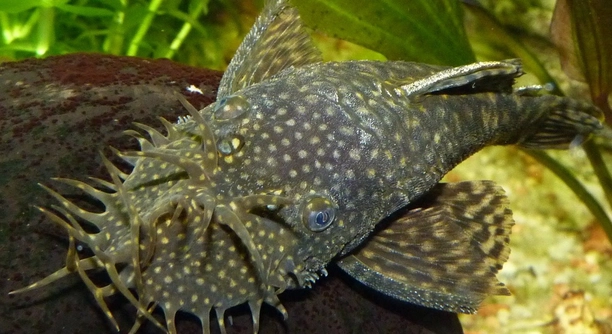
Do you ever notice subtle changes in your pleco’s behavior or appearance as time passes? These slow shifts can sometimes indicate that your fish is entering its later years, requiring a bit more attention and care.
As plecos age, observable signs such as slower movement, changes in coloration, reduced appetite, and altered fin condition can emerge. Monitoring these indicators allows owners to adjust care routines and maintain the fish’s health effectively.
Recognizing these signs early helps you support your pleco’s comfort and well-being, ensuring it continues to thrive in its aquatic environment.
Slower Movement
As plecos age, their activity levels often decline noticeably. You might observe your fish resting more frequently, taking longer to swim across the tank, or hesitating before exploring new areas. This slower movement is a natural part of aging, but it can also indicate that your pleco needs a little extra support. Providing areas with gentle currents and avoiding strong water flow can make swimming easier. Additionally, monitoring tank mates is important, as older plecos may struggle to compete for food with younger, more energetic fish. Adjusting feeding routines and ensuring that food is easily accessible can help maintain proper nutrition. Observing these changes early allows you to make small modifications that significantly improve your pleco’s comfort and reduce stress. A calm and stable environment benefits aging plecos, supporting their overall health while minimizing potential risks associated with slower movement and reduced stamina.
Slower swimming and longer resting periods are common signs of aging in plecos, requiring adjustments to care.
Creating a supportive environment ensures your older pleco can continue moving comfortably and feeding properly. Gentle currents, easy access to food, and a calm tank reduce stress and promote overall well-being. Maintaining a predictable routine allows your fish to adapt naturally to slower activity levels while staying healthy.
Changes in Appetite
Older plecos may show a reduced interest in food or take longer to eat.
A decreased appetite is a clear indicator of aging, signaling that metabolic changes are occurring. Observing feeding habits closely helps detect these shifts early. Some plecos may prefer softer foods or more frequent, smaller meals as they get older. Adjusting diet consistency and offering a variety of foods can help maintain nutrition. It’s also essential to ensure that food reaches all areas of the tank, especially if tank mates are faster eaters. Aging plecos may need supplements or specialized diets to support digestion and energy levels. By providing suitable food options and closely monitoring intake, you can support your pleco’s health and prevent nutritional deficiencies.
Tracking appetite changes allows you to respond proactively, keeping your pleco nourished and comfortable in its later years. Consistent observation and minor diet adjustments are key to maintaining longevity.
Fading Coloration
As plecos age, their vibrant colors often begin to dull or fade, especially along the body and fins. This is a natural aging process, though it can also indicate minor health changes that need attention.
Fading coloration is often more noticeable in plecos that were once bright and patterned. Over time, pigment cells in their skin gradually lose intensity, leading to a muted appearance. Environmental factors, such as lighting, diet, and water quality, can influence how quickly colors fade. Ensuring a stable tank environment and providing a nutrient-rich diet can help slow this process. While some color loss is inevitable, careful observation allows you to distinguish between normal aging and potential illness.
Maintaining water quality and a consistent feeding schedule supports your pleco’s skin and scales, helping preserve color for as long as possible. Gentle care can make the fading process gradual and less pronounced, allowing your fish to age comfortably without added stress.
Altered Fin Condition
Older plecos may show frayed or worn fins, which can occur naturally with age.
Fin deterioration in aging plecos can result from a combination of slow regeneration, minor injuries, and long-term exposure to tank conditions. Fins may appear shorter, frayed, or less rigid than when the fish was younger. Regular inspection of fins can help identify any infections or injuries that might complicate natural aging. Maintaining clean water and minimizing aggressive tank mates reduces additional stress on fragile fins. Nutritional support also strengthens fin tissue and encourages gradual repair over time.
Observing changes in fin condition allows adjustments to care, such as gentle water flow and safe hiding spaces. This attention helps protect older plecos from further fin damage and promotes healthier aging in the long term.
Reduced Activity at Night
Older plecos may become less active during their usual nocturnal hours. They may rest more often or move slowly across the tank.
This decline in nighttime activity is a natural part of aging. Fatigue and slower metabolism can make exploration less frequent, and they may prefer hiding spots for longer periods.
Weight Loss
Gradual weight loss can occur as plecos age, even if they continue eating normally.
Monitoring body shape is important. Aging plecos may appear thinner, with a less rounded belly and more pronounced spine. This can result from slower digestion, reduced nutrient absorption, or natural aging processes. Regular observation helps distinguish normal aging from health concerns, ensuring proper care and nutrition.
Changes in Skin Texture
Aging plecos may develop rougher or patchy skin areas, sometimes accompanied by minor scale irregularities.
FAQ
How can I tell if my pleco is truly aging or just stressed?
Observing behavior and physical appearance over time helps distinguish normal aging from stress. Slower movement, mild color fading, and slight fin wear usually indicate aging. Stress often shows sudden changes, such as erratic swimming, loss of appetite, or rapid color changes. Maintaining stable water parameters and a calm environment reduces stress and highlights natural age-related changes.
Should I change my pleco’s diet as it gets older?
Yes, older plecos may benefit from softer foods and smaller, more frequent meals. Aging fish can digest food more slowly, and dense or hard foods may be harder to eat. Including vegetables, algae wafers, and nutrient-rich supplements ensures they receive adequate nutrition while supporting digestion and energy levels.
Is it normal for my pleco to hide more often?
Increased hiding is common in older plecos. As they age, they may feel less energetic or seek safer spots. Providing plenty of hiding spaces, caves, and gentle tank areas allows them to rest without stress. Observing how often they eat and swim helps confirm whether hiding is purely age-related.
Do older plecos need different tank conditions?
Slight adjustments may help older plecos thrive. Reducing strong currents, maintaining stable water temperatures, and avoiding aggressive tank mates can make daily life easier. Clean water remains essential, but gentle filtration and accessible feeding areas support their comfort and health as activity levels decrease.
How often should I monitor my pleco’s health as it ages?
Frequent observation is important. Checking fins, body shape, color, and behavior every few days allows early detection of potential issues. Monitoring feeding habits and energy levels ensures nutrition and comfort. Keeping notes or photos can help track gradual changes and guide adjustments to care routines.
Can plecos live as long as 10–15 years in a home aquarium?
Yes, with proper care, many plecos live well beyond a decade. Maintaining consistent water quality, a balanced diet, and a calm environment supports longevity. Attention to age-related changes, such as slower movement or fading colors, ensures they remain healthy and comfortable in their later years.
What signs indicate a health problem rather than normal aging?
Rapid weight loss, sudden color changes, torn fins, or unusual lethargy may indicate illness rather than aging. Swelling, visible parasites, or frequent gasping at the surface should be addressed immediately. Promptly consulting a veterinarian or experienced aquarist ensures timely treatment and prevents complications.
How can I make my older pleco more comfortable?
Provide gentle water flow, soft surfaces, accessible food, and hiding spots. Avoid frequent tank rearrangements or aggressive companions. Maintaining a consistent routine and monitoring changes gradually reduces stress, helping your pleco enjoy its environment even as energy levels decline.
Are supplements necessary for aging plecos?
Supplements can help, particularly those supporting digestion, immune function, or overall vitality. Algae-based tablets, vegetable matter, and specialized mineral supplements aid in nutrient absorption and energy. Introduce them gradually, and monitor reactions to prevent overfeeding or digestive upset.
Can older plecos still breed or reproduce?
While aging plecos may retain reproductive capacity, fertility often declines. Mating behaviors may decrease, and egg production may reduce. Breeding older plecos requires optimal tank conditions and attentive care to support their energy and health during reproduction.
How do I know when my pleco needs extra veterinary care?
Persistent lethargy, rapid fin deterioration, abnormal swelling, or prolonged loss of appetite warrants professional attention. Early intervention can prevent serious complications, improve recovery chances, and ensure your pleco maintains comfort in its later years.
Caring for an aging pleco requires attention, observation, and small adjustments in their daily environment. Over time, plecos show changes in movement, appetite, color, and fin condition that are natural parts of aging. These shifts may seem subtle at first, but noticing them early allows you to provide a supportive environment that meets your fish’s changing needs. Making minor modifications, such as adjusting feeding routines or creating gentle water flow areas, can greatly improve the comfort and well-being of an older pleco. While the aging process cannot be stopped, you can ensure that your pleco remains active, nourished, and as healthy as possible throughout its later years. Paying attention to gradual changes rather than sudden shifts also helps distinguish normal aging from potential health problems, giving you the opportunity to intervene early if needed.
Providing proper nutrition and maintaining clean, stable tank conditions are essential for aging plecos. As metabolism slows, older plecos may benefit from softer foods, smaller meals, or algae-based supplements to support digestion and energy levels. Balanced nutrition helps prevent weight loss and supports the repair of frayed fins and fading skin coloration. Water quality should be consistently monitored, as older fish may be less resilient to minor fluctuations. Gentle filtration, controlled currents, and adequate hiding spots help reduce stress while keeping the tank comfortable. A predictable routine allows older plecos to thrive, maintaining both their physical health and their natural behaviors. Through careful observation and thoughtful care, you can extend your pleco’s comfort and enjoyment of its habitat, allowing it to age naturally while minimizing unnecessary stress or strain.
Finally, attention and patience are key when supporting an older pleco. Changes in activity, feeding, or appearance are part of the natural life cycle, but each pleco ages differently. Some may remain active and vibrant for many years, while others may slow down more quickly. Understanding the signs of aging, adjusting care routines, and monitoring for potential health concerns all contribute to a smoother transition into the later stages of life. Observing your pleco daily, maintaining proper tank conditions, and responding to its changing needs creates a calm and safe environment. This approach not only supports physical health but also allows your pleco to maintain familiar behaviors, such as swimming, resting, and exploring its surroundings. By prioritizing comfort, nutrition, and gentle care, you ensure that your pleco’s later years are as healthy and stress-free as possible, reflecting both respect for its natural life cycle and commitment to responsible fishkeeping.

Hello,
If you enjoy the content that we create, please consider saying a "Thank You!" by leaving a tip.
Every little bit helps us continue crafting quality advice that supports the health, happiness, and well-being of pets around the world, for pets of all shapes, sizes, and species.
We really appreciate the kindness and support that you show us!