
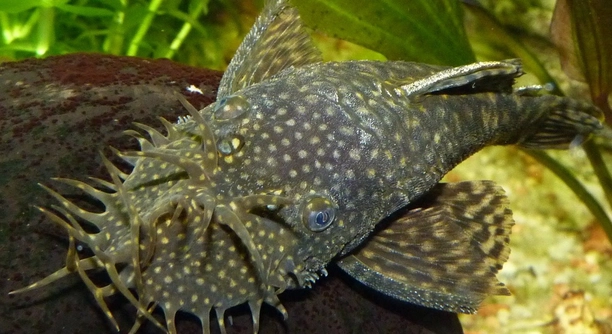
Breeding plecos can be a rewarding experience for any aquarium enthusiast, yet it often comes with unexpected challenges. Many factors influence their success, from water quality to tank environment, making careful attention essential for optimal results.
Pleco breeding success is largely determined by specific environmental and biological conditions. Key factors include water temperature and pH levels, tank size and layout, availability of hiding places, diet quality, and the overall health and maturity of breeding pairs, all contributing to reproductive outcomes.
Understanding these influences will help ensure a more successful and sustainable breeding process. The following guidance highlights the most important elements to consider.
Water Quality and Parameters
Maintaining stable water quality is essential for pleco breeding. These fish are sensitive to fluctuations in pH, hardness, and ammonia levels. Even small changes can stress them, reducing their willingness to spawn. Regular testing and careful adjustments create a safe environment, encouraging natural breeding behaviors. Temperature stability is equally important. Most plecos require slightly warmer water, typically between 78–86°F, to trigger spawning. Additionally, soft, slightly acidic water often mirrors their natural habitat and improves egg viability. Filtration is necessary to remove waste, but avoid strong currents, as plecos prefer calmer conditions. Clean water reduces the risk of disease and supports the health of both adults and fry. Adding plants and hiding spots also contributes to water stability by providing surfaces for biofilm growth, which plecos graze on. By paying attention to these details, breeding success improves noticeably. Regular observation ensures any changes in behavior or water quality are addressed promptly, helping create optimal conditions for reproduction.
Proper water maintenance directly impacts breeding success, influencing both adult behavior and egg survival.
Keeping water clean, stable, and correctly balanced is a foundational step in supporting pleco reproduction. Monitoring temperature, pH, and hardness ensures the environment matches their natural preferences. Gradual adjustments prevent stress, and providing gentle filtration along with hiding places encourages spawning. Regular care allows you to identify issues early, creating a more reliable breeding setup. The presence of biofilm on surfaces benefits feeding for fry and adult plecos alike. By maintaining these conditions, you establish a controlled, supportive environment that increases the likelihood of successful mating and healthy offspring. Observing their activity patterns helps fine-tune water parameters and tank setup, ensuring the plecos feel secure. Over time, careful water management becomes routine, promoting consistent breeding results without unnecessary interventions or chemical treatments.
Diet and Nutrition
A balanced, nutrient-rich diet is vital for triggering breeding behaviors.
Proper nutrition affects reproductive readiness, stamina, and egg quality.
Feeding a variety of fresh vegetables, algae wafers, and protein sources ensures plecos receive essential vitamins and minerals. Occasional live or frozen foods can stimulate natural hunting instincts and provide extra energy for spawning. Consistent feeding schedules help maintain health and reduce stress, which is critical for breeding. Avoid overfeeding, as leftover food can deteriorate water quality, indirectly affecting reproductive success. Observing preferences allows you to tailor their diet to support optimal conditioning. Healthy, well-fed adults are more likely to display pairing behaviors, build nests, and produce viable eggs. Diet is not just about quantity but the right balance, combining plant matter with protein sources to mimic their natural feeding habits. Proper nutrition enhances overall vitality, promoting longer life spans and more frequent spawning cycles. Adjusting diet seasonally or during conditioning periods can further encourage breeding, giving your plecos the best chance at successful reproduction.
Tank Setup and Hiding Spots
Adequate hiding spots reduce stress and encourage breeding. Caves, driftwood, and dense decorations provide safe areas for plecos to lay eggs and retreat when needed.
The layout of the tank plays a critical role in breeding success. Plecos are territorial, and providing multiple caves or crevices prevents aggression between pairs. Driftwood and rocks offer surfaces for biofilm growth, which plecos graze on while preparing for spawning. Adequate space allows each fish to establish its own territory, reducing conflicts and improving mating behavior. Substrate choice also matters; smooth sand or fine gravel prevents injury to delicate fins and eggs. Observing where plecos naturally spend most of their time can guide rearrangement of the tank to mimic comfort zones.
Lighting and plant placement can further enhance the environment. Low, indirect lighting reduces stress, while floating plants create shaded areas that feel secure. Open swimming spaces alongside hiding spots balance activity and rest areas, supporting overall health and readiness to breed. By carefully arranging the tank with these considerations, you create a stable, natural-feeling habitat that plecos respond to instinctively.
Breeding Pair Selection
Choosing compatible plecos increases chances of spawning success. Look for healthy, mature individuals with compatible temperaments.
Age, size, and health are key in selecting a breeding pair. Adults typically need to be at least one to two years old and show vibrant coloration and strong fins. Observing behavior helps identify compatibility; some plecos may not tolerate certain tankmates, while others will pair readily. Avoid pairing fish from different water conditions or origins, as this can reduce egg viability. Physical condition matters—fins should be intact, bodies free from disease, and weight appropriate. Breeding success is higher when both fish display signs of reproductive readiness, such as increased activity and territorial behavior.
Once a compatible pair is identified, monitor interactions closely. Introduce them gradually if possible, allowing adjustment to shared territory. Provide multiple caves and hiding areas to reduce stress and aggression. Conditioning with a high-quality diet enhances energy levels and reproductive readiness. Over time, patience and careful observation help confirm the pair’s willingness to spawn, ensuring a more predictable breeding process. By focusing on compatibility, health, and environment, breeding outcomes improve significantly.
Water Flow and Filtration
Plecos prefer calm water near breeding sites. Strong currents can stress them and reduce spawning activity.
Gentle filtration keeps water clean without creating turbulence. Adjusting flow to low or moderate settings near caves helps plecos feel secure and encourages natural behaviors.
Temperature Fluctuations
Stable temperatures are crucial for triggering breeding. Sudden drops or rises can halt spawning entirely. Most plecos thrive in slightly warmer water, around 78–86°F, depending on species. Gradual adjustments can simulate seasonal changes, signaling readiness for reproduction and improving egg viability. Consistency supports overall health, reducing stress-related complications that may prevent mating.
Monitoring and Observation
Regular observation ensures breeding progress is on track. Watch for changes in behavior, territory establishment, and pairing patterns.
FAQ
How often do plecos breed?
Pleco breeding frequency depends on species, age, and environmental conditions. Some species may spawn several times per year if conditions are optimal, while others breed only once annually. Ensuring stable water quality, proper temperature, and a consistent diet encourages more frequent spawning cycles.
What is the ideal tank size for breeding plecos?
A larger tank reduces stress and allows multiple hiding spots, which is essential for breeding pairs. Typically, a 40–55 gallon tank works for smaller species, while larger plecos may require 75 gallons or more. Adequate space helps minimize territorial aggression and supports healthy egg development.
Can I breed plecos with other fish in the same tank?
It is possible, but not recommended. Plecos are territorial during breeding, and other fish can disturb nests or eat eggs. For best results, separate the breeding pair in a dedicated tank with hiding spots and calm water.
How long does it take for pleco eggs to hatch?
Hatching time varies by species and water temperature. Generally, eggs take between 4 to 10 days to hatch. Maintaining stable temperature, clean water, and minimal disturbances improves survival rates for the fry.
What should I feed pleco fry?
Fry feed on biofilm, algae, and specially prepared foods such as powdered spirulina or finely crushed flakes. Gradually introduce vegetables as they grow. Ensuring proper nutrition supports rapid growth and strengthens immunity against diseases.
How do I know if my plecos are ready to breed?
Mature plecos display active territorial behavior, inspect caves, and may guard specific areas. Males often darken in color or show fin flare displays. Observing consistent pairing behavior and preparation of nests indicates readiness.
What water conditions support pleco breeding?
Stable parameters are critical. Most plecos prefer slightly acidic to neutral pH (6.5–7.5), soft to moderate hardness, and temperatures between 78–86°F. Regular water changes and gentle filtration reduce stress and improve spawning success.
How can I prevent eggs from being eaten?
Provide secluded caves or PVC pipes as egg-laying sites. Removing other fish and observing males guarding eggs can help. Some aquarists separate eggs or move the male after spawning to reduce predation risk.
Do plecos need a specific season to breed?
Simulating seasonal changes with gradual temperature and light adjustments often triggers breeding behaviors. While plecos can breed year-round under controlled conditions, mimicking rainy or warmer seasons improves success rates for most species.
What are common problems in pleco breeding?
Stress, poor water quality, inadequate diet, or aggression can prevent spawning or damage eggs. Providing stable conditions, sufficient hiding spots, and proper nutrition reduces these risks. Monitoring behavior and tank conditions regularly ensures a healthier breeding environment.
How do I care for pleco fry after hatching?
Keep fry in clean water with gentle flow and provide plenty of small hiding areas. Feed specialized fry food and gradually introduce vegetables. Frequent water changes and careful monitoring prevent diseases and support strong growth until they are large enough for the main tank.
Can plecos breed without caves?
Caves or similar structures are highly recommended, as they provide security for both males and females. Some species may attempt to spawn on flat surfaces, but success rates are lower and eggs are more vulnerable to predation.
How long until fry are independent?
Fry typically become independent and start swimming freely after 2–3 weeks. During this period, ensure water quality, stable temperature, and a consistent food supply to support healthy development. Regular observation helps identify any issues early.
Is it necessary to condition plecos before breeding?
Conditioning with a high-quality diet and stable water conditions is important. Increasing protein-rich foods and maintaining optimal tank parameters prepares adults physically and hormonally, increasing the likelihood of successful spawning.
How do I know if eggs are healthy?
Healthy eggs are generally round, firm, and slightly translucent. Discolored, cloudy, or shriveled eggs often indicate fungal infection or poor water quality. Removing unhealthy eggs promptly prevents contamination of viable eggs.
Can plecos breed in community tanks?
While possible, it is not ideal. Community tanks introduce competition, stress, and egg predation risks. Dedicated breeding setups with controlled conditions ensure higher survival rates and reduce aggressive interactions.
What temperature changes encourage spawning?
Slightly raising or lowering water temperature by 2–3°F can mimic seasonal shifts. Gradual changes are safer than sudden adjustments and help stimulate natural reproductive behaviors in both males and females.
How do I handle aggression during breeding?
Aggression is natural when establishing territory. Providing multiple hiding spots and caves reduces conflict. In extreme cases, separating individuals temporarily may be necessary to prevent injury while still allowing breeding behaviors to continue.
How important is light for breeding plecos?
Moderate, consistent lighting is preferred. Too much light can stress plecos, while complete darkness may reduce activity. Floating plants or shaded areas help create a balanced environment conducive to natural spawning.
What are the signs that spawning is successful?
Males guarding eggs, females leaving the nest, and visible eggs attached to surfaces are indicators of success. Fry emerging after the typical incubation period confirms that reproduction has occurred. Regular monitoring ensures any issues are addressed promptly.
Can I breed multiple pairs in one tank?
It is risky. Territorial disputes can harm adults and eggs. If attempted, ensure plenty of hiding spots and separate caves for each pair, but success rates are lower than with dedicated single-pair setups.
What is the best substrate for breeding plecos?
Fine sand or smooth gravel is recommended. It prevents injury to delicate fins and eggs while supporting natural digging and grazing behaviors. Substrate choice also affects biofilm growth, which serves as an early food source for fry.
How often should water be changed during breeding?
Frequent, small water changes maintain stability and cleanliness. Large, sudden changes can stress adults or damage eggs. Maintaining gentle flow and removing uneaten food supports both adult health and fry survival.
How do I prevent fungal infections on eggs?
Clean water, stable temperatures, and removing dead or infected eggs quickly help prevent fungal growth. Some breeders use mild antifungal treatments, but proper tank maintenance is usually sufficient.
Can I breed plecos in a planted tank?
Yes, planted tanks provide hiding spots and surfaces for biofilm, but ensure dense vegetation doesn’t obstruct caves. Plants should be hardy to avoid uprooting during maintenance. Balancing plants and open spaces supports spawning and fry development.
How long should I wait before introducing a male to a female?
Gradual introduction is best. Allow each fish to adjust to the tank separately for several days. Slowly introduce visual contact before allowing shared space to reduce stress and increase compatibility.
What is the typical lifespan of plecos used for breeding?
Most common species live 10–15 years under proper care. Healthier, older adults can breed multiple times, but reproductive output may decrease with age. Regular maintenance and nutrition extend both lifespan and breeding potential.
Do plecos need specific minerals for breeding?
Yes, calcium and trace elements support egg shell development and fry growth. Providing mineral-rich foods or supplements improves reproductive health and enhances survival rates of offspring.
How can I tell if the male is guarding eggs properly?
A protective male stays close to the nest, fanning eggs with his fins to keep them oxygenated and removing debris. Frequent attention and defensive behavior indicate proper care and higher chances of successful hatching.
Can breeding plecos affect their health?
Breeding itself is natural, but stress, poor nutrition, or inadequate conditions can weaken adults. Ensuring optimal diet, clean water, and safe tank layout mitigates risks and supports both adult health and fry survival.
What should I do if eggs fail to hatch?
Check water parameters, remove any infected eggs, and evaluate diet and stress factors. Sometimes, eggs fail due to environmental inconsistencies or compatibility issues. Adjusting conditions and trying again with the same or different pair often improves success.
How do I introduce fry to a main tank?
Wait until fry are strong swimmers and large enough to avoid predation. Gradually acclimate them to water conditions of the main tank and provide adequate hiding spots. Monitor closely for early signs of stress or competition.
Can plecos breed without male involvement?
No, successful reproduction requires both male and female. Males guard eggs and provide care, making their presence essential for egg survival and hatching.
How do I clean a breeding tank without disturbing eggs?
Perform gentle, partial water changes with slow flow. Avoid moving decorations or caves, and use soft tubing for siphoning to prevent damage. Minimal disturbance keeps eggs and adults safe while maintaining water quality.
Are some pleco species easier to breed than others?
Yes, certain species spawn more readily under controlled conditions. Smaller species or those with well-documented captive breeding histories are generally easier, while rare or larger species may require more precise environmental control.
How can I tell if a fry is healthy?
Healthy fry are active, display consistent growth, and feed readily on provided foods. Weak, discolored, or inactive fry may indicate poor water quality or inadequate nutrition. Immediate corrective action improves survival chances.
Can temperature swings trigger spawning in plecos?
Gradual temperature changes can simulate seasonal cues, triggering breeding behavior. Sudden swings are harmful and may stress fish, so careful adjustment over days or weeks is recommended to mimic natural conditions.
Do plecos need a specific diet to start spawning?
High-protein foods combined with fresh vegetables help condition adults. Offering variety and consistency ensures both energy and nutrient requirements are met, improving readiness and egg quality.
How do I reduce stress during breeding?
Provide hiding spots, stable water conditions, and minimal disturbance. Avoid adding new fish, sudden changes, or excessive handling. Calm, predictable environments encourage natural breeding behaviors and higher survival of eggs and fry.
Can plecos breed in soft water only?
Many species prefer soft to moderately hard water. Extremely soft water may be tolerated if pH and temperature are stable, but slightly harder water often supports better egg development and fry survival.
Is it necessary to remove adults after eggs hatch?
Removing adults is optional and depends on species. Some males continue guarding fry, while others may eat them. Observation guides whether separation is necessary to protect young.
Do plecos need darkness during spawning?
Dim or moderate lighting helps reduce stress, allowing natural spawning behaviors. Complete darkness is unnecessary but shaded areas improve comfort and egg-laying activity.
How important is tank decoration for breeding success?
Decorations like caves, driftwood, and rocks provide essential hiding spots and surfaces for biofilm growth. Proper arrangement reduces aggression, supports egg-laying, and encourages natural behaviors, improving overall breeding outcomes.
Can breeding affect water chemistry?
Yes, increased feeding and waste during breeding can raise ammonia and nitrite levels. Regular monitoring and small water changes prevent harmful spikes, ensuring a healthy environment for both adults and fry.
How do I tell if a female is ready to spawn?
Females ready to spawn often appear plumper due to eggs and spend more time near potential nesting sites. Calm, consistent behavior and interest in male displays indicate reproductive readiness.
What role does biofilm play in breeding?
Biofilm serves as an early food source for fry and provides adults with nutrition during egg care. Surfaces like driftwood, rocks, and plants encourage its growth, supporting both feeding and spawning behaviors.
Are there signs that breeding conditions are unsuitable?
Stress behaviors, aggression, refusal to enter caves, or eggs being eaten indicate poor conditions. Adjusting water parameters, diet, and tank layout often restores a suitable environment for reproduction.
How do I maintain hygiene without stressing breeding plecos?
Gentle siphoning, partial water changes, and careful handling of decorations maintain cleanliness. Avoid sudden changes and minimize contact to reduce stress while keeping water parameters stable for successful breeding.
How long should I keep the breeding pair together?
Keep them together until eggs are laid and males are established in guarding behavior. Once fry are free-swimming or if aggression occurs, separation may be necessary to protect both adults and young.
Can multiple males guard the same eggs?
No, plecos are territorial. Only one male guards eggs effectively. Multiple males in the same space increase aggression and reduce the chance of successful hatching.
How important is consistency in feeding during breeding?
Consistent feeding ensures adults are healthy and energetic for breeding. Sudden changes or poor-quality food can reduce egg production, weaken adults, and lower survival rates of fry.
Should I remove uneaten food quickly?
Yes, leftover food can decompose and alter water quality, stressing adults and harming eggs. Removing uneaten portions helps maintain clean, stable conditions for breeding success.
Can plecos breed in tap water?
Yes, if treated to remove chlorine, chloramines, and heavy metals. Adjusting pH, hardness, and temperature ensures conditions mimic natural habitats for successful spawning.
Do plecos need seasonal light changes to breed?
Gradual changes in light duration can help simulate natural seasonal cues. Consistency and moderation are key to encouraging spawning behaviors without causing stress.
How do I prevent overpopulation if breeding is successful?
Plan ahead with tank space or find appropriate homes for fry. Controlled breeding ensures manageable numbers and maintains water quality while supporting healthy development.
What is the best way to introduce breeding cues?
Gradual adjustments in temperature, light, and diet act as natural signals. Avoid sudden changes, and maintain stable water parameters to stimulate reproductive behaviors safely.
Can stress prevent breeding entirely?
Yes, high stress from aggression, poor water quality, or frequent disturbances can halt spawning. Reducing stress through proper tank setup, hiding spots, and stable conditions improves reproductive outcomes.
Is there a preferred time of day for plecos to spawn?
Spawning often occurs during dim or low-light periods. While exact timing varies by species, calm, consistent lighting encourages natural behaviors and increases the likelihood of successful egg-laying.
How do I ensure long-term success in pleco breeding?
Maintain stable water quality, provide appropriate diet, and observe behavior consistently. Adjust tank layout as needed, monitor for disease, and separate fry appropriately to support healthy growth and repeatable breeding cycles.
Can plecos breed with a previous mate again?
Yes, compatible pairs may spawn multiple times. Maintaining stable conditions and a consistent diet increases the likelihood of repeated successful breeding events.
Do plecos need specific minerals during fry development?
Yes, trace minerals and calcium help fry develop strong bones and grow healthily. Supplements or mineral-rich foods support early development and overall survival rates.
What is the role of male plecos in egg care?
Males guard eggs, fan them for oxygen, and remove debris. Their care ensures higher hatching rates and protects eggs from fungal infections or accidental damage.
How do I balance feeding adults and fry?
Provide adults with sufficient protein and vegetables while offering fry small, appropriate foods. Monitor consumption to prevent overfeeding and maintain water quality. This balance ensures health for both groups.
Can breeding plecos tolerate slight pH changes?
Minor pH fluctuations are tolerated, but stability is important. Sudden shifts can stress adults and damage eggs, reducing spawning success and fry survival.
Are all pleco species equally easy to care for during breeding?
No, some species require very specific water parameters, diet, and hiding spots. Researching species-specific needs improves breeding success and reduces trial-and-error stress.
How do I know if eggs are fertilized?
Fertilized eggs are typically round, slightly translucent, and firm. Unfertilized eggs may appear cloudy, shriveled, or discolored, indicating no development will occur.
Can plecos breed in a bare-bottom tank?
Yes, but providing caves and surfaces for biofilm is crucial. Bare-bottom tanks simplify cleaning but require artificial hiding spots to ensure security during spawning.
What signs indicate fry are ready to leave the nest?
Fry become more active, swim freely, and begin grazing on surfaces. Observing feeding behavior and consistent swimming patterns helps determine when they are ready for broader tank access.
How often should I monitor the tank during breeding?
Daily observation is recommended. Monitoring water parameters, adult behavior, and egg condition ensures timely interventions and supports a higher rate of successful hatching.
Can plecos breed in hard water?
Some species tolerate harder water, but soft to moderately hard water is usually preferred. Matching species-specific preferences improves egg viability and fry survival.
Do plecos need specific oxygen levels for breeding?
Yes, well-oxygenated water supports both adults and developing eggs. Gentle aeration or male fanning behavior helps maintain proper oxygen levels.
How do I prevent fungal outbreaks on fry?
Clean water, proper diet, and removing uneaten food minimize fungal growth. Observing fry closely and maintaining stable parameters ensures healthy development.
Can breeding affect adult pleco behavior long-term?
Breeding may increase territoriality temporarily. With stable conditions and adequate hiding spots, adults usually return to normal behavior after the spawning period.
How important is tank depth for breeding plecos?
Depth matters less than horizontal space and hiding spots. Sufficient floor area allows territory establishment and egg-laying, supporting natural behaviors and reducing aggression.
Do plecos require specific minerals in water for egg development?
Calcium and trace minerals improve egg quality and fry growth. Water enrichment or dietary supplementation supports reproductive success and healthy offspring development.
Can plecos spawn multiple times in a year?
Yes, under optimal conditions, some species can spawn repeatedly. Stable water, proper diet, and adequate hiding spots increase the likelihood of multiple breeding events.
Is it necessary to separate fry by size?
Yes, if fry vary greatly in size, separation prevents larger individuals from outcompeting or harming smaller ones. It ensures more uniform growth and higher survival rates.
How do I reduce egg mortality?
Maintain stable water, remove dead eggs, provide adequate hiding spots, and ensure the male guards effectively. Monitoring conditions regularly reduces risks and improves hatching success.
Can plecos breed in slightly cloudy water?
Mild cloudiness is tolerable, but prolonged poor water quality stresses adults and may harm eggs. Clear, clean water supports healthier breeding outcomes.
Do plecos need a specific type of cave?
Smooth, enclosed caves of appropriate size work best. Open or rough surfaces can damage eggs or discourage spawning. Providing multiple options allows choice and reduces competition.
How long do plecos guard eggs?
Males usually guard until eggs hatch, typically 4–10 days. Observing consistent attention ensures higher hatching rates and healthier fry.
Can plecos breed in a community aquarium without removal?
Possible, but success is lower. Eggs risk predation, and adult aggression may increase. Dedicated breeding setups improve survival and reduce stress.
How can I tell if the male is stressed?
Signs include hiding excessively, erratic swimming, or abandoning eggs
Breeding plecos can feel challenging at first, but with careful attention, it becomes manageable. The key is creating a stable, supportive environment that meets their natural needs. Proper water parameters, a balanced diet, and adequate hiding spots are the foundation for successful breeding. Plecos are sensitive to changes in temperature, pH, and water quality, so maintaining consistency is crucial. Sudden shifts or poor conditions can stress them, reducing the likelihood of spawning or affecting egg survival. By observing their behavior and adjusting tank conditions gradually, you can create a habitat that encourages natural reproductive behavior. Even small adjustments, like rearranging caves or monitoring water flow, can make a noticeable difference. These details may seem minor, but they directly impact the health of both adults and fry.
Selecting compatible breeding pairs is another important factor. Healthy, mature plecos that display signs of reproductive readiness are more likely to breed successfully. Males guard eggs and prepare nesting sites, while females need proper nutrition and space to lay eggs. Watching their interactions closely helps identify compatible pairs and prevent aggression. Providing multiple hiding spots and observing behavior ensures the pair can establish territories without conflict. Conditioning the fish with a high-quality diet of vegetables, protein, and occasional live or frozen foods strengthens their stamina and increases the chances of successful spawning. It is also important to monitor the eggs and fry carefully. Removing uneaten food, dead eggs, and maintaining clean water reduces the risk of fungal infections and improves survival rates. A well-prepared tank and attentive care help plecos feel secure and supported, leading to higher reproductive success.
Patience and observation are essential throughout the breeding process. Breeding plecos is not always immediate, and outcomes can vary depending on species, tank conditions, and individual fish behavior. Adjusting water parameters slowly, maintaining stable conditions, and providing proper nutrition all contribute to consistent results over time. Watching their activity, territory establishment, and pairing behaviors allows you to respond quickly to any issues that may arise. Fry care is equally important, including appropriate food, gentle water flow, and safe hiding spots. By paying attention to these factors and staying consistent with maintenance, you can encourage natural breeding behaviors while protecting the health of both adults and offspring. Over time, this careful approach leads to a more predictable and successful breeding experience, creating a thriving environment for plecos to reproduce and grow.

Hello,
If you enjoy the content that we create, please consider saying a "Thank You!" by leaving a tip.
Every little bit helps us continue crafting quality advice that supports the health, happiness, and well-being of pets around the world, for pets of all shapes, sizes, and species.
We really appreciate the kindness and support that you show us!