
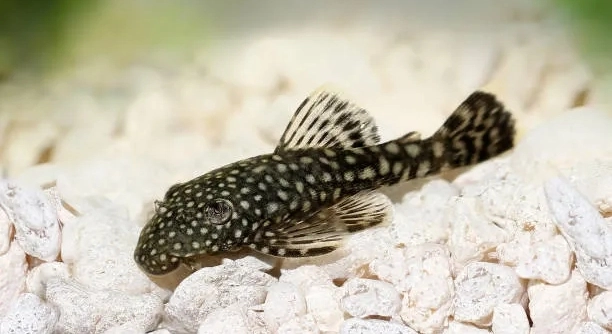
Bristlenose plecos are popular freshwater fish, known for their algae-eating abilities and unique appearance. Many aquarists enjoy watching them glide along tank surfaces, but their sensitivity to their environment is often overlooked.
Bristlenose plecos can indeed sense vibrations in their surroundings. They detect these movements through specialized sensory organs called neuromasts, which are part of the lateral line system. This system allows them to respond to water disturbances and potential threats efficiently.
Recognizing how plecos perceive vibrations can improve tank care and enhance their overall well-being in a home aquarium.
How Bristlenose Plecos Sense Vibrations
Bristlenose plecos rely heavily on their lateral line system to detect vibrations in water. This system runs along their body and contains neuromasts, tiny sensory organs that pick up movement and pressure changes. When something disturbs the water, the fish can sense it almost instantly. Vibrations may come from swimming tank mates, water currents, or nearby tapping and movements outside the tank. By detecting these signals, plecos can adjust their behavior, hiding in caves, moving to calmer areas, or preparing to defend themselves if necessary. In addition, these vibrations help them locate food particles floating through the water. Even small disturbances, like a hand moving near the tank, can trigger a reaction, though it is usually subtle. Understanding this ability allows caretakers to create a calmer environment, reducing stress and promoting natural behavior. Plecos that live in quieter tanks tend to be more active and healthier overall.
Recognizing vibration sensitivity helps maintain a peaceful habitat for plecos, ensuring they feed and behave naturally.
Managing vibration levels in the aquarium is essential. Reducing sudden noises, limiting tapping, and avoiding aggressive water currents keeps plecos comfortable and encourages normal activity patterns.
Practical Tips for Tank Vibration Control
Minimizing vibrations helps plecos feel secure and reduces stress-related behaviors.
Use gentle water flow, avoid knocking the tank, and position it on a stable surface to maintain calm. Avoid placing heavy equipment nearby that can cause tremors or sudden shifts in water movement. Tank decorations should also be arranged to reduce sudden collisions or rattling. Observing how plecos react to different disturbances will guide adjustments. Some fish may hide when sensing even mild vibrations, while others remain active. Small changes can make a noticeable difference in comfort levels. Reducing external vibrations creates a stable environment where plecos can explore, graze on algae, and interact with their surroundings naturally. Consistent routines and careful placement of items in or around the tank will help maintain a low-stress habitat, supporting their overall health.
A stable, low-vibration tank promotes long-term pleco activity and overall well-being. It also improves feeding habits, encourages natural movement, and reduces unnecessary hiding behavior.
Managing vibrations involves observing the pleco’s reactions, adjusting water pumps or filters, and carefully positioning the tank. Even minor shifts can alter water pressure and create subtle vibrations. Ensuring tank stability often includes placing it on padded or vibration-dampening surfaces, monitoring pump flow, and spacing decorations to minimize contact or movement. Regular maintenance should be done with care to avoid startling the fish. Gradually introducing changes allows plecos to adapt without stress. By keeping the environment consistent and calm, plecos are more likely to show natural behaviors like grazing and exploring rather than hiding or remaining inactive. Understanding how sensitive they are to water movement helps in creating a habitat that closely resembles their natural conditions, supporting both physical health and behavioral enrichment.
Signs Your Pleco is Reacting to Vibrations
Sudden hiding, rapid fin movements, or changes in grazing patterns often indicate your pleco is sensing vibrations. Even small disturbances can trigger these reactions, showing how sensitive they are to shifts in their environment.
Observing plecos over time helps identify consistent patterns in response to vibrations. Some plecos may retreat to caves or cling to surfaces, while others swim away or pause feeding temporarily. Changes in lighting, water movement, or tank activity can all cause subtle but noticeable reactions. By tracking these behaviors, you can better understand what triggers stress or discomfort. Reducing these triggers supports calmer, more natural behavior.
Not all plecos respond the same way. Personality, tank setup, and previous experiences can influence reactions. Some may tolerate mild vibrations with little response, while others are more cautious. Ensuring hiding spots, stable surfaces, and gentle water flow allows plecos to adjust safely. Observing their behavior and making gradual adjustments helps create a stable environment where they can thrive without unnecessary stress.
How to Support a Sensitive Pleco
Providing secure hiding spots and stable water conditions reduces stress for plecos. They rely on calm environments to feed and explore confidently.
Positioning caves, driftwood, or plants strategically gives plecos retreat areas when vibrations occur. Maintaining gentle water flow and avoiding sudden movements around the tank prevents startling them. Filters and pumps should operate smoothly, and heavy objects near the tank should be minimized to reduce vibrations. Observing their reactions allows small adjustments that make a noticeable difference. Creating a predictable environment helps plecos feel safe, encouraging normal grazing and movement patterns.
Consistency in care is crucial for sensitive plecos. Regular feeding schedules, stable temperatures, and minimal disturbances strengthen their sense of security. Avoid tapping or knocking the tank, and monitor water equipment for vibrations that may go unnoticed. Even subtle environmental changes, such as repositioning decorations or adjusting lighting, can affect behavior. Gradual adjustments and careful observation ensure the pleco adapts without stress. Providing multiple hiding spots and low-current areas allows them to escape or rest when needed. Maintaining calm conditions helps plecos develop trust in their environment, promoting long-term health, natural activity, and steady feeding habits.
Adjusting Tank Placement
Placing the tank on a sturdy, vibration-free surface minimizes stress for plecos. Avoid areas with frequent foot traffic or nearby appliances that create subtle tremors in the water.
Even small shifts in the tank’s position can disturb sensitive plecos. Keeping the tank in a quiet, stable spot helps them feel secure and encourages natural behavior.
Choosing Appropriate Decorations
Smooth rocks, driftwood, and dense plant cover provide both hiding spaces and surfaces to reduce water turbulence. These items allow plecos to respond to vibrations without panicking. Properly arranged decorations can help distribute water flow evenly, preventing sudden disturbances that may startle the fish.
Monitoring Water Flow
Plecos react strongly to sudden currents. Using adjustable filters or gentle flow pumps ensures water movement is consistent and calm, reducing stress.
FAQ
Can Bristlenose Plecos feel vibrations from outside the tank?
Yes, plecos can detect vibrations originating outside the tank. Their lateral line system is highly sensitive and picks up even subtle movements in the water. This includes vibrations caused by footsteps, tapping on the glass, or objects moving near the aquarium. While these disturbances are usually minor, repeated or strong vibrations can stress the fish, causing them to hide or reduce activity. Observing how plecos respond to external vibrations can help in positioning the tank in a calm, stable area, ensuring their comfort and promoting normal behavior patterns.
Do all plecos respond to vibrations the same way?
Not all plecos react identically to vibrations. Individual personality, past experiences, and the tank environment all influence responses. Some may hide immediately when sensing even mild vibrations, while others continue feeding or exploring with minimal reaction. Tank setup also plays a role; plecos with ample hiding spots or calm water flow are less likely to show stress responses. Understanding your specific pleco’s behavior helps in making adjustments that suit its sensitivity and ensures a comfortable environment where natural behaviors are encouraged.
How can I reduce stress caused by vibrations?
Reducing vibrations involves both tank placement and equipment management. Place the aquarium on a sturdy, low-traffic surface to minimize tremors. Avoid areas near heavy appliances or doors that create sudden shocks. Smooth and stable decorations help buffer water movement. Adjusting filter and pump flow to gentle, consistent levels also prevents strong currents that may startle plecos. Gradual environmental changes and careful observation are key to ensuring plecos remain calm and healthy.
Do vibrations affect pleco feeding habits?
Yes, vibrations can disrupt feeding. When plecos sense disturbances, they may pause grazing or retreat to hiding spots. Frequent interruptions can reduce overall food intake and affect health over time. By creating a stable, low-vibration environment and providing predictable feeding schedules, plecos can maintain normal feeding behavior without stress-related interruptions.
Are plecos more sensitive to certain types of vibrations?
Plecos are especially responsive to sudden or irregular vibrations, such as tapping on glass or abrupt water splashes. Constant, gentle water movement from filters is less stressful and often tolerated well. Understanding which types of vibrations trigger reactions allows you to make targeted adjustments in the tank environment.
Can plecos adapt to vibrations over time?
Some plecos gradually adapt to consistent, low-level vibrations, but they remain sensitive to sudden or strong disturbances. Providing predictable environmental conditions, hiding spots, and calm water flow encourages adaptation without causing chronic stress. Observation is key to knowing when the fish are adjusting and when intervention is needed.
Do vibrations impact pleco health long-term?
Chronic exposure to strong or frequent vibrations can lead to stress, weakened immune response, and reduced activity. Ensuring a calm, stable environment supports both mental and physical health. Proper care, low-vibration placement, and gentle water flow help prevent long-term stress effects.
Can plecos sense vibrations from other fish?
Yes, plecos detect vibrations from tank mates. Active or aggressive fish can create currents and movement that plecos perceive through their lateral line system. Providing adequate space, hiding spots, and calm tank mates reduces stress and allows plecos to feel secure while interacting naturally.
Is water depth important for vibration sensitivity?
Water depth affects how vibrations travel through the tank. Shallower tanks may transmit vibrations more directly, while deeper tanks can buffer some disturbances. Ensuring a stable setup with consistent water conditions reduces stress and supports plecos’ natural responses.
How do I know if vibrations are causing stress?
Signs include frequent hiding, reduced feeding, rapid fin movement, or unusual swimming patterns. Monitoring behavior closely and comparing it with changes in tank activity helps determine whether vibrations are a factor. Making small adjustments and observing responses can improve comfort and overall well-being.
This FAQ provides detailed guidance to help manage pleco sensitivity to vibrations, ensuring a calmer environment, healthier behaviors, and long-term well-being.
Final Thoughts
Bristlenose plecos are fascinating fish with unique behaviors, and their sensitivity to vibrations is an important aspect of their care. These fish rely on their lateral line system to sense changes in their environment, which helps them navigate, find food, and avoid potential threats. Even small disturbances in the tank, such as tapping on the glass or sudden water movements, can trigger reactions like hiding, clinging to surfaces, or temporarily stopping their grazing. Understanding this sensitivity allows caretakers to make small but meaningful adjustments to the aquarium setup. By minimizing sudden disturbances and providing a stable environment, plecos can live more comfortably and exhibit natural behaviors, which improves both their physical health and overall well-being. Observing their responses over time also gives insight into their individual personalities, as some fish are naturally more cautious while others are more adaptable.
Creating a calm and secure environment for plecos involves several practical considerations. Tank placement is critical, as positioning the aquarium on a solid, vibration-free surface reduces external shocks from footsteps, appliances, or other daily activities. Decorations, such as smooth rocks, driftwood, and dense plants, not only provide hiding spots but also help buffer water movement, giving plecos safe areas to retreat when they sense disturbances. Maintaining gentle and consistent water flow through adjustable filters or pumps reduces sudden currents that might startle them. Additionally, regular observation of feeding patterns and behavior can indicate whether vibrations or other environmental factors are causing stress. Gradual adjustments and careful attention to the fish’s responses are key to ensuring a healthy, low-stress habitat where plecos can thrive without unnecessary anxiety.
Overall, understanding and respecting a pleco’s sensitivity to vibrations enhances the quality of care in a home aquarium. Simple steps, such as reducing sudden disturbances, arranging hiding spots, and maintaining calm water flow, can make a significant difference in their comfort. Plecos are more likely to explore, feed, and interact naturally when they feel secure, which contributes to a balanced and healthy tank environment. Consistency and careful observation play essential roles in achieving this, as plecos respond best to predictable routines and stable surroundings. By paying attention to these details, caretakers can support the long-term well-being of their plecos while enjoying their unique behaviors and contributions to the aquarium ecosystem. Providing an environment that prioritizes comfort and stability not only benefits the plecos physically but also encourages natural behaviors, making the aquarium a more harmonious and rewarding space.

Hello,
If you enjoy the content that we create, please consider saying a "Thank You!" by leaving a tip.
Every little bit helps us continue crafting quality advice that supports the health, happiness, and well-being of pets around the world, for pets of all shapes, sizes, and species.
We really appreciate the kindness and support that you show us!