
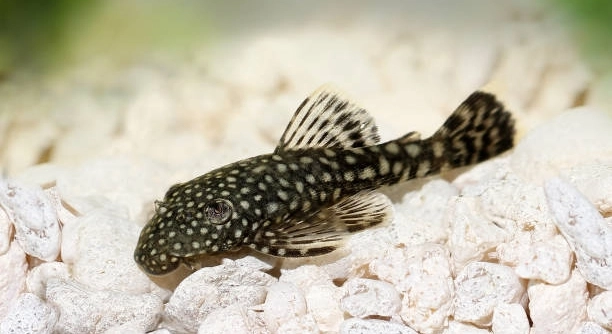
Keeping plecos in shared aquariums can be a rewarding experience, but it requires attention to their unique needs. Many fishkeepers enjoy the peaceful presence of plecos alongside other species in a community tank.
Proper management of plecos in shared aquariums involves monitoring tank size, water parameters, hiding spaces, diet, and tankmates. Ensuring environmental stability and minimizing stressors helps prevent aggression, disease, and competition for resources, promoting harmonious cohabitation and long-term health.
Following simple guidelines can make a big difference in your aquarium’s balance and your plecos’ wellbeing. Understanding their behavior and needs ensures a smoother experience for both you and your fish.
Choosing the Right Tank Size
Plecos grow quickly and need plenty of space to move around. A small tank can lead to stress and stunted growth. For a single pleco, a tank of at least 30 gallons is recommended, but larger species may need 75 gallons or more. Consider the other fish in your tank, as overcrowding can lead to territorial disputes. Open swimming areas, combined with hiding spots, allow plecos to feel secure and reduce stress. Regularly check the water volume to ensure it meets the needs of all tank inhabitants. Monitoring water quality becomes easier in appropriately sized tanks, which reduces the risk of illness. When setting up a new tank, plan for future growth rather than just the initial size. Remember that plecos are nocturnal, so they will use the space differently at night. A well-sized tank supports both their activity and their health.
A larger tank helps maintain water quality and reduces stress-related behaviors. Space is essential for multiple species.
Providing enough space prevents territorial fights and allows plecos to establish personal areas. Hiding places, driftwood, and plants make the tank feel natural, and the fish will thrive when they have room to swim freely while avoiding conflict with other fish.
Monitoring Water Parameters
Stable water parameters are critical for pleco health. They prefer slightly acidic to neutral water with a temperature range between 72°F and 82°F. Sudden changes in pH or temperature can cause stress or illness, which makes plecos more susceptible to disease. Regular testing of ammonia, nitrite, nitrate, and pH levels ensures that the environment remains safe. Filtration should be adequate for the tank size, and partial water changes should be done weekly to keep the water clean. Plecos produce a lot of waste, so paying attention to water quality is vital. Using a heater or chiller can help maintain a consistent temperature, especially in rooms with fluctuating conditions. Proper water flow and oxygenation are also important, as plecos need a well-oxygenated environment to thrive. Observing your fish daily helps detect early signs of stress, such as hiding more than usual or showing irregular feeding habits.
Consistent water care keeps plecos healthy and reduces disease risk in a shared aquarium.
Keeping water conditions stable benefits all tank inhabitants, especially plecos, which are sensitive to fluctuations. Using reliable test kits and maintaining proper filtration prevents ammonia spikes and nitrate accumulation. Scheduling routine partial water changes, typically 20–30% weekly, removes waste buildup. Heaters and aeration systems help maintain stable temperature and oxygen levels. Driftwood, plants, and substrate can also buffer minor pH changes naturally. Regular observation ensures plecos are active and eating well, while other fish are not stressed. A stable environment reduces aggression, supports immune health, and encourages natural behaviors like grazing. By understanding their sensitivity, caretakers can create an environment where plecos and other species coexist safely.
Providing Hiding Spots
Plecos need places to hide during the day to feel secure. Caves, driftwood, and dense plants create safe spaces. Hiding spots reduce stress and prevent conflicts with other fish, especially in shared aquariums with territorial species.
Driftwood is particularly important because plecos often graze on it. Hollow decorations or PVC pipes can also serve as shelters. Multiple hiding spots should be spread throughout the tank so no single fish feels trapped. Providing options for all tank inhabitants helps minimize aggression and allows plecos to establish their own territories. Monitoring how plecos use these spaces can guide future tank arrangement. Plants not only offer cover but also improve water quality by absorbing excess nutrients. Regularly cleaning and maintaining these hiding spots ensures they remain safe and usable. A well-structured tank with plenty of shelters supports natural behavior, making plecos more comfortable and active.
Proper placement of hiding areas encourages natural grazing, reduces stress, and prevents aggressive encounters. Plecos thrive when they feel secure, and the tank remains balanced for all fish.
Feeding and Nutrition
Plecos need a balanced diet including algae wafers, vegetables, and occasional protein. Feeding should be consistent, but avoid overfeeding, as excess food can pollute the water and lead to health problems.
Vegetables like zucchini, cucumber, and spinach are excellent staples. Algae wafers provide essential nutrients and simulate their natural grazing behavior. Some species benefit from occasional protein, such as shrimp pellets or bloodworms. Monitor how quickly plecos consume their food to adjust portion sizes and prevent leftovers from decomposing. Feeding at night matches their natural nocturnal habits, but they may also eat during low-light periods. Variety is important to prevent nutritional deficiencies. Removing uneaten food promptly protects water quality. Observing their appetite helps detect illness early, as lethargy or refusal to eat can indicate stress or disease. Consistent feeding routines create a healthy rhythm for all tank inhabitants.
Proper nutrition improves growth, coloration, and immune function. A varied diet keeps plecos healthy while supporting a clean tank environment and minimizing competition with other fish.
Choosing Compatible Tankmates
Plecos are generally peaceful, but some species can be territorial. Avoid aggressive fish that may harass them or compete for food. Peaceful community fish like tetras, gouramis, and rasboras usually coexist well.
Bottom dwellers like corydoras can share the same space without conflict. Monitor interactions, as even calm fish can occasionally chase or stress plecos.
Regular Tank Maintenance
Cleaning the tank regularly is essential to prevent waste buildup. Removing uneaten food, vacuuming the substrate, and changing 20–30% of the water weekly keeps the environment stable. Consistent maintenance reduces stress, supports healthy growth, and prevents disease outbreaks.
Observing Behavior
Watch plecos daily for unusual signs like hiding excessively, loss of appetite, or damaged fins. Early detection of issues allows timely interventions and helps maintain a harmonious aquarium.
FAQ
How many plecos can I keep in a shared aquarium?
The number of plecos depends on the tank size and species. Small plecos like bristlenose can live in a 30–50 gallon tank with one or two others, while larger species need more space. Overcrowding can lead to stress, poor water quality, and territorial conflicts. Always plan for the adult size of the pleco, not just the juvenile stage, and ensure hiding spots are available for each fish. Observing interactions regularly helps you decide if the tank can handle additional plecos or if adjustments are needed.
Can plecos live with aggressive fish?
Plecos can tolerate mild community fish but do not thrive with aggressive species that chase or nip fins. Aggressive fish can stress plecos, reducing feeding and overall health. Providing ample hiding spots can help, but it may not fully prevent conflict. Ideally, choose peaceful tankmates to maintain a calm environment. Plecos are nocturnal and spend a lot of time on the bottom, which sometimes helps them avoid mid- or top-level aggression. Monitoring behavior is essential, especially when introducing new fish, to ensure compatibility and prevent injuries.
What do plecos eat in a shared tank?
Plecos are omnivorous, with a diet of algae, vegetables, and occasional protein. Algae wafers are convenient and ensure essential nutrients, while zucchini, cucumber, and spinach supplement their grazing needs. Some species benefit from protein treats like shrimp pellets or bloodworms. Feeding at night aligns with their natural habits, but low-light feeding during the day can work if necessary. Portion control is important to avoid leftover food that pollutes the tank. Observing how plecos consume their meals helps adjust the diet and ensures all fish get enough nutrition without overfeeding.
How do I prevent pleco diseases?
Disease prevention relies on stable water parameters, clean tanks, and proper diet. Regular testing for ammonia, nitrites, nitrates, and pH helps maintain safe conditions. Partial water changes remove waste buildup, and proper filtration ensures adequate oxygenation. Avoid overcrowding and monitor for unusual behaviors, such as lethargy, clamped fins, or discoloration. Quarantining new fish before adding them to the main tank can prevent introducing pathogens. Early detection allows treatments to work more effectively. Keeping stress low and feeding a balanced diet also strengthens their immune system.
Do plecos need special lighting?
Plecos are nocturnal and prefer subdued lighting. Bright lights can stress them and cause them to hide excessively. Providing shaded areas or floating plants helps diffuse light. While normal aquarium lighting supports plant growth and other fish, plecos do not require strong illumination. Low-light periods encourage natural grazing and activity. Maintaining a consistent light schedule, typically 10–12 hours per day, supports the overall health of the aquarium ecosystem while respecting plecos’ natural behavior patterns.
How often should I clean pleco hiding spots?
Hiding spots like driftwood, caves, and pipes should be cleaned regularly but gently. Remove debris, leftover food, and algae buildup without using harsh chemicals. Cleaning once every few weeks or during partial water changes is usually sufficient. Over-cleaning can remove beneficial bacteria, so balance is important. Observing plecos while they use these areas ensures they remain functional and comfortable. Driftwood may soften over time, and inspecting it helps prevent decay or sharp edges that could harm the fish. Clean hiding spots contribute to a healthier, stress-free environment.
Can plecos coexist with shrimp or snails?
Plecos are generally compatible with most snails and larger shrimp, but small shrimp may be at risk depending on the pleco species. Peaceful plecos usually leave invertebrates alone, especially if hiding spots are available. Avoid placing delicate or slow-moving shrimp directly with large or aggressive plecos. Adding plenty of plants, driftwood, and caves ensures both plecos and invertebrates have space to retreat. Observing interactions during feeding and activity periods helps ensure safety. Compatibility improves when all tank inhabitants have access to food, shelter, and territory without constant stress.
How long do plecos live in a shared aquarium?
Plecos can live 10–15 years on average, with some species reaching over 20 years. Lifespan depends on proper tank size, water quality, diet, and low-stress conditions. Maintaining a stable environment, monitoring health, and avoiding aggressive tankmates all contribute to longevity. Feeding a balanced diet with sufficient vegetables, algae wafers, and occasional protein supports growth and immune function. Regular observation helps detect early signs of illness, preventing long-term complications. Providing ample space and hiding spots allows plecos to display natural behaviors, which also positively influences their overall lifespan.
What signs indicate plecos are stressed?
Stress signs include hiding excessively, loss of appetite, irregular swimming, or frayed fins. Sudden color changes or surface gasping may also appear. Environmental stressors like poor water quality, aggressive tankmates, or insufficient hiding spaces are common causes. Observing behavior daily helps detect issues early. Adjusting water parameters, rearranging tank decorations, or changing tankmates can reduce stress. Stress can weaken immunity, making plecos more susceptible to disease, so timely action is essential. Creating a balanced environment with stable water, proper diet, and shelter supports natural behavior and reduces stress levels.
How do I introduce new plecos to a shared tank?
Quarantine new plecos for at least two weeks to prevent disease introduction. Gradually acclimate them to the tank’s temperature and water parameters. Introduce during low-light hours to reduce stress and territorial disputes. Observe interactions closely, especially with established tankmates. Providing extra hiding spots can help new plecos settle and reduce aggression. Adjust feeding routines to ensure all fish get food, as competition can stress newcomers. Regular observation during the first few weeks ensures a smooth transition and helps identify any behavioral or health concerns early.
This FAQ section addresses the most common concerns about keeping plecos in shared aquariums, offering practical advice to maintain healthy, harmonious tanks.
Word count: 507
Final Thoughts
Keeping plecos in shared aquariums can be very rewarding when the right conditions are provided. These fish are peaceful for the most part, but they have specific needs that must be met to thrive. Proper tank size is one of the most important factors. A tank that is too small can lead to stress, territorial disputes, and poor growth. Larger tanks allow plecos to move freely and establish personal spaces without constantly feeling threatened. Hiding spots, like driftwood, caves, and plants, are essential. They give plecos areas to retreat and feel safe, especially during the daytime when they are less active. Paying attention to where you place these shelters ensures all tank inhabitants have access to cover, which reduces conflict and creates a balanced environment.
Water quality is another key factor in keeping plecos healthy. These fish are sensitive to sudden changes in pH, temperature, and ammonia levels. Regular water testing, proper filtration, and scheduled water changes help maintain a stable environment. Plecos also produce a significant amount of waste, so staying on top of tank cleaning is important for everyone’s health. Feeding is equally important. A balanced diet that includes algae wafers, vegetables, and occasional protein supports growth, coloration, and overall well-being. Overfeeding should be avoided to prevent leftover food from polluting the water. Observing how your plecos eat and behave during feeding times provides insight into their health and comfort levels. Consistency in these routines helps reduce stress and promotes long-term stability in a shared aquarium.
Finally, monitoring behavior and compatibility is essential for maintaining harmony. Not all fish get along, and even calm species can occasionally become aggressive. Watching for signs of stress, such as excessive hiding, loss of appetite, or frayed fins, allows you to address problems before they become serious. Choosing compatible tankmates and ensuring each species has space to graze, feed, and hide minimizes conflict. Plecos are generally peaceful, nocturnal fish, and providing them with a stable, well-maintained environment helps them thrive alongside other species. By following these simple yet important steps, plecos can live long, healthy lives while coexisting with other fish, creating a calm and enjoyable aquarium for both the fish and the caretaker.
Word count: 417

Hello,
If you enjoy the content that we create, please consider saying a "Thank You!" by leaving a tip.
Every little bit helps us continue crafting quality advice that supports the health, happiness, and well-being of pets around the world, for pets of all shapes, sizes, and species.
We really appreciate the kindness and support that you show us!