
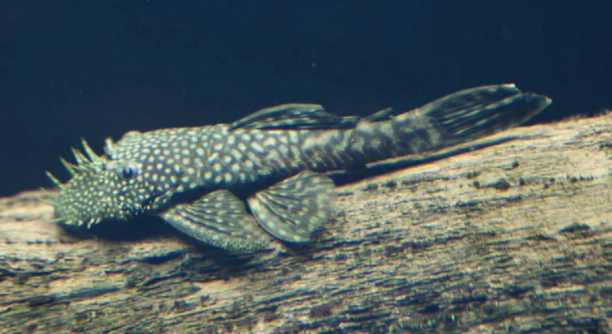
Do you ever notice your pleco swimming slower or looking a little dull in color? Sometimes these signs point to nutritional gaps. Iron is an important mineral for their health, and missing it can affect their wellbeing.
A pleco that isn’t getting enough iron may show symptoms such as pale gills, slow growth, weakened fins, poor appetite, lethargy, reduced immunity, and abnormal behavior. Addressing iron deficiency promptly is crucial for maintaining optimal health in these fish.
Recognizing these subtle signs early can help prevent long-term health issues. Small adjustments to diet and care can make a big difference in your pleco’s life.
Pale Gills
When I first noticed my pleco’s gills looking lighter than usual, I realized something was off. Pale gills are a classic sign of iron deficiency in fish. Iron is essential for producing hemoglobin, which carries oxygen in the blood. Without enough iron, your pleco’s gills lose their vibrant red color and appear washed out. This can affect their ability to breathe efficiently and reduce overall energy levels. If left unaddressed, it can make your fish more vulnerable to illness and stress. Observing gill color regularly is a simple way to monitor your pleco’s health. Adjusting their diet with iron-rich foods or supplements can often correct this issue fairly quickly. Foods like bloodworms, spinach, and iron-fortified pellets are effective for boosting iron intake. Additionally, maintaining clean water and proper tank conditions helps the fish absorb nutrients better. Regular observation ensures small changes don’t turn into serious health problems.
Pale gills signal that your pleco needs more iron. Correcting this improves oxygen flow, energy, and long-term health.
Watching for these changes helps me make feeding and care adjustments before the condition worsens, keeping my pleco active and healthy.
Slow Growth
Slow growth is one of the most noticeable signs that your pleco might be lacking iron. Even when fed regularly, an iron-deficient pleco can fail to gain weight or increase in size at a normal rate. Growth is directly linked to proper nutrition, and iron plays a key role in metabolic processes. Without it, cell production and energy distribution are compromised, making it difficult for the fish to develop as it should. I noticed that my younger plecos seemed smaller than tank mates of similar age, which prompted me to check their diet. Supplementing with iron-rich foods and maintaining a balanced feeding schedule helped them catch up gradually. Besides diet, tank conditions such as water quality and temperature also impact growth, but iron remains a critical factor. Ensuring a consistent, nutrient-rich diet prevents long-term stunting and keeps your pleco active and thriving. Observation, proper feeding, and patience are essential for restoring growth rates.
Slow growth often signals dietary deficiencies, including insufficient iron. Early action is important to support proper development.
Adjusting meals with iron-rich options and monitoring growth carefully allows the pleco to regain normal size. Consistency and attention to diet are crucial.
Weak Fins
Weak fins often appear frayed, thin, or torn when a pleco lacks iron. This mineral supports overall tissue health, including fin strength. Iron deficiency can make fins more prone to damage, slowing healing and reducing mobility. I noticed my pleco’s fins looked delicate and less rigid.
Iron is essential for cell growth and repair, and without enough, the delicate fin tissue can deteriorate. I saw small tears form after normal swimming, which is unusual. Feeding iron-rich foods, like bloodworms or fortified pellets, helped strengthen the fins over time. Water quality also matters because poor conditions can worsen tissue weakness, making iron supplementation even more important. Regular observation allowed me to catch this early before serious fin rot or infections developed.
I adjusted my feeding schedule to include iron-rich foods several times a week and maintained clean water. Over a few weeks, my pleco’s fins became stronger, more flexible, and healthier. Adding iron supplements was a simple but effective solution.
Poor Appetite
A lack of interest in food can be a sign that iron levels are too low. My pleco often ignored its favorite snacks during this period, which worried me.
Iron is critical for energy production, and deficiency can reduce a pleco’s metabolism. I noticed my pleco would nibble occasionally but seemed to tire quickly and swim away from the food. Over time, this led to slower growth and weight loss. By introducing iron-rich foods and slightly increasing feeding frequency, appetite improved gradually. Monitoring meal responses helped me track progress and adjust portions. Maintaining stable tank conditions also supported digestion and nutrient absorption. Without addressing iron deficiency, poor appetite can quickly become a bigger health issue, making early action crucial.
Once I included more iron-rich foods and kept water parameters consistent, my pleco began eating regularly again. Weight stabilized, energy returned, and feeding became predictable. Observing appetite closely is a simple yet effective way to prevent complications from nutritional gaps.
Lethargy
Lethargy in plecos often shows as long periods of inactivity or sluggish movement. My pleco would stay in one corner of the tank, moving very little, which was unusual compared to its normal behavior.
Iron deficiency reduces oxygen transport and energy production. I noticed that even after feeding, my pleco lacked energy to explore or interact. Swimming became slow, and it seemed to avoid activity. After increasing iron in its diet, energy levels gradually returned, and normal movement resumed. Regular observation of activity patterns helps detect lethargy before it affects overall health.
Reduced Immunity
Iron supports the immune system, and a lack can leave plecos more vulnerable to disease. I noticed minor infections lasted longer than usual in my fish, indicating weakened defenses.
Abnormal Behavior
When iron levels drop, plecos may act differently, such as hiding excessively or showing unusual swimming patterns. My pleco suddenly spent hours near the tank bottom, avoiding interaction and normal feeding spots.
What are the main signs that my pleco is not getting enough iron?
The main signs include pale gills, weak fins, slow growth, poor appetite, lethargy, reduced immunity, and abnormal behavior. I noticed these in my own pleco over several weeks. Each symptom points to a different aspect of iron deficiency, but all relate to reduced energy, weaker tissues, and slower metabolic function. Pale gills indicate low hemoglobin, while weak fins show tissue fragility. Reduced immunity makes infections last longer, and abnormal behavior often signals low energy levels. Watching for these signs regularly helps catch problems early and prevent long-term health issues.
How can I increase iron in my pleco’s diet?
Iron-rich foods like bloodworms, spinach, and fortified pellets are effective. I started offering bloodworms a few times a week, and it made a noticeable difference in my pleco’s energy and color. Leafy greens, like spinach, can be blanched and added to the tank as a supplement. Iron supplements designed for aquariums are also an option, but it’s important to follow instructions carefully to avoid overdosing. Consistent feeding and rotating sources of iron ensure balanced nutrition. Additionally, pairing iron-rich foods with clean water and stable tank conditions improves absorption, making dietary changes more effective.
Can water conditions affect iron absorption in plecos?
Yes, poor water quality can reduce nutrient uptake. I noticed my pleco didn’t improve much after adding iron-rich foods until I corrected water parameters. High nitrates, improper pH, or dirty tanks can stress fish and limit how well they absorb minerals. Maintaining stable temperature, clean water, and proper filtration enhances iron absorption and overall health. Even with a nutrient-rich diet, unhealthy water conditions can prevent your pleco from benefiting fully from supplements. Observing behavior and gill color alongside water testing gives a clearer picture of health improvements.
How quickly can plecos recover from iron deficiency?
Recovery depends on severity and age. In my experience, minor deficiencies showed improvement within two to three weeks after dietary adjustments. Severe cases can take a month or longer. Consistency in feeding iron-rich foods and maintaining stable tank conditions accelerates recovery. Monitoring gill color, activity, and appetite gives visual cues of improvement. Recovery also depends on stress reduction, including avoiding overcrowding and maintaining water quality. Keeping a feeding log or notes on behavior changes helps track progress and ensures the deficiency is being addressed effectively.
Are there any risks of giving too much iron to my pleco?
Yes, overdosing can be harmful. Too much iron can pollute the water, affect gill function, and cause toxicity. I made sure to follow the recommended amounts on supplements and avoid overfeeding iron-rich foods. Regular water changes and monitoring tank chemistry help prevent excess accumulation. It’s better to increase iron gradually and observe effects over time rather than risk sudden high doses. Balanced nutrition, clean water, and careful supplementation work together to maintain healthy iron levels without harming your pleco.
Can iron deficiency affect other aspects of my pleco’s health?
Absolutely. Low iron impacts oxygen transport, energy production, tissue strength, immunity, and even behavior. My pleco’s lethargy and slow growth were directly linked to iron deficiency. Correcting the deficiency improved activity, appetite, and fin condition. Addressing iron early also prevents long-term damage, including chronic weakness and vulnerability to infections. Tracking multiple signs at once provides a clearer understanding of the pleco’s overall health and ensures a more complete recovery.
How often should I check my pleco for signs of iron deficiency?
Weekly observation works well. I check gill color, fin condition, activity levels, and appetite regularly. Spotting pale gills or unusual behavior early allows me to adjust diet before problems escalate. Combined with routine water testing and tank maintenance, these weekly checks are enough to prevent most deficiencies. Small, consistent observations are more effective than occasional checks, and they help maintain both short-term energy and long-term health.
Is it possible to prevent iron deficiency in plecos?
Yes. Feeding a balanced diet with iron-rich foods, maintaining clean water, and keeping a stable tank environment are key preventive steps. I rotate bloodworms, spinach, and fortified pellets and keep up with water changes. Regular observation and prompt adjustments to diet or water help ensure my pleco remains healthy. Prevention is far easier than correcting a deficiency after it develops.
Final Thoughts
Iron is a crucial nutrient for plecos, affecting everything from energy levels to overall health. Observing subtle changes in your fish, such as pale gills, weak fins, or reduced activity, can give early warnings of iron deficiency. I learned that small shifts in behavior or appearance often point to nutritional gaps. Acting early makes it easier to correct the problem before it becomes serious. Iron affects oxygen transport, metabolism, and tissue strength, which are all essential for your pleco to grow, stay active, and fight off illnesses. Ignoring these signs can lead to slower growth, lethargy, or vulnerability to infections. I found that paying attention to the smallest details in my pleco’s appearance and habits helped me maintain a healthier tank overall.
Diet plays a big role in maintaining proper iron levels. Offering iron-rich foods such as bloodworms, spinach, and fortified pellets ensures that plecos receive the nutrients they need. I noticed that when I included these foods consistently, my pleco became more active, regained vibrant gill color, and developed stronger fins. Supplements can also be used carefully, but overdoing them can harm the fish or pollute the water. Clean, stable water conditions are equally important because stress and poor water quality reduce nutrient absorption. When I focused on both diet and water quality, improvements were much faster and more noticeable. Balancing these factors ensures that the pleco’s body can use iron efficiently, supporting energy, immunity, and overall wellbeing.
Regular monitoring and care are key to preventing iron deficiency. Watching your pleco’s behavior, appetite, and growth regularly helps catch problems early. I found that keeping a simple observation routine made it easier to spot even small changes. Weekly checks of gill color, fins, and swimming activity can reveal deficiencies before they escalate. Adjusting diet, maintaining clean water, and addressing any abnormal behavior promptly keep plecos healthy and thriving. Iron is just one piece of the puzzle, but it has a major impact on the overall condition of your fish. Consistency in care, feeding, and observation ensures your pleco stays strong, active, and happy for years to come.

Hello,
If you enjoy the content that we create, please consider saying a "Thank You!" by leaving a tip.
Every little bit helps us continue crafting quality advice that supports the health, happiness, and well-being of pets around the world, for pets of all shapes, sizes, and species.
We really appreciate the kindness and support that you show us!