
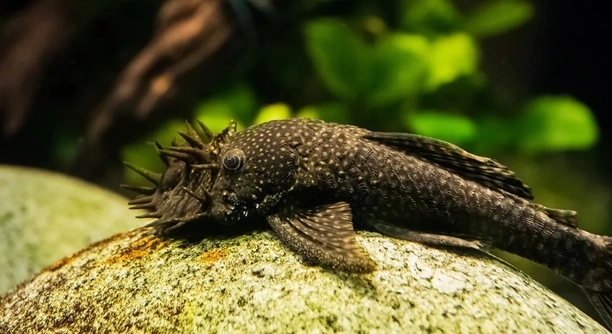
Do you ever find yourself admiring your pleco as it glides across the tank, yet wondering if the water around it is clean enough? Caring for these fish means keeping their environment healthy and balanced.
Pleco water should typically be changed weekly, with about 25–30% of the water replaced each time. Frequent monitoring of water quality, including ammonia and nitrate levels, ensures the fish remain healthy and reduces the risk of disease.
Maintaining clean water is more than routine. Small, consistent steps can have a significant impact on your pleco’s health and comfort in its home.
Signs Your Pleco Needs a Water Change
Over time, pleco tanks accumulate waste, leftover food, and algae, which can make the water cloudy or smelly. Observing your fish is key; if it starts hiding more than usual or shows unusual behavior, it may indicate poor water conditions. Testing the water regularly for ammonia, nitrite, and nitrate levels can help determine when a change is necessary. Even if the water appears clear, chemical imbalances can still affect your pleco’s health. Visual inspection, combined with consistent water testing, ensures you catch problems early. A slight buildup of slime on the tank glass or a faint odor can signal it’s time for a partial water change. Maintaining proper filtration and avoiding overfeeding can reduce the frequency of drastic changes. By keeping a routine, you prevent stress and potential illness, creating a stable environment your pleco can thrive in. Consistency is better than large, irregular changes.
Partial water changes of 25–30% weekly are usually sufficient to maintain water quality.
When performing a water change, start by removing debris with a siphon. Replace the removed water with dechlorinated water of similar temperature. This gradual process avoids shocking the pleco and preserves beneficial bacteria in the filter. Monitoring parameters after the change helps ensure stability, and maintaining a schedule reduces stress. Proper care extends the life and wellbeing of your fish.
Best Practices for Pleco Water Maintenance
Changing water at regular intervals is crucial to prevent harmful chemical buildup. A weekly schedule is recommended for most tanks, but factors like tank size, number of fish, and filtration efficiency can require adjustments. Monitoring water clarity and testing levels frequently helps guide the exact timing. Overfeeding can accelerate water degradation, so giving only what your pleco consumes in a few minutes is best. Clean decorations and removing uneaten food also support a healthier environment. Combining regular changes, proper feeding, and filter maintenance ensures your pleco thrives.
Routine maintenance includes cleaning the substrate, filter, and decorations while avoiding over-cleaning that removes helpful bacteria. Checking water parameters like pH, hardness, and temperature alongside ammonia and nitrate levels ensures the habitat remains stable. Adjusting water changes based on test results keeps your pleco healthy. Avoid sudden, large changes, as these can stress the fish and cause health problems. Regular observation of the fish’s behavior and appearance allows early detection of issues, preventing illness. Maintaining balance in the tank supports natural behaviors and overall wellbeing. By following these practices, you can keep your pleco’s environment consistent and safe, ensuring a longer, healthier life for your fish.
Water Temperature and Its Effect on Plecos
Plecos are sensitive to temperature changes. Water that is too cold or too warm can stress them and affect their metabolism, making regular monitoring essential. Keeping a consistent temperature between 72–78°F supports their health and promotes normal activity and feeding patterns.
Temperature fluctuations can harm plecos even if water quality seems fine. Sudden drops can lower immunity, making them more prone to disease, while high temperatures increase metabolism and oxygen demand. Using a reliable heater and thermometer helps maintain stability, especially in seasonal changes. Consistency in water temperature works together with clean water to create a safe environment where plecos can thrive, feed properly, and maintain energy levels without added stress.
When adjusting water during changes, match the new water temperature closely to the tank. Adding cold or hot water abruptly can shock the pleco and cause behavioral changes or illness. Monitoring the tank during and after water changes ensures the fish remains comfortable. Combining temperature stability with regular water changes strengthens the overall health of your pleco, encouraging normal growth and activity.
Filtration and Water Quality
Proper filtration removes waste, leftover food, and toxins, keeping the water safe. A high-quality filter that matches tank size is essential for maintaining a balanced environment for your pleco.
Filters should be cleaned regularly without removing all beneficial bacteria, which help break down waste naturally. Mechanical, biological, and chemical filtration work together to maintain clarity and reduce harmful compounds. Replacing filter media as recommended ensures efficiency, while avoiding over-cleaning prevents sudden spikes in ammonia or nitrate. Consistent filter maintenance complements water changes and supports a healthy ecosystem in the tank, minimizing stress for your pleco.
In addition to cleaning, monitoring water flow is important. Poor circulation can create stagnant areas, increasing the risk of algae and bacterial buildup. Properly placed filters and occasional adjustments improve oxygenation and help distribute nutrients evenly. Combining filtration with scheduled water changes ensures the tank remains stable. Observing water clarity and fish behavior alongside filter maintenance provides insight into the tank’s overall health. By integrating these practices, you create an environment where your pleco thrives and avoids preventable stress or disease.
Frequency of Partial vs. Full Water Changes
Partial water changes are safer and more effective for plecos than full changes. Replacing 25–30% weekly maintains water quality without shocking the fish or disrupting beneficial bacteria.
Full water changes should be rare. Sudden removal of large volumes can stress plecos and destabilize the tank environment.
Monitoring Water Parameters
Regular testing of ammonia, nitrite, nitrate, and pH levels is essential. Consistent monitoring helps detect problems early, ensuring the pleco’s environment remains stable and healthy. Maintaining optimal parameters prevents disease, supports normal behavior, and promotes growth.
Avoiding Overfeeding
Overfeeding contributes to waste buildup and poor water quality. Feeding only what your pleco consumes in a few minutes keeps the tank cleaner.
FAQ
How often should I change my pleco’s water?
Pleco water should generally be changed once a week. A partial change of about 25–30% is sufficient to remove waste and maintain chemical balance. This frequency keeps ammonia and nitrate levels low while supporting beneficial bacteria, creating a stable environment for your pleco.
Can I do a full water change instead of partial ones?
Full water changes are not recommended for plecos. Removing all the water at once can shock the fish and disrupt the balance of beneficial bacteria in the tank. Partial changes are safer and maintain water quality consistently without stressing your fish.
What temperature should pleco water be?
Plecos thrive in water temperatures between 72–78°F (22–26°C). Consistency is important; sudden shifts can stress the fish and affect metabolism. Using a reliable heater and thermometer ensures stable conditions during seasonal changes or water replacements.
How do I know if my pleco’s water is bad?
Cloudy water, a strong odor, excessive algae, or unusual behavior in your pleco often indicate poor water quality. Testing for ammonia, nitrites, nitrates, and pH levels provides a clearer understanding of water conditions and helps you decide when a change is needed.
Does the type of filter matter?
Yes. A filter that matches your tank size is essential. Mechanical filtration removes debris, biological filtration supports beneficial bacteria, and chemical filtration controls toxins. Proper filter maintenance complements regular water changes, maintaining a clean and healthy environment for your pleco.
Can overfeeding affect water quality?
Absolutely. Uneaten food breaks down and produces waste, raising ammonia and nitrate levels. Feeding only what your pleco consumes in a few minutes prevents excess waste, reducing the need for frequent emergency water changes and keeping the tank cleaner overall.
Should I treat tap water before adding it to the tank?
Yes, always use a water conditioner to remove chlorine, chloramine, and heavy metals. Untreated tap water can harm plecos and beneficial bacteria in the filter. Matching temperature and pH to the tank before adding water reduces stress on the fish.
How long can a pleco survive without a water change?
Survival without a water change depends on tank size, filtration, and fish load, but delays can quickly increase toxins and stress the pleco. Regular partial water changes are the safest way to maintain health and prevent disease over time.
Can algae indicate water problems?
Yes. Excessive algae growth often signals high nitrate levels or poor water circulation. While some algae is normal, consistent buildup should prompt a review of feeding, filtration, and water change frequency to maintain a healthy tank.
Is it necessary to check water parameters regularly?
Yes. Monitoring ammonia, nitrites, nitrates, and pH ensures early detection of issues. Regular testing allows prompt corrective action, preventing illness and maintaining an environment that supports your pleco’s long-term health.
What is the easiest way to perform a water change?
Using a siphon or gravel vacuum is effective for removing debris and replacing water. Always dechlorinate new water and match the tank temperature to avoid shocking your pleco. Partial changes are easier to manage and safer than full replacements.
How does tank size affect water change frequency?
Larger tanks with proper filtration may require slightly fewer changes, but weekly partial changes are still recommended. Smaller tanks accumulate waste faster, making consistent monitoring and regular water changes more critical to pleco health.
Can plecos tolerate different pH levels?
Plecos prefer slightly acidic to neutral water, around pH 6.5–7.5. Extreme fluctuations or prolonged exposure to unsuitable pH levels can stress your fish. Regular testing and minor adjustments during water changes help maintain stability and comfort.
What are signs my pleco is stressed by water conditions?
Lethargy, reduced appetite, unusual hiding, or erratic swimming often indicate poor water quality or temperature issues. Addressing these conditions promptly through water changes, filtration checks, and monitoring helps reduce stress and prevent illness.
Do decorations affect water changes?
Yes. Decorations can trap waste and food, increasing toxins if not cleaned. Regularly rinsing or scrubbing decorations during water changes prevents buildup and helps maintain overall water quality without disturbing beneficial bacteria.
How can I reduce the need for frequent water changes?
Avoid overfeeding, maintain a proper filter, clean decorations, and monitor fish load. These practices help minimize waste accumulation, reducing stress on your pleco and maintaining stable water conditions for longer periods.
Can multiple plecos in one tank change the water schedule?
Yes. More fish produce more waste, requiring more frequent partial water changes. Observing water parameters and fish behavior allows adjustments to ensure all plecos remain healthy and the tank environment remains balanced.
Is it okay to add water gradually during changes?
Yes. Adding water slowly and matching the temperature to the tank reduces stress on the pleco. Gradual replacement preserves beneficial bacteria while improving water quality safely.
How long after a water change will the pleco adjust?
Most plecos adjust within a few hours if the temperature and chemical balance are stable. Observing behavior after water changes ensures the fish remains comfortable and stress-free.
Can I use bottled water for changes?
Bottled water is safe if it’s free from chlorine and heavy metals. However, it often lacks minerals needed for stable pH and hardness. Conditioning or supplementing bottled water may be necessary to maintain optimal pleco health.
How do I prevent sudden ammonia spikes?
Regular partial water changes, proper feeding, and consistent filter maintenance reduce the risk of spikes. Testing water frequently ensures any rise in ammonia is detected early and corrected before it harms your pleco.
Can plants help maintain water quality?
Yes. Live plants absorb nitrates and provide natural filtration. They reduce stress for plecos, improve oxygenation, and help maintain chemical balance. Pairing plants with regular water changes creates a healthier, more stable tank environment.
Are water change tools necessary?
Tools like siphons, gravel vacuums, and water conditioners make changes easier, more precise, and safer for your pleco. They reduce stress, maintain tank cleanliness, and allow consistent, effective water replacement without disrupting the ecosystem.
What happens if I skip a week of water changes?
Skipping a change can lead to higher ammonia and nitrate levels, cloudy water, and stress for your pleco. Occasional delays are manageable if parameters are monitored, but regular weekly changes are best for long-term health.
How important is consistency in water changes?
Consistency prevents sudden chemical shifts and stress, supporting the pleco’s immune system and overall health. A predictable schedule helps maintain water clarity, reduces disease risk, and creates a stable, comfortable habitat for your fish.
Can plecos tolerate slight variations in water conditions?
Plecos are somewhat adaptable, but frequent or extreme changes in temperature, pH, or chemical levels can cause stress. Maintaining stable water conditions through regular changes and monitoring ensures healthy, normal behavior.
How do I know if my filtration is sufficient?
Water clarity, stable parameters, and healthy fish indicate effective filtration. If water appears cloudy or ammonia/nitrate levels rise quickly, the filter may need cleaning, upgrades, or a larger unit to handle the tank’s load.
Does the type of pleco affect water change needs?
Yes. Some pleco species produce more waste or have specific water preferences. Researching your species’ requirements allows you to adjust water change frequency and tank care to suit their needs accurately.
Are water conditioners always necessary?
Yes. Conditioning tap water removes chlorine, chloramine, and heavy metals that can harm plecos. Using the correct dosage ensures safety and maintains beneficial bacteria, supporting a balanced and healthy tank environment.
How do I make water changes less stressful for my pleco?
Remove only partial water, match temperature, avoid sudden chemical shifts, and add water slowly. Observing the fish during the process ensures it remains calm and safe. Gradual, consistent changes are key to reducing stress.
Can stress from poor water affect pleco lifespan?
Yes. Stress weakens the immune system, increases susceptibility to disease, and can reduce lifespan. Maintaining clean, stable water with proper filtration and temperature support long-term health and normal behavior.
Is it safe to combine water changes with tank cleaning?
Yes, if done carefully. Avoid over-scrubbing beneficial bacteria, and clean decorations or substrate gently. Coordinating maintenance with partial water changes keeps the tank safe and supports water quality.
Do all plecos need the same water change schedule?
Schedules may vary slightly depending on tank size, species, and fish load. Monitoring water parameters and observing your pleco’s behavior allows you to fine-tune changes while keeping the routine consistent and effective.
How do I prevent over-cleaning during water changes?
Clean only necessary areas, avoid scrubbing filter media excessively, and replace only parts of the water. Over-cleaning can remove beneficial bacteria, destabilizing the tank and stressing your pleco.
Can I rely solely on filtration instead of water changes?
No. Filtration alone cannot remove all waste or maintain chemical balance. Partial water changes are necessary to reduce toxins, replenish minerals, and maintain a safe and healthy environment for your pleco.
How can I tell if my pleco is thriving?
Healthy plecos are active, feed well, and display normal coloration and behavior. Clear water, stable parameters, and consistent tank maintenance all contribute to their wellbeing, signaling effective water change practices.
Is water hardness important for plecos?
Yes. Plecos prefer moderate hardness to support overall health and biological processes. Testing and adjusting water hardness during changes helps maintain stability, reducing stress and supporting normal growth.
How do I safely remove uneaten food?
Use a siphon or net to remove debris without disturbing the substrate too much. Prompt removal prevents waste buildup, supports water quality, and reduces the frequency of emergency water changes.
Can sudden pH changes be harmful?
Yes. Abrupt pH shifts can stress plecos, affect metabolism, and weaken immunity. Gradual adjustments during water changes or with conditioned water are safer and maintain a stable tank environment.
Are there long-term benefits to consistent water changes?
Yes. Consistent water changes reduce stress, prevent disease, support normal behavior, and promote longevity. A stable, clean environment ensures your pleco thrives and maintains optimal health throughout its life.
How do I balance water changes with other maintenance tasks?
Coordinate partial changes with filter cleaning, substrate vacuuming, and decoration care. Avoid over-cleaning beneficial bacteria while maintaining water quality. A regular, organized routine simplifies maintenance and keeps your pleco healthy.
What common mistakes should I avoid?
Avoid skipping changes, full water replacements, overfeeding, ignoring temperature or pH, and excessive filter cleaning. These mistakes stress the fish, destabilize the tank, and reduce overall water quality. Following consistent practices ensures safety and wellbeing.
Is it okay to adjust water change frequency seasonally?
Yes, depending on temperature fluctuations, tank load, or pleco behavior. Minor adjustments are acceptable, but maintaining consistency and monitoring parameters ensures stability throughout the year.
How do I educate myself about my pleco’s specific needs?
Research your species, read care guides, and monitor water parameters closely. Observing your pleco’s behavior and adjusting maintenance practices ensures optimal health and longevity in its habitat.
What is the most important takeaway about water changes?
Regular, partial water changes combined with proper filtration, temperature stability, and careful monitoring are essential. Consistency and attention to detail create a healthy, stress-free environment that supports your pleco’s long-term health and wellbeing.
Word count: 507
Final Thoughts
Maintaining a healthy environment for your pleco is largely about consistency and attention to detail. Regular partial water changes, ideally once a week, help keep ammonia, nitrite, and nitrate levels under control while supporting the beneficial bacteria that naturally balance the tank. A stable environment allows your pleco to thrive, stay active, and feed normally. Even small changes in water quality can have noticeable effects on your fish’s behavior, so paying close attention to both the water and the pleco itself is essential. Over time, a routine becomes easier to manage, and your pleco will adjust to the predictable schedule, reducing stress and improving overall wellbeing. Observing your pleco during and after water changes is just as important as performing them properly. By noting its activity, appetite, and color, you can detect early signs of stress or illness and take corrective steps before a minor issue becomes a serious problem.
Water temperature and filtration are two factors that work together with regular changes to maintain a healthy tank. Plecos are sensitive to sudden fluctuations, so matching the new water’s temperature and monitoring the tank with a reliable thermometer is crucial. Filters help remove debris and toxins, but they cannot replace the need for regular water changes. Cleaning the filter correctly while keeping beneficial bacteria intact supports water quality and reduces the risk of spikes in harmful compounds. At the same time, avoiding overfeeding and removing leftover food prevents unnecessary waste buildup, making water maintenance easier and more effective. Tank decorations and plants also play a role, providing surfaces for beneficial bacteria to grow and improving oxygenation. Keeping the tank balanced in all these ways ensures that your pleco’s environment is safe and healthy.
Long-term care for a pleco involves understanding its needs and responding to changes in its environment. Consistent water changes, monitoring chemical levels, maintaining temperature, and proper feeding all contribute to the fish’s overall health. Skipping changes, over-cleaning, or ignoring water parameters can stress the pleco and increase the risk of disease. By taking small, regular steps, you maintain a stable habitat that supports natural behavior and longevity. These practices also make maintenance less overwhelming, as the tank remains cleaner and more predictable. Over time, caring for your pleco becomes second nature, and the results are visible in a healthy, active fish that flourishes in its home. Following these guidelines ensures your pleco has a safe, comfortable, and sustainable environment for years to come, and it allows you to enjoy the satisfaction of seeing your fish thrive.
Word count: 408

Hello,
If you enjoy the content that we create, please consider saying a "Thank You!" by leaving a tip.
Every little bit helps us continue crafting quality advice that supports the health, happiness, and well-being of pets around the world, for pets of all shapes, sizes, and species.
We really appreciate the kindness and support that you show us!