
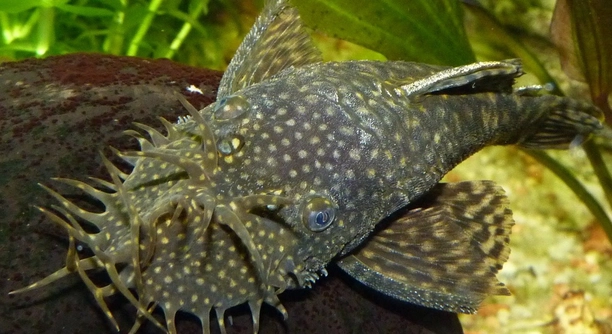
Have you ever wondered if your bristlenose tank is truly calm and well-balanced? Observing your fish regularly can reveal subtle behaviors and interactions that indicate a peaceful and healthy environment for them to thrive.
A peaceful bristlenose tank is characterized by minimal aggression, stable water conditions, sufficient hiding spots, and well-fed fish. Fish demonstrate calm movements, interact gently, and maintain clean surfaces, all of which contribute to a harmonious and stress-free aquarium environment.
Recognizing these signs can help you maintain a stable, happy tank while preventing issues that may disturb your bristlenose community.
Calm and Gentle Swimming
In a peaceful bristlenose tank, the fish swim calmly and without sudden bursts of speed. They move around the tank in a relaxed manner, exploring the decorations and plants without chasing or nipping at each other. The water should remain clear, allowing you to see their movements easily. Active, yet composed swimming is a strong indicator that your bristlenose feel safe in their environment. When fish are stressed, they dart around frantically or hide continuously, which can be a sign of poor water quality, insufficient space, or aggressive tank mates. Observing their daily patterns helps you notice any changes early, preventing problems before they escalate. Providing enough room for each fish and arranging hiding spots strategically supports natural swimming behavior. Even simple decorations or smooth rocks create zones that reduce stress. Calm fish also tend to feed without competition, showing that the tank is functioning as it should, and everyone has access to food.
Gentle swimming is a clear sign of low stress and a stable tank environment, reflecting proper care and water conditions.
Consistent observation of swimming behavior allows you to notice small shifts. These changes might be subtle, like a fish moving slower than usual or avoiding certain areas. By paying attention, you can adjust feeding habits, rearrange decorations, or monitor water parameters, helping maintain harmony. Calm fish often interact socially in a relaxed way, resting near each other or gliding along surfaces. Over time, these patterns become predictable, making any unusual behavior stand out.
Hidden Hiding Spots
Providing hiding spots is essential for bristlenose catfish. Small caves, plants, or driftwood give them places to retreat when they feel vulnerable. Hiding reduces stress and allows fish to rest, especially after feeding or during water changes. It is important to offer multiple spots so no single fish dominates, ensuring every individual has access to a safe space. Overcrowded tanks or lack of hiding spots can lead to tension, resulting in aggressive chasing or frequent skirmishes. Hiding also encourages natural behaviors, as bristlenose catfish are bottom dwellers that like to explore nooks and crevices. The more secure the environment, the calmer the fish will appear, showing less frantic swimming and more gentle interactions. Creating these areas can be simple with affordable materials, and even small decorations have a meaningful impact on stress levels. Watching your fish use these spaces is a satisfying sign of comfort and security.
Multiple hiding spots improve tank balance, reduce aggression, and allow fish to explore naturally. When each catfish has access to a private area, the tank remains peaceful, and feeding times become calmer. Proper arrangement of these areas prevents territorial disputes and helps maintain social harmony. Observing the fish interacting with these spots also provides insight into their comfort levels. Over time, fish develop favorite areas and routines, reflecting contentment and stable behavior. Hiding places support both juvenile and adult fish, ensuring that younger or smaller individuals are not stressed by more dominant tank mates. By planning the layout carefully, you can create a visually appealing tank that doubles as a safe habitat. Even subtle differences in fish behavior, such as resting in a shaded corner, indicate that the tank environment meets their needs. Regularly updating or rearranging these spots can keep the habitat stimulating while continuing to promote calm interactions. Overall, adequate hiding areas are a key factor in sustaining a peaceful bristlenose tank.
Consistent Feeding Routine
Maintaining a regular feeding schedule keeps bristlenose calm and reduces competition. Feeding at the same times each day helps fish anticipate meals, lowering stress and encouraging peaceful interactions. Overfeeding or irregular schedules can cause tension, leftover food, and water quality issues.
A consistent routine ensures all fish receive proper nutrition. Bristlenose catfish respond well to small, frequent feedings that include algae wafers, vegetables, and occasional protein treats. When food is predictable, fish move slowly and confidently during feeding, instead of rushing or chasing each other. Proper portions prevent uneaten food from decomposing, which could otherwise raise ammonia and nitrate levels. This routine also supports natural behaviors, allowing fish to forage calmly along the bottom and among decorations. Monitoring their appetite during each feeding helps detect health problems early, since changes in interest in food often indicate stress, illness, or water issues.
Observing fish during a feeding routine can reveal their hierarchy and comfort levels. Dominant fish may claim certain areas, but with proper spacing and multiple feeding points, competition stays minimal. Over time, bristlenose learn the routine and interact more peacefully, gliding along surfaces to grab food without aggression. Feeding consistently also reduces territorial disputes, because fish do not feel pressure to fight over scarce resources. It fosters a predictable environment where stress levels remain low, and fish have time to rest after eating. In essence, a well-planned feeding schedule contributes directly to a harmonious tank.
Clear Water Conditions
Clean, clear water is crucial for a peaceful tank. It supports healthy fish behavior, reduces stress, and allows you to notice any unusual activity or illness quickly. Poor water quality can lead to aggression and hiding.
Regular water changes, proper filtration, and monitoring of ammonia, nitrite, and nitrate levels keep the tank balanced. Bristlenose catfish thrive in slightly acidic to neutral water with stable temperatures. When water parameters fluctuate, fish may become skittish, swim erratically, or compete for hiding spaces. Clear water also enhances their natural coloration, making movement and interactions easy to observe. Tank decorations and substrate should be gently cleaned to prevent buildup that affects water quality. Filtration should match tank size and bioload to maintain oxygen levels and remove debris effectively. Consistent maintenance prevents stress-related behaviors, ensuring a calm, predictable environment for all inhabitants.
By keeping the water clean, you create a stable habitat that promotes long-term health and reduces aggressive tendencies. Observing water clarity allows you to spot early signs of overfeeding, waste accumulation, or filter issues. Bristlenose are sensitive to sudden changes, so gradual adjustments to water chemistry are better than abrupt shifts. Proper circulation and aeration support oxygen levels, which keeps fish energetic but relaxed. Monitoring pH, hardness, and temperature ensures that conditions remain within a range suitable for all tank inhabitants. Regular testing and timely water changes prevent toxic buildup, helping fish maintain normal feeding and swimming behaviors. Overall, clear water is not just aesthetic—it directly influences comfort, stress levels, and peaceful interactions in your bristlenose tank.
Peaceful Tank Mates
Choosing compatible tank mates helps maintain a calm environment. Avoid aggressive or overly active species that may stress bristlenose catfish. Peaceful companions allow the catfish to explore, feed, and rest without constant harassment or competition.
Introducing new fish slowly reduces tension. Gradually acclimating newcomers prevents sudden disruptions and gives bristlenose time to adjust. Keeping species with similar temperaments ensures minimal conflict.
Healthy Algae Growth
Healthy algae growth provides a natural food source and encourages foraging behavior. Bristlenose catfish enjoy grazing, which keeps them active and engaged without stressing tank mates. Algae-coated surfaces promote gentle, natural activity patterns.
Minimal Aggression
Observing minimal aggression is a strong indicator of a peaceful tank. Bristlenose that coexist without frequent chasing or nipping demonstrate stable social interactions and low stress levels, contributing to overall harmony.
Stable Temperature
Maintaining a stable temperature is essential for calm fish behavior. Sudden changes can cause stress, leading to erratic swimming or hiding. Consistent warmth keeps bristlenose healthy, relaxed, and interacting naturally with their environment.
How often should I feed my bristlenose catfish?
Feeding bristlenose catfish once or twice a day is usually sufficient. Small, measured portions work best to prevent leftover food from decaying and harming water quality. They thrive on algae wafers, blanched vegetables like zucchini or spinach, and occasional protein treats. Watching their behavior during feeding helps gauge if portions are appropriate, and consistent timing supports calm interactions. Overfeeding can create aggression and stress as fish compete for food, while underfeeding may lead to constant foraging or unusual behavior. A steady feeding routine keeps your tank peaceful and your catfish healthy.
What is the best water temperature for a bristlenose tank?
Bristlenose catfish prefer a stable temperature between 73°F and 81°F (23°C–27°C). Sudden fluctuations can cause stress, which may result in erratic swimming, hiding, or minor aggression. Using a reliable heater and thermometer ensures consistency. Gradually adjusting the temperature when needed prevents shock. Maintaining stable temperature also supports proper metabolism, digestion, and natural activity. A consistent environment helps fish feel secure and reduces the likelihood of conflict with tank mates. Regular checks prevent unexpected drops or spikes, keeping the tank calm and balanced.
How many hiding spots should I provide?
Multiple hiding spots are necessary, especially in community tanks. Each fish should have access to at least one secure area, such as caves, dense plants, or driftwood. Providing more spots reduces competition and territorial disputes. Fish can rest, explore, and feel safe, which lowers stress levels. Even small decorations or rock arrangements can create useful retreats. Over time, bristlenose may develop preferences for specific spots, showing natural behavior. Adjusting or rearranging hiding areas occasionally keeps the environment stimulating without disrupting peace.
What water parameters are ideal for a peaceful tank?
Bristlenose thrive in slightly acidic to neutral water, with a pH between 6.5 and 7.5, moderate hardness, and stable ammonia, nitrite, and nitrate levels. Regular testing ensures the environment remains safe. Poor water quality can increase stress, leading to aggression or hiding. Clean water, combined with effective filtration and scheduled water changes, maintains stability. Maintaining clear water also allows you to observe fish behavior and detect health problems early. Proper water conditions directly support calm swimming, feeding, and social interactions.
How do I know if my tank mates are compatible?
Compatible tank mates are peaceful and avoid harassing bristlenose catfish. Avoid aggressive species or overly active fish that may stress bottom dwellers. Introduce new fish gradually and monitor their interactions. Calm tank mates encourage gentle exploration, reduce hiding, and maintain balance in the aquarium. Species with similar activity levels work best, as they allow everyone to feed, rest, and move comfortably. Observing behavior over time confirms compatibility and helps prevent conflicts that could disrupt the peaceful environment you’ve created.
What signs indicate my bristlenose are stressed?
Stress can show through hiding excessively, erratic swimming, rapid gill movement, or loss of appetite. Discoloration or frayed fins may also indicate tension or poor conditions. Identifying stress early allows you to adjust feeding, water parameters, or tank arrangement. Peaceful behavior is marked by calm swimming, gentle interaction, and predictable feeding patterns. Monitoring subtle changes ensures timely intervention, maintaining the health and harmony of the tank. Providing stable conditions, hiding spots, and compatible companions helps prevent stress from occurring.
How often should I clean the tank?
Partial water changes of 20–30% weekly keep the tank clean and reduce waste buildup. Cleaning decorations, substrate, and filter components on a regular schedule prevents debris accumulation while preserving beneficial bacteria. Avoid over-cleaning, which can disrupt the ecosystem. Consistent maintenance supports clear water, healthy algae growth, and calm fish behavior. Watching your bristlenose during cleaning ensures minimal stress. Proper care allows them to remain active and peaceful, promoting a balanced and tranquil environment.
Can bristlenose catfish coexist with other bottom dwellers?
Yes, as long as the species are peaceful and not overly aggressive. Avoid overly territorial bottom dwellers that compete for hiding spots or food. Providing enough space and multiple retreats reduces stress and maintains harmony. Observing interactions during feeding and rest confirms compatibility. Peaceful cohabitation encourages natural behaviors, calm swimming, and social stability within the tank. Proper planning ensures all fish feel safe and supported in their environment.
How important is lighting in a peaceful tank?
Moderate, consistent lighting helps maintain natural activity patterns. Too bright lighting may stress bristlenose, while very dim conditions can disrupt feeding and behavior. Using plants or shaded areas allows fish to regulate exposure. Lighting should match the tank’s routine, simulating day and night cycles. Balanced lighting supports algae growth for grazing and contributes to overall calmness. Observing fish response to lighting adjustments helps create a comfortable environment that encourages exploration, feeding, and resting without agitation.
What role does algae play in maintaining peace?
Algae provides a natural food source and encourages foraging behavior. Grazing along surfaces keeps bristlenose active in a calm manner and prevents boredom. Healthy algae growth reduces aggressive competition for other foods and contributes to balanced tank dynamics. Maintaining a moderate level promotes gentle activity without overcrowding or territorial disputes. By supporting natural habits, algae helps sustain a peaceful, self-sufficient environment.
Maintaining a peaceful bristlenose tank takes attention to detail and consistent care. Observing your fish regularly helps you understand their normal behavior and quickly spot any changes. Calm swimming, gentle interactions, and proper feeding habits all indicate a stable and harmonious environment. Ensuring the tank has adequate space, hiding spots, and clean water contributes to overall comfort for the catfish. Peaceful tank mates and a stable temperature also play important roles. By keeping these factors in mind, you reduce stress for your bristlenose and allow them to thrive in a calm setting. Over time, these small, consistent efforts make a noticeable difference in the health and mood of your fish.
Feeding routines and water quality are key to maintaining balance. Providing food at the same times each day prevents competition and encourages relaxed behavior. Small, frequent feedings with a mix of algae wafers, vegetables, and occasional protein treats ensure all fish get the nutrients they need. Monitoring water parameters such as pH, hardness, ammonia, nitrite, and nitrate levels keeps the environment safe and stable. Regular water changes and proper filtration prevent harmful buildups and keep the tank clear, which allows you to see your fish clearly and notice any unusual behavior. When water quality is good, the fish are more likely to swim calmly, interact peacefully, and use hiding spots naturally.
Hiding spots and gentle lighting further support a calm tank. Bristlenose catfish feel more secure when they have multiple places to retreat, rest, or explore, reducing stress and territorial disputes. Moderate lighting helps regulate their natural activity patterns, encouraging foraging without causing fear or agitation. Algae growth in the tank also provides a natural food source and promotes peaceful grazing behavior. By combining stable water, proper feeding, secure hiding areas, compatible tank mates, and balanced lighting, you create an environment where your bristlenose feel safe, healthy, and content. Following these practices consistently will help your tank remain a peaceful, thriving space for your fish over the long term.

Hello,
If you enjoy the content that we create, please consider saying a "Thank You!" by leaving a tip.
Every little bit helps us continue crafting quality advice that supports the health, happiness, and well-being of pets around the world, for pets of all shapes, sizes, and species.
We really appreciate the kindness and support that you show us!