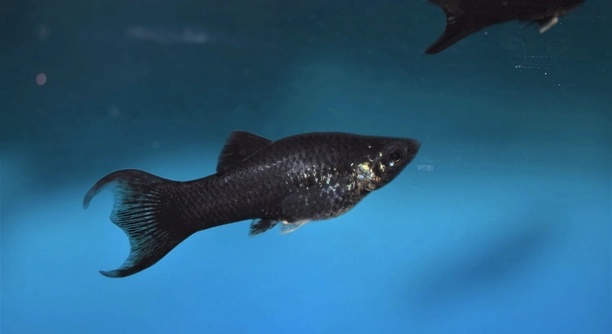
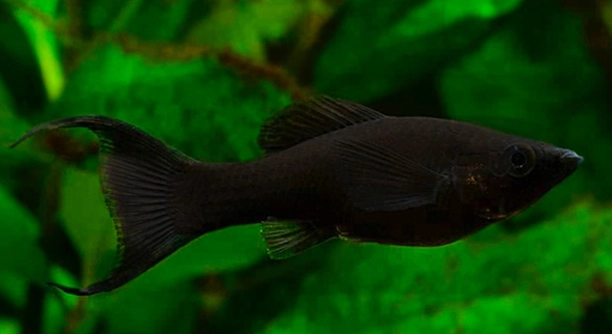
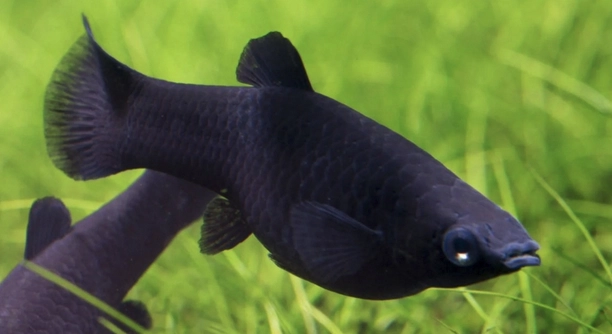
Can Black Molly Live with Snails?

Do you enjoy keeping a small aquarium but find yourself wondering how different species interact peacefully? Many hobbyists seek to create a harmonious environment where fish and invertebrates can coexist comfortably. Observing their behavior can be rewarding. Black mollies can generally live with snails in the same tank. They are peaceful fish that do not … Read more
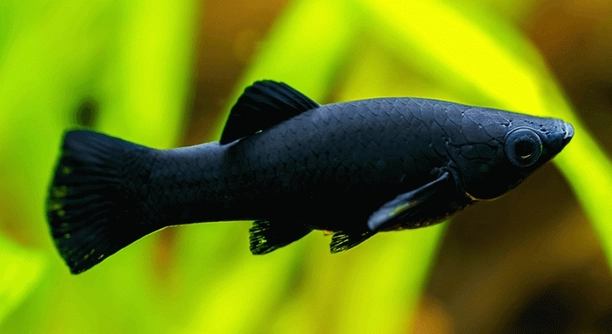
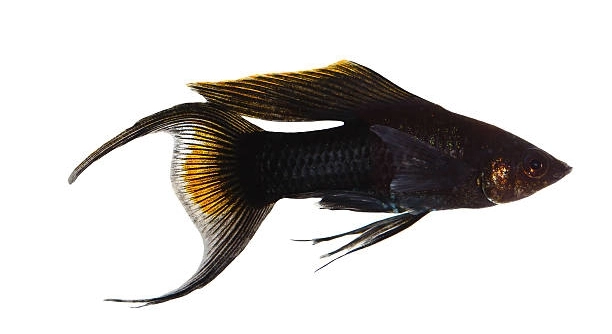
7 Ways to Reduce Waste Buildup for Black Molly

Do you ever find yourself frustrated by cloudy water and leftover debris in your Black Molly tank? Keeping their environment clean can feel overwhelming, but small, consistent steps can make a noticeable difference over time. Reducing waste buildup for Black Mollies involves proper feeding practices, regular tank maintenance, and careful selection of filtration methods. Consistent … Read more

7 Color Changes to Track in Black Molly Growth

Black mollies are fascinating freshwater fish that display subtle changes as they grow. Observing their development can be rewarding, especially when noticing shifts in their coloration over time. Tracking these changes helps understand their overall health. Black mollies undergo distinct color transformations as they mature, influenced by genetics, diet, and environmental factors. Monitoring seven key … Read more

Can You Keep Black Molly with Shrimp?

Have you ever wondered how keeping black mollies with shrimp can shape your tank setup, allowing both species to live calmly while adding gentle movement and a simple sense of harmony to your freshwater environment. Black mollies can live with shrimp when water conditions and habitat structure are carefully maintained, since stable parameters and ample … Read more

7 Early Warning Signs of Trouble in Black Molly Tanks

Are your Black Molly fish acting differently in their tank lately? Observing subtle changes early can prevent serious health problems. Knowing what to look for helps ensure your fish stay active, healthy, and thriving in their aquatic home. Black Mollies often display early warning signs of stress or illness, including reduced appetite, abnormal swimming patterns, … Read more

7 Tips for Feeding Black Molly Fry

Caring for black molly fry can feel a bit overwhelming at first, especially when you want to support their growth with gentle routine and simple feeding habits that keep them healthy from the very beginning. Feeding black molly fry effectively requires offering small portions of nutrient rich foods several times a day, maintaining clean water … Read more

What It Means When Fry Hover Without Moving

Do you ever notice your fry hovering in one spot, motionless for minutes at a time? It can be a bit surprising, especially when you expect them to swim around actively in their tank. Observing these still moments can be intriguing. When fry hover without moving, it is often a sign of rest, stress, or … Read more

Why Are My Black Molly Always Swimming Sideways?

Do you ever notice your black mollies swimming strangely, tilting to one side as they move through the water? Observing this unusual behavior can be worrying, especially when your fish normally swim upright and gracefully. The primary cause of black mollies swimming sideways is swim bladder disorder. This condition affects their buoyancy and balance, often … Read more

Why Are My Black Molly Swimming Away From Each Other?

Are your black mollies no longer swimming together like they used to? Many aquarists notice their fish suddenly separating, creating small gaps in the tank. Understanding their behavior helps maintain a peaceful and healthy aquarium environment. Black mollies may swim away from each other due to stress, overcrowding, water quality issues, or social hierarchy. Changes … Read more

Why Are My Black Molly Fry Always on the Same Side?

Are your black molly fry always gathering on the same side of the tank, creating a tiny cluster that moves together? Many aquarium enthusiasts notice this behavior and wonder what causes it in their freshwater setups. The primary reason black molly fry consistently stay on one side of the tank is due to environmental factors … Read more