
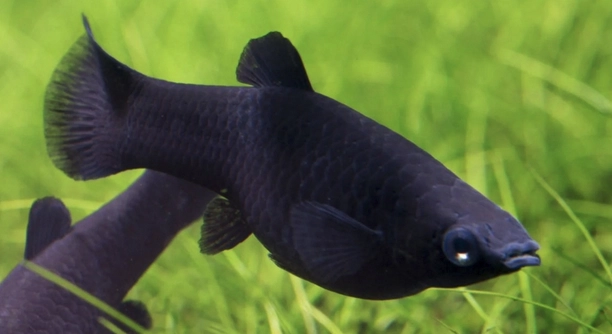
Are your black mollies no longer swimming together like they used to? Many aquarists notice their fish suddenly separating, creating small gaps in the tank. Understanding their behavior helps maintain a peaceful and healthy aquarium environment.
Black mollies may swim away from each other due to stress, overcrowding, water quality issues, or social hierarchy. Changes in temperature, pH levels, or the presence of aggressive tank mates can also influence their movement and spacing.
Learning the reasons behind their separation can improve their comfort and reduce stress in your tank, ensuring a healthier and more harmonious environment for your fish.
Common Reasons Black Mollies Swim Apart
Many black mollies start swimming apart due to changes in their environment. Stress is one of the main factors, often caused by sudden shifts in water temperature or chemistry. Overcrowding in the tank can also lead to separation, as each fish needs personal space to feel comfortable. Aggressive tank mates or competition for food may further encourage black mollies to distance themselves. Social hierarchy plays a role as well. Dominant fish often push others away to maintain their position, while younger or weaker fish seek quieter areas. Even minor disturbances, like frequent tapping on the tank or moving decorations, can make mollies uneasy. Observing your fish’s patterns and noticing when separation occurs helps identify the cause. Adjusting tank conditions carefully, providing hiding spaces, and monitoring feeding routines can restore harmony. Creating a calm, stable environment ensures that black mollies feel safe and more likely to swim together naturally.
Separation among black mollies usually signals discomfort or stress. Paying attention to tank conditions can prevent long-term issues.
Monitoring behavior, maintaining proper water quality, and providing adequate space are key. Small adjustments often result in mollies returning to group swimming. A consistent routine builds their sense of security.
How to Improve Their Swimming Behavior
Ensuring black mollies have enough space is essential for reducing stress and encouraging group activity.
Regular water changes, maintaining proper temperature, and providing hiding spots help mollies feel secure. Overcrowding should be avoided, as each fish needs room to move freely.
Black mollies thrive when the tank mimics natural conditions. A stable temperature, typically between 75 and 82 degrees Fahrenheit, prevents stress-related separation. Clean water with balanced pH and low nitrate levels is critical. Adding plants and decorations provides shelter and reduces conflicts among fish. Feeding routines also influence behavior. Offering small, frequent meals ensures all mollies get enough food without creating competition. Observing interactions helps identify dominant or aggressive fish. Separating aggressive individuals temporarily can prevent long-term stress. Light levels and gentle filtration reduce anxiety, creating a calmer environment. Consistency in tank maintenance, feeding, and environment cues allows mollies to feel safe and more likely to swim together. Attention to these details fosters a peaceful tank where black mollies display natural, coordinated swimming patterns.
Adjusting Tank Conditions
Maintaining stable water temperature and quality is essential. Black mollies respond poorly to sudden changes in pH or nitrates. Proper filtration, gentle water flow, and regular cleaning help reduce stress and encourage natural swimming behavior.
Temperature fluctuations often cause black mollies to separate. Keeping the tank between 75 and 82 degrees Fahrenheit is ideal. Consistent water chemistry supports overall health, while sudden shifts in pH or hardness can lead to discomfort. Overcrowding and lack of hiding spots exacerbate stress, making separation more likely. Monitoring water parameters weekly allows early detection of issues. Adding plants and decorations provides shelter, reducing conflicts and promoting group cohesion. Maintaining a calm environment minimizes sudden movement and disturbances that can scare the fish.
Lighting and tank placement also influence behavior. Bright or direct light may cause discomfort, while tanks near heavy activity or vibrations can increase stress. Positioning the tank in a quiet area and using dimmed or natural light levels encourages black mollies to swim together. Gentle filtration and proper aeration maintain oxygen levels without creating strong currents. Observing their interactions regularly helps identify any ongoing problems, allowing adjustments before stress leads to long-term separation or health issues.
Social Dynamics Among Black Mollies
Dominance hierarchies can cause separation in groups. More assertive fish may push weaker mollies away, creating isolated areas within the tank.
Black mollies establish social structures that influence swimming patterns. Dominant fish often occupy preferred spaces, while submissive individuals retreat to quieter corners. Aggression is usually subtle, such as chasing or nudging, rather than overt attacks. Providing ample hiding spaces and visual barriers allows less dominant fish to feel safe and reduces stress-related separation. Feeding routines also impact social behavior; distributing food evenly prevents competition. Over time, consistent observation helps you understand these hierarchies and make adjustments to tank layout or population density. Correctly managing social dynamics supports calmer, more cohesive swimming patterns and overall fish health.
Feeding and Nutrition
Uneven feeding can cause black mollies to separate, as some fish compete for food while others avoid conflict. Providing small, consistent meals helps all fish eat comfortably.
High-quality, varied diets keep mollies healthy and reduce stress. Including both flakes and occasional live or frozen foods encourages natural behavior.
Tank Size and Space
Limited space often leads to separation and territorial disputes. Ensuring the tank is large enough for the number of fish reduces stress and allows natural swimming patterns to emerge. Plants and decorations create areas for privacy, helping fish feel secure.
Observing Behavior
Regularly monitoring interactions helps detect early signs of stress or aggression. Noticing changes in swimming patterns can indicate environmental issues or social tensions.
Water Quality Maintenance
Consistent water changes, filtration, and testing for pH, ammonia, and nitrate levels are essential. Maintaining clean water supports health, reduces stress, and encourages black mollies to swim together naturally.
Why are my black mollies swimming apart?
Black mollies often swim apart due to stress, environmental changes, or social dynamics. Stress can come from sudden temperature shifts, poor water quality, or overcrowding. Social hierarchy plays a role as well, with dominant fish claiming territory while weaker ones retreat to quieter areas. Observing these behaviors and adjusting tank conditions can help restore harmony.
Can water temperature affect how black mollies swim?
Yes, black mollies are sensitive to temperature changes. Ideal water temperature is between 75 and 82 degrees Fahrenheit. Sudden increases or decreases can make fish uncomfortable, causing them to separate. Maintaining a consistent temperature with a reliable heater ensures that mollies remain calm and more likely to swim together naturally.
Does tank size impact their behavior?
A small or overcrowded tank can lead to territorial disputes and stress. Black mollies need enough space to move freely without competing for hiding spots or swimming areas. Larger tanks with sufficient swimming room, plants, and decorations provide comfort and reduce separation, allowing mollies to display natural social and swimming behavior.
How does feeding influence their interactions?
Uneven feeding often leads to separation as some mollies may dominate food while others retreat. Providing small, frequent meals ensures all fish get adequate nutrition. Using high-quality flakes, occasional frozen or live foods, and spreading food throughout the tank prevents competition and promotes calmer group swimming.
Do tank decorations help prevent separation?
Yes, plants, rocks, and visual barriers reduce stress by offering hiding spots and private areas. Submissive or weaker fish can retreat when needed, avoiding confrontation. Decorations also mimic natural habitats, allowing mollies to explore and swim more freely, which encourages group cohesion and natural patterns.
Can aggressive tank mates cause my mollies to separate?
Aggressive or overly active tank mates can stress black mollies, causing them to hide or avoid certain areas. Separating aggressive fish temporarily or permanently, along with providing sufficient hiding spaces, reduces stress and encourages mollies to swim together comfortably.
How often should I check water quality?
Testing water weekly for pH, ammonia, nitrites, and nitrates is essential. Poor water quality stresses fish, making them more likely to separate. Regular partial water changes, proper filtration, and stable conditions ensure black mollies remain healthy and more sociable.
Will light levels affect their swimming?
Yes, extremely bright or direct light can cause discomfort. Placing the tank in a quieter area with moderate lighting reduces stress. Gentle lighting helps mollies feel safe, promoting group swimming, while sudden flashes or prolonged direct sunlight can trigger hiding or separation behaviors.
Do black mollies separate when stressed by illness?
Illness or infection often causes fish to isolate themselves. Lethargy, loss of appetite, or unusual swimming patterns indicate potential health problems. Early detection and treatment, along with maintaining clean water and proper nutrition, help mollies recover and return to normal social behavior.
How can I encourage black mollies to swim together?
Ensuring a stable, well-maintained environment is key. Proper tank size, clean water, suitable temperature, and regular feeding routines reduce stress. Providing hiding spots, monitoring social interactions, and minimizing disturbances encourages mollies to feel safe and gradually swim together naturally.
Do black mollies ever prefer swimming apart naturally?
Sometimes, mollies swim apart temporarily due to individual preferences or exploring the tank. This behavior is normal if water quality is stable and there are no signs of stress, aggression, or illness. Giving each fish space while maintaining calm conditions supports healthy social patterns.
Can seasonal changes affect their behavior?
Seasonal fluctuations in temperature or light exposure may cause mollies to adjust swimming patterns. Consistency in tank conditions helps mitigate these effects. Using heaters, maintaining filtration, and controlling lighting ensures that black mollies continue to swim together comfortably year-round.
Is overcrowding the main reason for separation?
Overcrowding is a common factor, but not the only one. Social hierarchy, stress, water quality, and environmental factors all influence separation. Providing adequate space, hiding spots, and stable conditions addresses multiple issues simultaneously, helping mollies maintain natural, coordinated swimming behavior.
How long does it take for black mollies to start swimming together again?
The timeline varies depending on the cause. Minor stress or temporary separation may resolve within days, while adjustments to tank size, water quality, or social structure may take several weeks. Regular observation and consistent maintenance speed up the process, ensuring mollies feel safe and comfortable.
Are there signs that separation is serious?
Signs of serious separation include persistent hiding, lack of appetite, erratic swimming, or visible illness. If these appear, immediate action is required, including water testing, reviewing tank conditions, and addressing aggressive fish or disease. Early intervention prevents long-term stress and promotes healthy social behavior among black mollies.
What steps prevent separation from recurring?
Maintain stable water conditions, avoid overcrowding, provide hiding spots, and monitor social interactions regularly. Consistent feeding, gentle lighting, and minimizing disturbances support calm behavior. Regular observation ensures that any changes in swimming patterns are addressed promptly, keeping black mollies comfortable and sociable.
Black mollies are naturally social fish, but there are many reasons they may start swimming apart. Stress is one of the most common causes, often triggered by sudden changes in temperature, water chemistry, or overcrowding. When fish feel stressed, they instinctively seek out areas where they feel safer, which can create gaps in the group. Understanding these behaviors is important for maintaining a healthy tank. By observing your mollies and noting when and where they separate, you can better understand what might be causing the stress and take steps to reduce it. Small adjustments in the environment can have a significant impact on their comfort and overall well-being.
Water quality and tank conditions play a major role in mollies’ behavior. Proper filtration, regular water changes, and stable temperature are essential for reducing stress. Black mollies are sensitive to fluctuations in pH, ammonia, and nitrate levels, which can make them uncomfortable and cause separation. Overcrowding is another factor, as fish need personal space to swim freely without feeling threatened. Providing hiding spots, plants, and decorations can help mollies feel secure while also giving them areas to retreat if they need it. Feeding routines are equally important, as uneven or infrequent feeding can increase competition and push some fish away from others. Maintaining consistency in all aspects of the tank environment helps mollies feel safe and encourages them to swim together naturally.
Social dynamics among black mollies also influence their swimming behavior. Dominant fish often take control of preferred areas of the tank, while weaker or younger fish may keep to themselves. This is a normal part of their behavior and not always a sign of illness or poor care. Observing these interactions can help you decide whether adjustments are needed, such as rearranging decorations, adding hiding spots, or temporarily separating aggressive individuals. Over time, stable conditions, regular feeding, and a well-maintained environment reduce stress and help mollies feel secure. By paying attention to water quality, space, nutrition, and social dynamics, you can create a tank where black mollies swim comfortably together, showing their natural social patterns without unnecessary stress or conflict.

Hello,
If you enjoy the content that we create, please consider saying a "Thank You!" by leaving a tip.
Every little bit helps us continue crafting quality advice that supports the health, happiness, and well-being of pets around the world, for pets of all shapes, sizes, and species.
We really appreciate the kindness and support that you show us!