
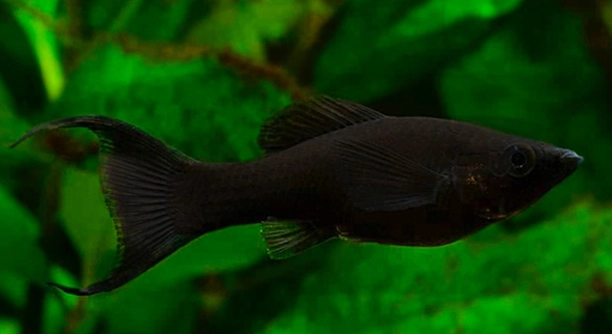
Are your black molly fry always gathering on the same side of the tank, creating a tiny cluster that moves together? Many aquarium enthusiasts notice this behavior and wonder what causes it in their freshwater setups.
The primary reason black molly fry consistently stay on one side of the tank is due to environmental factors such as uneven lighting, water flow, or temperature gradients. Fry naturally seek areas that feel safer and more comfortable for their development.
Understanding why they favor one side can help you create a more balanced and healthy environment for your fry to thrive. Adjusting tank conditions can improve their movement and overall wellbeing.
Understanding Fry Behavior in the Tank
Black molly fry often cluster on one side because they are responding to subtle changes in their environment. Light is one of the main factors affecting their movement. Fry naturally gravitate toward areas where lighting feels less intense or provides a sense of security. Water flow also plays a role. Fry are weak swimmers and prefer calmer sections of the tank. Strong currents push them toward areas with slower movement, often causing them to gather in the same corner. Temperature differences across the tank can influence their positioning as well. Slightly warmer areas often attract fry since warmth aids their metabolism and growth. Tank decorations, plants, and hiding spots give fry comfort and a sense of safety, further encouraging them to stay in one area. Observing your tank closely can reveal patterns in their behavior.
Adjusting light, temperature, and water flow can help fry explore more areas. These small changes improve their activity and health.
Keeping fry in a balanced environment benefits their growth and reduces stress. Ensuring even conditions allows them to swim freely and develop naturally. Paying attention to these details can lead to a more active, healthier group of fry in your aquarium.
Adjusting Tank Conditions
Changing tank conditions slightly can influence fry behavior immediately. Even minor adjustments in flow or light can encourage movement.
To create a more balanced environment, start by observing where fry spend most of their time. Adjusting the water flow can help disperse them across the tank. If lighting is uneven, consider using floating plants or diffusers to soften intense areas. Checking the temperature throughout the tank ensures there aren’t extreme differences that force fry to one side. Adding gentle currents in sections they avoid can promote more exploration while keeping their safety in mind. Rearranging decorations or providing additional hiding spots can make the opposite side of the tank feel secure. Over time, fry will spread more evenly as they gain confidence in different areas. Monitoring their behavior during these adjustments ensures that changes do not cause stress or harm. Creating a balanced environment requires patience and careful observation to meet the needs of these small fish effectively.
Feeding and Fry Distribution
Fry often gather on one side during feeding times. They follow food currents and tend to stay where flakes or pellets are most accessible. Ensuring even food distribution can encourage movement across the tank.
Providing small, frequent meals helps fry access food without competition. Using a feeding ring or sprinkling food evenly allows them to explore different areas. Fry are sensitive to overcrowding and can become stressed if all food falls in one spot. Watching their behavior during feeding can highlight which areas they prefer and help adjust placement to encourage balanced distribution. Over time, evenly distributed meals can reduce clustering on one side and promote healthier growth and activity.
In addition to distribution, the type of food affects their positioning. Fry prefer finely crushed flakes, baby brine shrimp, or specialized fry food. Larger particles may be ignored or cause them to cluster near a single feeding area. Rotating types of food and observing how they respond helps maintain interest and movement. Providing a variety also ensures nutritional balance. Feeding techniques influence both behavior and growth, making small adjustments crucial for their overall wellbeing.
Tank Size and Layout
Smaller tanks often contribute to fry clustering. Limited space forces them into certain areas, especially near hiding spots or calmer regions.
Expanding the tank or rearranging decorations can promote better movement. Fry tend to stay near plants or ornaments for security. Placing decorations strategically creates multiple zones for hiding and exploration. Gentle currents throughout the tank prevent stagnant corners that attract excessive clustering. Removing obstacles that block flow encourages more even distribution. Monitoring how fry adjust to these changes is essential for ensuring their comfort. Tank size and layout significantly affect how fry explore and interact, directly impacting their activity levels.
Plants and hiding spots serve dual purposes in a tank. They offer protection and reduce stress while also guiding fry movement. By creating multiple safe zones, fry are encouraged to leave crowded areas and explore the tank. Spacing plants and ornaments evenly prevents one side from becoming a permanent gathering spot. Using taller plants at the back and shorter ones near the front allows fry to swim freely while still feeling secure. Adjustments to layout, combined with proper feeding and water flow, create a healthier environment where fry can grow evenly and remain active across the tank.
Water Quality Effects
Uneven water conditions can make fry favor one side of the tank. Areas with slightly cleaner or more oxygenated water attract them naturally. Regular testing and adjustments help maintain balance.
Fry are very sensitive to ammonia, nitrites, and pH shifts. Even small differences across the tank can influence their position. Maintaining consistent water quality throughout encourages even distribution and reduces stress.
Lighting Influence
Bright or uneven lighting can cause fry to cluster in shaded areas. Adjusting light intensity and using floating plants helps create comfortable zones for them to explore.
Observing Fry Interaction
Fry often stick together due to social behavior and safety. Grouping reduces stress and makes them feel more secure while swimming.
FAQ
Why do my black molly fry always stay in one corner?
Fry tend to cluster in areas where they feel safest. Factors like water flow, temperature, light intensity, and hiding spots make one side more comfortable. Calm water and shade attract them, while stronger currents or bright light push them away. Adjusting these factors can encourage more movement.
How can I encourage fry to explore the whole tank?
Creating multiple zones with gentle water flow, even lighting, and scattered hiding spots helps fry feel secure while exploring. Feeding food in different areas also encourages them to move. Observing their behavior allows you to identify spots they avoid and adjust conditions gradually.
Does tank size affect fry distribution?
Yes. Smaller tanks naturally limit space, so fry cluster more easily. Larger tanks allow for more swimming room, multiple hiding areas, and better flow, which reduces one-sided gathering. Rearranging decorations and plants in smaller tanks can mimic this effect to some degree.
Can water quality cause clustering?
Absolutely. Fry are highly sensitive to ammonia, nitrites, and pH changes. Slight differences in water quality across the tank can push them to one side. Consistent filtration, water testing, and regular changes help maintain uniform conditions and encourage even distribution.
Does lighting affect where fry swim?
Yes. Bright light can make fry feel exposed and stressed. They naturally gather in shaded areas or near plants. Adjusting the light intensity, using floating plants, or placing a diffuser can create more comfortable conditions, encouraging fry to spread out.
Will decorations and plants help?
Decorations and plants provide hiding spots that make fry feel safe. Strategically placing them throughout the tank creates multiple zones for swimming and reduces clustering. Tall plants at the back and low ones in front allow fry to explore while still feeling secure.
Do fry follow food placement?
They do. Fry will cluster where food is concentrated. Sprinkling food evenly or using a feeding ring helps distribute them across the tank. Offering small, frequent meals keeps all fry active and ensures they have equal access to nutrition.
How does water flow impact fry behavior?
Strong currents push fry to calmer areas. Gentle, consistent flow encourages swimming throughout the tank while avoiding stagnant zones. Adjusting filter output or using diffusers can create balanced flow, helping fry disperse evenly.
Can temperature differences matter?
Yes. Fry are drawn to slightly warmer areas since warmth supports metabolism and growth. Uneven heating in the tank can make them cluster on one side. Checking temperature throughout the tank and maintaining a stable range helps fry feel comfortable.
Is it normal for fry to stick together?
Yes. Fry often school together for safety and social comfort. Grouping reduces stress and provides protection from sudden disturbances. While some clustering is natural, extreme one-sided clustering usually signals environmental factors that need adjusting.
How long does it take for fry to spread out evenly?
It depends on tank adjustments and fry behavior. With proper light, water flow, hiding spots, and food distribution, fry usually begin exploring all areas within days to weeks. Monitoring progress helps ensure conditions remain balanced and stress-free.
Should I rearrange the tank frequently?
Frequent drastic changes can stress fry. Small, gradual adjustments to flow, plants, or decorations are more effective. Observe their reactions, then tweak as needed. This encourages natural exploration without causing fear or panic.
Does overcrowding affect distribution?
Yes. Overcrowded tanks limit swimming space, causing fry to gather in specific areas. Reducing the number of fry per tank or adding extra zones can help prevent excessive clustering and improve overall health.
Can adult fish influence fry position?
Adult fish can intimidate fry, pushing them to certain areas. Keeping fry separate from adults or providing plenty of hiding spots ensures safety and encourages natural movement across the tank.
Are there signs that clustering is harmful?
Excessive stress, lethargy, uneven growth, or frequent hiding indicate clustering caused by environmental stressors. Addressing water quality, light, flow, and food distribution usually resolves these issues. Consistent observation helps catch problems early.
Do fry ever move freely on their own?
Yes. As they grow stronger and more confident, fry explore more areas naturally. Balanced tank conditions and consistent care speed up this process, encouraging independent swimming without clustering on one side.
Can feeding different types of food affect their behavior?
Variety in food keeps fry active and interested in exploring. Small flakes, baby brine shrimp, or specialized fry food encourage movement, while larger or monotonous food may keep them clustered in one spot. Rotating food types ensures both activity and nutrition.
How often should I monitor fry behavior?
Daily observation is ideal. Watching where they gather, how they respond to food, and their interaction with flow and light allows you to adjust tank conditions promptly. Consistent monitoring supports healthy growth and reduces long-term clustering issues.
Is clustering on one side common in all tanks?
It’s common, especially in new tanks or those with uneven conditions. Identifying and adjusting environmental factors usually resolves the problem, helping fry distribute more evenly as they grow and gain confidence in their surroundings.
What’s the simplest way to balance fry distribution?
Focus on even lighting, gentle water flow, consistent temperature, dispersed food, and multiple hiding spots. Observing behavior and making small adjustments over time helps fry spread naturally, stay healthy, and thrive in the tank.
How can I ensure long-term fry comfort?
Maintain balanced water quality, adjust tank layout, and provide proper feeding. Creating a stable, secure environment encourages natural behavior, reduces stress, and supports healthy growth for all fry.
Final Thoughts
Observing black molly fry consistently staying on one side of the tank is a common experience for many aquarists. This behavior is usually influenced by environmental factors rather than a problem with the fry themselves. Fry are naturally sensitive to their surroundings, and they gravitate toward areas that feel safest and most comfortable. Water flow, lighting, temperature, and available hiding spots all play a role in determining where they gather. Strong currents, bright light, or areas with poor water quality can push them toward calmer, more sheltered sections of the tank. Even minor differences across the tank can result in noticeable clustering, as fry instinctively seek stability while they are still growing and developing. Understanding these factors allows you to make thoughtful adjustments that encourage healthier movement without causing unnecessary stress.
Making simple changes to the tank environment can significantly influence fry behavior. Adjusting the water flow to ensure gentle currents in all areas can encourage fry to explore and disperse evenly. Lighting should be balanced, with shaded areas provided using floating plants or diffusers to prevent fry from feeling exposed. Maintaining consistent water temperature and quality throughout the tank is equally important. Even small fluctuations can make one side more appealing than another, which is why regular testing and monitoring are essential. Additionally, arranging decorations and plants to create multiple zones of safety gives fry options for hiding while still allowing them to swim freely. Providing food in different areas of the tank also motivates them to move and reduces clustering during feeding times. Over time, these adjustments help fry explore more, grow stronger, and reduce stress-related behaviors.
Paying attention to these details ensures that fry remain healthy and active as they develop. While it may take some time for them to adjust to new conditions, gradual changes and careful observation are the most effective approach. Fry naturally school together for safety, so some clustering is normal, but extreme one-sided gathering typically signals areas that need improvement. By maintaining balanced water quality, gentle currents, even lighting, and thoughtful tank layout, you can create a comfortable environment that encourages exploration and healthy growth. Small, consistent efforts in monitoring and adjusting tank conditions will lead to a more evenly distributed and active group of fry. In the end, understanding the reasons behind their behavior and taking proactive steps ensures your black molly fry thrive in a safe and balanced tank environment.

Hello,
If you enjoy the content that we create, please consider saying a "Thank You!" by leaving a tip.
Every little bit helps us continue crafting quality advice that supports the health, happiness, and well-being of pets around the world, for pets of all shapes, sizes, and species.
We really appreciate the kindness and support that you show us!