
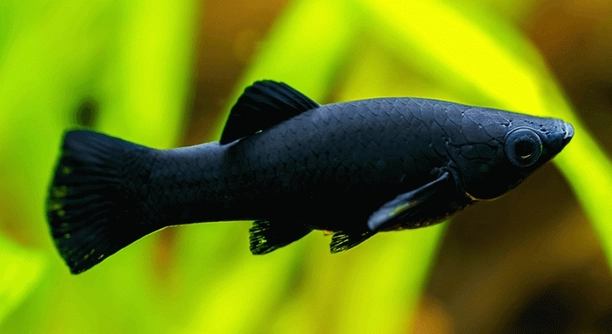
Do you ever find yourself frustrated by cloudy water and leftover debris in your Black Molly tank? Keeping their environment clean can feel overwhelming, but small, consistent steps can make a noticeable difference over time.
Reducing waste buildup for Black Mollies involves proper feeding practices, regular tank maintenance, and careful selection of filtration methods. Consistent monitoring of water quality and removal of uneaten food or organic debris helps maintain a healthy aquatic environment.
Maintaining a cleaner tank benefits your Black Mollies’ health and ensures their vibrant appearance is preserved throughout the year. Following these strategies will simplify daily care and improve tank conditions.
Monitor Feeding Amounts
Overfeeding is a common issue that can lead to excessive waste in a Black Molly tank. These fish have small stomachs, and giving them more food than they can eat in a few minutes results in leftover particles that quickly decompose. Start by measuring food carefully and distributing it in small portions. Observe how much your Mollies consume within three to five minutes. Any uneaten food should be removed immediately to prevent water contamination. Using high-quality, easily digestible pellets or flakes reduces the risk of excess waste and helps maintain proper nutrition. Additionally, feeding smaller amounts multiple times a day can be more effective than a single large feeding. This approach not only prevents waste accumulation but also keeps your fish healthier and more active. Over time, careful feeding habits make a noticeable difference in water clarity and the overall health of the aquarium ecosystem.
Consistent portion control is key to preventing unnecessary waste and keeping the tank clean.
Tracking feeding patterns helps ensure your Black Mollies receive proper nutrition without polluting the tank. Regular adjustments based on behavior improve overall water quality and fish vitality.
Maintain Regular Tank Cleaning
Regular cleaning is essential to manage waste buildup efficiently. Even with proper feeding, debris, fish excrement, and plant matter accumulate, making it necessary to schedule cleaning routines. Partial water changes, gravel vacuuming, and scrubbing surfaces reduce harmful compounds and prevent algae growth. Maintaining a consistent cleaning schedule ensures the environment stays balanced, protecting the health of your Mollies. Using a siphon to remove debris from substrate corners and decorations helps reach areas where waste tends to settle. Avoid cleaning the entire tank at once, as this can disrupt beneficial bacteria essential for biological filtration. Weekly checks of water parameters, such as ammonia, nitrite, and nitrate levels, help track how well cleaning practices are controlling waste buildup. By staying proactive, you create a stable, healthy environment that allows Black Mollies to thrive. Maintaining a clean tank is less stressful for both the fish and the keeper.
Partial water changes, combined with substrate vacuuming, prevent toxic buildup and maintain clear water conditions.
Consistency in cleaning routines preserves water quality, reduces stress on fish, and allows for easier long-term maintenance. By addressing both visible and hidden debris, tank conditions remain stable, minimizing sudden spikes in harmful compounds. Developing a simple weekly schedule makes the task manageable and ensures the aquarium remains safe, healthy, and visually appealing. Over time, this reduces frequent emergencies and keeps your Mollies’ environment balanced naturally. Additionally, combining cleaning with water testing helps detect minor issues before they escalate. Regular maintenance encourages stronger fish immunity and more vibrant activity levels, while preventing common problems associated with waste accumulation, such as poor water clarity and algae overgrowth.
Use Efficient Filtration
A strong filter helps remove waste particles and maintain water clarity. Choosing a filter rated for your tank size ensures efficient mechanical and biological filtration. Regular maintenance of the filter keeps it functioning optimally and prevents buildup inside the system.
Filters capture floating debris, uneaten food, and fine particles that settle in the tank. Biological filtration supports beneficial bacteria, breaking down harmful compounds like ammonia and nitrite. Selecting a filter with adjustable flow allows you to match water movement to Black Mollies’ preferences, avoiding stress. Cleaning filter media on a schedule prevents clogging and maintains circulation, while leaving some media untouched preserves bacterial colonies. Combined with proper feeding, filtration significantly reduces waste accumulation.
Consistent monitoring of the filter and occasional replacement of worn components keeps the system reliable. This approach minimizes maintenance surprises and maintains a stable, healthy environment for Black Mollies. Proper filter choice and care create a balanced tank ecosystem.
Remove Decaying Plant Matter
Dead or decaying plants contribute significantly to waste buildup. Removing them promptly keeps water clean and prevents ammonia spikes that can harm fish.
Check plants daily for yellowing leaves, stems, or other signs of decay. Trim affected areas and remove fully dead leaves. This reduces organic material in the tank and slows algae growth. Using live plants that grow at a moderate rate can help maintain balance, but periodic pruning is necessary. Employing tools like tweezers or scissors keeps removal precise without disturbing fish or substrate. Additionally, removing plant debris before it sinks to the bottom prevents it from decomposing in hard-to-reach areas, making water maintenance easier. Combined with regular water changes, this practice reduces waste accumulation efficiently.
Maintaining healthy plants also contributes to oxygen levels and provides natural filtration. By carefully removing decaying matter, the tank environment stays cleaner, supporting Black Mollies’ health and promoting a more vibrant, active aquarium. Regular plant care complements other waste reduction strategies and ensures long-term stability.
Avoid Overstocking
Too many fish produce excessive waste, overwhelming the tank’s filtration system. Keeping the population balanced prevents water quality issues and makes maintenance manageable.
A moderate number of Black Mollies allows proper circulation and reduces stress on the fish. Overcrowding can lead to faster accumulation of uneaten food and waste, increasing ammonia and nitrate levels.
Use a Gravel Vacuum
Regular gravel vacuuming removes settled debris and fish waste that the filter cannot reach. This prevents buildup at the bottom and maintains clearer water.
Vacuuming also prevents the formation of harmful gases trapped in substrate layers. Performing this task during partial water changes helps maintain a balanced ecosystem without disrupting beneficial bacteria. Gravel vacuuming is simple yet effective in keeping the tank clean.
Rinse Decorations and Equipment
Algae and debris accumulate on ornaments and equipment, adding to tank waste. Rinsing them regularly prevents buildup.
Keeping decorations and equipment free of residue supports cleaner water and reduces hidden waste. Regular attention to these items ensures a healthier environment for Black Mollies.
FAQ
How often should I feed my Black Mollies to prevent waste buildup?
Feeding small portions two to three times a day is ideal. Overfeeding leads to leftover food that decays and pollutes the water. Observe how much your Mollies eat within three to five minutes, and remove any uneaten food immediately. Using high-quality pellets or flakes that are easily digestible reduces excess waste.
What is the best way to clean the substrate without harming my fish?
A gravel vacuum is the most effective tool. During partial water changes, carefully siphon debris from the substrate, focusing on corners and spaces between plants or decorations. Avoid removing all substrate at once, as this can disturb beneficial bacteria. Regular vacuuming reduces buildup and helps maintain a healthier tank.
How do I know if my filter is working properly?
Check for steady water flow and clear water. Filters should trap floating debris and support biological filtration. Clean or replace worn media on a schedule, but avoid replacing all media at once to preserve beneficial bacteria. Adjustable filters allow matching flow to the tank’s size and the fish’s comfort.
Can live plants help reduce waste in a Black Molly tank?
Yes, live plants absorb nutrients from leftover food and fish waste, acting as natural filters. Fast-growing plants help prevent nutrient buildup that can lead to algae growth. Regular pruning is necessary to remove decaying leaves and maintain balance in the tank. Dead plant matter should be removed immediately.
How much water should I change weekly to reduce waste accumulation?
A 20 to 30 percent partial water change weekly is sufficient for most Black Molly tanks. This removes dissolved waste, prevents nitrate buildup, and maintains stable water parameters. Combining water changes with substrate vacuuming and filter cleaning maximizes efficiency.
Is overstocking a problem for Black Mollies?
Yes, too many fish produce more waste than the tank can handle. Overstocking increases ammonia and nitrate levels, stressing the fish and promoting algae growth. Keeping a balanced population ensures a cleaner, healthier environment and makes maintenance easier.
Should I rinse decorations and equipment regularly?
Yes, ornaments, filters, and other equipment accumulate algae and debris. Rinsing them during maintenance prevents hidden waste from decomposing and polluting the tank. Avoid using harsh chemicals; simply use water and a soft brush to clean surfaces safely.
What signs indicate that waste buildup is affecting my fish?
Cloudy water, algae overgrowth, and unusual fish behavior such as lethargy or gasping at the surface are common indicators. High nitrate or ammonia levels can be tested with aquarium kits. Addressing feeding habits, cleaning routines, and filtration efficiency usually resolves these issues.
Can I use a chemical additive to control waste buildup?
Chemical additives are generally unnecessary if proper feeding, cleaning, and filtration practices are followed. Beneficial bacteria in the tank naturally process waste. Using additives without proper knowledge may disrupt the ecosystem. Focus on mechanical and biological maintenance for long-term water quality.
How do I balance all maintenance tasks without stressing my fish?
Spread tasks throughout the week rather than doing everything at once. Partial water changes, gravel vacuuming, filter cleaning, and plant care can be scheduled on different days. This approach maintains stable water conditions, reduces stress on fish, and ensures waste is consistently managed.
Can Black Mollies live in a tank with minimal waste management?
No, neglecting cleaning and feeding routines will lead to poor water quality, which harms fish health. Black Mollies need a combination of proper feeding, filtration, plant care, and routine maintenance to thrive. Consistency is key to preventing harmful waste accumulation.
What is the easiest way to track waste reduction over time?
Keep a log of water clarity, feeding amounts, and cleaning routines. Monitoring ammonia, nitrite, and nitrate levels weekly helps track water quality. Adjusting feeding or cleaning habits based on these observations ensures waste buildup is controlled efficiently.
How often should I prune live plants to prevent extra waste?
Prune once a week or whenever leaves start yellowing or decaying. Removing decaying matter promptly prevents it from decomposing in the tank. Healthy plants also contribute to oxygen levels and nutrient absorption, helping maintain a stable environment for your Black Mollies.
Can switching to pellets or flakes reduce waste more than frozen food?
Yes, high-quality pellets or flakes designed for Black Mollies are more digestible and produce less waste than frozen or live foods. Frozen food can leave residue if uneaten, so combining proper feeding techniques with controlled portions reduces waste effectively.
Is it necessary to test water even if the tank looks clean?
Yes, waste can accumulate invisibly as ammonia or nitrates. Regular testing ensures water parameters are safe for fish. Even with clear water, imbalances can harm Black Mollies, so weekly testing complements other waste reduction strategies and prevents unexpected problems.
How can I encourage natural cleaning in the tank?
Adding snails or small shrimp can help consume leftover food and decaying plant matter. These tank mates support a balanced ecosystem but should be introduced carefully to avoid overpopulation or competition for food. They work best alongside regular cleaning routines rather than replacing them entirely.
What is the role of temperature in waste buildup?
Higher temperatures increase fish metabolism, leading to more food consumption and waste production. Keeping the tank at recommended temperatures for Black Mollies prevents excessive waste and ensures fish remain healthy and active without overwhelming the filtration system.
How do I maintain long-term waste control without constant intervention?
Consistent feeding, regular partial water changes, efficient filtration, and careful plant maintenance are the most effective strategies. Setting a schedule and observing fish behavior allows long-term waste control while keeping the tank environment stable and safe for Black Mollies.
Can a weekly routine prevent major waste problems?
Yes, a structured weekly routine that combines partial water changes, substrate cleaning, plant pruning, and filter maintenance keeps waste under control. Consistency reduces stress on fish, maintains water quality, and minimizes the need for emergency interventions in the tank.
Are there any shortcuts to reducing waste in a Black Molly tank?
No shortcuts replace proper care. Effective waste management relies on a combination of feeding control, regular cleaning, filtration, and plant maintenance. Skipping any of these steps often leads to water quality issues that are harder to fix over time.
Black Mollies are resilient and vibrant fish, but they thrive best in a clean and stable environment. Waste buildup can quickly affect water quality, leading to stress or health issues if left unchecked. By understanding how waste accumulates in the tank, you can take proactive steps to prevent problems before they escalate. Small, consistent habits, such as proper feeding, regular substrate cleaning, and monitoring water parameters, make a significant difference in maintaining a healthy aquatic environment. Over time, these actions become part of a routine, and the benefits to both the fish and the tank’s overall ecosystem are clear.
Filtration plays a key role in waste management. Using a filter suitable for your tank size ensures that debris and uneaten food are removed efficiently, while biological filtration maintains the balance of beneficial bacteria. This process helps break down harmful compounds like ammonia and nitrite, which can be dangerous in high concentrations. Regular maintenance of the filter, along with careful monitoring of water parameters, keeps it functioning optimally. Additionally, live plants act as a natural complement to filtration, absorbing nutrients from leftover food and fish waste, which helps reduce the chance of algae overgrowth. By combining mechanical, biological, and natural filtration strategies, waste can be managed effectively without creating additional stress for your fish.
Consistent care also extends to decorations, equipment, and plant life within the tank. Rinsing ornaments and other equipment removes hidden debris, while pruning and removing decaying plant matter prevents additional organic buildup. Maintaining a moderate fish population prevents overloading the tank, which helps keep waste production manageable. Small adjustments in feeding, careful selection of food, and spreading maintenance tasks across the week reduce the risk of sudden spikes in harmful compounds. Ultimately, keeping a structured routine, paying attention to water quality, and responding promptly to signs of waste accumulation ensures that Black Mollies remain healthy, active, and vibrant. These measures are straightforward, achievable, and, when followed consistently, create a long-term, sustainable environment that supports both the fish and the overall balance of the aquarium.

Hello,
If you enjoy the content that we create, please consider saying a "Thank You!" by leaving a tip.
Every little bit helps us continue crafting quality advice that supports the health, happiness, and well-being of pets around the world, for pets of all shapes, sizes, and species.
We really appreciate the kindness and support that you show us!