
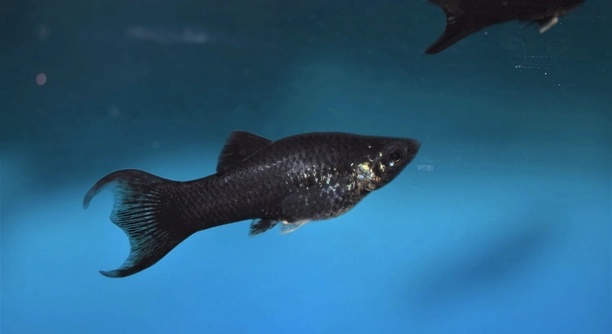
Do you ever notice your black mollies swimming strangely, tilting to one side as they move through the water? Observing this unusual behavior can be worrying, especially when your fish normally swim upright and gracefully.
The primary cause of black mollies swimming sideways is swim bladder disorder. This condition affects their buoyancy and balance, often caused by poor water quality, overfeeding, or bacterial infections. Prompt care can help restore their normal swimming patterns.
Identifying the exact cause quickly can prevent further health problems and improve your mollies’ overall well-being in the aquarium.
Understanding Swim Bladder Disorder
Swim bladder disorder is a common condition in black mollies that affects their ability to maintain balance in the water. The swim bladder is a small organ that helps fish regulate buoyancy, allowing them to stay upright or hover at different depths. When this organ malfunctions, mollies may swim sideways, float upside down, or sink to the bottom. Overfeeding and consuming foods that expand in the stomach can put pressure on the swim bladder. Poor water quality also plays a significant role, as ammonia and nitrite spikes can stress the fish and affect internal organs. Infections caused by bacteria or parasites can inflame the swim bladder, further disturbing swimming behavior. Observing your mollies daily for changes in posture, movement, or appetite can help identify issues early. Adjusting feeding habits, maintaining clean water, and isolating sick fish when needed are practical steps to help them recover and prevent recurrence.
Swim bladder disorder mostly results from diet, water conditions, or infections. Careful monitoring and adjustments can restore normal swimming.
It’s important to act quickly when you see sideways swimming. Early intervention can reduce stress, prevent worsening symptoms, and improve recovery chances. Simple changes like feeding smaller meals, checking water parameters, and providing a stress-free environment can make a big difference for your mollies’ health.
Adjusting Diet and Environment
Feeding habits greatly affect swim bladder health. Overfeeding or giving hard-to-digest foods increases the risk of imbalance.
Providing high-quality, easily digestible foods is essential. Frozen or live foods like daphnia or brine shrimp can help relieve pressure on the swim bladder. Avoid overfeeding, and give small portions once or twice daily. Keeping the tank clean is equally important, as ammonia or nitrate spikes stress the fish. Regular water changes, proper filtration, and stable temperatures create a healthy environment that supports digestion and overall well-being.
Sometimes, fish may need isolation if symptoms persist, allowing better observation and targeted treatment. Medications for bacterial infections can be used under careful guidance. Watching how mollies respond to dietary and environmental changes provides insight into their recovery. By combining proper feeding, tank maintenance, and careful monitoring, you can significantly reduce the chances of recurring swim bladder problems and help your black mollies regain healthy swimming behavior, ensuring a balanced and thriving aquarium.
Common Signs of Stress in Black Mollies
Sideways swimming is often accompanied by other signs of stress, like loss of appetite, clamped fins, or hiding in corners of the tank. Noticing these behaviors early can prevent more serious health issues.
Stress weakens a black molly’s immune system, making it more vulnerable to infections and disorders like swim bladder problems. Changes in water temperature, poor water quality, or aggressive tank mates can all trigger stress. It’s important to observe interactions within the tank and make adjustments if any fish are causing repeated harassment. Providing hiding spots and maintaining stable water conditions reduces stress and helps mollies recover faster.
Physical signs such as faded coloration, rapid gill movement, or unusual swimming patterns often accompany stress. These signals indicate discomfort and potential illness. Regularly checking water parameters, feeding high-quality foods, and limiting sudden environmental changes support a healthier, calmer aquarium. Addressing stress early is key to restoring normal swimming behavior and maintaining overall well-being for your black mollies.
Treatment Options for Sideways Swimming
Adjusting feeding routines and tank maintenance can significantly improve swim bladder issues in black mollies. Small, frequent meals of soft or frozen foods ease digestion.
In more severe cases, isolation in a quarantine tank allows targeted observation and treatment. Medications may be necessary for bacterial or parasitic infections that impact the swim bladder. Raising the water slightly and ensuring gentle filtration can help mollies stabilize their buoyancy. Combining dietary changes, environmental adjustments, and careful monitoring increases recovery chances. Observing how mollies respond over several days allows timely interventions and prevents relapses.
Providing live foods like daphnia or finely crushed pellets can relieve pressure on the swim bladder. Ensuring a stress-free environment with consistent water temperature, minimal disturbances, and adequate hiding spaces supports overall health. By systematically addressing diet, water quality, and potential infections, sideways swimming can be corrected efficiently, allowing black mollies to regain normal swimming behavior and maintain vitality within the aquarium.
Preventing Swim Bladder Problems
Maintaining clean water and stable temperatures is essential. Regular water changes and proper filtration reduce stress and support healthy swimming in black mollies.
Avoid overfeeding and provide easily digestible foods. A balanced diet helps prevent digestive issues that can affect the swim bladder and overall buoyancy.
Tank Setup Considerations
Tank size and layout impact swimming behavior. Overcrowding increases stress and can lead to erratic swimming patterns. Providing enough space, gentle water flow, and hiding spots encourages natural movement and reduces the risk of swim bladder issues.
Monitoring Health Daily
Observing your black mollies daily helps catch early signs of illness. Look for changes in swimming, appetite, or coloration to address problems quickly.
Using Live Foods for Recovery
Live foods like daphnia or brine shrimp can relieve swim bladder pressure. Feeding small, digestible portions supports recovery and improves buoyancy.
FAQ
Why are my black mollies swimming sideways?
Sideways swimming in black mollies is most often caused by swim bladder disorder. This condition affects buoyancy, making it difficult for fish to maintain a normal upright posture. Diet, water quality, infections, and sudden environmental changes are common triggers for this issue. Observing the fish carefully helps determine the underlying cause.
Can poor water quality cause swim bladder problems?
Yes, poor water quality is a major factor. High levels of ammonia, nitrites, or nitrates stress black mollies and can harm internal organs, including the swim bladder. Maintaining regular water changes, proper filtration, and testing parameters ensures a healthier environment and reduces the likelihood of sideways swimming.
Does diet affect swimming behavior?
Absolutely. Overfeeding, feeding hard-to-digest foods, or giving large meals can put pressure on the swim bladder. Foods like frozen or live daphnia and brine shrimp are easier to digest and can relieve pressure, improving swimming posture over time. Small, frequent meals are recommended.
Are bacterial infections linked to swim bladder issues?
Yes. Bacterial or parasitic infections can inflame the swim bladder, leading to buoyancy problems. Treating infections promptly with appropriate medications and isolating affected fish prevents further spread and allows recovery without disturbing healthy tank mates.
How can I reduce stress in black mollies?
Stress directly affects swim bladder function. Overcrowding, aggressive tank mates, sudden temperature changes, or poor water quality increase stress. Providing sufficient hiding spots, stable temperatures, and calm water flow helps mollies feel secure and encourages natural swimming behavior.
Is quarantine necessary for sick fish?
Quarantine is highly recommended for mollies showing sideways swimming. Isolating them allows closer observation, easier treatment, and prevents disease spread. A separate tank with clean water and gentle filtration supports recovery and helps you monitor improvements without risking the main aquarium.
Will live foods help my black mollies recover?
Yes. Live foods such as daphnia act as a natural laxative and reduce pressure on the swim bladder. Feeding small amounts encourages normal digestion, aids buoyancy, and provides essential nutrients for overall health. Combining live foods with proper tank care improves recovery chances.
How long does it take for mollies to recover?
Recovery time varies depending on the cause. Minor issues related to diet or temporary stress may improve within a few days. Infections or chronic problems might require weeks of careful care, water maintenance, and dietary adjustments to restore normal swimming.
Can I prevent swim bladder problems?
Preventing issues involves proper tank maintenance, a balanced diet, and monitoring for stress. Regular water testing, consistent feeding routines, and avoiding overcrowding significantly reduce the risk of swim bladder disorders in black mollies. Preventive care ensures long-term health and stable swimming behavior.
Are sideways swimming mollies in pain?
Sideways swimming itself is not necessarily painful, but it indicates stress or an underlying health issue. Addressing the cause promptly improves comfort and prevents secondary problems that could affect overall health and vitality.
Should I change the tank temperature?
Slight adjustments can help. Mollies thrive in stable, slightly warm water. Sudden drops or spikes increase stress and worsen swim bladder problems. Keeping a consistent temperature appropriate for black mollies supports digestion, buoyancy, and overall well-being.
What if my mollies don’t improve?
If symptoms persist despite proper care, consulting a veterinarian familiar with fish is recommended. Persistent swim bladder issues may indicate more serious internal problems or chronic infections that require professional evaluation and treatment.
How do I monitor daily health?
Watch for changes in swimming, posture, appetite, or coloration. Tracking behaviors and water conditions each day allows early intervention. Quick action prevents minor issues from becoming severe and supports faster recovery for black mollies.
Can tank decorations affect swimming?
Yes. Sharp or crowded decorations can injure fish or block movement, causing stress. Smooth, well-spaced decorations allow natural swimming and reduce collisions that may worsen buoyancy problems. Proper tank layout contributes to both safety and health.
Is it normal for mollies to occasionally swim sideways?
Occasional tilting can happen briefly after feeding or during active play, but frequent or prolonged sideways swimming signals a problem. Consistent observation and corrective care are necessary to ensure long-term health.
What role does exercise play in recovery?
Gentle swimming in a spacious tank encourages proper muscle use and digestion, supporting the swim bladder. Avoid strong currents or aggressive tank mates to allow safe movement that promotes healing and balance.
Can temperature stress cause swim bladder disorder?
Yes, abrupt temperature changes can shock black mollies, affecting internal organs. Maintaining stable water within their preferred range prevents stress-induced swimming issues and supports overall health.
Are all black mollies equally prone to this problem?
Genetics, age, and health history influence susceptibility. Younger or weaker fish are more likely to develop swim bladder issues. Consistent care and monitoring reduce risks across all individuals.
Do tank mates influence recovery?
Aggressive or fast-moving tank mates increase stress, which can worsen buoyancy issues. Pairing black mollies with calm, compatible species helps maintain a stable environment for healing and normal swimming behavior.
Can overfeeding cause long-term problems?
Repeated overfeeding leads to chronic digestive strain and recurring swim bladder issues. Maintaining a controlled diet prevents long-term organ stress and supports healthy, upright swimming.
How often should I perform water changes?
Weekly partial water changes of 20–30 percent are ideal. This removes toxins, stabilizes parameters, and reduces stress, which directly improves swimming posture and overall health for black mollies.
Are there any signs of permanent swim bladder damage?
Persistent sideways swimming, difficulty rising or sinking, or prolonged imbalance may indicate lasting damage. Professional assessment is recommended if improvement does not occur after proper care.
Can stress from handling trigger swim bladder problems?
Yes. Frequent or rough handling increases cortisol levels, affecting buoyancy. Minimizing disturbance and using gentle methods during tank cleaning or feeding prevents additional stress.
Is fasting helpful for recovery?
Short-term fasting of 24–48 hours can relieve digestive pressure on the swim bladder. Follow with easily digestible foods to restore nutrients without causing further buoyancy issues.
Do temperature and pH interact with swim bladder health?
Extreme pH or rapid shifts in temperature affect metabolism and digestion. Keeping parameters within safe ranges prevents stress-related swim bladder problems and supports stable swimming.
Can black mollies fully recover from swim bladder disorder?
With prompt intervention and proper care, most mollies recover fully. Recovery depends on cause, severity, and consistent management of diet, water, and stress factors. Continuous monitoring ensures lasting health and normal swimming behavior.
How can I prevent recurrence?
Regular maintenance, balanced feeding, stress reduction, and monitoring water parameters are key. Preventive care reduces the chance of future swim bladder issues and helps mollies maintain consistent buoyancy and vitality.
Final Thoughts
Black mollies are lively, beautiful fish, and seeing them swim sideways can be concerning. This behavior is usually a signal that something in their environment, diet, or health is off. Swim bladder disorder is the most common cause, but it can also be linked to stress, infections, or poor water conditions. Understanding the reasons behind sideways swimming helps you take the right steps to restore their health. Daily observation is important, as noticing subtle changes in posture, appetite, or coloration can allow early intervention before problems become more serious. A proactive approach ensures your mollies maintain healthy buoyancy and enjoy a stable, comfortable environment.
Maintaining clean water, a proper diet, and a stress-free tank are the foundations for preventing and treating swim bladder issues. Overfeeding and hard-to-digest foods place pressure on the swim bladder, while irregular water quality or sudden environmental changes can add stress. Simple adjustments, like smaller meals, introducing live or frozen foods, and ensuring consistent water parameters, often result in noticeable improvements. Providing a spacious tank with gentle water flow and hiding spots reduces stress and supports natural swimming. If infections are present, isolating the affected fish and providing appropriate treatment is necessary. Combining these measures allows black mollies to recover gradually and reduces the likelihood of recurrence.
Recovery takes patience and consistent care. Some fish respond quickly to dietary or environmental adjustments, while others may need longer periods, especially if infections are involved. Observing their progress daily, tracking behaviors, and making careful adjustments helps ensure recovery stays on track. Stress management, gentle handling, and a stable environment are crucial for long-term health. By keeping water clean, feeding appropriately, and maintaining a calm, well-structured tank, black mollies are more likely to regain normal swimming patterns. With attention and care, swim bladder problems can be resolved, allowing these fish to thrive and remain active, adding beauty and movement to your aquarium.

Hello,
If you enjoy the content that we create, please consider saying a "Thank You!" by leaving a tip.
Every little bit helps us continue crafting quality advice that supports the health, happiness, and well-being of pets around the world, for pets of all shapes, sizes, and species.
We really appreciate the kindness and support that you show us!