
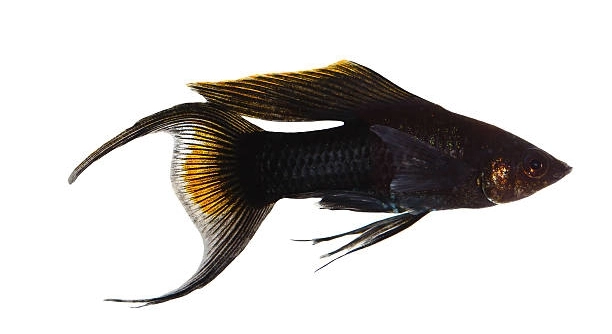
Caring for black molly fry can feel a bit overwhelming at first, especially when you want to support their growth with gentle routine and simple feeding habits that keep them healthy from the very beginning.
Feeding black molly fry effectively requires offering small portions of nutrient rich foods several times a day, maintaining clean water conditions, and ensuring the food particles are appropriately sized to support steady development and reduce waste within their rearing environment.
Learning a few clear basics can help you feel more confident as you guide your tiny swimmers through their earliest stages.
Understanding Their Nutritional Needs
Black molly fry grow quickly, so choosing the right foods from the start helps them stay strong and active. I like to keep things simple by offering crushed flakes, freshly hatched brine shrimp, and finely powdered pellets that are easy for them to grab. These smaller pieces reduce waste and help keep the water cleaner for longer. I also pay attention to how much they finish within a couple of minutes because it prevents extra debris from settling at the bottom. Feeding them several small meals throughout the day supports steady growth without overwhelming their tiny bodies. Clean water is just as important as food, so I perform gentle partial changes to protect their health. Keeping these steps in mind makes feeding less stressful and allows the fry to grow at a steady pace without complications. Simple routine keeps everything balanced and helps the fry feel safe as they develop.
Crushed flakes and tiny live foods offer reliable nutrition while remaining easy for the fry to eat. Small portions prevent water issues and let you monitor their appetite more clearly. Keeping feeding simple helps them stay healthy and supports consistent growth each day without adding extra stress to your routine.
Once the fry begin eating confidently, you can slowly increase the variety of foods. I like to mix micro worms or finely crushed pellets with their usual meals, giving them gentle exposure to new textures. This keeps them interested and supports steady development. It also helps their bodies adjust to different nutrient sources over time. Offering a balanced combination of live and prepared foods gives them steady energy and reduces the chance of weak growth. Staying consistent with feeding times keeps them calm and encourages predictable eating habits that make care easier for you during each part of the day.
Creating a Clean Feeding Environment
Clean water plays a major role in keeping black molly fry strong. Removing leftover food shortly after feeding prevents harmful buildup and helps the tank stay stable. Gentle care supports their growth and protects their delicate bodies while they adjust to their surroundings in a steady and dependable way daily.
Keeping the environment clean begins with simple daily habits that make feeding easier for both you and the fry. I start by checking the water before each meal to make sure it looks clear and smells normal. This quick step helps me catch small issues before they turn into problems. After feeding, I remove any leftover particles using a small pipette so the tank stays fresh. This prevents unnecessary waste from affecting the fry and keeps the filter from working too hard. I also rinse equipment like feeding spoons and cups to avoid introducing contaminants into the water. Regular partial water changes help maintain stable conditions that support steady growth. When the fry are very young, I avoid strong currents because they struggle to swim against them. A gentle flow keeps them comfortable without scattering their food. As they grow, slightly stronger circulation helps move debris so it can be removed easily during maintenance. Clean surroundings help the fry use their energy for growth rather than stress, making each feeding session smooth and predictable. These small habits build a stable routine that supports healthy development and keeps the tank manageable for you as the fry continue growing each day ahead.
Adjusting Portion Sizes as They Grow
Feeding amounts should change as the fry develop, since their bodies need more nutrition with each stage. I keep portions small enough for quick eating, adding slightly more only when I see them finishing everything without leaving extra food behind.
As the fry grow, I watch their behavior closely to understand when they need an increase in food. When they become more active and start searching the tank after finishing a meal, I gently raise the portion size. I still keep meals small, offering several feedings throughout the day instead of giving one large serving. This keeps the water cleaner and helps prevent stress. Overfeeding can cause cloudy water or slow growth, so balancing small increases with stable conditions is important. I also switch to slightly larger food particles as their mouths widen, giving them textures that match their current size.
Portion control helps avoid uneven growth, which can happen when stronger fry outcompete smaller ones. I spread food across the tank so each fry gets a fair chance to eat. When I notice their bodies filling out and their movements becoming more confident, I adjust portions again by adding a few extra particles or slightly increasing live food. These small changes support steady development without overwhelming the tank environment. Careful attention makes feeding easier and keeps the fry progressing at a comfortable pace.
Choosing the Right Feeding Tools
Using simple tools helps feed the fry without disturbing them. I prefer pipettes and small spoons because they let me place food gently where the fry gather. This keeps the tank calm and allows them to eat without unnecessary stress or confusion.
The tools you use can make feeding smoother and more controlled. Pipettes are especially helpful when offering powdered foods or newly hatched brine shrimp, since you can release tiny amounts directly into areas where the fry feel secure. This prevents food from spreading too widely and settling into corners where it becomes waste. I also like using small feeding rings when the fry get older, since they help keep food in one place for easier cleanup. Rinsing tools after every use avoids adding unwanted debris into the tank. Reliable tools make feeding quicker, more predictable, and gentler on the fry, helping them stay focused on eating while you maintain order in their space.
Maintaining a Consistent Feeding Schedule
Keeping meals at the same times each day helps the fry feel secure and ready to eat. I stick to a simple routine with small portions spread throughout the day, which supports their growth and keeps their behavior steady in the tank.
A predictable schedule also makes it easier to monitor how well they are eating. When I notice strong feeding responses at every meal, I know the timing suits them. If they seem hesitant, I adjust the intervals slightly until they settle into a comfortable rhythm that keeps them active and healthy.
Introducing New Foods Gradually
New foods should be added slowly so the fry can adjust without stress. I start by mixing a small amount of the new food with what they already enjoy. Over several days, I increase the ratio while watching their reactions. This gentle approach prevents digestive issues and lets me see what they accept easily. Offering a mix of live and prepared foods gives them balanced nutrition and helps them adapt to different textures. Slow introduction also prevents waste, since I can stop or adjust quickly if something does not suit them. Taking time with changes keeps the feeding process calm and manageable.
Avoiding Overfeeding
Too much food can harm both the fry and the water quality, so I only offer what they finish quickly. Watching their eating pace helps me give just enough to support growth without creating extra waste.
FAQ
How often should I feed black molly fry?
Feeding small fry multiple times a day is essential. I feed mine three to five times daily with tiny portions they can finish within a few minutes. Frequent feedings support their fast growth while preventing leftover food from polluting the water, which can harm delicate fry.
What types of food are best for young fry?
I usually offer crushed flake food, finely powdered pellets, and newly hatched brine shrimp. Micro worms are another option for variety. These foods are easy for tiny mouths to eat and provide balanced nutrition that encourages steady growth. Using small particles ensures they don’t struggle while feeding.
Can I feed adult fish food to the fry?
Adult food is often too large and dense for fry. I sometimes crush it finely, but prepared fry foods or micro pellets are safer. Adult flakes or tablets can cause digestive problems or water contamination if uneaten. It’s better to start with smaller, appropriate-sized food to avoid these issues.
How do I prevent overfeeding?
I measure the amount carefully and offer only what the fry finish in two to three minutes. Any leftover food is removed immediately to protect water quality. Observing their behavior helps me gauge how much is enough. Overfeeding can cause slow growth, disease, and cloudy water.
When can I start introducing new foods?
Once fry are eating confidently and growing steadily, I introduce new foods gradually. Mixing small amounts of a new food with their regular meals helps them adjust. I increase the new food over several days while monitoring their digestion and interest to ensure a smooth transition.
How important is water quality during feeding?
Water quality is critical. I remove uneaten food and perform small partial water changes regularly. Fry are sensitive to toxins, and even small amounts of leftover food can create harmful conditions. Maintaining clean water supports healthy development and prevents stress or illness.
Can fry eat live food every day?
Live food is excellent for nutrition but shouldn’t replace prepared meals entirely. I alternate live and powdered or flake foods to ensure balanced nutrition and reduce the risk of overfeeding. Live foods also stimulate natural hunting behaviors, keeping the fry active and engaged.
What signs indicate fry are not eating enough?
If fry appear smaller than their tankmates, are lethargic, or actively search for food after feedings, they may need more frequent meals or slightly larger portions. Monitoring their growth and behavior daily helps me adjust feeding without harming water quality or overwhelming their environment.
Is it necessary to separate fry from adult fish during feeding?
Yes. Adult fish may outcompete fry, leaving them underfed. I use a breeding box or separate tank until fry are large enough to swim freely with adults. This ensures all fry get fair access to food and reduces stress during feeding.
How long should I continue feeding fry this way?
I maintain this routine until fry reach a size where they can comfortably eat adult food without risk. Typically, this takes several weeks. Consistency in portion size, food type, and feeding frequency during early growth stages ensures healthier, stronger juveniles ready for general tank life.
Can I use frozen or freeze-dried food for fry?
Yes, but it must be finely crushed or powdered. I soak freeze-dried foods before offering them to prevent digestive issues. Frozen options like baby brine shrimp are nutritious, but I monitor the portion size carefully to avoid polluting the water.
How do I know if the fry are getting balanced nutrition?
Healthy, active fry with steady growth indicate balanced nutrition. Bright coloration, strong swimming, and eagerness to feed are signs they are thriving. If fry appear pale, weak, or grow unevenly, I adjust the food variety, portions, or frequency to restore proper nutrition.
What should I do if fry refuse certain foods?
I mix small amounts of new foods with familiar ones, giving them time to accept changes. Fry may ignore a new texture at first, but gradually increasing exposure usually works. Patience and consistency prevent stress and ensure they get the nutrients needed for growth.
Are there any foods I should avoid?
I avoid large flakes, heavy pellets, or human food that could harm their digestion. Foods that dissolve too slowly or contaminate the water are risky. Sticking to powdered, crushed, or micro live foods keeps feeding safe and supports healthy development.
How can I make feeding less stressful for fry?
I feed in calm conditions, gently placing food in areas where fry gather. Avoiding sudden movements or strong currents helps them eat confidently. Small, frequent meals in a stable environment reduce stress and improve their growth, keeping them active and healthy throughout early life stages.
What is the best way to introduce variety without harming water quality?
I rotate small amounts of different foods while observing their intake. Mixing live and prepared foods ensures balanced nutrition. Cleaning leftover food promptly and performing partial water changes keeps the tank stable, letting fry benefit from variety without risking contamination or stress.
How long does it take for fry to grow strong enough for adult food?
Growth rates vary, but most black molly fry are ready in several weeks. I watch for consistent eating, healthy activity, and body size before transitioning. Gradually shifting to larger particles and adult food ensures they adapt comfortably without digestive issues or stress.
How do I monitor feeding success?
Observing how quickly fry eat and their overall health helps me track success. Clean water, steady growth, and active swimming indicate effective feeding. Adjusting portions, frequency, or food type as needed ensures fry continue developing well without overfeeding or malnutrition.
What is the role of live foods in growth compared to prepared foods?
Live foods provide protein and stimulate natural hunting behavior, encouraging activity and stronger muscles. Prepared foods offer balanced nutrients and consistency. I combine both to ensure fry get energy, vitamins, and minerals necessary for rapid growth while maintaining water quality and predictable feeding routines.
How do I balance multiple feeding needs in one tank?
I distribute food in different areas to reduce competition. Smaller portions spread evenly prevent dominant fry from taking too much. Observation helps me adjust placement and portion size, ensuring all fry receive adequate nutrition while keeping the tank clean and stress-free.
Can overfeeding cause long-term issues?
Yes, excess food can lead to poor water quality, slow growth, or health problems. I monitor intake carefully and remove uneaten food promptly. Balanced feeding prevents these issues and supports healthy development, allowing fry to grow steadily into strong adult fish.
How do I handle leftover food safely?
I remove uneaten particles immediately using a pipette or small net. This prevents waste from decomposing, keeps water clear, and reduces the risk of disease. Regular cleaning after each feeding maintains a safe environment for the fry while supporting steady growth and activity.
Are there signs of food intolerance in fry?
Digestive issues, lethargy, or uneven growth can indicate intolerance. I adjust the food type or particle size, often returning to a familiar option until they recover. Monitoring their behavior closely ensures they remain healthy while trying new foods.
How important is observation during feeding?
Observation is key. Watching how fry eat, swim, and interact shows whether portions, food type, or frequency need adjustment. Daily attention helps maintain health, growth, and water quality, making feeding more effective and stress-free for both fry and caretaker.
Can fry eat plant-based foods?
Yes, in small amounts. I use finely powdered spirulina or algae flakes to supplement protein-rich foods. These provide nutrients that support growth and coloration while maintaining digestive health, but they should not replace primary protein sources like brine shrimp or micro worms.
What adjustments are needed for tank size or density?
Higher fry density requires smaller, more frequent feedings to ensure all fish get food without fouling the water. I reduce portions per feeding and increase the number of meals for crowded tanks. Observing behavior and water clarity helps me maintain balance and prevent stress.
How do I transition fry to adult tank conditions?
Once they reach a suitable size, I introduce slightly larger food particles and slowly mix them with adult food. I maintain the same feeding frequency initially, gradually reducing as they adjust. Monitoring water quality and eating behavior ensures a smooth transition.
How do I know if the fry are thriving overall?
Healthy fry are active, eat consistently, show strong swimming, and grow steadily. Bright coloration and interest in food indicate good nutrition. Any signs of weakness or abnormal behavior signal a need to review feeding habits, water quality, or portion control.
What is the most common feeding mistake?
Overfeeding is the most frequent error. It leads to poor water quality, uneven growth, and stress. I focus on portion control, frequent small meals, and monitoring leftover food to avoid these problems. Consistency and careful observation prevent common mistakes.
How can feeding routines be simplified?
I create a schedule with fixed times and measured portions. Using pipettes or small spoons and spreading food evenly makes feeding predictable. Routine ensures fry get proper nutrition while keeping the tank clean and manageable, reducing stress for both the fry and myself.
How do I handle picky eaters among the fry?
I mix their preferred foods with new options slowly, encouraging small changes without forcing them. Patience and observation help identify their preferences and ensure each fry receives adequate nutrition while gradually introducing variety to support growth.
How long should each feeding session last?
Feeding should only last two to three minutes for fry. Observing when they finish ensures portions are appropriate and prevents water contamination. Short sessions maintain calm conditions and reduce stress while providing the nutrients needed for healthy development.
Can feeding affect fry behavior?
Yes, consistent and properly sized meals support active, confident fry. Irregular feeding or overfeeding can cause stress, lethargy, or aggressive competition. I keep a steady schedule with careful portions to maintain calm, healthy, and evenly growing fry.
What adjustments are necessary for different fry ages?
Younger fry need smaller, more frequent meals with very fine particles. As they grow, portions increase and particle size gradually gets larger. Adjusting food type, size, and frequency ensures continued growth, healthy development, and minimizes stress or digestive problems.
How do I prevent food from sinking too fast?
I use fine particles and release them slowly in areas where fry are swimming. For powdered or crushed food, gentle pipetting helps keep it suspended long enough for fry to eat. This prevents waste and ensures even feeding opportunities for all fry.
Can I mix live and prepared foods in one feeding?
Yes, combining small amounts of both ensures balanced nutrition. I start with prepared food as a base and add a few live particles to stimulate activity. Mixing carefully prevents overfeeding and keeps water quality stable while supporting growth.
How do temperature and water conditions affect feeding?
Fry eat more actively in stable, appropriate temperatures. Sudden changes can reduce appetite or cause stress. I maintain consistent warmth and water quality, which helps them feed efficiently and digest nutrients properly, supporting steady growth and healthy behavior.
Is feeding harder in planted tanks?
Plants can trap food, making removal more difficult. I feed small portions near open areas and remove leftover particles promptly. Using a pipette or small spoon helps maintain cleanliness and ensures fry access food without contamination or stress.
How often should I rotate food types?
I rotate foods weekly to provide variety without overwhelming the fry. Small, measured changes prevent digestive issues and support balanced nutrition. Observation helps me see which foods are accepted easily and which need more gradual introduction.
What if fry refuse all new foods?
I return to familiar foods while slowly reintroducing new options over several days. Patience ensures they get nutrients without stress. Gradual exposure encourages acceptance while maintaining growth and healthy activity.
How can feeding routines support coloration?
Including foods with natural pigments, like spirulina or carotenoid-rich flakes, helps enhance color over time. I mix these gradually with their regular meals, giving balanced nutrition while supporting vibrant growth and healthy appearance.
How do I know when to stop increasing portions?
Once fry finish meals quickly without leftovers and show steady growth, portions are sufficient. I avoid adding more than necessary, which protects water quality, reduces stress, and maintains even development among all fry.
Are there risks with powdered foods?
Yes, powder can cloud water if overused. I offer very small amounts, disperse gently, and remove any residue promptly. Proper handling ensures fry get nutrients without harming water quality or their digestive systems.
How important is observation during water changes?
Very important. Watching feeding and water clarity during changes helps me adjust portions, spot leftover food, and prevent stress. Consistent monitoring keeps fry healthy and ensures feeding routines remain effective and safe.
Can feeding routines affect long-term health?
Absolutely. Consistent, balanced feeding promotes strong growth, proper digestion, and immunity. Overfeeding or poor food variety can lead to slow growth, disease, or deformities. I focus on careful portioning, variety, and clean water to support lifelong health.
How can I make tracking feeding easier?
I keep a simple schedule or checklist noting food types, portions, and feeding times. This helps monitor growth, observe changes, and maintain consistent routines. Tracking ensures no fry are underfed and helps prevent water quality issues.
Do fry need extra vitamins?
Properly balanced live and prepared foods generally provide enough nutrients. I avoid supplements unless advised. Excessive vitamins can harm fry. Offering varied foods naturally ensures adequate nutrition for growth, color, and health.
How do I prevent uneven growth during feeding?
Spreading food evenly and monitoring portions helps weaker fry get their share. Small, frequent meals and careful observation prevent dominant fry from taking too much, supporting uniform growth and healthy development for all fry in the tank.
Can feeding practices influence breeding success later?
Yes. Healthy, well-nourished fry grow into stronger adults more capable of successful breeding. Balanced nutrition, consistent portions, and clean water help develop robust bodies and natural behaviors that increase reproductive potential.
How do I adapt feeding when fry are sick or stressed?
I offer smaller, easier-to-eat portions and remove any leftovers quickly. Maintaining clean water and stable temperatures helps recovery. Gentle, careful feeding supports nutrition without adding stress, allowing fry to regain strength efficiently.
How can I encourage shy fry to eat?
I place food near their hiding spots and feed slowly. Gradually, they become more confident and venture out to eat. Small portions and calm surroundings reduce fear and promote consistent feeding habits.
What signs show fry are overfed?
Cloudy water, leftover food, bloated bodies, or sluggish swimming are signs. I reduce portion size, increase cleaning, and observe behavior. Adjusting carefully prevents long-term issues and keeps fry healthy.
How important is consistency in feeding routines?
Consistency builds predictable habits, reduces stress, and ensures steady growth. I feed at the same times daily, use similar portions, and monitor water conditions. Predictable routines make fry healthy, active, and easier to manage throughout their development.
Can feeding schedules be adjusted for weekends or absence?
Yes, small adjustments work if meals are kept frequent enough. I might combine slightly larger portions during a caretaker’s absence but avoid overfeeding. Planning ahead ensures fry continue to receive proper nutrition without harming water quality or growth.
How do I prevent food from sticking together?
I crush or powder flakes and pellets finely, dispersing gently into the water. For live foods, I introduce them slowly to prevent clumping. Proper preparation ensures fry can eat efficiently without leftover debris affecting water quality.
Are there seasonal changes in feeding needs?
Temperature changes can affect metabolism. In warmer water, fry may eat slightly more, while cooler temperatures reduce appetite. I monitor behavior and adjust portions carefully to maintain healthy growth throughout seasonal fluctuations.
How do I handle sudden appetite changes?
I check water quality, temperature, and overall health first. Sudden changes may indicate stress or illness. Adjusting feeding frequency or type, while maintaining clean conditions, helps restore normal appetite and ensures the fry continue growing properly.
What is the best way to introduce brine shrimp?
I hatch them fresh and release small amounts directly where fry are swimming. I avoid dumping large quantities to prevent waste. Brine shrimp provide protein and encourage active feeding without harming water quality when introduced gradually.
How do I avoid food competition among fry?
I spread food evenly across the tank and offer small portions frequently. Observing which fry eat faster helps me adjust placement. This reduces aggressive competition and ensures even nutrition for all fry.
Can overfeeding affect water pH or ammonia levels?
Yes. Leftover food decomposes, raising ammonia and affecting pH. I remove uneaten portions promptly and perform partial water changes to maintain stable, healthy conditions that support fry growth.
How do I manage fry feeding in a community tank?
Using feeding rings, careful portion placement, or temporary separation ensures fry get adequate food. Monitoring intake prevents adult fish from dominating meals and protects fry from stress while still providing balanced nutrition.
What role does patience play in feeding fry?
Patience ensures they adapt to new foods and grow steadily. Gradual changes, careful observation, and consistent routines prevent stress, support health, and allow fry to develop into strong adults without complications.
How can feeding routines support long-term coloration and health?
Balanced diets, including live foods and natural pigments, promote bright colors and strong bodies. Consistent, appropriate portions and routine cleaning maintain a healthy environment, helping fry reach adulthood with optimal appearance and vitality.
How do I handle leftover live foods?
Remove any uneaten brine shrimp or micro worms quickly. They can decay and pollute the water. Offering only small amounts ensures fry eat efficiently while keeping the tank clean and safe for continued growth.
Are there shortcuts that still maintain healthy feeding?
Simple routines with measured portions, basic live and prepared foods, and careful observation save time without compromising fry health. I focus on consistency and cleanliness rather than complexity, which keeps feeding effective and manageable.
Can fry develop feeding preferences too early?
Yes, strong preferences can form if only one type of food is offered. I rotate foods gradually to ensure balanced nutrition while preventing picky behavior that could limit growth or health.
How do I balance protein and plant-based foods?
I mainly rely on protein-rich foods like brine shrimp and micro worms, supplementing with small amounts of spirulina or algae flakes. This balance supports growth, coloration, and digestive health while keeping feeding simple and effective.
What tools make feeding more precise?
Pipettes, small spoons, and feeding rings help place food exactly where fry gather. This minimizes waste, prevents water contamination, and ensures all fry have access to appropriate portions without stress or competition.
How do I know if I am feeding too frequently?
If the tank shows leftover food after each session or water clarity decreases, feeding may be too often or portions too large. I adjust frequency or portion size while observing fry behavior to maintain balance.
How do I manage feeding during tank maintenance?
I feed only after water changes or filter adjustments, ensuring water is calm and clear. This prevents stress and reduces the chance of leftover food mixing with debris, keeping fry healthy and the environment stable.
Caring for black molly fry is a task that requires attention, patience, and consistency. Feeding them properly is one of the most important steps in ensuring their healthy growth. From choosing the right foods to maintaining clean water, each small action contributes to their overall development. I have found that keeping things simple helps the process run smoothly. Offering small, frequent meals, monitoring their behavior, and adjusting portions as they grow allows the fry to thrive without overwhelming their tiny environment. Consistency is key, and creating a steady routine helps both the fry and the caretaker feel more confident in the process. Paying attention to their needs early on can prevent many common problems later, such as uneven growth or stress-related illness.
The variety and size of food are critical factors in supporting fry growth. Using finely crushed flakes, micro pellets, and live foods such as brine shrimp provides essential nutrients while remaining easy for them to eat. Gradually introducing new foods allows fry to adjust without digestive issues, and alternating between live and prepared foods ensures balanced nutrition. Observing the fry during feeding helps determine if they are getting enough to eat, while also preventing overfeeding, which can harm both their health and water quality. Small adjustments in portion sizes and feeding frequency as they grow support steady development. A careful approach to feeding ensures the fry stay active, healthy, and ready for the next stages of their life cycle. It also reduces stress for the caretaker, making the process manageable and predictable.
Maintaining a clean and calm environment is just as important as the food itself. Removing leftover food, performing partial water changes, and using gentle feeding tools all contribute to a stable environment where fry can grow without unnecessary stress. Even small changes in water quality or feeding habits can affect their growth, so consistency in both areas is essential. Over time, these small habits build a strong foundation for the fry’s health, behavior, and eventual transition to adult food. By following these basic principles, fry can grow steadily, remain active, and develop vibrant colors. Paying attention to feeding schedules, portion sizes, and water quality creates a reliable routine that benefits both the caretaker and the fry. With patience, observation, and care, raising black molly fry can be a rewarding experience, providing healthy and strong fish that are well-prepared for life in a community tank or larger setup.

Hello,
If you enjoy the content that we create, please consider saying a "Thank You!" by leaving a tip.
Every little bit helps us continue crafting quality advice that supports the health, happiness, and well-being of pets around the world, for pets of all shapes, sizes, and species.
We really appreciate the kindness and support that you show us!