7 Ways to Know If Black Molly Are Getting Enough Oxygen
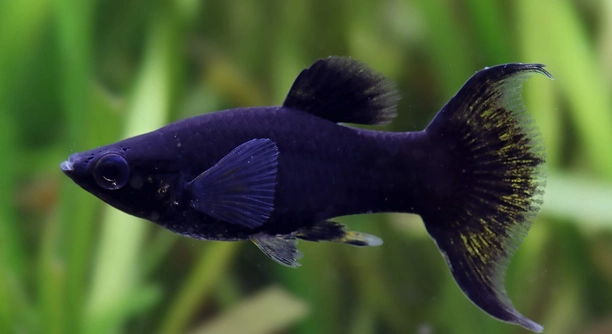
Are your Black Molly fish swimming sluggishly or staying near the surface more than usual? Observing their behavior closely can reveal signs that they may not be receiving adequate oxygen in the tank. Regular monitoring ensures their well-being. Black Molly require sufficient dissolved oxygen to maintain proper respiration and overall health. Signs of oxygen deficiency … Read more
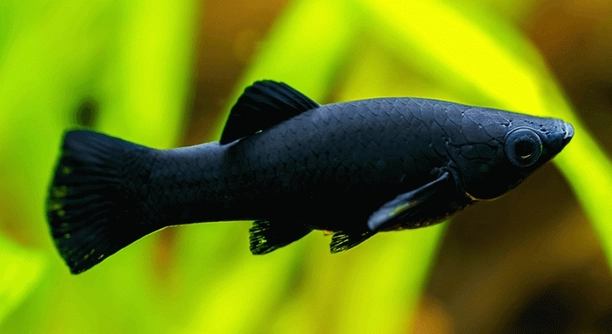
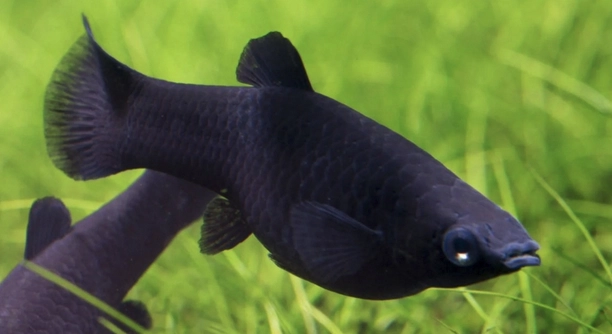
What Black Molly Behavior Tells You About Tank Cleanliness

Black Mollies are active, social fish that often reveal subtle cues about their environment. Observing their swimming patterns and interactions can offer valuable insights into the overall health and cleanliness of a home aquarium. Changes in Black Molly behavior, such as increased hiding, lethargy, or unusual fin movements, often indicate water quality issues. Poor tank … Read more

7 Things to Watch After Black Molly Introductions

Do you ever bring new fish into your aquarium and wonder how they will adjust to their new home? Introducing Black Mollies requires attention, as subtle behaviors can reveal their comfort and health in the tank environment. After introducing Black Mollies, it is important to observe their feeding habits, social interactions, swimming patterns, and overall … Read more

How to Tell Male from Female Black Molly

Male and female black mollies can be difficult to tell apart at first glance. Their sleek black bodies and flowing fins make them visually similar, leaving many fishkeepers unsure of which is which in their aquarium. The most reliable method to distinguish male from female black mollies is by examining the anal fin. Males have … Read more

7 Benefits of a Sinking Diet for Black Molly

Feeding black mollies can be enjoyable, but choosing the right food can sometimes feel confusing. Many aquarists want their fish to thrive, grow, and maintain vibrant colors without complicated diets or supplements. A sinking diet offers seven key benefits for black mollies, including improved digestion, reduced surface competition, consistent nutrient intake, enhanced growth, stress reduction, … Read more

Do Black Molly Need a Tank Background?

Do you enjoy keeping fish but sometimes wonder if the environment you provide affects their well-being? Black mollies are popular for home aquariums, but their habitat needs can be easily misunderstood. Many beginners are unsure how to set up their tanks properly. Black mollies do not require a specific tank background for survival, but adding … Read more

7 Tips for Quarantining New Black Molly

Do you ever bring home a new black molly and wonder how to keep it safe from illness while adjusting to its new environment? Quarantining your fish properly is essential for a healthy start. Quarantining a new black molly involves isolating it in a separate tank, monitoring water parameters, and observing for signs of disease. … Read more

7 Clues Your Fry Are Getting Bullied

Are your fry showing signs of stress or withdrawal during daily routines? Observing their behavior closely can reveal subtle shifts that may indicate social challenges. Early recognition helps in providing the right support and guidance for their well-being. Fry can experience bullying through physical, social, or emotional interactions with peers. Common indicators include sudden changes … Read more

Why Is My Black Molly Fry Pressing Against the Glass?

Is your black molly fry constantly pressing against the glass of its tank? Many aquarists notice this behavior early on, especially with young fish. It can be surprising and even worrying when they seem restless or stuck. Black molly fry pressing against the glass is often a response to environmental stressors, including poor water quality, … Read more

7 Reasons Black Molly Look Bloated (+Fixes)

Black mollies are a beautiful addition to any aquarium, but sometimes they appear swollen or puffy, making owners worried about their health. Understanding why this happens is important for keeping them comfortable and thriving in your tank. Black mollies can appear bloated due to overfeeding, constipation, dropsy, parasites, pregnancy, poor water quality, or stress. Identifying … Read more