
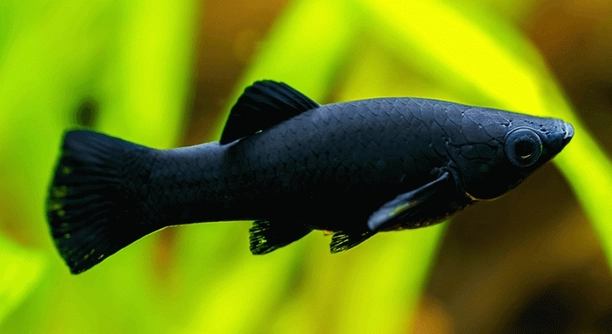
Black Mollies are active, social fish that often reveal subtle cues about their environment. Observing their swimming patterns and interactions can offer valuable insights into the overall health and cleanliness of a home aquarium.
Changes in Black Molly behavior, such as increased hiding, lethargy, or unusual fin movements, often indicate water quality issues. Poor tank cleanliness, excess waste, or inadequate filtration can directly affect their activity, feeding habits, and general well-being.
Monitoring these behaviors regularly allows owners to maintain a healthy, stable aquarium environment for their fish. Proper attention ensures long-term vitality and comfort for Black Mollies.
Recognizing Early Signs of Stress
Black Mollies show stress in ways that are often easy to miss. Sudden hiding, darting across the tank, or rubbing against decorations can all be early signals. Their fins may clamp close to their bodies, or they may lose their usual bright coloration. Some may stop eating or swim near the surface excessively. These behaviors often result from water conditions that are not ideal. Regular observation allows you to catch problems before they escalate. Maintaining proper water temperature, pH levels, and filtration reduces the risk of stress. Feeding the right amount and avoiding overfeeding is also key. Small adjustments, like rearranging decorations or adding plants, can provide hiding spots and reduce stress. Keeping a simple log of daily behaviors can help track changes over time. By staying attentive, you can create a stable environment that encourages natural activity.
Stress in Mollies often reflects subtle cleanliness issues in the tank.
Even minor waste accumulation can cause chemical imbalances. Uneaten food decomposes and adds ammonia, nitrites, and nitrates to the water. Filtration that is clogged or insufficient will allow toxins to build up. Over time, these conditions directly affect fish behavior and health. Tanks that are not cleaned regularly can develop cloudy water, slippery surfaces, or strong odors, all signs Mollies may respond to. Observing their behavior provides early warning signals, giving you the chance to act before serious health problems arise. Simple practices, such as weekly partial water changes, careful monitoring of filtration, and cleaning surfaces, are effective ways to maintain stability. Adjusting feeding habits to avoid excess leftovers also prevents chemical spikes. When these steps are followed, fish regain energy, display natural swimming patterns, and resume regular eating.
Maintaining Optimal Tank Cleanliness
Routine cleaning is essential for healthy Black Mollies. Removing debris, vacuuming substrate, and checking filtration ensures water stays clear and safe. Regular monitoring prevents waste buildup that can trigger stress or disease.
A structured cleaning schedule supports long-term tank health. Weekly water checks, partial water changes, and equipment maintenance keep conditions stable. Over time, consistent cleaning reduces sudden behavioral changes in fish and improves their overall vitality. By observing both water quality and fish behavior, you can identify areas needing attention before they affect the entire tank. Using proper tools like algae scrapers and siphons ensures efficiency without disturbing the fish. Introducing live plants can help absorb excess nutrients and maintain balance naturally. Filtration maintenance is crucial, including rinsing filter media without using harsh chemicals. Water testing for pH, ammonia, nitrites, and nitrates guides adjustments, while careful feeding minimizes leftover food. The combination of these practices creates a cleaner, safer environment, resulting in active, healthy Black Mollies that display natural colors and social behaviors consistently.
Feeding Habits and Water Quality
Overfeeding Black Mollies can quickly impact water cleanliness. Uneaten food decomposes, raising ammonia and nitrate levels, which may stress the fish and cause unusual behavior in the tank.
Proper feeding means offering small portions that fish can consume within a few minutes. Excess food leads to cloudy water and bacterial growth, which directly affects tank health. Observing how much your Mollies eat allows you to adjust portions accurately. Feeding once or twice a day, depending on tank size and fish quantity, helps maintain water balance. Choosing high-quality flakes or pellets ensures nutrition without contributing to rapid waste buildup.
Adjusting feeding habits also encourages natural activity and social behavior among Black Mollies. Fish are more likely to explore, interact, and maintain bright coloration when water remains clean and stable. Consistent portions prevent sudden spikes in toxins, reducing stress and the likelihood of illness. Combining careful feeding with regular tank maintenance strengthens overall fish well-being. Watching feeding routines can be as informative as observing general behavior, providing clear insight into tank cleanliness and environmental stability.
Observing Social Behavior
Black Mollies are social and display specific patterns when comfortable. Changes in schooling, aggression, or hiding often reflect water quality issues or overcrowding.
Monitoring interactions helps identify potential problems early. In a clean, well-maintained tank, Mollies swim in groups, explore together, and show minimal aggression. Sudden dominance displays or isolation can indicate stress caused by poor water conditions, insufficient space, or unbalanced tank population. Healthy Mollies engage with each other consistently, sharing territories without prolonged chasing or fin nipping. Observing these patterns offers clues about environmental stability.
Maintaining proper tank conditions supports positive social behavior. Ensuring adequate space, proper filtration, and clean water reduces stress and discourages aggression. Mollies respond to consistency in lighting, temperature, and feeding, which promotes routine and security. Providing hiding spots and visual breaks prevents conflicts and allows shy fish to retreat safely. Adjusting stocking levels to match tank size ensures each fish has room to swim freely. Healthy social interactions reflect overall tank cleanliness and proper care, helping Mollies display natural behaviors confidently and consistently.
Water Temperature and Behavior
Black Mollies are sensitive to temperature fluctuations. Sudden changes can cause lethargy, hiding, or erratic swimming, signaling that tank conditions need attention.
Maintaining a stable temperature between 75-82°F supports activity and feeding. Using a reliable heater and thermometer helps prevent stress and encourages normal behavior in the tank.
Algae Growth and Cleanliness
Excessive algae indicates nutrient imbalance and poor water maintenance. Algae can reduce oxygen levels, affect swimming, and signal the need for cleaning. Proper lighting schedules and regular substrate cleaning help control algae while keeping the tank healthy and visually clear.
Filter Efficiency
A well-maintained filter removes debris, toxins, and waste efficiently. Clogged or inadequate filtration leads to cloudy water, increased ammonia, and behavioral changes in Black Mollies, emphasizing the need for routine checks and timely cleaning.
Tank Decorations and Hiding Spots
Providing plants and hiding spots reduces stress and prevents aggression. Balanced decorations create comfortable spaces, encouraging natural behavior and overall well-being in Black Mollies.
FAQ
How can I tell if my Black Mollies are stressed due to water quality?
Stress signs include hiding more than usual, clamped fins, loss of color, reduced appetite, or erratic swimming. Observing these behaviors over several days can indicate water quality issues. Regular testing for ammonia, nitrites, nitrates, and pH helps confirm whether the tank environment is affecting your fish.
What is the best feeding routine to maintain tank cleanliness?
Feed small portions once or twice daily. Only give what the fish can eat in a few minutes. Overfeeding leads to uneaten food that decomposes, increasing ammonia and nitrate levels. High-quality flakes or pellets provide proper nutrition without creating excess waste. Adjust portions based on fish activity and appetite.
How often should I clean the tank to keep Black Mollies healthy?
Partial water changes of 20-30% weekly are ideal. Vacuum the substrate, remove debris, and rinse filter media without harsh chemicals. Cleaning ensures toxins do not accumulate and prevents cloudy water. Consistent maintenance supports fish activity, feeding, and overall health.
Can algae indicate a problem with my tank?
Yes. Excessive algae growth often signals nutrient imbalance, overfeeding, or inadequate cleaning. Algae can reduce oxygen and alter fish behavior. Controlling light exposure, cleaning surfaces, and removing waste regularly helps maintain balance while keeping the tank visually clean.
How do social behaviors reflect tank conditions?
Healthy Black Mollies swim in groups, explore together, and show minimal aggression. Isolation, increased chasing, or hiding can indicate poor water quality, overcrowding, or stress. Monitoring interactions helps detect problems early and guides adjustments in tank care.
Why is filter maintenance important for behavioral health?
A clogged or weak filter reduces water flow and allows toxins to build up. This can cause lethargy, hiding, and stress in Mollies. Cleaning filters, replacing media as needed, and ensuring proper flow maintains water quality and encourages normal activity.
What role does temperature play in Black Molly behavior?
Temperature affects metabolism and activity. Sudden drops or rises can cause lethargy, erratic swimming, or loss of appetite. Keeping the tank between 75-82°F with a stable heater and thermometer reduces stress and promotes normal behavior.
Are tank decorations important for well-being?
Yes. Plants, rocks, and hiding spots reduce stress, prevent aggression, and encourage natural behavior. Balanced decoration provides security for shy fish while maintaining open swimming areas. It also helps distribute fish activity and reduces territorial disputes.
How can I prevent sudden behavioral changes in my Mollies?
Regular cleaning, proper feeding, stable temperature, and monitoring water quality prevent sudden stress responses. Observing fish behavior daily and maintaining consistency in their environment ensures stability and reduces the risk of illness or aggression.
What should I do if I notice unusual swimming or lethargy?
Check water quality immediately for ammonia, nitrites, nitrates, and pH. Inspect filters, temperature, and feeding habits. Partial water changes, cleaning debris, and ensuring proper filtration can restore normal conditions. Observing behavior closely helps track improvements or ongoing issues.
How can I balance multiple factors to keep the tank clean and fish healthy?
Maintain a weekly cleaning routine, feed appropriate portions, monitor water parameters, and observe social behavior. Adjust tank decorations and provide hiding spots. Combining these practices creates a stable environment, reducing stress and supporting active, healthy Black Mollies consistently.
Black Mollies are excellent indicators of tank health. Their behavior often reflects subtle changes in water quality, temperature, and cleanliness. Observing them daily provides valuable information about the overall condition of the aquarium. Signs such as hiding, clamped fins, lethargy, or unusual swimming patterns usually indicate an imbalance in the tank. Paying attention to these behaviors allows adjustments to be made before problems become serious. Small steps, like cleaning the substrate, monitoring water parameters, and checking the filtration system, can make a significant difference in maintaining a stable environment. Keeping track of daily behavior also helps recognize gradual changes that may not be immediately obvious, ensuring that Mollies remain active and healthy over time.
Maintaining proper tank cleanliness is crucial for the long-term well-being of Black Mollies. Regular partial water changes, removal of uneaten food, and cleaning of filter media prevent harmful chemicals from building up. Overfeeding is a common issue that can quickly degrade water quality, so feeding only what fish can consume in a few minutes is essential. Algae control is another important factor, as excessive growth can reduce oxygen levels and affect fish behavior. Balanced decorations and sufficient hiding spots reduce stress and encourage natural activity. Observing social behavior, including schooling patterns and interactions between individuals, also provides insight into tank stability. Healthy Mollies swim together calmly, display bright coloration, and feed consistently, all of which are signs of a well-maintained tank.
A consistent routine and careful observation are the keys to supporting Black Mollies. Attention to water quality, feeding habits, and social interactions ensures that the tank remains a safe and comfortable environment. Monitoring temperature, light exposure, and filtration helps maintain stability and reduces stress, while adjustments to decorations or stocking levels can prevent territorial disputes or overcrowding. Combining these practices allows fish to display natural behaviors, maintain healthy coloration, and interact socially without signs of stress. By staying proactive and attentive, it becomes easier to prevent problems before they arise, keeping Black Mollies active, healthy, and vibrant. Maintaining these standards not only improves the immediate environment but also supports the long-term vitality of the aquarium and the enjoyment of observing these fish.

Hello,
If you enjoy the content that we create, please consider saying a "Thank You!" by leaving a tip.
Every little bit helps us continue crafting quality advice that supports the health, happiness, and well-being of pets around the world, for pets of all shapes, sizes, and species.
We really appreciate the kindness and support that you show us!