
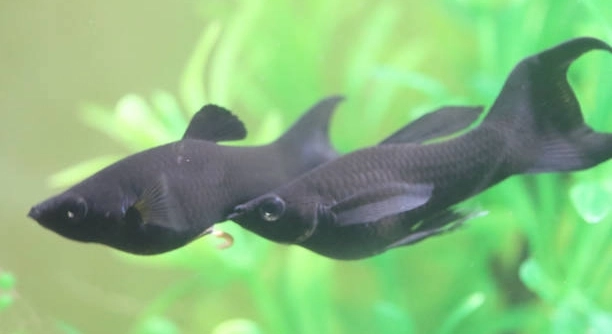
Do you enjoy keeping fish but sometimes wonder if the environment you provide affects their well-being? Black mollies are popular for home aquariums, but their habitat needs can be easily misunderstood. Many beginners are unsure how to set up their tanks properly.
Black mollies do not require a specific tank background for survival, but adding a background can reduce stress and mimic natural environments. A subtle backdrop helps minimize reflections and creates a sense of security for the fish.
A simple background can enhance both the appearance of your tank and the comfort of your mollies. This small change can make a noticeable difference in their daily behavior.
Choosing the Right Background for Black Mollies
Selecting a suitable background for black mollies can have a subtle yet important effect on their behavior. Many people overlook this detail, but a background can help reduce stress by limiting excessive reflections from the tank glass. Reflective surfaces can confuse fish and cause them to dart around more frequently, increasing their energy expenditure. Using darker colors often works best because black mollies contrast nicely against them, making them more comfortable and easier to observe. Natural scenes, like plants or rocks, also provide visual security and mimic aspects of their native habitats. While some prefer solid colors for simplicity, patterned backgrounds can offer variety without overwhelming the fish. Positioning the background so that it covers all sides visible to the fish can create a calmer environment. Even subtle additions, like a gentle gradient or faint texture, can improve the overall atmosphere and encourage more natural behaviors from black mollies over time.
Backgrounds improve tank aesthetics while helping mollies feel more secure. Fish appear calmer and more settled with the right setup.
A carefully chosen background also impacts tank lighting. Darker backgrounds reduce glare from overhead lights, preventing stress and creating a more consistent visual environment. Lighter backgrounds can reflect too much light, making fish more skittish. Natural imagery can encourage exploration without adding actual obstacles, helping fish exercise and remain active. Over time, mollies often show improved coloration and behavior when they feel safe in their space. Even minor changes, like swapping a plain background for a subtle plant design, can make the tank feel more complete and intentional. Observing how your mollies respond to different backgrounds provides valuable insight into their preferences, allowing you to tailor the environment to their needs. With proper selection and placement, a background can enhance both the fish’s comfort and the overall enjoyment of your aquarium.
Materials Suitable for Tank Backgrounds
Plastic or vinyl backgrounds are easy to apply and clean, making them a common choice for many hobbyists.
Paper, foam, and textured fabric can also work but may need more careful maintenance. Vinyl is durable and resists moisture, while adhesive options stick directly to the outside of the tank. Non-adhesive sheets are convenient for temporary changes and allow repositioning. Laminated prints offer vibrant colors and patterns without fading quickly. Some hobbyists even use natural-looking materials, like cork or pressed leaves, to achieve an organic effect. Whatever material is chosen, ensuring it does not leach chemicals or alter water quality is essential. Backgrounds should be installed carefully to avoid bubbles or gaps, which can look untidy and distract from the tank’s appearance. A well-installed background improves visual appeal, reduces reflections, and encourages black mollies to swim confidently, making the aquarium a more enjoyable and healthy space for both the fish and the observer.
Placement and Lighting Considerations
Positioning the background properly can reduce reflections and make fish feel safer. Light placement should avoid harsh glare, and darker backgrounds often pair well with softer lighting to create a calmer tank environment.
Proper placement of the background is key to maintaining a stress-free environment. If it is uneven or only partially covers the tank, reflections can confuse black mollies, causing them to swim erratically. Combining a well-placed background with moderate lighting helps highlight their coloration while keeping them relaxed. Overhead lights should be positioned to avoid direct glare on reflective surfaces. Watching how the fish respond can guide small adjustments, ensuring that both aesthetics and fish comfort are balanced effectively in the tank setup.
Lighting interacts with the background to influence mood and visibility. Softer lights reduce reflections and prevent shadows from startling the fish. Bright lighting may cause stress if paired with a light-colored or reflective background. A darker or natural-toned background balances the brightness and makes colors pop naturally. Experimenting with different light angles can help determine the best setup for both fish well-being and tank appearance. Combining appropriate background placement with adjusted lighting can create a harmonious environment that encourages natural swimming patterns and improves the overall health of black mollies.
Maintenance and Cleaning of Tank Backgrounds
Cleaning backgrounds regularly prevents algae buildup and keeps the tank looking tidy. Gentle scrubbing or wiping is usually sufficient.
Backgrounds made from vinyl or plastic are easiest to maintain. Removing the background occasionally allows you to clean both sides without disturbing the fish. Avoid harsh chemicals that could leach into the water, as this may harm mollies. For adhesive or paper backgrounds, careful wiping with a damp cloth is safer. Even textured backgrounds can be cleaned gently with a soft brush to remove debris or algae. Maintaining the background helps reduce stress by keeping visual distractions minimal. Regular checks ensure that the material stays intact, preventing peeling or curling that could affect tank aesthetics.
Well-maintained backgrounds also extend their lifespan. Vinyl and laminated sheets last longer when cleaned carefully, avoiding scratches and tears. Adhesive backgrounds may require replacement over time, especially if exposed to humidity or direct water contact. Consistent upkeep prevents buildup of dirt or algae, which can affect the tank’s appearance and fish comfort. A clean, intact background supports the natural behavior of black mollies by providing a secure and predictable environment. Integrating regular background maintenance into the overall aquarium cleaning routine ensures the tank remains visually appealing while contributing to the long-term health and happiness of the fish.
Common Mistakes with Tank Backgrounds
Using a background that is too bright can stress black mollies. Busy patterns may overwhelm the fish and reduce their sense of security.
Placing the background incorrectly, leaving gaps or bubbles, can create confusing reflections. Choosing materials that degrade in water or using harsh adhesives can also harm the fish and ruin the tank’s appearance.
Matching Backgrounds with Tank Decor
A background should complement the tank’s plants, rocks, and decorations. Dark or natural tones often highlight the fish’s color while blending with the overall setup. Coordinating the background with decor creates a cohesive look, making the tank visually appealing without overstimulating black mollies.
Temporary vs. Permanent Backgrounds
Temporary backgrounds allow flexibility for changing tank setups or experimenting with colors. Permanent options offer durability but may be harder to replace or adjust over time.
FAQ
Do black mollies need a background to feel safe?
Black mollies do not require a background to survive, but having one can help them feel more secure. A solid or natural-looking background reduces reflections from tank glass, preventing stress and erratic swimming. Many owners notice their mollies appear calmer and explore more when a background is added.
Can any type of background be used for black mollies?
Not all backgrounds are suitable. Vinyl, plastic, or laminated sheets are safest because they resist water and are easy to clean. Paper or foam can work but may degrade or collect algae quickly. Avoid anything that could leach chemicals into the water, as it may harm the fish.
Should the background match the tank decorations?
Matching the background with tank decor is not mandatory, but it improves aesthetics and creates a visually comfortable space for the fish. Dark or natural tones complement plants, rocks, and substrate while highlighting black mollies’ color. Coordinated backgrounds also reduce visual stress and make the aquarium more enjoyable to observe.
How often should I clean the background?
Backgrounds should be checked and cleaned regularly. Vinyl or plastic sheets can be gently wiped down or removed for thorough cleaning. Adhesive backgrounds require careful wiping to avoid peeling. Cleaning prevents algae buildup, maintains a tidy appearance, and ensures the fish remain in a comfortable environment.
Will a background affect tank lighting?
Yes, backgrounds can influence how light is distributed in the tank. Dark backgrounds reduce glare and shadows, while light or reflective backgrounds can increase brightness, sometimes stressing the fish. Adjusting overhead lights to complement the background helps maintain a calm, well-lit environment that enhances the fish’s natural colors.
Can I change my tank background frequently?
Temporary backgrounds offer flexibility and allow you to experiment with different looks. Permanent backgrounds are more durable but harder to replace. Frequent changes should be gradual to avoid confusing or stressing the fish. Observing mollies’ reactions can guide decisions on which backgrounds they prefer.
Do backgrounds help with fish coloration?
Yes, backgrounds can subtly enhance black mollies’ coloration. Darker or natural tones contrast with their bodies, making colors appear richer. Stress-free environments supported by suitable backgrounds also contribute to better overall health, which can influence the brightness and vibrancy of their appearance.
Are reflective backgrounds bad for black mollies?
Reflective backgrounds are generally not ideal. They can create confusing mirror images, causing fish to dart or display nervous behavior. Minimizing reflections with solid or textured backgrounds helps black mollies feel more secure and exhibit natural swimming patterns.
Is there a size recommendation for backgrounds?
Backgrounds should cover as much visible glass as possible. Partial coverage may leave reflections that stress the fish. Full coverage creates a consistent environment, reducing visual disturbances. Even subtle textures or gradients are effective if the entire visible area is considered.
Can backgrounds prevent aggressive behavior in black mollies?
While backgrounds do not stop aggression entirely, they can reduce stress-related behaviors. By minimizing reflections and providing a sense of enclosure, backgrounds help mollies feel safer, which can decrease chasing or skittish reactions. Combining backgrounds with proper tank size and hiding spaces further supports peaceful interactions.
Do I need to remove decorations when installing a background?
Not always. Some backgrounds can be applied behind existing decorations. However, for adhesive or large vinyl sheets, removing decorations temporarily ensures smooth installation and avoids air bubbles. Proper placement helps maintain a clean, professional look and supports the fish’s comfort.
How do I choose between patterned and solid backgrounds?
Solid backgrounds are simple, reduce reflections, and emphasize fish coloration. Patterned or natural designs add depth and mimic natural habitats. Choose based on your tank’s theme and how the fish respond. Observing their behavior after installation can indicate which option makes them feel more secure.
Can a background help new mollies adjust to a tank?
Yes, backgrounds can make acclimation easier. New fish may feel exposed in an empty tank, so a background provides a sense of enclosure. Combined with hiding spots and gentle lighting, backgrounds help mollies adapt more quickly and reduce stress during the first days in a new environment.
Is there any maintenance difference between temporary and permanent backgrounds?
Temporary backgrounds are easy to remove and clean but may shift or curl if not secured well. Permanent backgrounds last longer and stay in place but require careful cleaning to avoid damage. Both types need regular maintenance to prevent algae buildup and maintain a comfortable space for the fish.
Can I combine a background with floating plants?
Yes, backgrounds complement floating or planted aquariums. While the background provides a sense of security, plants add natural cover and enrichment. Together, they create a balanced environment that reduces stress and encourages natural behaviors like exploring, grazing, and schooling.
Will adding a background affect water parameters?
Most commercial backgrounds do not affect water chemistry if properly installed. Avoid backgrounds that can leach dyes, adhesives, or chemicals. Regular monitoring of water quality ensures that the tank remains safe for black mollies and that any changes are noticed early.
How do I know if my fish likes the background?
Observe swimming patterns and behavior. Calm, exploratory movements indicate comfort, while darting or hiding may suggest stress. A suitable background encourages black mollies to swim freely, display natural behavior, and interact confidently with their environment, showing they feel secure.
Are there DIY options for backgrounds?
Yes, homemade backgrounds using safe, non-toxic materials can be effective. Options include laminated prints, foam, or waterproofed paper. DIY backgrounds allow customization of color and pattern, but safety and durability must be considered to prevent harm to the fish or water contamination.
Do backgrounds need to be replaced over time?
Yes, depending on material and condition. Vinyl and laminated sheets last longer, while paper or adhesive backgrounds may degrade or fade. Replacing worn backgrounds prevents peeling, discoloration, or algae buildup, ensuring a clean, comfortable environment for black mollies and maintaining tank aesthetics.
Can backgrounds influence breeding behavior?
Backgrounds that reduce stress and provide visual security can indirectly support breeding. Calm, comfortable environments encourage natural behaviors, including pairing and spawning. While backgrounds alone do not trigger reproduction, they contribute to an overall habitat that supports healthier, less stressed fish capable of breeding successfully.
How much does background color matter for black mollies?
Color affects comfort and visibility. Dark or neutral colors reduce stress and reflections, while bright colors may startle or overstimulate fish. Choosing colors that contrast well with black mollies highlights their appearance and supports a calm, visually appealing environment that promotes natural behavior.
Are there environmental benefits to using a background?
Backgrounds provide a more controlled visual environment, which can reduce stress, improve swimming behavior, and indirectly support better feeding and health. Combined with appropriate decor and lighting, backgrounds help mimic natural conditions, encouraging natural habits and creating a balanced aquarium ecosystem for black mollies.
Black mollies are resilient fish that can live comfortably without a background, but adding one can make a noticeable difference in their daily behavior. A background helps reduce reflections and creates a sense of enclosure, which can lower stress and make the fish feel safer in their environment. When black mollies feel secure, they tend to swim more calmly, explore their surroundings, and display more natural behaviors. Even small details, like a subtle dark color or a simple plant pattern, can improve the overall comfort of the tank. While it is easy to overlook, the presence of a background can positively affect both the fish and the way the tank looks.
Choosing the right background involves considering material, color, and placement. Vinyl or plastic sheets are practical because they resist moisture, are easy to clean, and last longer. Paper or foam can work but may need more careful handling to avoid damage or water exposure. Darker or natural-toned backgrounds usually work best, as they reduce reflections and allow black mollies’ colors to stand out. Placement is equally important: covering the visible glass evenly and avoiding gaps ensures the fish do not get distracted or stressed by confusing reflections. A well-placed background complements the tank’s decor, from plants to rocks, creating a cohesive and visually pleasant environment for both the fish and the viewer.
Maintenance is a simple yet important part of keeping a background effective. Regular cleaning prevents algae buildup and keeps the tank looking tidy, which supports the health and comfort of black mollies. Temporary backgrounds are easy to remove and clean, while permanent ones require gentle care to avoid peeling or damage. Observing the fish after adding a background helps determine whether the choice suits them, as calmer and more confident swimming is a clear sign of comfort. Overall, a carefully selected and maintained background not only improves the appearance of the aquarium but also contributes to the well-being of black mollies, helping them thrive in a secure and visually appealing environment.

Hello,
If you enjoy the content that we create, please consider saying a "Thank You!" by leaving a tip.
Every little bit helps us continue crafting quality advice that supports the health, happiness, and well-being of pets around the world, for pets of all shapes, sizes, and species.
We really appreciate the kindness and support that you show us!