Do Black Molly Like Light or Shade?

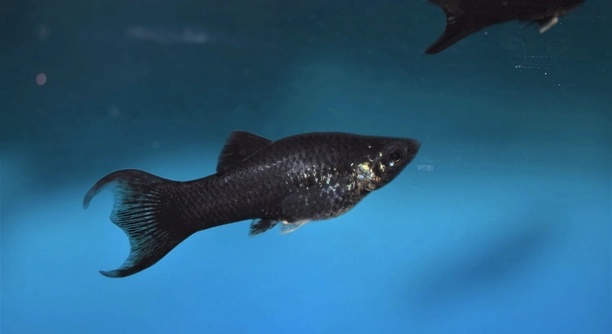
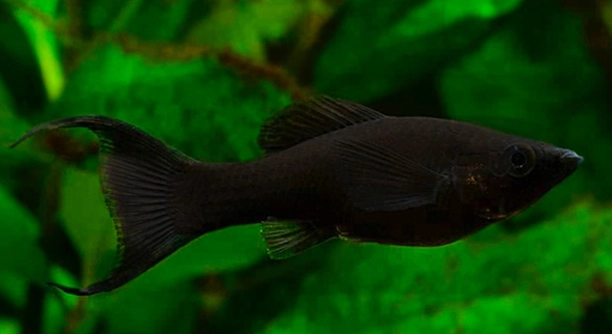
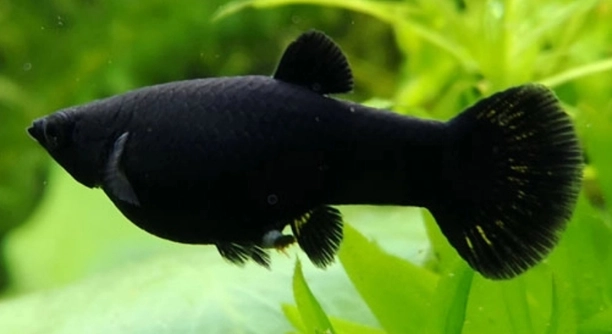
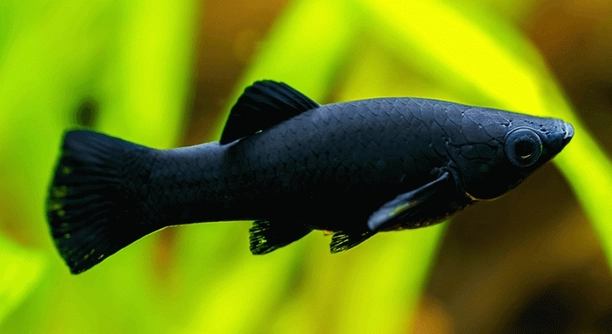
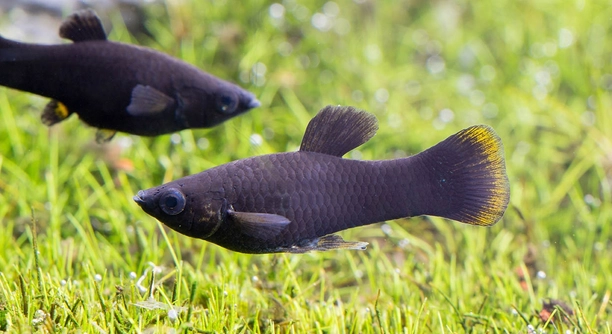
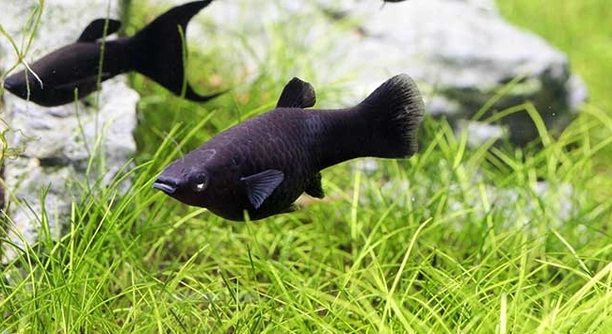
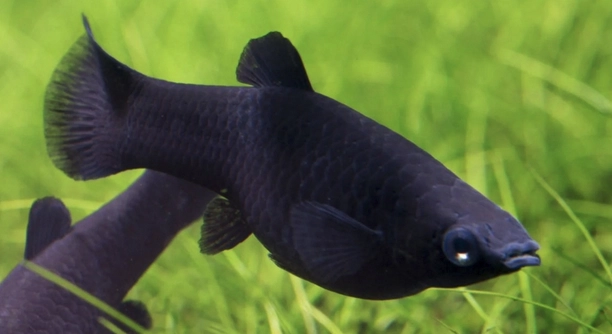
Black Mollies are popular freshwater fish, admired for their sleek black color and peaceful nature. They are often chosen for home aquariums because they adapt well to different environments and add visual interest. Black Mollies generally prefer moderate lighting with some shaded areas in their tank. Excessive direct light can stress them, while a balance … Read more
7 Reasons to Use a Lid for Black Molly Tanks

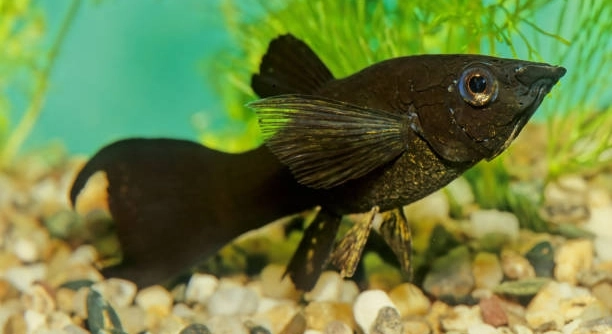
Keeping black mollies in a tank can be rewarding, but managing their environment is key. Their active nature and delicate balance of water conditions make simple precautions very helpful for their overall wellbeing and longevity. Using a lid for black molly tanks helps maintain water quality, prevents fish from jumping out, reduces evaporation, controls temperature, … Read more

7 Things to Watch After Feeding Black Molly Fry

Feeding black molly fry can be a delicate process, especially in their first weeks. Observing their behavior and physical condition after feeding is essential. Proper care ensures the fry grow healthy and adapt well to their environment. After feeding black molly fry, it is important to monitor their swimming patterns, appetite, and overall activity. Check … Read more

Why Are Black Molly Suddenly Avoiding Each Other?

Black mollies are usually social fish, swimming together and interacting peacefully in community tanks. Recently, many owners have noticed that these fish seem to avoid each other, creating tension and confusion among their once harmonious groups. The sudden avoidance behavior in black mollies is often caused by changes in water quality, stress, overcrowding, or shifts … Read more

7 Sounds That Frighten Black Molly

Do your Black Molly fish seem unusually restless or hide more than usual in their tank? Many owners notice subtle behavioral changes linked to their environment and daily noises around the home. Observing these patterns can improve care. Black Molly fish are sensitive to certain auditory stimuli that mimic threats or sudden disturbances. Sounds such … Read more

Why Is My Black Molly Fry Always Facing Upward?

Is your black molly fry always floating with its head pointed upward in the tank? Observing this unusual behavior can be concerning for fish owners. Understanding the cause helps ensure the health and well-being of your tiny aquatic companion. The primary reason a black molly fry faces upward is often related to swim bladder disorder. … Read more

Why Is My Black Molly Pacing Nonstop?

Is your black molly swimming back and forth without pause, seemingly restless in its tank? This constant pacing can be concerning, especially when you are trying to provide a calm and healthy environment for your fish to thrive. The most common reasons for a black molly’s nonstop pacing include inadequate tank size, poor water quality, … Read more

Can Black Molly Sense Changes in Tankmates?

Do you ever notice how your Black Molly seems more alert when new fish are added to the tank? These small, lively fish can show subtle signs of awareness, reacting to changes in their surroundings and companions. Black Mollies are capable of sensing changes in tankmates through visual cues, chemical signals, and behavioral shifts. They … Read more

7 Tips to Prevent Black Molly Illness

Do your black mollies sometimes show signs of sluggishness or unusual swimming patterns? Maintaining a healthy aquarium environment is essential to keep these lively fish thriving and prevent common illnesses that can affect their wellbeing. Preventing black molly illness involves several key practices, including monitoring water quality, maintaining proper temperature, ensuring a balanced diet, reducing … Read more

Why Is My Black Molly Skimming the Surface?

Is your black molly spending more time at the water’s surface than swimming around the tank? Observing this behavior can feel worrying, especially when you want your fish to stay healthy and active in its environment. Black mollies skimming the surface usually indicate oxygen deficiency, poor water quality, or stress. Ensuring proper tank aeration, regular … Read more