
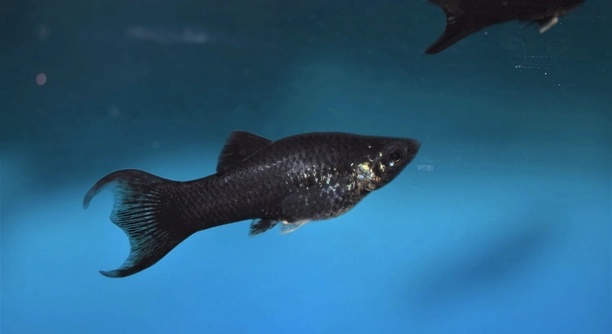
Feeding black mollies can be enjoyable, but choosing the right food can sometimes feel confusing. Many aquarists want their fish to thrive, grow, and maintain vibrant colors without complicated diets or supplements.
A sinking diet offers seven key benefits for black mollies, including improved digestion, reduced surface competition, consistent nutrient intake, enhanced growth, stress reduction, easy portion control, and promotion of natural foraging behavior in a controlled aquarium environment.
These benefits are worth considering when planning meals for your mollies to support their overall health and well-being.
Improved Digestion
Black mollies benefit from sinking diets because the food reaches their stomachs more efficiently. Surface feeding can sometimes cause fish to gulp air or eat too quickly, leading to bloating or digestive issues. With sinking food, mollies can take small bites at their own pace, reducing stress on their digestive system. The gradual consumption allows enzymes to break down nutrients properly, improving absorption. Regular sinking meals can prevent constipation and other gastrointestinal problems common in aquariums with mixed feeding methods. Additionally, sinking diets often contain balanced nutrients designed to support mollies’ natural metabolism. Over time, this can lead to more regular digestion and less leftover food in the tank, keeping the environment cleaner. Mollies that digest food well tend to grow more steadily and display healthier behavior. Proper digestion also means better immunity, which is crucial for preventing common freshwater fish diseases. Monitoring how your mollies respond to sinking diets can help ensure they thrive and maintain consistent energy levels.
Sinking food reduces the risk of bloating and allows mollies to eat calmly, supporting their overall health.
Feeding black mollies sinking pellets has an added advantage: it encourages natural foraging behavior. Unlike floating foods that collect at the surface, sinking diets disperse through the water column and settle gradually. Mollies naturally search and pick at the food, which stimulates movement and mental activity. This slow consumption also reduces aggressive competition between fish, especially in crowded tanks. Fish are less likely to swallow air or fight over bites, leading to calmer interactions. Over time, mollies that feed on sinking diets develop healthier eating habits and more stable growth patterns. Tank maintenance improves because uneaten sinking food either gets consumed over time or settles in easy-to-clean areas. Choosing high-quality sinking pellets ensures they receive balanced proteins, fats, and essential vitamins necessary for color vibrancy and overall vitality. Regularly observing their eating behavior allows you to adjust portions and prevent overfeeding, creating a healthier aquarium environment for all inhabitants.
Reduced Stress and Aggression
Sinking diets help mollies avoid the stress of surface competition and constant chasing for food.
When fish compete at the surface for floating food, dominant mollies may monopolize the meal, leaving timid individuals undernourished. Sinking food eliminates much of this competition by providing multiple feeding points throughout the tank. This method reduces stress levels and promotes calmer behavior among all fish. By allowing each molly to feed without fear of being chased away, the overall mood in the aquarium improves.
In addition to reducing aggression, sinking diets contribute to physical health. Fish that eat calmly expend less energy, which allows more calories to be used for growth rather than constant movement. The lowered stress also supports stronger immune systems, helping mollies resist infections. Sinking diets often stay intact longer than floating foods, giving slower or less confident fish an equal chance to feed. They also encourage foraging instincts, which enrich daily activity and prevent boredom in a captive environment. Over time, these benefits lead to healthier, more active fish with vibrant coloration. By observing feeding patterns, you can fine-tune portions and placement of pellets to maximize these advantages, ensuring a peaceful and well-balanced aquarium.
Consistent Nutrient Intake
Sinking diets ensure mollies receive balanced nutrition with every meal. Floating food can be unevenly consumed, but sinking pellets allow all fish to access nutrients more evenly.
Even feeding is critical for black mollies because it supports steady growth and healthy coloration. Sinking pellets are often formulated with vitamins, minerals, and proteins that match their dietary needs. By settling slowly, the food reduces the chance of overeating or underfeeding. Fish can consume at their own pace, which prevents sudden spikes in metabolism and digestive stress. Nutrient consistency also strengthens immunity, ensuring mollies can resist common freshwater illnesses. Over time, this balanced intake helps maintain vibrant scales and proper organ function, supporting their long-term health. Choosing high-quality sinking food provides all essential nutrients, reducing the need for additional supplements.
Regular observation helps adjust portions, ensuring each molly gets enough nutrition without wasting food. Balanced feeding encourages more active, healthier fish.
Enhanced Growth and Vitality
Sinking diets contribute directly to better growth rates because mollies absorb nutrients more efficiently. Regular access to balanced pellets fuels muscle and organ development.
Healthy growth requires both proper nutrition and manageable feeding routines. Floating food can be eaten too quickly, leading to air swallowing and poor digestion. Sinking pellets give mollies time to eat slowly, absorbing proteins and fats critical for muscle development. Over weeks, consistent nutrient intake leads to fuller bodies, stronger fins, and more vibrant colors. Proper feeding also reduces energy wasted on surface competition, allowing calories to go toward growth rather than chasing food. A sinking diet combined with stable water conditions creates an optimal environment for healthy molly populations.
Over time, mollies that feed on sinking pellets demonstrate improved vitality, including more active swimming, better appetite, and brighter coloration. These benefits reinforce the importance of choosing foods suited to their natural feeding habits.
Easy Portion Control
Sinking pellets make it simpler to control how much each molly eats. You can measure portions accurately, preventing overfeeding and reducing waste in the tank.
With controlled portions, mollies avoid digestive issues caused by overeating. The tank stays cleaner, and feeding becomes more predictable and manageable.
Promotion of Natural Foraging
Sinking diets encourage black mollies to search for food along the bottom. This stimulates natural behavior and keeps them active. Foraging provides mental enrichment, reducing boredom and stress in a captive environment.
Cleaner Aquarium Environment
Uneaten sinking pellets settle predictably, making it easier to remove leftovers. This reduces water contamination and keeps your tank healthier.
FAQ
What is a sinking diet for black mollies?
A sinking diet consists of pellets or granules that gradually sink to the bottom of the tank, allowing fish to feed at their own pace. Unlike floating food, these pellets reach all levels of the water column, making them accessible to mollies that prefer feeding lower in the tank. Sinking food is often formulated to include proteins, fats, and vitamins that match black mollies’ nutritional needs.
How often should I feed black mollies sinking food?
Most black mollies do well with small meals two to three times per day. Overfeeding can cause water quality issues, while underfeeding may slow growth and reduce activity. Observing how quickly your mollies eat the pellets helps adjust the portion size. A good rule is to feed only what they can finish in about three to five minutes.
Can sinking food prevent digestive problems?
Yes, sinking pellets can reduce bloating and constipation. Fish that eat at the surface may gulp air or eat too fast, causing digestive stress. Sinking food allows slower consumption, giving enzymes time to process nutrients properly. Over time, this promotes regular digestion, healthier intestines, and better nutrient absorption.
Are sinking pellets better than flakes for black mollies?
Sinking pellets are often more reliable for consistent nutrition. Flakes can float and may be eaten unevenly, causing dominant fish to get most of the food. Pellets that sink evenly allow all fish to feed, reducing competition and promoting uniform growth and color. They also maintain their structure longer in water, avoiding rapid disintegration.
What type of sinking pellets should I choose?
Look for high-quality pellets with balanced protein, fat, and vitamin content. Ingredients like fish meal, spirulina, and vegetable proteins are common. Avoid low-grade fillers that provide little nutrition. Some pellets are formulated specifically for livebearers like black mollies, ensuring their growth, color, and overall health are supported.
Can I mix sinking and floating food?
Yes, combining both can offer variety. Floating food allows surface feeding, while sinking pellets ensure bottom-feeding mollies receive nutrients. This mix can mimic natural conditions and stimulate different behaviors. Portion control is important to prevent overfeeding and water quality issues.
How should I store sinking pellets?
Keep them in a cool, dry place, sealed tightly to prevent moisture absorption and spoilage. Exposure to humidity can cause clumping and nutrient loss. Proper storage extends shelf life and maintains the nutritional quality essential for your mollies’ health.
Will sinking food affect water quality?
Overfeeding any food can degrade water quality. Sinking pellets that are eaten promptly minimize waste. Uneaten pellets should be removed to prevent ammonia spikes. Regular water changes and monitoring ensure a healthy tank environment while feeding sinking diets.
Do all black mollies prefer sinking food?
While many black mollies naturally feed throughout the water column, some may still prefer surface feeding. Offering sinking pellets alongside occasional floating treats can cater to individual preferences while maintaining balanced nutrition. Observing feeding behavior helps adjust your routine for all fish in the tank.
Can sinking pellets improve fish color?
Yes, pellets with natural color enhancers like spirulina and carotenoids can support brighter scales. Consistent feeding and proper nutrition from sinking food strengthen pigments, making mollies appear healthier and more vibrant over time. Regular feeding with high-quality sinking diets contributes to both growth and visual appeal.
How do I transition black mollies to sinking food?
Start by offering a small amount of sinking pellets alongside their current diet. Gradually reduce other foods over a week or two while monitoring consumption. Most mollies adapt quickly once they discover the pellets are edible and nutritionally satisfying. Patience ensures a smooth transition without stress or refusal.
Are there any risks with sinking diets?
The main risk is overfeeding, which can lead to poor water quality and obesity. Using measured portions and observing eating habits prevents problems. Choosing high-quality pellets reduces additives and fillers, ensuring mollies get only the nutrients they need for health, growth, and vitality.
How long do sinking pellets last in the tank?
Pellets typically take several minutes to fully sink. Once settled, most mollies will eat them within a few minutes. Pellets that remain uneaten for longer than ten minutes should be removed to maintain water quality and prevent decay. Regular monitoring keeps feeding safe and effective.
Can sinking food help with aggressive tankmates?
Yes, it reduces competition at the surface where aggressive behavior is common. By providing food that settles evenly, timid mollies can feed without harassment, and overall tank stress decreases. Balanced feeding encourages calmer interactions and allows all fish to thrive.
Is it necessary to supplement sinking diets with live or frozen food?
While high-quality sinking pellets meet most nutritional needs, occasional live or frozen treats like brine shrimp or daphnia can enhance variety, stimulate natural behavior, and provide extra protein. Moderation is key to avoid overfeeding and water quality problems.
What signs indicate black mollies are thriving on a sinking diet?
Healthy growth, active swimming, vibrant coloration, regular appetite, and smooth digestion are all positive indicators. Consistent behavior during feeding and less aggression in the tank show that the diet supports their physical and mental health effectively. Observing these signs helps maintain optimal feeding practices.
Feeding black mollies a sinking diet offers many practical benefits that make caring for them easier and more effective. Unlike floating foods, sinking pellets allow all fish in the tank to access their meals without competition at the surface. This reduces stress among fish and prevents timid individuals from being underfed. When mollies can eat at their own pace, they are less likely to swallow air or overeat, which often causes digestive problems. Consistent digestion also improves nutrient absorption, which is essential for growth, energy, and overall health. By choosing the right type of sinking food, you ensure that each molly receives balanced nutrition including proteins, fats, vitamins, and minerals, which are crucial for maintaining bright colors and proper organ function. Over time, this consistency contributes to healthier fish that are more active, resilient, and visually vibrant.
A sinking diet also simplifies feeding routines and tank maintenance. Pellets that sink slowly can be measured accurately, allowing for easy portion control. This prevents overfeeding, which is a common problem in home aquariums that can lead to poor water quality and algae growth. Uneaten sinking pellets settle predictably, making it easier to remove leftovers before they start to decompose. This helps maintain cleaner water and a healthier environment for all fish. At the same time, sinking food encourages natural foraging behavior, which keeps mollies mentally stimulated and physically active. When fish engage in this type of feeding, it mimics aspects of their natural behavior in the wild, contributing to both their well-being and overall vitality. The combined effect of proper nutrition, reduced competition, and cleaner water creates an environment where mollies can thrive consistently.
Overall, incorporating a sinking diet into your black mollies’ feeding routine supports their health, growth, and behavior in multiple ways. It is a practical choice for aquarists who want to provide balanced nutrition while maintaining a manageable feeding schedule. High-quality sinking pellets offer essential nutrients while reducing stress and aggression among fish, promoting calmer interactions in the tank. Observing your mollies while they feed on sinking food allows you to fine-tune portion sizes and ensure that all fish are receiving enough without excess waste. With regular feeding and careful monitoring, sinking diets can lead to stronger, more colorful, and active mollies. This method not only benefits their physical health but also encourages natural behavior, making your aquarium a more harmonious and engaging space. By committing to consistent and appropriate feeding practices, you create an environment where black mollies can live long, healthy lives while displaying their full potential.

Hello,
If you enjoy the content that we create, please consider saying a "Thank You!" by leaving a tip.
Every little bit helps us continue crafting quality advice that supports the health, happiness, and well-being of pets around the world, for pets of all shapes, sizes, and species.
We really appreciate the kindness and support that you show us!