Why Do Black Molly Refuse to School?

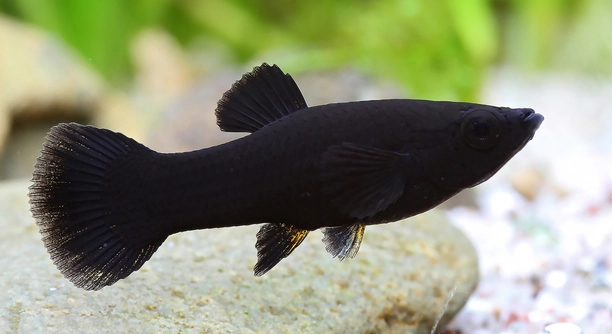
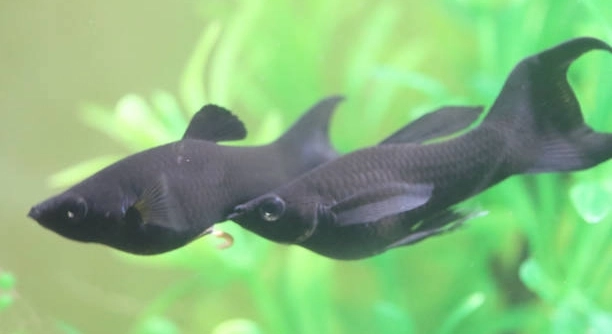
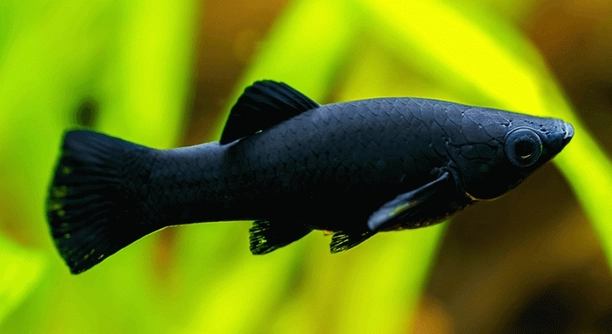
Black mollies are usually seen swimming together in groups, but sometimes the black molly may stay alone or avoid joining a school. This behavior can be puzzling for hobbyists who enjoy watching their aquarium thrive. Black mollies may refuse to school due to stress, illness, poor water quality, or social hierarchy conflicts. Environmental changes and … Read more
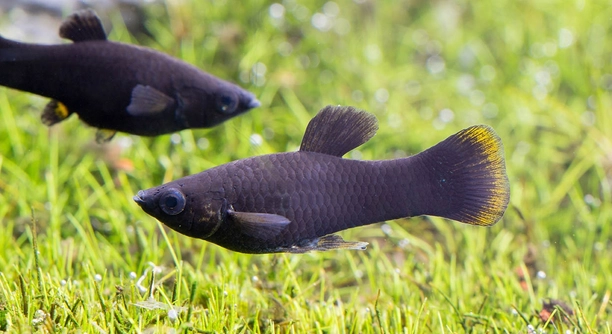
Can Black Molly Get Bored? (How to Keep Them Active)

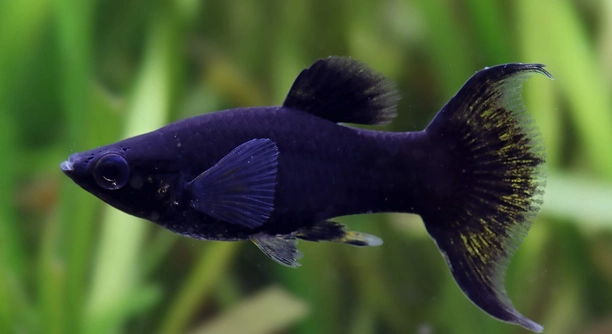
Black Mollies are popular aquarium fish known for their sleek black color and calm demeanor. They can brighten any tank, adding a lively touch to home aquariums with their gentle movements and playful interactions. Black Mollies can experience boredom if their environment lacks stimulation. Providing plants, hiding spots, and interactive tank decorations helps maintain mental … Read more

7 Signs Black Molly Need Better Oxygen

Caring for black mollies can feel simple at first, yet their oxygen needs can shift quickly when their environment changes, creating small challenges that many fish keepers notice during routines each day near the tank. Black mollies exhibit reduced activity, surface gasping, and increased stress when dissolved oxygen levels decline, indicating suboptimal aquatic conditions that … Read more

Why Is My Black Molly Refusing All Food?

Have you ever wondered how a usually eager black molly suddenly loses interest in food, leaving you feeling unsure and a bit worried about what might be happening with your aquatic companion in its tank. Black mollies often stop eating because of water quality issues, temperature fluctuations, or hidden health problems. Stress from ammonia spikes, … Read more

7 Mistakes When Introducing Black Molly to Fry Tanks

Introducing Black Molly to a fry tank can be exciting but also tricky. Many hobbyists rush the process without realizing how delicate these fish are when first entering a new environment. Careful attention is essential. Common mistakes when introducing Black Molly to fry tanks include sudden water changes, overfeeding, aggressive tank mates, insufficient hiding spots, … Read more

7 Temperature Errors That Affect Black Molly Health

Do you ever worry that your black molly is not as lively as it should be? Many owners face challenges keeping their fish happy and healthy in a home aquarium. Temperature plays a key role in their well-being. Black molly health is directly influenced by water temperature. Fluctuations or extremes can cause stress, weaken the … Read more

What Does a Lethargic Black Molly Indicate?

Have you noticed your black molly swimming slowly or resting at the bottom of the tank more than usual? Observing their energy levels can give you important insights into their overall health and environment. A lethargic black molly typically indicates stress, illness, poor water quality, or nutritional deficiencies. Low activity is a clear sign that … Read more

7 Common Myths About Black Molly Fish

Do you ever find yourself admiring the sleek, dark beauty of Black Molly fish but feeling unsure about their care? Many aquarium enthusiasts are often surrounded by conflicting advice and curious observations about these lively fish. Black Molly fish are frequently misunderstood due to several persistent myths. These misconceptions range from their dietary needs and … Read more

Why Do Black Molly Hide All Day?

Black mollies are lively freshwater fish that often brighten up home aquariums. Observing them, you may notice they spend long hours tucked away among plants or decorations, leaving their vibrant colors hidden from view. Black mollies hide primarily due to stress, environmental changes, or perceived threats. Factors such as poor water quality, aggressive tank mates, … Read more

7 Causes of Floating Waste in Black Molly Tanks

Are your Black Molly tanks showing floating waste despite regular cleaning? Many aquarists notice bits of food, plant debris, or fish excrement lingering on the water’s surface. These remnants can affect water clarity and the overall tank environment. Floating waste in Black Molly tanks typically results from overfeeding, inefficient filtration, excess plant matter, fish stress, … Read more