
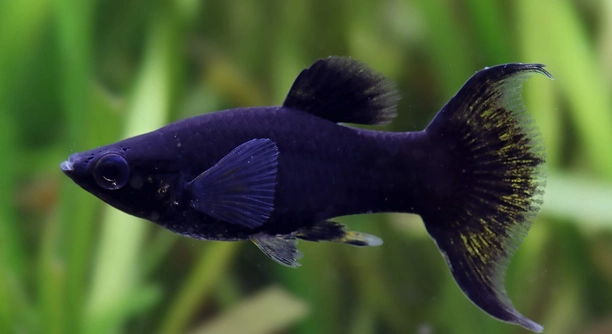
Are your Black Molly tanks showing floating waste despite regular cleaning? Many aquarists notice bits of food, plant debris, or fish excrement lingering on the water’s surface. These remnants can affect water clarity and the overall tank environment.
Floating waste in Black Molly tanks typically results from overfeeding, inefficient filtration, excess plant matter, fish stress, high bioload, inadequate water circulation, or improper tank maintenance. Each factor contributes to surface debris accumulation, disrupting the aquatic ecosystem and potentially harming fish health.
Identifying the exact cause can help you restore a cleaner, healthier tank environment and prevent recurring surface waste issues. Proper management ensures your mollies thrive.
Overfeeding
Overfeeding is one of the most common reasons for floating waste in Black Molly tanks. When fish receive more food than they can consume, leftovers sink or float on the surface. Uneaten food quickly decomposes, producing cloudy water and contributing to ammonia buildup. Over time, this excess waste can strain the tank’s filtration system, causing water quality to decline. Even healthy, active mollies can be affected if the feeding portions are too large or offered too frequently. Observing how much your fish eat within a few minutes can help gauge the right amount. Smaller, more frequent feedings are usually better than one large portion. Overfeeding not only impacts water cleanliness but also can lead to health issues in fish, including obesity and digestive problems. Paying attention to feeding habits is essential to keep both your tank and mollies in optimal condition, preventing unnecessary floating debris from accumulating and ensuring a stable environment.
Reducing feeding amounts and monitoring consumption can significantly decrease surface waste accumulation. Consistent portion control supports water quality and fish health while minimizing filtration stress.
Adjusting feeding habits may require patience. Your mollies might initially seem eager for more, but gradual reduction ensures less waste and a healthier tank. Watching their behavior and adjusting accordingly creates a cleaner, balanced environment for your fish, keeping the tank visually clear and the mollies more active and healthy over time.
Inadequate Filtration
Insufficient filtration can lead to debris floating on the tank’s surface. Filters that are too small or clogged fail to remove uneaten food and waste.
A proper filtration system is essential for maintaining water clarity. Filters should match the tank size and be cleaned regularly to prevent debris buildup and reduce floating waste.
A weak filter may not circulate water efficiently, allowing light particles to remain suspended. This not only affects the tank’s appearance but can also increase harmful bacteria levels. Over time, stagnant areas can form, creating zones where waste accumulates. Regular maintenance, including cleaning filter media and checking flow rates, ensures the filter performs optimally. Some aquarists also use surface skimmers or powerheads to improve water movement, helping remove floating debris. Combined with proper feeding, strong filtration keeps the water clean and supports healthy fish. Monitoring the tank’s overall condition, including water clarity and debris patterns, helps identify when the filtration system needs adjustments or upgrades, maintaining a healthier environment for Black Mollies.
Excess Plant Matter
Floating plant debris often contributes to surface waste in Black Molly tanks. Dead leaves and decaying plant fragments accumulate quickly, especially in densely planted tanks, affecting water clarity and overall tank hygiene.
When plants shed leaves or small fragments, these bits often float before sinking. Without removal, they begin to decay, producing waste that strains the filtration system. Some plants naturally drop more debris, and trimming dead or dying sections regularly can prevent buildup. Floating plant matter also encourages algae growth, which can further cloud the water and create additional maintenance challenges. Using a small net to remove debris daily helps maintain cleanliness. In addition, selecting slow-shedding plants reduces the amount of floating waste, making it easier to keep the tank clean.
Keeping plant debris under control ensures that both fish and the tank environment remain healthy. Regular trimming and removal of floating fragments support water clarity, reduce bacterial growth, and create a more visually appealing habitat for Black Mollies.
High Bioload
A high bioload occurs when too many fish or too large fish inhabit the tank, producing excessive waste. This overwhelms the filtration system and causes floating debris to accumulate.
Managing bioload requires careful monitoring of fish numbers relative to tank size. Overcrowding produces more waste than the system can process, leading to cloudy water, surface debris, and higher ammonia levels. Black Mollies are active and social, but even moderate numbers in a small tank can create excessive bioload. Adjusting population size, performing more frequent water changes, and ensuring efficient filtration are critical for maintaining a balanced environment. Testing water parameters regularly helps track waste levels and determine when interventions are needed.
Reducing bioload not only clears floating waste but also supports healthier fish behavior and longevity. Maintaining the proper fish-to-tank ratio, combined with routine maintenance, ensures a stable and clean environment. Regular observation allows you to notice changes in water clarity and surface debris, making it easier to address issues before they escalate. Proper bioload management also reduces stress on the mollies, promoting a more natural and active lifestyle within the aquarium.
Improper Water Circulation
Poor water movement can cause floating waste to linger on the surface instead of being pulled into the filter. Stagnant areas in the tank allow debris to accumulate, affecting clarity and overall water quality.
Adding a small powerhead or adjusting the filter flow can improve circulation. Ensuring consistent movement helps carry uneaten food and plant fragments toward the filter, preventing surface buildup.
Fish Stress
Stress in Black Mollies can increase waste production and reduce appetite, leading to more floating debris. Stress factors include sudden water changes, aggressive tankmates, and poor water conditions. Regular monitoring of behavior and environment helps reduce stress, maintaining cleaner water and healthier fish.
Uneaten Food
Uneaten food quickly floats and decays if not consumed promptly. It is important to feed only what fish can eat within a few minutes to prevent surface debris.
Infrequent Tank Maintenance
Skipping regular water changes and cleaning allows waste to build up over time. Consistent maintenance removes floating particles and supports water clarity.
FAQ
Why is there floating waste in my Black Molly tank even though I feed them sparingly?
Even small amounts of food can leave residue if it is not consumed quickly. Black Mollies are active fish and can sometimes leave tiny pieces of food floating. Filtration that is too weak or improper water circulation may also prevent debris from being removed efficiently. Regularly observing feeding habits and adjusting portions, combined with proper filtration, usually resolves this issue.
Can overpopulation in the tank cause floating waste?
Yes. A high number of fish increases overall waste production. Even if the fish appear healthy and active, the combined excrement can exceed the filter’s capacity. Overcrowding also stresses fish, which may reduce food intake and increase debris from other sources. Maintaining an appropriate fish-to-tank ratio helps keep waste under control.
Does floating plant matter affect water quality?
Absolutely. Dead leaves and decaying plant fragments release nutrients that promote bacteria and algae growth. This not only clouds the water but can also produce harmful compounds like ammonia. Removing dead plant material regularly prevents accumulation of floating waste and supports a cleaner, more balanced environment for Black Mollies.
How often should I clean my tank to prevent surface waste?
Frequent maintenance is key. Partial water changes of 20-30% weekly, along with skimming the surface to remove floating debris, help prevent buildup. Cleaning the filter media as needed and vacuuming the substrate during water changes keeps the tank clean and reduces floating waste.
Could stress in my Black Mollies cause more waste to float?
Yes. Stress from sudden water changes, aggressive tankmates, or poor water conditions can increase excretion and reduce appetite, leaving more uneaten food floating. Observing fish behavior and maintaining stable, appropriate tank conditions is important to reduce waste accumulation.
Will a better filtration system solve floating waste issues completely?
A stronger or properly sized filter can significantly reduce floating debris, but it is not a complete solution on its own. Feeding habits, tank population, plant maintenance, and water circulation also play a role. Combining all these measures ensures a cleaner and healthier tank.
Is water circulation really that important for keeping the surface clean?
Yes. Without proper water movement, floating waste may remain suspended instead of being pulled into the filter. Adjusting filter output or adding a powerhead can improve circulation and help remove surface debris more effectively.
How do I know if floating waste is harming my fish?
Floating waste itself may not harm fish immediately, but it contributes to water quality issues such as increased ammonia, nitrite, and bacterial growth. Cloudy water, lethargy, and unusual behavior in mollies can indicate poor water conditions caused by accumulated waste. Regular monitoring prevents these problems.
Can changing the type of food help reduce floating waste?
Yes. Some foods are more prone to leaving residue than others. Sinking pellets or high-quality flake food that is consumed quickly will reduce the amount of floating debris. Feeding smaller portions multiple times a day instead of one large serving also helps.
Are there preventive measures to keep floating waste minimal?
Consistent maintenance, proper feeding, efficient filtration, healthy plant management, and avoiding overcrowding are all essential steps. Observing your Black Mollies’ behavior and the tank’s condition allows for timely adjustments, keeping floating waste under control and the environment stable.
Does the temperature of the tank affect floating waste?
Indirectly, yes. Warmer water speeds up decomposition of uneaten food and plant matter, increasing visible surface waste. Maintaining a stable temperature suitable for Black Mollies supports digestion, activity levels, and overall water quality, reducing debris accumulation.
Can surface skimmers help with floating waste?
Surface skimmers are effective in removing floating particles before they sink or decompose. They work best in combination with proper filtration and regular maintenance, keeping the tank visually clean and improving water quality for mollies.
Is it normal for some floating waste to remain despite all precautions?
Yes. Even with careful feeding and maintenance, small bits of waste may float temporarily. Occasional removal with a net and consistent upkeep ensures these particles do not accumulate or impact water quality over time.
Maintaining a clean Black Molly tank requires attention to several key factors that contribute to floating waste. Overfeeding is often the first thing to address, as uneaten food quickly floats to the surface and begins to decompose. Observing how much your mollies eat in a few minutes and adjusting portions accordingly can reduce surface debris significantly. Smaller, more frequent feedings tend to work better than one large portion, helping to prevent waste from accumulating. Along with feeding, proper filtration is essential. A filter that is appropriately sized for your tank and regularly maintained will remove most floating particles before they settle or decompose. Weak or clogged filters allow debris to linger, affecting water clarity and overall tank hygiene.
Water circulation and tank population are also important aspects to consider. Poor water movement can leave floating waste suspended at the surface rather than directing it toward the filter, while a high bioload can overwhelm the filtration system even if feeding is controlled. Adjusting the number of fish to match tank size and using devices like powerheads or surface skimmers can help keep waste from lingering. Additionally, plant management plays a role in surface cleanliness. Dead or decaying plant fragments contribute to floating debris, and regular trimming and removal prevent these bits from accumulating. Choosing slow-shedding plants and removing excess debris ensures a cleaner environment for your mollies and reduces strain on the filtration system.
Finally, consistent tank maintenance is crucial for long-term cleanliness. Weekly partial water changes, skimming the surface, vacuuming the substrate, and checking filter performance all help reduce floating waste. Monitoring water parameters and fish behavior allows you to spot issues early, such as stress or signs of water quality decline. While some floating waste may occasionally appear, taking these steps ensures it does not become a persistent problem. By combining proper feeding, efficient filtration, adequate circulation, careful plant management, and regular maintenance, you can maintain a clear, healthy environment that supports the overall well-being of your Black Mollies and creates a visually appealing tank.

Hello,
If you enjoy the content that we create, please consider saying a "Thank You!" by leaving a tip.
Every little bit helps us continue crafting quality advice that supports the health, happiness, and well-being of pets around the world, for pets of all shapes, sizes, and species.
We really appreciate the kindness and support that you show us!