
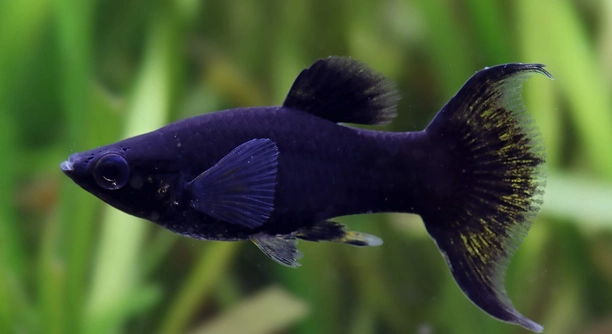
Do you ever find yourself admiring the sleek, dark beauty of Black Molly fish but feeling unsure about their care? Many aquarium enthusiasts are often surrounded by conflicting advice and curious observations about these lively fish.
Black Molly fish are frequently misunderstood due to several persistent myths. These misconceptions range from their dietary needs and water conditions to their social behavior and lifespan. Clarifying these myths ensures better care and healthier aquatic environments.
Understanding the truth behind these myths can improve your Black Molly’s health and happiness. Clear knowledge allows you to enjoy a vibrant and thriving aquarium.
Myth 1: Black Mollies Only Survive in Saltwater
Many people assume Black Mollies cannot live in freshwater, but this is not entirely true. While they can tolerate saltwater conditions, Black Mollies thrive in freshwater aquariums if the water quality is stable. They benefit from slightly alkaline water and moderate temperatures. Introducing salt is optional and only needed in certain situations, such as treating illness or reproducing in brackish conditions. Over-salting the tank can harm other freshwater species, so care is needed when adjusting water conditions. Observing their behavior and maintaining consistent parameters is more important than changing the environment drastically.
They can live happily in freshwater tanks if conditions are stable and suitable for their needs.
A common mistake is adding too much salt to a freshwater tank thinking it improves survival. This often stresses the fish rather than helping them. Black Mollies adapt well to a variety of freshwater settings. Their natural adaptability allows them to thrive with the right balance of temperature, pH, and filtration. Regular monitoring ensures the fish stay healthy and active. Avoid sudden water changes, as this can cause shock. Feeding them a balanced diet, including both plant-based and protein-rich foods, supports growth and reproduction. With careful observation and consistent maintenance, they can flourish in standard freshwater aquariums without requiring constant salt addition.
Myth 2: Black Mollies Don’t Need Plants
Some assume Black Mollies do not require live plants in their tanks. While not essential, plants provide hiding spaces and reduce stress. They help maintain water quality by absorbing nitrates, contributing to a balanced ecosystem.
Including live plants can make the tank feel more natural and comfortable for Black Mollies.
Live plants support the fish’s health in multiple ways. They offer shelter from aggressive tankmates and reduce stress levels, which improves immunity and growth. Plants also help replicate the fish’s natural habitat, giving them areas to explore and breed. While artificial plants can provide hiding spots, live plants aid in water oxygenation and nutrient absorption. A variety of plants, such as floating species and rooted greenery, creates a dynamic environment. Even simple arrangements improve the tank’s appearance and contribute to a more stable water environment. By including plants, the aquarium becomes more functional and enjoyable for the fish, promoting overall well-being and longevity.
Myth 3: Black Mollies Can Eat Only Flakes
Black Mollies do not rely solely on flakes. They need a varied diet, including vegetables, live foods, and occasional protein treats. Feeding only flakes can lead to poor health, stunted growth, and reduced coloration over time.
A balanced diet improves health and longevity. Black Mollies benefit from blanched vegetables like zucchini, spinach, and peas, along with protein-rich options such as brine shrimp, daphnia, or bloodworms. This variety supports digestion, coloration, and energy levels. Overfeeding flakes can cause water quality issues and increase the risk of obesity. Rotating foods and providing supplements ensures their dietary needs are met consistently. Watching their behavior after feeding helps gauge whether portions and types of food are suitable. Feeding small amounts multiple times a day is more effective than one large meal.
Diet variety is crucial for overall vitality. A combination of plant matter and proteins replicates natural eating habits. Avoid repetitive meals and monitor their response to new foods. Some Black Mollies may prefer certain vegetables or live foods over others, so adjusting portions based on preference can help. Maintaining clean feeding areas prevents leftover food from decaying and affecting water quality. A proper diet also encourages breeding behavior, as healthy fish are more likely to reproduce successfully. Consistency and observation are key to keeping Black Mollies energetic, colorful, and healthy in a home aquarium.
Myth 4: Black Mollies Don’t Need Space
Black Mollies require ample swimming space. Small tanks can stress them, weaken their immune systems, and trigger aggressive behavior toward other fish. A spacious environment allows them to swim freely and interact naturally.
Adequate tank size is essential for healthy growth. Crowding increases competition for food and limits swimming, resulting in stress and possible disease. A minimum of 20 gallons is recommended for a small group, with additional space added for more fish. Hiding spots from plants or decorations are important, but open areas for movement are equally necessary. Proper filtration supports water quality in larger spaces, preventing the buildup of toxins. Black Mollies are active fish, and having room to explore reduces stress and promotes natural behavior. Observing how they use the tank helps determine if space is sufficient.
Myth 5: Black Mollies Are Aggressive
Black Mollies are generally peaceful. Aggression usually occurs when tanks are overcrowded or space is limited. Proper tank size and compatible tankmates prevent conflicts and allow them to interact naturally without stress.
They rarely start fights on their own. Ensuring a balanced social environment keeps them calm and active.
Myth 6: Black Mollies Can Live Without Filtration
Filtration is necessary for maintaining clean water. Without it, toxins accumulate quickly, causing illness and shortened lifespans. Proper filters keep water stable and reduce maintenance.
Myth 7: Black Mollies Only Breed in Saltwater
Breeding does not require saltwater. They can reproduce in freshwater if conditions are stable, including proper temperature, diet, and hiding spaces for fry. Salt is optional, not essential.
FAQ
How often should I feed my Black Mollies?
Feeding should be done 1–2 times per day in small portions. Overfeeding can pollute the tank and harm water quality. A varied diet of flakes, vegetables, and occasional live food keeps them healthy and supports their coloration and energy levels. Observing their eating habits helps adjust portion sizes.
Can Black Mollies live with other fish?
Yes, they are generally peaceful and compatible with many community fish. Avoid overly aggressive or fin-nipping species. Providing hiding spots and sufficient swimming space minimizes stress. Keeping a balanced number of fish per tank prevents territorial disputes and ensures all species coexist comfortably.
Do Black Mollies need salt in freshwater tanks?
Salt is optional for freshwater Black Mollies. While they tolerate brackish conditions, freshwater tanks without salt are perfectly fine if water quality is stable. Salt may be added temporarily for stress or illness, but frequent or high doses can harm the fish.
What tank size is ideal for Black Mollies?
A minimum of 20 gallons is recommended for a small group. More space is necessary as the number of fish increases. Adequate room allows free swimming and reduces stress. Hiding spots with plants or decorations are important but do not replace open areas for natural behavior.
How do I know if my Black Mollies are healthy?
Healthy fish are active, brightly colored, and responsive to feeding. Look for smooth scales, clear eyes, and no signs of disease such as white spots, frayed fins, or unusual swimming patterns. Consistent water maintenance and a balanced diet help prevent health issues.
Can Black Mollies reproduce in a freshwater tank?
Yes, they can breed in freshwater if conditions are suitable. Proper temperature, diet, and hiding spaces for fry encourage reproduction. While some owners use brackish water to improve breeding success, it is not required for healthy offspring. Observing their behavior helps monitor successful reproduction.
How often should I change water for Black Mollies?
Partial water changes of 20–30% weekly are recommended. This maintains stable water parameters and prevents toxin buildup. Sudden, large water changes can stress fish. Monitoring water quality with test kits ensures ammonia, nitrite, and nitrate levels remain safe for their health.
What plants are suitable for a Black Molly tank?
Live plants such as Java fern, hornwort, and floating species provide hiding spaces and help absorb nitrates. Plants improve water quality and reduce stress. While artificial plants offer shelter, live plants contribute to a more natural and healthier environment. Varying plant types enhances tank aesthetics and function.
Do Black Mollies need special lighting?
Standard aquarium lighting is sufficient. Lighting helps plants grow and encourages natural behavior in Black Mollies. Avoid excessive light that can increase algae growth. A consistent day-night cycle supports fish health and reduces stress, making the tank more balanced and predictable.
What is the lifespan of a Black Molly?
With proper care, Black Mollies can live 3–5 years. Stable water conditions, a balanced diet, and a spacious tank promote longevity. Monitoring health and preventing disease through routine maintenance ensures they live full, active lives and remain vibrant in color and behavior.
Final Thoughts
Black Mollies are often misunderstood due to common myths about their care and behavior. Many assume they require saltwater to survive, aggressive tankmates to socialize with, or only one type of food to stay healthy. In reality, these fish are adaptable, peaceful, and thrive in freshwater with proper care. Understanding their needs is essential for maintaining a healthy aquarium. Providing consistent water conditions, a balanced diet, and enough space ensures they live active, stress-free lives. Observing their behavior and responding to their needs makes it easier to correct mistakes before they cause serious health problems.
A stable environment is one of the most important factors in caring for Black Mollies. Filtration, regular water changes, and maintaining proper temperature and pH are crucial to preventing disease and supporting longevity. While they can tolerate some variation in water quality, extreme changes or neglect can lead to stress and illness. Providing hiding spots and open swimming areas balances their natural behaviors. Plants, whether live or artificial, contribute to a more secure and stimulating environment. Diet variety also plays a key role, including a combination of flakes, vegetables, and protein sources. Attention to these details helps Black Mollies grow strong, maintain vibrant coloration, and reproduce successfully.
It is important to approach Black Molly care with patience and observation. Myths may lead to unnecessary changes or misunderstandings about their health and needs. By focusing on simple, consistent care practices, these fish can thrive in home aquariums for years. They reward careful attention with lively, graceful movement and striking black coloration that adds beauty to any tank. The right setup, combined with knowledge of their behavior and dietary requirements, allows for a balanced, healthy aquarium where both fish and caretaker can enjoy the experience. Respecting their adaptability while providing stable conditions ensures that Black Mollies remain healthy and active, creating a satisfying and enjoyable fishkeeping experience.

Hello,
If you enjoy the content that we create, please consider saying a "Thank You!" by leaving a tip.
Every little bit helps us continue crafting quality advice that supports the health, happiness, and well-being of pets around the world, for pets of all shapes, sizes, and species.
We really appreciate the kindness and support that you show us!