
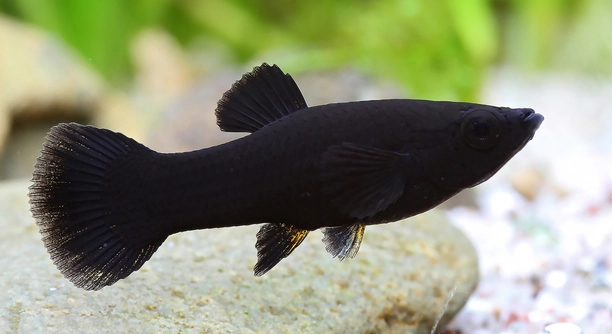
Black mollies are usually seen swimming together in groups, but sometimes the black molly may stay alone or avoid joining a school. This behavior can be puzzling for hobbyists who enjoy watching their aquarium thrive.
Black mollies may refuse to school due to stress, illness, poor water quality, or social hierarchy conflicts. Environmental changes and incompatible tankmates can also cause solitary behavior, making them prefer staying alone rather than joining the main group.
Observing the reasons behind this behavior can help you create a calmer and healthier tank environment for your black molly.
Water Quality and Its Impact on Black Mollies
Black mollies are sensitive to water conditions, and poor water quality can make them avoid schooling. High levels of ammonia, nitrites, or nitrates can stress them, affecting their behavior and appetite. Even small fluctuations in pH or temperature may cause them to hide or swim alone. I noticed that when I added new decorations to the tank without proper cycling, my mollies became less social for a few days. Regular water testing and partial water changes help maintain stable conditions. Clean water keeps their immune system strong and encourages normal social behaviors. Uneven water temperature across the tank can also create zones that mollies avoid, leading to solitary swimming. Observing your mollies closely after water changes can reveal if they are comfortable or stressed. Ensuring the right balance in water chemistry is key to a healthy, harmonious tank where schooling behavior naturally resumes over time.
Keeping water clean prevents most stress-related isolation in black mollies and promotes active schooling.
Maintaining water quality requires testing for ammonia, nitrite, nitrate, and pH regularly. Using a reliable filter and performing partial water changes ensures the environment stays stable. Sudden changes in water parameters, even if unintentional, can disrupt social behavior and make mollies avoid swimming together.
Tank Size and Social Space
A cramped tank can cause black mollies to stay apart from the group.
When the tank is too small, territorial disputes increase, and shy individuals may hide. Black mollies need space to swim freely and establish social structures. Providing at least 20 gallons for a small group helps reduce stress. Overcrowding leads to competition for food and hiding spots, which disrupts schooling behavior. Observing their interactions in a spacious tank allows you to see natural schooling patterns. Adding plants and open swimming areas helps them feel secure while maintaining group cohesion. Ensuring sufficient space supports both the physical and social well-being of black mollies.
Mollies also rely on visual cues from their peers, which are harder to follow in tight spaces. A small tank reduces visibility, making schooling difficult and stressful. Overcrowding can amplify aggression among dominant individuals, forcing weaker mollies to isolate. Properly spaced hiding spots give them refuge without causing complete separation from the group. Open swimming zones allow mollies to coordinate movements and practice natural schooling behavior. Balancing tank decorations, hiding spots, and open areas is essential. Observing their reactions to changes in tank layout can indicate whether adjustments improve social cohesion. Ensuring the tank is large enough prevents long-term stress and supports active, healthy schooling behavior over time.
Stress and Aggression Among Tankmates
Stress or aggression from other fish can make black mollies avoid schooling. Dominant tankmates may chase or nip at them, causing fear and isolation.
Even mild aggression affects black mollies’ social behavior. In my experience, adding a new, more aggressive fish disrupted the usual schooling pattern for days. The stressed mollies would stay near plants or decorations, avoiding the open areas where the group usually swims. Conflicts over food or territory can lead to long-term behavioral changes if not managed. Monitoring interactions and separating aggressive individuals when necessary helps maintain harmony. Stress can also weaken their immune system, making them more prone to disease, which further discourages social behavior. Providing a balanced tank environment reduces aggression and promotes normal schooling. Observing body language, fin damage, or hiding behavior helps identify stressed individuals early.
Introducing new mollies slowly and keeping an eye on dominance can restore natural social behavior over time.
Providing plenty of hiding spots reduces conflict and stress. Plants, caves, and decorations give black mollies safe areas, making them more likely to return to the group. Regular observation allows you to spot signs of bullying or stress early, preventing long-term behavioral changes. Adjusting the tank layout or temporarily separating aggressive fish can restore balance and encourage schooling. Over time, mollies regain confidence and participate in group swimming more naturally.
Illness and Physical Health
A sick or injured black molly may refuse to school.
Physical issues directly impact their ability to swim with others. I once had a molly with fin rot that stopped joining the group until fully healed. Illness can reduce energy, impair movement, and make the fish more vulnerable to attacks, leading to isolation. Even minor injuries can change swimming patterns, making schooling difficult. Treating the underlying condition and maintaining water quality is crucial. Quarantining sick individuals protects both their health and the social harmony of the main tank. Observing appetite, behavior, and appearance regularly helps catch problems early, ensuring the group remains active and cohesive.
Preventive care, such as proper diet, regular water checks, and prompt treatment, keeps black mollies healthy and schooling naturally.
Diet and Feeding Habits
Improper diet can affect black mollies’ energy levels and willingness to school. Lack of nutrients may make them less active or withdrawn.
Feeding inconsistencies also play a role. I noticed my mollies would avoid swimming together when they were waiting for food or competing aggressively over small portions. A balanced diet with quality flakes, pellets, and occasional live food keeps them healthy and social. Regular feeding schedules prevent stress and reduce competition, encouraging normal schooling behavior. Observing how mollies respond to feeding can reveal if nutritional needs are being met and if adjustments are necessary.
Lighting and Environmental Conditions
Lighting affects black mollies’ daily activity patterns.
Sudden changes in brightness or inconsistent lighting can stress them, causing solitary behavior. A stable light cycle helps them feel secure. In my tank, adjusting the lighting gradually after maintenance reduced hiding and encouraged group swimming. Proper lighting also supports plant growth and natural tank rhythms, contributing to a calmer environment.
Age and Social Experience
Younger or newly introduced mollies may refuse to school initially.
Juveniles often take time to learn social cues and establish their place in the group. They may stay apart until they feel confident and safe among other fish. Gradually, they begin participating in schooling behavior as they gain experience and familiarity. Providing a consistent environment and minimizing sudden changes helps young mollies integrate more smoothly. Observing their interactions and giving them time to adjust ensures they develop normal social patterns without stress or conflict.
Why does my black molly suddenly stop schooling?
Black mollies can suddenly stop schooling due to stress, illness, or changes in their environment. I noticed this once after rearranging decorations in my tank. Even small changes in water temperature, pH, or adding new tankmates can cause them to retreat and swim alone. Checking water parameters and observing behavior carefully often helps identify the cause. Stress can also result from bullying or aggressive tankmates. Providing hiding spots, stable water conditions, and a calm environment encourages mollies to return to normal schooling patterns.
Can water quality alone make black mollies avoid each other?
Yes, water quality is a major factor in schooling behavior. High levels of ammonia, nitrites, or nitrates create stress and discomfort, causing mollies to separate from the group. I experienced this when a filter malfunctioned; my mollies hid among plants and avoided open swimming areas. Regular water testing, partial water changes, and proper filtration maintain stable conditions. Even pH fluctuations can influence their activity. Mollies are more likely to swim together when the water is clean, oxygenated, and consistent in temperature. Observing their reaction after maintenance helps confirm if water quality was the issue.
Do black mollies school better in larger tanks?
Yes, tank size impacts schooling behavior. Small tanks can create territorial disputes and limit swimming space, leading to isolation. I keep a 30-gallon tank for a group of mollies, and it allows them to swim freely without constant competition. Adding plants and open areas encourages natural schooling patterns. Overcrowded tanks reduce visibility, making it difficult for them to follow each other. A spacious environment also reduces stress and aggression, promoting social cohesion. Properly sized tanks help mollies feel safe and confident, improving overall group dynamics and encouraging consistent schooling behavior.
How does aggression affect schooling in black mollies?
Aggressive tankmates can disrupt schooling significantly. Dominant fish may chase or nip at others, forcing submissive mollies to isolate themselves. I once introduced a more aggressive molly, and the previously cohesive group temporarily split. Adding hiding spaces and rearranging decorations helped reduce conflict. Monitoring interactions allows you to separate aggressive individuals if necessary. Aggression can also lower the immune system of stressed mollies, making them more vulnerable to illness. Maintaining a peaceful tank environment is essential for healthy social behavior, and mollies will gradually resume schooling once stress and aggression are minimized.
Can illness or injury make black mollies refuse to school?
Yes, health problems often cause solitary behavior. Sick or injured mollies may lack energy or find it difficult to swim with the group. I had a molly with fin rot that stayed near the bottom for days, avoiding others. Prompt treatment and proper quarantine help prevent further spread and encourage recovery. Observing appetite, movement, and physical appearance is key to identifying problems early. Once the molly recovers, it usually rejoins the group naturally. Preventive care, including a balanced diet and clean water, supports both physical health and social behavior in black mollies.
Does diet influence schooling behavior?
Diet directly affects energy levels and activity. Black mollies with poor nutrition may stay isolated or move sluggishly. I noticed this when feeding inconsistent portions; they competed over food instead of swimming together. A varied diet of quality flakes, pellets, and occasional live or frozen foods keeps them healthy and active. Feeding on a regular schedule reduces stress and encourages normal schooling behavior. Balanced nutrition also strengthens immunity, making mollies less prone to illness and more likely to participate in group swimming. Observing their response to feeding can highlight whether dietary adjustments are needed.
Do young or new mollies take time to school?
Yes, younger or newly introduced mollies may avoid the group initially. Juveniles often need time to learn social cues and feel secure. I added two young mollies once, and they stayed apart for several days before joining the main school. Gradual acclimation, consistent tank conditions, and minimal sudden changes help them integrate smoothly. Providing open swimming space and hiding areas encourages confidence. With patience, young or new mollies adapt and begin participating in schooling naturally. Observing their progress ensures they are adjusting without stress and eventually join group movements with the rest of the tank.
Does lighting or environmental consistency affect schooling?
Lighting and environmental stability play a role. Sudden changes in brightness or inconsistent light cycles can stress mollies, leading them to swim alone. In my tank, adjusting lighting gradually after maintenance encouraged them to return to the group. Stable lighting supports natural behavior patterns, reduces stress, and helps mollies follow visual cues from each other. Maintaining consistent tank routines, temperature, and decor prevents isolation and promotes cohesive schooling behavior over time. Mollies are more comfortable and social when their environment is predictable and calm.
Black mollies are fascinating fish, and observing their schooling behavior can be very rewarding. Over time, I have noticed that they are sensitive to many aspects of their environment. Things like water quality, tank size, and social dynamics play a big role in whether they swim together or prefer to stay alone. Keeping the water clean and stable is one of the most important steps. Regular testing for ammonia, nitrites, nitrates, and pH helps prevent stress, which often leads to isolation. Small changes in temperature or the addition of new fish can also affect their behavior, so maintaining a consistent environment is essential. When black mollies feel safe and comfortable, they naturally return to their social routines and enjoy swimming in groups.
Tank size and layout are equally important for promoting healthy schooling behavior. Overcrowded tanks limit space and increase competition for food or hiding spots, which can cause some mollies to avoid the group. Providing a tank that is large enough, with open swimming areas and plants for shelter, gives them room to move freely while still maintaining a sense of security. In my experience, adding decorations gradually rather than all at once reduces stress and allows mollies to adapt comfortably. It is also helpful to observe their interactions regularly to spot any aggression or bullying. Dominant fish may intimidate weaker individuals, causing them to stay apart. Arranging the tank to minimize conflict helps maintain a peaceful environment where schooling can occur naturally.
Health and nutrition are another key factor. Sick or injured black mollies often avoid swimming with others because they lack energy or feel vulnerable. Observing appetite, movement, and physical appearance can help identify issues early. Providing a balanced diet that includes quality flakes, pellets, and occasional live or frozen food keeps them healthy and active. Juvenile or newly introduced mollies may also take time to learn social cues and integrate into the group, and patience is required to help them adjust. Lighting and stable environmental conditions further support their natural behavior, making them feel secure and encouraging group swimming. Overall, understanding these factors allows you to create a comfortable tank where black mollies feel confident, healthy, and motivated to school together, which makes watching them much more enjoyable.

Hello,
If you enjoy the content that we create, please consider saying a "Thank You!" by leaving a tip.
Every little bit helps us continue crafting quality advice that supports the health, happiness, and well-being of pets around the world, for pets of all shapes, sizes, and species.
We really appreciate the kindness and support that you show us!