
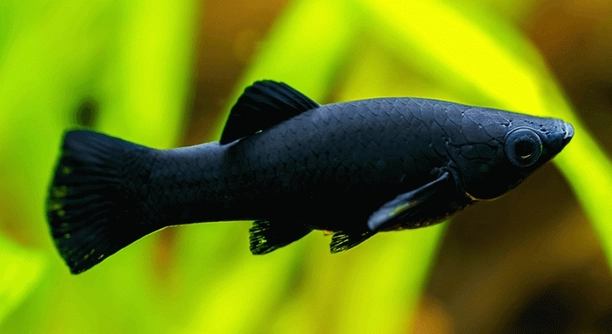
Have you noticed your black molly swimming slowly or resting at the bottom of the tank more than usual? Observing their energy levels can give you important insights into their overall health and environment.
A lethargic black molly typically indicates stress, illness, poor water quality, or nutritional deficiencies. Low activity is a clear sign that immediate attention to tank conditions, diet, or potential disease is necessary to maintain the fish’s well-being.
Understanding what causes this behavior can help you improve your molly’s health. Small changes in care or environment often make a significant difference in their energy and happiness.
Common Causes of Lethargy in Black Mollies
Black mollies may become sluggish for several reasons, often tied to their environment or care routine. Poor water quality is one of the most frequent issues, with high levels of ammonia, nitrites, or nitrates affecting their energy. Sudden changes in temperature or pH can also cause stress, making them hide or rest more than usual. Inadequate diet contributes as well; mollies need a balanced mix of protein and plant matter to stay active. Overcrowded tanks create competition and stress, which often results in lethargy. Sometimes, illness such as bacterial or parasitic infections can slow them down. Observing their behavior and appearance, like clamped fins, loss of appetite, or unusual swimming patterns, helps identify the cause. Regular tank maintenance, proper feeding, and monitoring water parameters can prevent most issues, ensuring your molly stays lively and healthy.
Maintaining a clean, stable tank environment with proper feeding usually restores energy in black mollies.
Even small improvements can make a big difference. Adjusting the water temperature slightly, providing hiding spots, or changing the diet often encourages more swimming. Keeping a consistent schedule for feeding and tank cleaning reduces stress, allowing mollies to regain natural activity levels. Observing their interactions with other fish can also reveal social stressors, which may require rearranging tank mates. Patience is key, as recovery may take a few days to weeks depending on the cause.
Monitoring Water Quality
Testing the water regularly helps prevent lethargy in mollies.
Keeping ammonia, nitrites, and nitrates in safe ranges is essential. Even minor fluctuations can cause stress. Temperature should remain stable, ideally between 75-82°F, with pH around 7.0-8.0. Sudden changes or extreme readings can quickly lead to slow swimming and hiding. Filtration and partial water changes maintain balance. Using a reliable test kit allows you to check parameters often, making adjustments before problems escalate. Observing water clarity and smell also gives clues about overall health. Avoid overcrowding, as too many fish strain filtration and water quality. Proper care ensures mollies remain active, alert, and healthy in their environment.
Water conditions affect every aspect of molly behavior. High ammonia or nitrite levels irritate gills and can weaken the immune system. Nitrate buildup may not show immediate effects but gradually lowers energy and increases susceptibility to disease. Regular partial water changes reduce toxins, while a strong filter removes debris and maintains oxygen levels. Temperature swings cause stress, slowing metabolism and making mollies more prone to infections. pH shifts can disturb their biological functions, leading to lethargy. Consistent observation, combined with testing and adjustments, helps maintain a stable habitat. Healthy water allows mollies to swim freely, eat well, and show natural behaviors. Providing hiding spots and ensuring compatible tank mates further reduces stress. Even slight improvements in water conditions often lead to noticeable increases in activity within a few days. Monitoring and proactive maintenance are key to long-term health.
Diet and Nutrition
A black molly’s energy is closely tied to its diet. Feeding too little or too much can make them lethargic. A balanced diet with protein and plant matter supports healthy activity levels and overall vitality.
Providing high-quality flakes or pellets along with occasional vegetables keeps mollies active. Overfeeding can pollute the tank, causing stress and sluggishness. Some mollies benefit from live or frozen foods, like brine shrimp or daphnia, which encourage natural hunting behavior and exercise. A varied diet prevents deficiencies, supports immune health, and improves swimming activity. Observing their eating habits helps identify any changes in appetite or energy, signaling potential health concerns.
Supplements like spirulina or vitamins can enhance energy and coloration. Introducing small portions gradually allows mollies to adjust without overloading the tank. Avoid sudden dietary changes, as mollies may refuse unfamiliar foods, reducing nutrition and increasing lethargy. Feeding consistently, observing appetite, and offering variety maintain energy and reduce stress-related inactivity, helping black mollies thrive in a stable, supportive environment.
Disease and Infection
Lethargy in black mollies can indicate bacterial, fungal, or parasitic infections. Physical signs may include clamped fins, faded color, or abnormal swimming. Immediate attention to symptoms prevents worsening health.
Bacterial infections often appear as white spots, ulcers, or fin rot, slowing movement. Parasites may cause scratching against objects or rapid gill movement. Fungal infections create cotton-like growths on the body. Early detection is critical; treatments vary depending on the condition. Quarantining affected fish helps prevent spreading, while adjusting water quality supports recovery. Observing behavior and physical changes daily can catch problems before they escalate.
Medications for infections should be used carefully, following instructions to avoid harming other tank inhabitants. Maintaining water quality, a balanced diet, and stress-free conditions strengthens the immune system. Monitoring closely ensures treatment effectiveness and allows adjustments if needed. Isolation tanks are often necessary to protect healthy fish while infected mollies recover, giving them the best chance to regain activity and vitality.
Tank Size and Space
Black mollies need enough space to swim freely. Crowded tanks cause stress and sluggish behavior. Overcrowding also increases waste, reducing water quality and impacting energy levels.
Providing at least 20 gallons for a small group allows movement and reduces aggression. Proper spacing between fish helps them feel secure and maintain normal activity.
Temperature and Water Conditions
Stable water temperature is essential for molly health. Sudden drops or spikes in temperature can slow metabolism and make them lethargic. Ideal temperatures range between 75-82°F, with a consistent pH around 7.0-8.0. Using a reliable heater and thermometer ensures the environment remains steady, preventing stress and promoting active swimming.
Social Interactions
Black mollies are social fish, and isolation or aggressive tank mates can reduce energy. Maintaining compatible groups encourages natural behavior and activity.
FAQ
Why is my black molly lying at the bottom of the tank?
Lying at the bottom usually indicates stress, illness, or poor water quality. High ammonia, nitrite, or nitrate levels can make fish sluggish. Temperature swings or pH changes also affect energy. Checking water parameters and tank conditions often restores normal behavior.
Can poor diet make my black molly lethargic?
Yes. Mollies require a mix of protein and plant matter to stay healthy. Feeding only flakes or overfeeding can reduce activity. Supplementing with vegetables, live, or frozen foods improves energy and supports natural swimming behavior. Variety in diet prevents nutrient deficiencies.
How do I know if my molly is sick?
Signs of illness include clamped fins, faded color, rapid gill movement, and unusual swimming patterns. White spots, ulcers, or cotton-like growths suggest bacterial or fungal infections. Early observation allows prompt treatment, improving recovery chances.
Does tank size affect my black molly’s energy?
Small or overcrowded tanks stress mollies and limit swimming space, making them lethargic. A minimum of 20 gallons for a small group is recommended. Proper spacing reduces competition, supports social behavior, and keeps water quality stable.
Can water temperature cause lethargy?
Yes. Mollies need stable temperatures between 75-82°F. Sudden drops or spikes slow metabolism, reduce appetite, and decrease swimming activity. Using a heater and thermometer ensures a consistent environment, preventing stress-related inactivity.
Do social interactions influence activity?
Black mollies are social. Isolation or aggressive tank mates can make them hide or rest more. Keeping compatible groups encourages natural behaviors, reduces stress, and promotes energy. Providing hiding spots can help reduce conflict in community tanks.
How often should I clean the tank?
Partial water changes every week or two maintain water quality. Cleaning debris and checking filter performance reduces toxins, supporting active fish. Overcleaning can stress fish, so balance maintenance with a stable environment.
Are parasites a common cause of lethargy?
Yes. Parasites irritate gills and skin, leading to scratching, rapid gill movement, or slow swimming. Early detection and quarantine are key. Treatments vary, so monitoring symptoms closely ensures correct care and recovery.
Can stress alone make my molly lethargic?
Stress from sudden changes, aggressive tank mates, or overcrowding can slow metabolism and reduce activity. Stable water conditions, proper diet, and compatible groups help mollies regain normal behavior. Stress management is essential for long-term health.
How long does it take for a lethargic molly to recover?
Recovery depends on the cause. Minor water quality issues may show improvement in days. Illness or diet-related lethargy can take one to two weeks with proper care. Monitoring behavior daily ensures progress and allows adjustments.
Should I medicate my molly if it’s slow?
Medication is only necessary if there are clear signs of disease. Overmedicating healthy fish can harm the tank ecosystem. Focus first on water quality, diet, and reducing stress. Only use treatments according to instructions and consider quarantining affected fish.
Can I prevent lethargy in black mollies?
Consistent tank maintenance, a balanced diet, stable temperature, and compatible social groups prevent most causes of sluggishness. Regular observation helps catch issues early. Proactive care maintains energy, natural behavior, and overall fish health, reducing the likelihood of long-term problems.
Does lighting affect my molly’s activity?
Proper light cycles support natural behavior. Too much or too little light can stress fish, reducing activity. A consistent day-night schedule encourages regular swimming and feeding patterns.
Is it normal for mollies to rest sometimes?
Yes. Mollies rest intermittently, especially at night or after feeding. Short periods of inactivity are normal, but prolonged lethargy combined with other symptoms indicates a problem. Observing patterns helps distinguish rest from health issues.
How can I improve a lethargic molly’s energy quickly?
Check water parameters, adjust temperature, provide a varied diet, and ensure compatible tank mates. Small environmental changes and stress reduction often lead to visible improvement in activity within days.
What should I do if my molly doesn’t improve?
Persistent lethargy despite adjustments may require professional advice. A vet or experienced aquarist can diagnose diseases, recommend treatments, and prevent further health decline. Early intervention is key to recovery.
Can water filtration affect energy levels?
Yes. Poor filtration allows toxins to build up, making fish sluggish. Efficient filters remove debris and maintain oxygen levels, supporting swimming and overall health. Regular filter maintenance prevents problems before they appear.
Do black mollies need hiding spots?
Providing plants or decorations reduces stress, giving mollies security. Hiding spots prevent aggression, promote exploration, and encourage natural activity, contributing to higher energy levels.
Is sudden behavior change always serious?
Not always. Minor temporary changes can result from environmental adjustments or feeding schedules. Persistent lethargy or combined symptoms usually signal underlying issues requiring attention.
Can multiple issues occur at once?
Yes. Poor water quality, diet, and social stress often overlap, intensifying lethargy. Addressing all factors simultaneously ensures faster recovery and healthier, more active fish.
This FAQ covers common causes, prevention, and remedies for lethargy in black mollies, providing practical guidance for maintaining their health and energy.
Black mollies are lively fish when their environment and care are appropriate. Observing a lethargic molly is a sign that something in its tank or routine needs attention. Often, small adjustments can make a big difference. Water quality, temperature, diet, and tank space all play a major role in their energy levels. Regularly checking ammonia, nitrite, and nitrate levels prevents many health issues before they become serious. Maintaining a stable temperature and pH reduces stress and helps mollies swim and eat normally. Even minor changes in water can affect their behavior, so paying attention to these details is important for keeping your fish active and healthy.
Diet is another critical factor in a molly’s overall well-being. A varied diet with both protein and plant-based foods provides the nutrients necessary for energy, color, and immune function. Overfeeding can lead to water quality problems, while underfeeding can cause weakness and lethargy. Supplementing with vegetables or live and frozen foods encourages natural hunting and swimming behavior. Watching your mollies eat can help identify changes in appetite or interest, which may indicate health issues. A consistent feeding schedule combined with variety usually keeps mollies energetic and reduces the risk of nutritional deficiencies.
Social interactions and tank setup also influence behavior. Black mollies are social fish and do best in compatible groups. Aggressive or incompatible tank mates can cause stress, while overcrowding reduces space and increases competition for food. Providing hiding spots and decorations gives mollies security and encourages exploration. Even minor environmental adjustments, like rearranging plants or adding extra space, can improve energy levels. Observing their behavior daily helps identify any changes early, allowing for quick intervention if problems arise. By maintaining clean water, proper nutrition, stable conditions, and a safe social environment, black mollies can remain lively, healthy, and active, making them a rewarding fish to care for.

Hello,
If you enjoy the content that we create, please consider saying a "Thank You!" by leaving a tip.
Every little bit helps us continue crafting quality advice that supports the health, happiness, and well-being of pets around the world, for pets of all shapes, sizes, and species.
We really appreciate the kindness and support that you show us!