
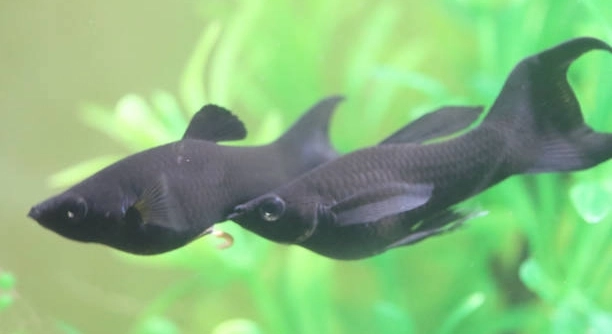
Have you ever wondered how a usually eager black molly suddenly loses interest in food, leaving you feeling unsure and a bit worried about what might be happening with your aquatic companion in its tank.
Black mollies often stop eating because of water quality issues, temperature fluctuations, or hidden health problems. Stress from ammonia spikes, overcrowding, or parasitic activity reduces appetite, signaling that the fish’s internal balance is disrupted and requires timely assessment and adjustments.
Understanding the factors behind a black molly’s refusal to eat can guide you toward creating a habitat and healthier routine.
Common Reasons Your Black Molly Stops Eating
Many black mollies stop eating when their environment shifts in ways they cannot handle, and these changes often go unnoticed at first. Water that looks clear may still hold levels of ammonia or nitrite that make feeding uncomfortable. A quick test can reveal if the tank needs attention, and small adjustments can bring relief. Temperature swings also affect appetite, especially if the heater does not stay consistent during the day. Even small variations can reduce energy and make food less appealing. Some mollies react strongly to new tank mates or sudden rearrangements, and this tension shows through skipped meals. When you notice these signs, it helps to observe your molly closely rather than waiting for improvement. A calm space, steady water conditions, and gentle feeding attempts often make a meaningful difference. Paying attention to early clues supports better long term habits and keeps the tank stable for your molly daily.
Small corrections often create noticeable changes for a black molly that has stopped eating. When the water stays stable, the tank remains calm, and feeding times feel predictable, the fish regains confidence. These steady conditions encourage natural behavior and help your molly approach food with less hesitation each new day.
Watching your molly respond to steady improvements can feel reassuring, and these adjustments often show results sooner than expected. Keeping lights on a consistent schedule, avoiding sudden movements near the tank, and offering small portions helps rebuild trust. Some mollies prefer softer foods during stressful periods, and a brief switch can restore interest. You can also give the fish space by stepping back after placing food in the tank. This reduces pressure and allows calmer feeding. When your molly senses predictable care, its appetite usually strengthens, creating a smoother routine that supports long term stability in your home tank environment.
How to Help Your Black Molly Eat Again
Before making large changes, consider simple checks that can bring quick clarity. Testing the water, observing behavior, and noting recent adjustments often reveal the cause. These steps guide you toward practical solutions and reduce stress for both you and the molly living in your care each passing calm new day.
Helping a black molly regain its appetite often requires patient, steady care rather than dramatic actions. Start by confirming that the tank’s temperature remains within a stable range, because even slight variations can make feeding uncomfortable. A reliable heater and regular monitoring keep the environment consistent. Next, check filtration performance, since slow buildup of waste can irritate sensitive fish and reduce interest in food. Cleaning the filter media gently in tank water helps maintain beneficial bacteria without harming the system. Some mollies react to strong currents, so adjusting flow levels may also support calmer behavior. Food choice matters as well, and offering a mix of flakes, pellets, or softened options can help identify what your molly prefers during stressful periods. Try feeding smaller amounts at a relaxed pace, giving the fish time to approach without pressure. If your molly appears weak, consider separating it in a quiet breeding box placed inside the same tank. This reduces tension from tank mates while preserving familiar water conditions. With stable surroundings and soft encouragement, many mollies resume eating gradually. Watching these small improvements reminds you that gentle, steady care often leads to better balance and healthier habits.
Signs That Your Black Molly Is Stressed
Stress often appears through subtle changes in behavior. A molly that hides more than usual, avoids eating, or moves stiffly around the tank is often signaling discomfort. These signs show up early, giving you a chance to adjust the environment before the issue becomes more serious.
A stressed molly may swim in short, uneven motions or stay near the surface where oxygen levels feel more comfortable. These behaviors often appear when water conditions shift or when the tank feels too active. You might also notice faster breathing or sudden darting, which can signal tension. Soft lighting, calm surroundings, and avoiding sudden movements near the tank help reduce pressure. Testing water parameters during these moments provides helpful information and often reveals an imbalance that needs attention. Once the environment becomes stable again, many mollies start relaxing and respond better to feeding.
Another sign of stress is when your molly separates itself from the group and lingers near corners or decorations. This behavior can come from sensitivity to aggressive tank mates or noise around the aquarium. Keeping the tank arrangement simple and giving your molly peaceful spaces encourages recovery. Offering a gentle feeding schedule helps reinforce a predictable routine. When the fish begins to explore more confidently, it often reflects improved comfort. By noticing these early signals and responding with steady adjustments, you create a calmer atmosphere that helps your molly regain its appetite and energy.
When Illness Might Be the Cause
Illness becomes more likely when appetite loss is paired with physical changes such as clamped fins, faded color, or white spots. These shifts often point to irritation or infection. Addressing them early reduces the chance of complications and gives your molly the support it needs to recover steadily.
Some illnesses begin with mild signs that do not stand out at first, so close observation makes a difference. Checking for signs of swelling, unusual swimming patterns, or rapid breathing helps identify the next steps. Quarantining the affected molly in a small separate setup inside the main tank can reduce pressure from other fish while keeping familiar water conditions. Treatment options vary based on symptoms, and adjusting water quality remains essential during this time. Offering softer foods that are easier to digest can also help support appetite. Keeping the environment calm and predictable gives your molly a better chance at returning to normal feeding habits as its strength gradually improves.
How Water Conditions Influence Feeding
Water that shifts out of balance can make feeding stressful for a molly. Ammonia or nitrite spikes often cause discomfort, leading the fish to avoid food. Regular testing and prompt adjustments help create a stable environment that encourages natural eating without unnecessary strain.
Sudden temperature changes also affect appetite, especially when the tank fluctuates throughout the day. A reliable heater and slow changes during water replacements support comfort. When the water stays consistent, your molly feels safer approaching food and responds better to its regular feeding routine.
When Behavior Changes Signal a Problem
Behavior changes often appear before physical symptoms. A molly that swims unevenly, lingers near the surface, or stays hidden may be reacting to tension in the tank. Watching these signs closely helps you make timely adjustments and prevents minor issues from growing into larger problems over time.
When You Should Seek Help
If appetite loss continues despite stable conditions and gentle care, it may be time to reach out to an experienced aquarist or veterinarian. Persistent symptoms often point to deeper issues that need expert attention. Early guidance helps protect your molly’s health and supports a safer, more comfortable recovery.
FAQ
Why is my black molly refusing food even though the water looks fine?
Even if the water looks clear, hidden issues like ammonia, nitrite, or pH imbalances can stress your molly and reduce appetite. Temperature changes, overcrowding, and recent additions to the tank can also cause anxiety. Small, consistent adjustments often restore comfort and encourage feeding.
Can stress from tank mates cause my molly to stop eating?
Yes. Aggressive or overly active tank mates can make a black molly hide or avoid food. Mollies are sensitive to social dynamics, and constant chasing or competition may reduce appetite. Providing hiding spots and reducing tank crowding helps mollies feel secure enough to feed.
Is it normal for a black molly to skip meals occasionally?
Skipping a meal once in a while can happen, especially after a recent change in the tank or feeding schedule. However, consistent refusal for more than a day or two often signals a problem with water quality, stress, or health.
Could illness be the reason my molly isn’t eating?
Yes, illness is a common reason for appetite loss. Watch for clamped fins, faded color, rapid breathing, or white spots. Early detection is important. Quarantining the affected molly and offering softer, easy-to-digest food can support recovery, alongside correcting water quality.
Does temperature affect a molly’s appetite?
Absolutely. Black mollies thrive in steady, warm water. Sudden drops or spikes in temperature can make them lethargic and reduce interest in food. Maintaining a reliable heater and monitoring daily fluctuations keeps the molly comfortable and more likely to eat consistently.
Can food type impact feeding behavior?
Yes. Some black mollies may refuse food if it’s unfamiliar or too hard to eat. Offering a mix of flakes, pellets, and softened options helps identify preferences. Changing diet gradually can encourage feeding without stressing the fish.
How long should I wait before worrying about a molly that won’t eat?
If your molly refuses food for more than two days, it’s time to investigate water quality, tank stressors, and possible illness. Early intervention helps prevent weakness and other health problems, making it easier for the fish to recover.
Should I separate my molly if it won’t eat?
In some cases, temporarily separating the molly in a quiet breeding box inside the main tank can help. It reduces stress from tank mates while keeping familiar water. This can encourage feeding and make monitoring the fish easier.
Can water changes help a molly start eating again?
Yes, partial water changes often improve water quality, remove waste buildup, and reduce stress. Using water at the same temperature and properly conditioned encourages the molly to feed while keeping the environment stable.
Is it okay to skip feeding until the molly eats again?
Skipping a single meal occasionally is safe, but prolonged fasting can weaken a molly. Focus on maintaining stable water, gentle feeding, and calm surroundings. Offering small amounts regularly once the fish shows interest supports gradual recovery.
How can I tell if stress or illness is the real problem?
Observe behavior and physical signs carefully. Stress often shows as hiding, darting, or clamped fins, but the fish remains alert. Illness may include faded color, swelling, or abnormal swimming. Testing water parameters and monitoring closely helps determine the cause.
Are there quick remedies to get a black molly to eat?
Softening food, reducing tank activity, and ensuring calm surroundings often encourage feeding. Adjusting temperature slightly and providing hiding spots can also help. Quick remedies work best when combined with long-term attention to water quality and social balance in the tank.
Can a molly recover fully after refusing food?
Yes. With stable water conditions, minimal stress, and gradual feeding, most mollies return to normal appetite. Observing behavior, making small adjustments, and addressing potential health concerns ensures a smoother recovery and supports long-term well-being.
How often should I test water if my molly refuses food?
Daily testing is recommended until the molly resumes normal feeding. Check ammonia, nitrite, nitrate, and pH levels. Once conditions stabilize and the fish eats consistently, continue routine weekly testing to prevent future problems.
Black mollies can stop eating for many reasons, and understanding these reasons takes careful observation. Often, the cause is not immediately obvious, as changes in water quality, temperature, or tank dynamics can affect a molly quietly. Even if the water appears clear and the tank looks normal, small shifts in parameters can make the fish uncomfortable and reduce appetite. Paying attention to behavior, movement, and subtle changes in color or activity helps you detect problems early. When mollies hide, swim unevenly, or avoid food, these signs often indicate stress or environmental imbalance rather than illness. Taking the time to monitor the tank and the fish daily builds a better sense of what is normal and what is unusual, allowing you to act quickly when a molly refuses food. Regular observation is a simple step, but it has a significant impact on the health and comfort of your black molly.
Providing a calm and stable environment is the most effective way to help a molly regain appetite. Consistent temperature, clear water, and minimal sudden disruptions create a space where mollies feel safe enough to eat. Small adjustments, like adding hiding spots or reducing aggressive tank mates, can reduce stress without drastic changes. When introducing new food, offering a mix of options in small amounts allows the molly to choose what is easiest to eat. Overfeeding or forcing food can increase stress and worsen appetite loss. By keeping the tank predictable and the feeding routine gentle, mollies often return to normal eating within a few days. Paying attention to their needs and responding with calm, steady care creates trust in the environment and helps restore natural behavior.
Even when illness is involved, mollies can recover with timely care. Watching for early signs like clamped fins, pale color, rapid breathing, or unusual swimming helps identify problems before they become severe. Temporary separation in a quiet area of the tank and offering softer, easy-to-digest food can support recovery while maintaining familiar water conditions. Treatment should always be accompanied by attention to water quality and tank stability, because these factors are critical to healing. Patience is key, as mollies often resume eating gradually rather than immediately. By consistently providing a safe, stable environment, monitoring their behavior, and addressing issues as they arise, you give your black molly the best chance to regain appetite and maintain long-term health. With careful attention and small, steady adjustments, most mollies recover fully and continue to thrive in their home tank.

Hello,
If you enjoy the content that we create, please consider saying a "Thank You!" by leaving a tip.
Every little bit helps us continue crafting quality advice that supports the health, happiness, and well-being of pets around the world, for pets of all shapes, sizes, and species.
We really appreciate the kindness and support that you show us!