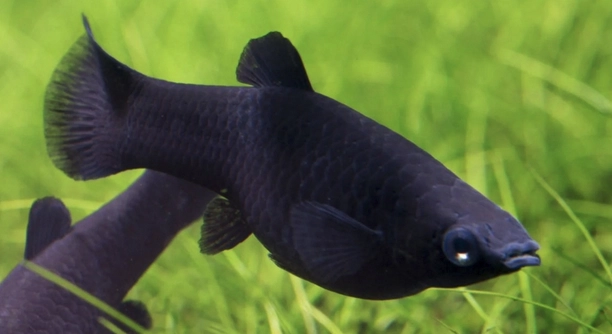
7 Substrate Issues That Affect Black Molly Comfort
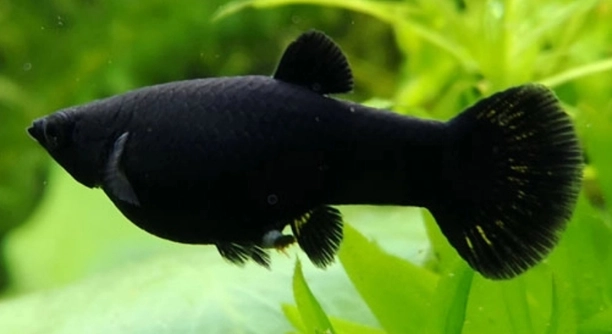
Keeping Black Mollies comfortable in their tank goes beyond water quality and diet. The type of substrate you choose plays a significant role in their daily wellbeing, affecting both behavior and overall health. Proper care starts from the bottom. Substrate issues such as rough surfaces, improper grain size, poor cleanliness, unsuitable materials, and lack of … Read more
How to Help Black Molly Adjust to Larger Spaces

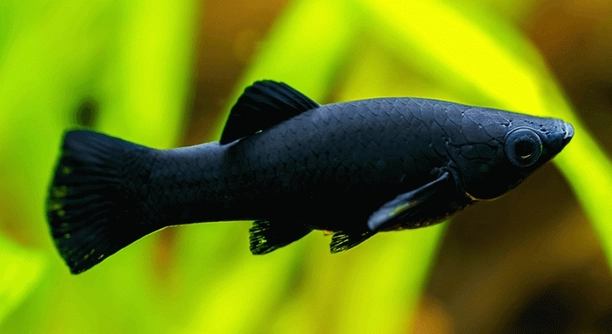
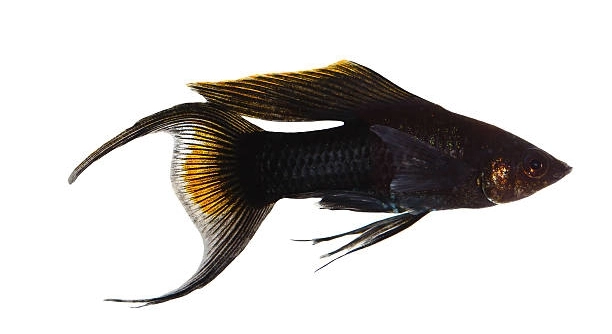
Black Mollies are lively fish that enjoy exploring their surroundings. When moving them to larger tanks, their behavior can seem cautious at first. Understanding their adjustment process helps ensure they stay healthy and comfortable. The best way to help a Black Molly adjust to a larger space is to introduce it gradually, maintain stable water … Read more

7 Safe Cleaning Tools for Black Molly Tanks

Keeping a black molly tank clean is important for your fish’s health and happiness. Regular maintenance helps prevent algae buildup and keeps the water clear. Even small tools can make a big difference in care. Using safe cleaning tools for black molly tanks ensures that the environment remains non-toxic, minimizes stress to the fish, and … Read more

Why Is My Black Molly Darting Around the Tank?

Do you ever notice your black molly swimming quickly from one side of the tank to the other, almost like it is startled? Watching this sudden movement can feel confusing and even a little stressful for new fish owners. Black mollies often dart around the tank due to stress, sudden changes in water conditions, or … Read more

7 Causes of Black Molly Floating Sideways

Black Mollies are lively freshwater fish, popular for their striking appearance and calm temperament. Observing them swim is usually relaxing, but when they start floating sideways, it can signal underlying issues. Identifying the cause is important for their well-being. Floating sideways in Black Mollies is typically caused by swim bladder disorders, poor water quality, infections, … Read more

Can Black Molly Survive a pH Crash?

Black Mollies are popular freshwater fish known for their striking appearance and peaceful nature. Many aquarium owners enjoy keeping them, but sudden changes in water conditions can pose serious challenges to their health and survival. Black Mollies can survive a pH crash if the change is gradual and appropriate interventions are taken. Immediate stabilization of … Read more

7 Visual Cues That Black Molly Are Comfortable

Black mollies are lively and interesting fish, often brightening up any aquarium. Observing their behavior can give clues about how they feel in their environment and how well they are adjusting to their tank. Black mollies display comfort through several visual cues, including relaxed swimming patterns, smooth fin movement, vibrant coloration, consistent eating habits, social … Read more

7 Beginner Tips for Caring for Black Molly

Black Mollies are a popular choice for home aquariums due to their striking color and peaceful nature. Many beginners find it rewarding to watch them swim gracefully while maintaining a simple tank setup. Caring for Black Mollies involves maintaining clean water, providing a balanced diet, regulating temperature and pH levels, and ensuring enough space for … Read more

Can Black Molly Survive in Brackish Water?

Can Black Molly fish adapt when their freshwater environment shifts toward brackish conditions? Many fish owners encounter this situation and wonder if their black mollies can handle the change without compromising their health or wellbeing. Black Mollies can tolerate mildly brackish water, typically up to 10-15 ppt salinity. Extended exposure to higher salinity levels can … Read more

Do Black Molly Need Visual Boundaries in Tanks?

Black Molly fish are a popular choice for home aquariums due to their striking black coloration and lively behavior. Many aquarists wonder how tank setup affects their well-being, including the impact of visual boundaries on stress levels. Black Mollies do benefit from visual boundaries within their tanks. Providing barriers such as plants, rocks, or dividers … Read more