
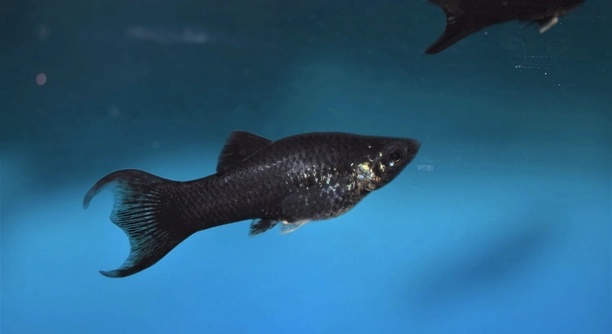
Black mollies are lively and interesting fish, often brightening up any aquarium. Observing their behavior can give clues about how they feel in their environment and how well they are adjusting to their tank.
Black mollies display comfort through several visual cues, including relaxed swimming patterns, smooth fin movement, vibrant coloration, consistent eating habits, social interactions, and minimal signs of stress. These behaviors indicate proper acclimation and overall wellbeing in their environment.
Recognizing these signals can help ensure your black mollies are happy and thriving. Paying attention to their habits allows you to create a healthier aquarium environment.
Relaxed Swimming Patterns
When black mollies feel comfortable in their tank, they move smoothly and confidently. You’ll notice them gliding through the water without sudden jerks or frantic darting. They explore different areas and often swim mid-level rather than hiding at the bottom or staying at the surface. Comfortable mollies tend to hover in groups or alone, depending on their mood, but always with ease. Their movements appear natural and unforced, reflecting a sense of security. Stressful conditions, like poor water quality or aggressive tankmates, can cause them to swim erratically or cling to one corner. Observing their daily patterns can give you a clear sense of how well they’re adapting. Over time, you might even notice their individual personalities through their swimming habits, such as playful bursts or calm drifting. Comfortable mollies also respond calmly when you approach the tank, often showing curiosity rather than fear.
Relaxed swimming is a strong indicator that your black mollies feel safe and at ease in their environment.
Consistent, smooth movement signals good health and comfort. It means water conditions, temperature, and tank companions are suitable, and your mollies feel secure. Observing these patterns helps you catch early signs of stress and ensures they remain happy and healthy over time.
Smooth and Erect Fins
Fins that are held upright and move naturally are a clear sign of comfort in black mollies.
Erect, well-spread fins show that mollies are healthy and not stressed. When fins droop or clamped, it often signals discomfort, illness, or poor water conditions.
Smooth, erect fins are a visual cue that your mollies are thriving. Healthy fins glide with their movements, showing proper energy and confidence in the tank. When black mollies feel comfortable, their dorsal, pectoral, and tail fins remain fully extended as they swim, giving a graceful, flowing appearance. Clamped or frayed fins can indicate stress, overcrowding, or disease. Maintaining clean water, a balanced diet, and proper tank mates encourages this natural display. Watching for these subtle changes allows you to monitor overall wellbeing. Comfortable black mollies also show gentle, rhythmic fin movements rather than rapid flicking. Over time, you may notice some mollies using their fins to interact with others or explore their surroundings, demonstrating confidence and security. Healthy fins are a straightforward yet important signal of their comfort level in the tank.
Bright and Consistent Coloration
Healthy black mollies show deep, even coloration across their body.
When black mollies are comfortable, their black scales remain rich and uniform. Faded or patchy colors often indicate stress, poor diet, or illness. Regular feeding with a balanced diet and stable water conditions help maintain their natural hue. Color can fluctuate slightly with mood, but extreme changes signal discomfort. Observing coloration alongside behavior gives a clear picture of overall wellbeing.
Bright coloration reflects good health and comfort. Mollies that swim confidently, eat well, and interact with tankmates usually display strong, even color. Consistency in tone shows that their environment supports their physical and emotional needs. If you notice dullness or unusual spots, it’s a signal to check water quality, diet, and tank conditions. Healthy, comfortable mollies have vibrant scales that make them stand out, confirming they are thriving and stress-free.
Social Interaction
Black mollies that feel secure often interact calmly with others.
Comfortable mollies swim near tankmates without aggression or fear. They may follow or mirror movements, showing social bonds.
Social interaction is a clear sign of comfort in black mollies. These fish naturally form loose groups, swim together, and respond to each other’s movements. When they are stressed or uncomfortable, they isolate or hide, avoiding others entirely. Observing their social patterns can reveal much about tank conditions and individual wellbeing. Proper space, compatible companions, and stable water quality support healthy interactions. Mollies that nudge, circle, or gently swim alongside others demonstrate trust and a sense of security. Social behavior also indicates they are feeding comfortably and not competing excessively. Over time, you may notice certain mollies showing more sociable tendencies while others prefer calm observation. Comfort in their environment encourages both active play and peaceful coexistence, creating a balanced aquarium dynamic.
Regular Feeding Habits
Comfortable black mollies eat steadily and without hesitation.
They approach food promptly and return to normal swimming afterward. Skipping meals or hiding during feeding often signals stress or poor water conditions.
Calm Responses to Movement
Black mollies that feel secure remain composed when you move near the tank.
These fish may pause or glance at your presence but rarely dart or hide. Calm reactions show they are familiar with their surroundings and not easily startled. Consistent water conditions, proper tank mates, and a predictable environment contribute to this relaxed behavior. Over time, you may notice them swimming closer to the glass or gently following your movements. Comfort in their habitat allows mollies to display curiosity without stress, reflecting a sense of trust and security. This calmness is an important cue that your fish are adapting well and thriving within the tank.
Minimal Signs of Stress
Signs of stress in black mollies include rapid gill movement, clamped fins, and hiding. Observing the absence of these behaviors indicates comfort.
Stress-free mollies maintain consistent swimming, eat regularly, interact socially, and show even coloration. Calm, confident fish signal that tank conditions, including temperature, water quality, and companions, meet their needs. Stress can also manifest in erratic movements, pale colors, or fin damage. Monitoring these indicators helps identify issues early. Providing proper diet, clean water, and a stable environment encourages healthy behavior. When black mollies display steady, natural activity without signs of distress, it confirms they feel secure and comfortable in their habitat.
Exploring Their Environment
Comfortable black mollies investigate decorations and plants without fear or hesitation.
How can I tell if my black molly is happy in the tank?
A happy black molly displays smooth, relaxed swimming and upright fins. They eat regularly, interact with other mollies, and explore their surroundings confidently. Their coloration is vibrant and consistent, without fading or patchiness. Calm reactions to movements outside the tank, such as when you approach, also indicate comfort. Observing these behaviors daily gives a clear sense of their overall wellbeing.
Why are my black mollies hiding a lot?
Hiding can signal stress, illness, or poor water conditions. New mollies may hide while adjusting to a new tank, but prolonged hiding suggests an issue. Check for water quality problems like incorrect pH, temperature fluctuations, or overcrowding. Aggressive tankmates can also cause mollies to retreat frequently. Offering plenty of plants and hiding spots reduces stress while addressing environmental problems.
What does clamped fins mean for black mollies?
Clamped fins, where fins stay close to the body instead of fanning out, usually indicate discomfort. This can be caused by poor water conditions, illness, or stress from aggressive tankmates. Monitoring other behaviors, like appetite and swimming patterns, helps identify the underlying cause. Improving water quality and reducing stressors often restores natural fin posture.
Is color fading normal in black mollies?
Minor color changes may occur due to mood, lighting, or diet, but sudden or uneven fading usually signals stress or poor health. Consistent deep black coloration indicates comfort and proper care. Ensuring balanced nutrition, stable water conditions, and minimal stress helps maintain their natural coloration over time.
Why do black mollies sometimes swim erratically?
Erratic swimming is often a sign of stress, poor water conditions, or illness. Sudden darting, circling, or bumping against tank walls can indicate gill irritation, parasites, or low oxygen levels. Observing their environment for chemical imbalances, temperature shifts, or incompatible tankmates is essential. Prompt action can prevent serious health issues.
How often should I feed my black mollies?
Black mollies thrive on small, consistent meals two to three times per day. Overfeeding can lead to poor water quality and obesity, while underfeeding can stress the fish. Providing a mix of high-quality flakes, pellets, and occasional live or frozen foods ensures proper nutrition and supports healthy behavior.
Do black mollies interact with each other?
Yes, black mollies are social fish that often swim together or mirror each other’s movements. Comfortable mollies may follow each other, explore the tank as a group, and establish gentle social hierarchies. Stress or illness can reduce interaction, causing isolation or hiding. Maintaining a compatible group helps promote natural social behavior.
What tank conditions help black mollies feel comfortable?
Stable water temperature between 75-82°F, clean water with regular changes, and a pH of 7.0-8.0 support comfort. Adequate swimming space, hiding spots, and compatible tankmates reduce stress. Balanced nutrition and avoiding sudden changes in environment or lighting help black mollies maintain calm and natural behaviors.
How can I reduce stress for my black mollies?
Stress reduction involves proper water quality, stable temperature, minimal overcrowding, and gentle handling. Providing hiding spots, live plants, and consistent feeding schedules helps mollies feel secure. Observing their behavior and adjusting environmental factors promptly prevents long-term stress and supports healthy, comfortable fish.
Why do black mollies sometimes nibble at each other?
Occasional nibbling is normal social behavior, especially in establishing hierarchies. Persistent aggression, chasing, or fin biting signals stress, overcrowding, or incompatible tankmates. Monitoring interactions and providing space, hiding places, and compatible companions ensures a peaceful environment for all mollies.
Can black mollies get used to human presence?
Yes, comfortable mollies often respond calmly when you approach the tank. They may follow your movements or pause to observe without hiding. Predictable routines, consistent feeding times, and gentle interactions help them become familiar with human presence, reducing stress and encouraging natural behavior.
What signs indicate a black molly is stressed despite good water conditions?
Even in ideal water, stress may appear as clamped fins, erratic swimming, hiding, pale colors, or loss of appetite. Causes can include aggressive tankmates, overcrowding, or insufficient stimulation. Observing behavior and adjusting tank dynamics, decorations, or companions helps mollies regain comfort.
How important is tank decoration for black mollies’ comfort?
Decorations and plants provide hiding spots, resting areas, and exploration opportunities. Comfortable mollies interact with these features, exploring without fear. Sparse or barren tanks can cause stress or boredom. A mix of open swimming areas and covered spaces supports natural behavior, reduces anxiety, and encourages healthy activity.
Can I keep black mollies alone?
Black mollies prefer social interaction but can survive alone if the tank is enriched with hiding spots and stimulation. Alone mollies may show less active behavior and reduced social signals. Ideally, they are kept in small groups of compatible fish to support natural interaction and comfort.
How often should I monitor my black mollies?
Daily observation is ideal to catch early signs of stress or illness. Watching swimming patterns, fin posture, coloration, feeding behavior, and social interaction provides a clear picture of comfort. Prompt attention to changes ensures a healthier, happier environment for your mollies.
What are early warning signs of illness in black mollies?
Early signs include clamped fins, loss of appetite, faded coloration, erratic swimming, or hiding. Spotting these behaviors early allows for quick intervention. Maintaining clean water, proper diet, and monitoring tankmates helps prevent disease and supports overall comfort and health.
How do I encourage natural behavior in black mollies?
Providing ample swimming space, plants, decorations, and compatible companions encourages natural exploration and social interaction. Regular, small meals, stable water conditions, and minimal sudden disturbances support confidence and comfort. Observing and responding to behavior helps mollies express their natural instincts safely.
Why do some black mollies stay near the surface?
Surface swimming can indicate comfort if they are eating or exploring. It can also signal low oxygen or water quality issues if excessive. Comfortable mollies balance time near the surface, mid-level, and bottom areas while exploring and interacting naturally with tankmates.
Can lighting affect black mollies’ comfort?
Yes, consistent lighting helps establish day-night cycles, reducing stress. Too bright or inconsistent light may cause hiding or erratic behavior. Soft, regular lighting encourages exploration, healthy activity, and normal coloration, contributing to overall comfort.
How can I tell if a new black molly is settling in?
A settling molly begins exploring the tank, eating regularly, and interacting with others. Upright fins, smooth swimming, and vibrant color indicate comfort. Temporary hiding is normal, but gradual engagement with surroundings and tankmates signals successful acclimation.
What are the best tankmates for black mollies?
Peaceful, similarly sized fish like guppies, platies, and swordtails make good companions. Aggressive or much larger fish may stress mollies. Comfortable mollies interact gently with compatible companions, swim in groups, and maintain normal social and feeding behaviors, ensuring a balanced tank environment.
How do I maintain consistent water quality for comfort?
Regular water changes, filtration maintenance, and testing for ammonia, nitrite, and nitrate levels are essential. Stable temperature, pH, and hardness prevent stress. Consistent water parameters allow black mollies to swim, feed, and socialize confidently without environmental stressors affecting comfort.
Can black mollies get used to changes in the tank?
Yes, but gradual changes in water, decorations, or tankmates are best. Sudden adjustments can cause stress. Introducing changes slowly allows mollies to adapt while maintaining normal swimming, feeding, and social behaviors. Observing reactions ensures the tank remains a comfortable habitat.
How do I know if my black mollies are comfortable long-term?
Long-term comfort shows in steady swimming, upright fins, bright coloration, regular feeding, social interaction, calm responses to movement, and exploration. Continuous observation of these behaviors confirms that the tank environment, diet, and companions consistently support their wellbeing.
Final thoughts on black mollies’ comfort highlight the importance of observation and care. These fish are sensitive to their environment, and small changes in water quality, temperature, or tank setup can affect their wellbeing. Paying attention to visual cues such as swimming patterns, fin posture, coloration, and social interaction allows you to understand their comfort level. Relaxed swimming, upright fins, and smooth movement through the water indicate a secure and stress-free fish. Similarly, vibrant and even coloration reflects good health and proper care. Comfort is also shown when black mollies eat regularly, explore their surroundings, and interact with other tankmates in a calm and natural way. Observing these behaviors consistently provides insight into whether their environment is meeting their needs.
Ensuring that black mollies feel comfortable requires a balanced approach. Water quality is crucial, including regular testing for pH, ammonia, nitrite, and nitrate levels. Consistent temperature and a stable environment help reduce stress. Tank setup matters as well; providing both open swimming areas and hiding spaces encourages natural behavior. Decorations, plants, and gentle tankmates create a more enriching habitat. Feeding schedules and a balanced diet support not only physical health but also emotional wellbeing. Comfortable fish are more likely to display social behaviors, explore the tank confidently, and maintain steady coloration and fin health. Stress, on the other hand, can result in clamped fins, erratic swimming, hiding, or loss of appetite. By addressing these environmental and care factors, you create a space where black mollies can thrive.
Long-term comfort is achieved through careful observation and consistent care. Watching for subtle changes in behavior allows early detection of stress or illness. Comfortable black mollies respond calmly to your presence, swim gracefully, and explore their environment without fear. They interact with their companions naturally and feed consistently. Maintaining the right tank conditions, a suitable diet, and compatible tankmates is essential for their wellbeing. Gradual adjustments when needed help mollies adapt without unnecessary stress. By providing an environment that meets their physical and behavioral needs, you ensure that black mollies remain healthy, confident, and comfortable over time. Observing these signals and making thoughtful care decisions creates a stable and peaceful habitat that supports their overall health and happiness.

Hello,
If you enjoy the content that we create, please consider saying a "Thank You!" by leaving a tip.
Every little bit helps us continue crafting quality advice that supports the health, happiness, and well-being of pets around the world, for pets of all shapes, sizes, and species.
We really appreciate the kindness and support that you show us!