
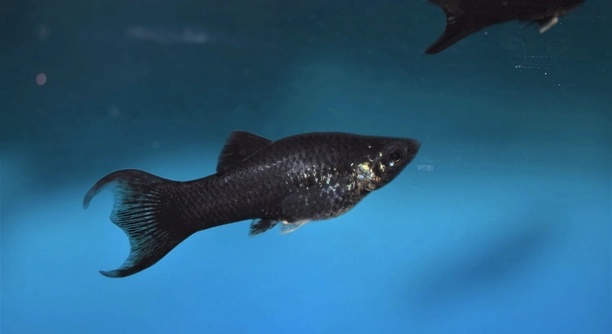
Black Mollies are popular freshwater fish known for their striking appearance and peaceful nature. Many aquarium owners enjoy keeping them, but sudden changes in water conditions can pose serious challenges to their health and survival.
Black Mollies can survive a pH crash if the change is gradual and appropriate interventions are taken. Immediate stabilization of water parameters, monitoring ammonia levels, and providing a stress-free environment are essential to ensure their continued health and prevent fatalities.
Maintaining stable water conditions is key for their well-being. Understanding how pH fluctuations affect Black Mollies will help ensure a thriving aquarium environment.
Understanding pH and Its Impact on Black Mollies
Maintaining proper pH levels in an aquarium is crucial for Black Mollies. These fish thrive in slightly alkaline water, typically between 7.5 and 8.5. Sudden drops in pH can stress them, affecting their immune system and behavior. A sharp pH decrease may cause rapid breathing, lethargy, or loss of appetite. Over time, prolonged exposure to unsuitable pH levels can damage internal organs, reduce lifespan, and increase susceptibility to disease. Regular testing with reliable kits is essential to track water conditions. Using buffers or gradual water changes can help stabilize pH when needed. Observing the fish daily helps detect early signs of stress. Adjusting diet and avoiding overcrowding also supports resilience during minor fluctuations. By understanding the relationship between water chemistry and fish health, it is possible to create a stable environment where Black Mollies can remain active and vibrant. Consistency in care is far more effective than reactive measures after a problem arises.
Monitoring pH closely allows for timely adjustments and minimizes risk. Daily checks prevent major crashes and support overall fish health.
Small changes over time are easier for Black Mollies to handle. Immediate intervention is needed if signs of stress appear, ensuring survival and maintaining tank balance.
Common Causes of pH Fluctuations
pH swings in aquariums can result from several factors. Uneaten food, decaying plants, and organic waste produce acids that lower pH. Tap water with varying hardness or chemical treatments can also shift levels unexpectedly. Inadequate filtration reduces the tank’s ability to maintain stable chemistry. Temperature changes can alter water chemistry, indirectly affecting pH. Sudden water additions or replacements may introduce a different pH, shocking the fish. Overcrowding increases waste production, accelerating chemical changes. Even routine cleaning, if done improperly, can disturb the tank’s balance. Recognizing these sources allows proactive management. Consistent water testing, moderate feeding, and proper filtration can prevent most problems. Awareness of how these factors interact helps maintain a safe and stable environment.
By addressing these elements, you can create a predictable environment for Black Mollies. Adjustments are easier to implement before stress becomes severe, and the fish respond better to gradual changes than sudden shocks.
Understanding the reasons behind pH shifts is essential. Controlling feeding, cleaning, and water chemistry helps minimize fluctuations. Consistent observation of the tank allows quick action if pH begins to drop. Regular partial water changes with treated water help maintain alkalinity, while adding crushed coral or commercial buffers can stabilize levels over time. Avoid drastic changes, as Black Mollies respond poorly to sudden shocks. Temperature stability also plays a role, as warmer water can accelerate chemical reactions, lowering pH. A well-balanced tank, combined with careful monitoring, ensures fish remain healthy. By anticipating changes and acting proactively, the risk of long-term damage is reduced, and the aquarium becomes a safer, more predictable environment for all its inhabitants.
Signs of Stress in Black Mollies
Changes in behavior often indicate stress from a pH crash. Rapid gill movement, hiding, or loss of appetite are common early signs. Monitoring these behaviors helps identify issues before they worsen.
Stress can weaken Black Mollies’ immune systems, making them vulnerable to disease. Fish may swim erratically or cling near the water surface. Fins may appear clamped, and coloration can fade. Long-term exposure to unstable pH affects reproduction, growth, and overall vitality. Promptly identifying stress allows timely adjustments to water chemistry and environment. Observing interactions between tankmates is also important, as aggressive behavior can increase under stress. By reacting quickly, it is possible to reduce harmful effects and help fish recover more effectively.
Physical symptoms are equally important. Black Mollies may develop lesions, unusual swimming patterns, or inactivity when stressed. Noticing these signs early ensures interventions, like partial water changes or pH stabilization, are effective and minimize lasting damage. Maintaining clean water and appropriate tank conditions supports recovery and resilience.
Preventing pH Crashes
Regular water testing is essential for preventing sudden pH drops. Keeping records of daily readings helps detect small changes before they escalate.
Using buffers or natural stabilizers maintains consistent water chemistry. Partial water changes with treated water prevent sudden swings. Avoid overfeeding, as leftover food decomposes, producing acids that lower pH. Filtration should be properly sized and maintained to handle waste efficiently. Adding crushed coral or limestone can provide long-term alkalinity support. Temperature stability also reduces chemical fluctuations. Observing fish behavior provides additional clues about water conditions. Proactive maintenance prevents stress, ensures health, and reduces the likelihood of pH-related complications in Black Mollies.
A stable environment also includes proper tank setup and monitoring. Overcrowding increases waste and accelerates pH changes. Plants and substrate should be chosen carefully, as decomposing plant matter can affect acidity. Keeping a consistent schedule for cleaning, feeding, and water adjustments minimizes surprises. Monitoring ammonia, nitrites, and nitrates complements pH checks, ensuring overall water quality is balanced. By combining chemical control with attentive care, Black Mollies are less likely to suffer from sudden shifts, maintaining vitality and behavior patterns that indicate a healthy, thriving aquarium.
Immediate Actions During a pH Crash
Quick response can save Black Mollies when pH drops suddenly. Partial water changes with treated water help stabilize levels and reduce stress.
Removing uneaten food and checking filtration improves water quality. Adding buffers gradually restores alkalinity without shocking the fish.
Long-Term Care After a pH Crash
After stabilizing pH, maintaining consistency is key. Continue regular water testing and record trends to prevent future crashes. Observe fish for lingering signs of stress, such as faded color or clamped fins, and provide a balanced diet to support recovery. Avoid rapid changes in temperature or water chemistry. Slowly adjust buffers if needed, rather than making large corrections. Proper filtration and routine partial water changes maintain stable conditions. Limiting overcrowding and ensuring adequate swimming space reduces stress. Over time, Black Mollies regain strength, appetite, and normal behavior. Consistency and careful monitoring ensure long-term health after a pH incident.
Feeding Adjustments
Feeding smaller portions more frequently helps stressed Black Mollies digest food easily. Remove leftovers promptly to maintain water quality.
FAQ
How quickly can a pH crash affect Black Mollies?
A sudden pH drop can impact Black Mollies within hours. They may start showing stress through rapid gill movement, hiding, or reduced activity. The severity depends on how much the pH changes and the fish’s previous health. Immediate intervention is essential to prevent lasting damage.
What is the safest way to stabilize pH?
Gradual adjustments are safest. Partial water changes with treated water and adding buffers slowly helps restore alkalinity without shocking the fish. Avoid large corrections all at once, as this can increase stress or worsen the situation. Monitoring pH levels during adjustments ensures stability.
Can Black Mollies recover fully from a pH crash?
Yes, if the water chemistry is stabilized promptly and consistently. Recovery includes returning appetite, normal swimming, and vibrant coloration. Supportive care such as balanced feeding, clean water, and stress reduction accelerates healing. Chronic stress or repeated crashes may have lasting effects, so prevention is important.
How often should I test pH to prevent crashes?
Daily testing is recommended during high-risk periods or if the tank is new. For established aquariums with stable conditions, testing every few days is sufficient. Consistent monitoring helps detect small changes early before they escalate into serious problems.
Are certain tank setups more prone to pH crashes?
Yes, tanks with poor filtration, heavy fish loads, or decaying organic matter experience faster pH swings. Aquariums with soft water or unstable tap water are also at higher risk. Proper setup, adequate filtration, and careful maintenance reduce the likelihood of sudden changes.
What role does diet play in pH stability?
Uneaten food decomposes, producing acids that lower pH. Feeding small, controlled portions and promptly removing leftovers helps maintain chemical balance. A balanced diet also supports the fish’s immune system, making them more resilient to minor fluctuations.
Can adding plants help prevent pH crashes?
Live plants can absorb some waste products, slightly stabilizing water chemistry. However, decaying plant matter can also contribute to acidity, so regular pruning and removal of dead leaves is necessary. Plants are helpful but not a replacement for proper maintenance and monitoring.
Is it safe to use chemical pH adjusters?
Chemical adjusters can stabilize pH but should be used cautiously. Sudden large doses can shock fish. Gradual application while monitoring levels is essential. Using buffers naturally, such as crushed coral or limestone, often provides a safer long-term solution.
How does water hardness affect pH stability?
Hard water has more buffering capacity, meaning it resists pH changes better than soft water. Soft water is prone to rapid fluctuations, so adjusting buffering capacity through additives or substrate choices is important in these setups.
What long-term practices help maintain stable pH?
Routine partial water changes, monitoring ammonia, nitrite, and nitrate levels, feeding controlled amounts, maintaining filtration, and avoiding overcrowding all contribute to long-term stability. Observing fish behavior regularly allows for early detection of potential problems before they escalate.
Can temperature changes trigger a pH crash?
Yes, warmer water accelerates chemical reactions, which can lower pH more quickly. Maintaining a stable temperature appropriate for Black Mollies helps reduce the risk of sudden pH changes.
What signs indicate a Black Molly is not coping with pH changes?
Clamped fins, faded coloration, lethargy, rapid gill movement, erratic swimming, or hiding are signs of stress. Observing these early allows for faster intervention, increasing the chance of recovery.
Should I quarantine stressed Black Mollies?
Quarantine may be helpful if multiple fish are affected or if disease appears. Isolating a stressed fish in stable water allows better monitoring and reduces risk of aggression from tankmates.
Are pH fluctuations more dangerous than other water parameters?
While ammonia and nitrites are also critical, rapid pH changes are particularly stressful for Black Mollies because they impact respiratory efficiency and overall metabolism immediately. Stable water chemistry supports both health and behavior.
How long does it take for Black Mollies to recover after a crash?
Recovery varies depending on stress severity and care quality. Minor pH fluctuations may see improvements in hours or days. Severe or prolonged exposure may take weeks, requiring careful monitoring, clean water, and supportive feeding.
Can I prevent pH crashes entirely?
While complete prevention isn’t always possible, careful monitoring, consistent maintenance, proper feeding, and gradual adjustments minimize risks. Awareness of water source quality, buffering capacity, and tank conditions significantly reduces the likelihood of sudden drops.
Is there a link between pH crashes and fish disease?
Yes, stress from unstable pH weakens the immune system, making Black Mollies more susceptible to infections, parasites, and fungal growth. Maintaining stable water conditions is a key preventative measure.
Do all Black Mollies respond the same way to pH changes?
Individual tolerance varies. Some fish are more resilient, while others may show stress quickly. Younger or weaker fish are generally more vulnerable. Observing each fish helps identify who may need extra care during fluctuations.
Are commercial test kits reliable for monitoring pH?
Most reputable kits provide accurate readings, but calibration and proper usage are important. Using strips or digital meters according to instructions ensures consistent monitoring and early detection of potential issues.
What are the best emergency steps if a pH crash is detected at night?
Partial water changes with treated water, reducing feeding, checking filtration, and gradually adding buffers are effective emergency measures. Monitoring fish closely until morning helps ensure stability and prevents escalation.
Can Black Mollies live in slightly lower pH temporarily?
They can tolerate minor drops for short periods, but prolonged exposure stresses them and reduces immunity. Quick correction and monitoring are essential to prevent long-term effects on health, color, and behavior.
How do tankmates affect pH stress?
Aggressive or highly active tankmates can increase stress in Black Mollies during pH instability. Reducing competition and ensuring sufficient space helps them cope better during fluctuations.
Is it necessary to adjust pH after every water change?
Not always. Testing water before adding it to the tank helps determine if adjustment is needed. Many changes do not significantly affect pH if water quality is similar to the tank.
Can adding crushed coral prevent future pH crashes?
Yes, crushed coral slowly releases minerals that buffer the water, stabilizing pH. It’s a long-term solution but should be combined with proper maintenance and monitoring for best results.
Do Black Mollies show immediate improvement after pH correction?
Behavior may improve quickly, but full recovery, including color and appetite, can take longer. Consistent water quality and supportive care ensure they regain full vitality.
Are there natural indicators of pH changes in the tank?
Sudden changes in fish behavior, increased gas bubbles, or unusual plant decay can indicate shifts. While not precise, these signs can prompt immediate testing and corrective action.
Can overstocking lead to pH crashes?
Yes, more fish produce more waste, accelerating chemical changes that lower pH. Maintaining appropriate stocking levels helps stabilize water chemistry and reduce stress for Black Mollies.
What should I do if pH drops repeatedly?
Investigate water source, filtration, feeding practices, and tank setup. Consistent monitoring, gradual adjustments, and preventative measures like buffers or crushed coral reduce recurrence and protect fish health.
Do pH swings affect breeding?
Yes, unstable pH stresses Black Mollies, often reducing breeding activity. Consistent conditions promote normal reproductive behavior and healthier fry survival rates.
How long can Black Mollies survive in unstable pH?
Survival depends on severity and duration. Minor fluctuations may be tolerated for days, but prolonged or severe drops can be fatal. Rapid intervention improves chances of survival significantly.
Can I rely on natural substrates to stabilize pH?
Certain substrates, like limestone or crushed coral, help buffer water, but they must be monitored and combined with proper care. Alone, they may not prevent sudden changes caused by waste buildup or overfeeding.
Is it better to correct pH at night or during the day?
Daytime is preferable, as it allows for observation of fish responses. Night adjustments are possible but require careful monitoring to avoid unintentional overcorrection.
Do older Black Mollies cope worse with pH crashes?
Older fish may be less resilient than younger ones. Their immune systems are more vulnerable, making consistent water quality more critical for long-term health and survival.
How important is aeration during a pH crash?
Aeration increases oxygen levels, which can reduce stress on fish experiencing respiratory difficulties from a sudden pH drop. Proper circulation also helps distribute buffers and maintain stability.
Can stress from pH crashes be reversed completely?
Yes, if addressed promptly with consistent care. Recovery includes normal activity, appetite, coloration, and behavior. Prevention and monitoring are key to minimizing long-term impacts.
Are there signs that indicate pH correction is working?
Improved swimming behavior, normal breathing, regained appetite, and restored coloration indicate that water adjustments are effective and the fish are recovering.
Should I change the entire tank water during a pH crash?
Complete water changes can be stressful and risk further imbalance. Partial, treated water changes are safer and allow gradual correction without shocking the fish.
How do I combine pH stabilization with routine tank maintenance?
Test water regularly, perform partial changes, clean filters, and monitor fish behavior. Gradual pH adjustments during maintenance maintain stable conditions without causing additional stress.
Can Black Mollies survive without intervention during minor pH drops?
They may tolerate slight, short-term drops, but proactive intervention reduces stress and prevents potential long-term effects, ensuring consistent health and vitality.
Does the size of the tank influence pH stability?
Larger tanks with more water volume are generally more stable because chemical changes occur more slowly. Smaller tanks are more prone to rapid fluctuations and require closer monitoring.
How do I know if a buffer is appropriate for my tank?
Check compatibility with current water hardness and pH targets. Follow manufacturer instructions, apply gradually, and monitor levels to ensure safe, effective stabilization for Black Mollies.
What are the most common mistakes during pH correction?
Applying large doses at once, ignoring water chemistry tests, and neglecting fish behavior are common errors. Gradual adjustment, monitoring, and consistent maintenance prevent these issues.
Can I mix different brands of buffers?
Mixing is not recommended unless confirmed compatible. Different formulations may react unpredictably, causing sudden pH swings or chemical imbalances that stress the fish.
Is a sudden color change in Black Mollies always due to pH?
Not always. Stress, illness, or diet can also affect coloration. Observing other behaviors alongside water testing helps identify the actual cause of changes.
Do Black Mollies need extra care after a crash even if pH stabilizes?
Yes, monitoring behavior, feeding, and water quality ensures full recovery. Subtle stress effects can persist even after chemical balance is restored.
Can I prevent future crashes by over-buffering?
Over-buffering can push pH too high, causing additional stress. Gradual, moderate stabilization combined with routine care is safer and more effective than excessive correction.
How can I track small pH changes over time?
Keep a daily log of test results, noting temperature, feeding, and water changes. This helps spot trends and take corrective action before a crash occurs.
Do Black Mollies prefer slightly alkaline water naturally?
Yes, they thrive in slightly alkaline conditions around 7.5 to 8.5. Maintaining this range supports metabolism, reproduction, and overall health.
Are young Black Mollies more sensitive to pH changes than adults?
Yes, fry and juveniles have weaker immune systems and are less tolerant of sudden chemical changes. Extra care and gradual adjustments are critical for their survival.
Can filter media affect pH stability?
Yes, some media release minerals that buffer water, while others may absorb acids. Choosing compatible filtration media helps maintain consistent conditions.
Is it necessary to inform others in multi-tank setups about pH issues?
Yes, sharing information ensures consistent care across tanks, especially when water sources or equipment affect multiple systems. Coordinated maintenance prevents repeated stress on Black Mollies.
Can frequent handling worsen stress during a pH crash?
Yes, handling increases stress. Minimize interaction and focus on stabilizing water chemistry to support recovery and reduce additional strain.
What is the most reliable method for long-term pH stability?
Consistent monitoring, partial water changes, buffering, proper filtration, and careful feeding collectively provide the most effective long-term stability, ensuring healthy Black Mollies and a balanced aquarium.
Final Thoughts
Maintaining a stable environment is the key to keeping Black Mollies healthy and thriving. These fish are resilient but sensitive to sudden changes in water chemistry, especially pH. A rapid drop can cause stress, weaken their immune system, and affect their behavior and appearance. Stress manifests in clamped fins, faded coloration, hiding, and reduced appetite. In more severe cases, long-term exposure to unsuitable pH can damage internal organs and reduce lifespan. Monitoring water parameters regularly is essential to prevent these problems. Daily or frequent pH testing allows early detection of fluctuations, giving enough time to take corrective measures. Observing fish behavior complements chemical testing, helping to identify subtle signs of stress before they escalate into more serious issues. Regular inspection of tankmates, swimming patterns, and feeding habits provides valuable information on overall tank health. By combining observation with routine water testing, you can create a stable and safe environment that supports the well-being of your Black Mollies.
A proactive approach to tank maintenance helps prevent pH crashes from occurring in the first place. Partial water changes with treated water, careful feeding, proper filtration, and the use of natural or commercial buffers contribute to a balanced ecosystem. Avoid overfeeding, as decomposing food produces acids that can lower pH and destabilize the water. Filtration should be appropriately sized for the tank’s capacity and maintained consistently to handle waste efficiently. Plants can aid slightly by absorbing waste, but decaying plant matter can also affect pH, so regular pruning and removal of dead material is necessary. Tank size also matters, as larger volumes of water are generally more stable than smaller ones. Temperature consistency is another important factor, as fluctuations can accelerate chemical reactions that alter pH. By paying attention to these elements and following a consistent maintenance schedule, you reduce the risk of sudden pH swings and create a stable habitat that allows Black Mollies to flourish over the long term.
Responding quickly and correctly to a pH crash is critical when it does occur. Partial water changes, careful addition of buffers, and minimizing stressors like overcrowding or aggressive tankmates improve survival chances. Black Mollies can recover fully if the water chemistry is stabilized and supportive care is provided. Recovery includes regaining normal swimming behavior, appetite, and coloration, though it may take days or even weeks depending on the severity of the stress. Long-term care after a crash focuses on maintaining consistent water parameters, observing the fish closely, and providing a balanced diet to strengthen their resilience. Consistency is far more important than reactive measures alone. Over time, attentive monitoring, proper maintenance, and gentle adjustments create a reliable environment where Black Mollies not only survive pH fluctuations but thrive. Following these practices ensures a healthy, active, and visually vibrant aquarium that supports the well-being of your fish for years to come.

Hello,
If you enjoy the content that we create, please consider saying a "Thank You!" by leaving a tip.
Every little bit helps us continue crafting quality advice that supports the health, happiness, and well-being of pets around the world, for pets of all shapes, sizes, and species.
We really appreciate the kindness and support that you show us!