
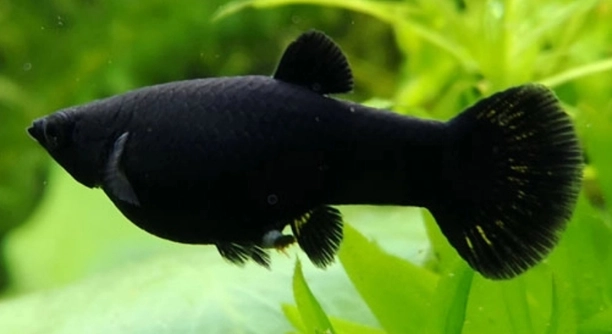
Black Mollies are lively fish that enjoy exploring their surroundings. When moving them to larger tanks, their behavior can seem cautious at first. Understanding their adjustment process helps ensure they stay healthy and comfortable.
The best way to help a Black Molly adjust to a larger space is to introduce it gradually, maintain stable water conditions, and provide familiar hiding spots. This approach reduces stress and encourages natural exploration and acclimation.
Learning how to support your Black Molly in new environments makes a noticeable difference in its comfort and overall well-being.
Preparing the New Tank
When setting up a larger tank for your Black Molly, it is important to create a familiar environment. Start by cleaning the tank thoroughly and adding water that matches the temperature and pH of their previous habitat. Introduce gravel, plants, and decorations similar to what they already know. This helps reduce stress and makes the fish feel more secure. Keep the lighting soft at first, as sudden bright light can startle them. Make sure the filter and heater are running properly before adding your Molly. Gradually introduce new water and avoid strong currents, as Black Mollies prefer gentle movement. It is helpful to monitor the fish closely during the first few hours. Observe how it explores the space and interacts with the surroundings. Small adjustments, such as moving decorations or adding floating plants, can encourage natural swimming and hiding behaviors. Proper preparation ensures a smoother transition and reduces health risks.
A prepared tank allows your Black Molly to feel safe and gradually explore without sudden stress or shock.
Introducing familiar features and maintaining stable conditions helps the fish adapt quickly. Monitoring behavior ensures the environment suits its needs.
Gradual Acclimation Techniques
Acclimation should be slow and steady. Start by floating your Black Molly in a bag inside the new tank for about 15 minutes. This allows the water temperature to equalize.
After temperature adjustment, slowly mix small amounts of tank water into the bag over an hour. This helps the fish adapt to chemical changes in its new environment. Avoid dumping the fish directly into the tank. Introduce hiding spots, like plants or caves, so it has areas to retreat if stressed. Observe its movements carefully. If the fish seems hesitant, allow more time before removing the bag. Feeding can start lightly after the fish explores its new surroundings. Maintaining a calm atmosphere, with minimal sudden movements around the tank, encourages confidence. Over the next few days, gradually increase feeding amounts and reduce bag time if still present. These steps lower stress, support immune function, and help the Molly swim freely and explore without fear. Following these techniques ensures the fish adjusts steadily and remains healthy.
Monitoring Behavior
Watch your Black Molly closely during the first week in the larger tank. Look for signs of stress, such as hiding constantly or erratic swimming. Early observation helps identify issues before they escalate.
Pay attention to feeding patterns and interaction with tank mates. A Molly that explores and eats regularly shows signs of comfort. Note any changes in color or fin condition, as these can indicate stress or illness. Ensure that water parameters remain stable, checking temperature, pH, and ammonia levels daily. Adjust decorations or hiding spots if the fish seems nervous or avoids certain areas. Keeping a consistent routine supports a calm environment.
Recording behavior over time helps track adaptation progress. This allows you to make informed adjustments to tank setup, feeding, and social interactions, supporting the fish’s long-term well-being and confidence in its new space.
Encouraging Exploration
Place plants and small decorations throughout the tank to create a stimulating environment. This encourages your Molly to swim around and explore safely.
Introduce new areas gradually, allowing the Molly to investigate at its own pace. Avoid sudden changes in layout, as this can increase stress. Floating plants provide shaded spots, giving a sense of security while encouraging movement. Interactive elements, such as gentle water flow or small hiding caves, help the fish learn its boundaries and develop natural swimming patterns. Observe which areas your Molly prefers and adjust the arrangement to keep it curious and active. Consistent monitoring helps identify any reluctance to explore and prevents stress-related behaviors.
Exploration helps maintain physical health and mental stimulation. By designing a tank that balances open swimming spaces with secure hiding areas, you support natural behaviors, reduce anxiety, and strengthen the Molly’s confidence in navigating larger surroundings.
Feeding Adjustments
Offer smaller, more frequent meals when your Black Molly first moves to the larger tank. This encourages regular eating and reduces stress.
Use high-quality flakes or pellets designed for livebearers. Monitor how much your Molly eats and remove uneaten food to maintain water quality.
Maintaining Water Quality
Regularly check water parameters, including temperature, pH, ammonia, and nitrite levels. Stable conditions are crucial for your Molly’s health. Clean filters and perform partial water changes weekly. Avoid drastic chemical treatments or sudden temperature shifts, as these can cause stress or illness. Maintaining consistency ensures the fish thrives.
Social Interaction
Observe how your Molly interacts with other fish. Avoid overcrowding to reduce stress and allow natural behavior.
FAQ
How long does it take for a Black Molly to adjust to a larger tank?
Adjustment time can vary depending on the individual fish and the tank environment. Generally, Black Mollies take a few days to a week to feel comfortable in a new, larger space. During this period, they may explore cautiously and hide more than usual. Providing familiar decorations, stable water conditions, and gentle lighting helps shorten the adjustment period. Consistent monitoring of behavior and feeding patterns allows you to notice when your Molly is becoming more confident and active in its new surroundings.
What are the signs that my Black Molly is stressed?
Stress in Black Mollies can show in several ways. Common signs include hiding for extended periods, loss of appetite, rapid gill movement, clamped fins, or erratic swimming. Color fading or rubbing against surfaces may also indicate discomfort. Observing your Molly’s behavior closely helps identify stress early. Adjusting tank conditions, adding hiding spots, and minimizing sudden changes in lighting or temperature can reduce stress. Maintaining clean water and a calm environment supports overall well-being and prevents stress-related illnesses.
Can Black Mollies live alone in a large tank?
While a single Molly can survive alone, they are social fish and thrive in small groups. Keeping at least three to five together encourages natural schooling and reduces loneliness. In a larger tank, providing companions helps maintain activity and healthy social interaction. Solitary Mollies may become less active or shy, especially in a new, bigger environment. Adding compatible tank mates gradually helps them adjust without causing aggression. Monitoring interactions ensures all fish are comfortable and reduces territorial stress.
How often should I feed my Black Molly in a new tank?
Feeding should be done in smaller, more frequent portions when introducing a Molly to a larger tank. Two to three small meals per day prevent overeating and reduce uneaten food, which can harm water quality. Monitor how much the fish consumes each time, and adjust portions as it becomes more comfortable. Over time, you can transition to a regular feeding schedule. Using high-quality flakes, pellets, or occasional live foods supports healthy growth and coloration while maintaining stable water conditions.
Do hiding spots really help Black Mollies adjust?
Yes, hiding spots are essential for reducing stress during adjustment. Plants, caves, or floating decorations give the fish places to retreat and feel safe. Even in a larger tank, having multiple sheltered areas encourages natural exploration while providing a sense of security. Observing which areas your Molly prefers can help you arrange the tank for maximum comfort. Hiding spots also help manage interactions with tank mates, giving shy or new fish areas to rest and avoid aggression. Properly placed cover supports confidence and reduces erratic behavior.
Is water temperature important when moving Black Mollies?
Water temperature is critical for a smooth transition. Black Mollies prefer slightly warmer water, usually between 75°F and 82°F. Sudden shifts in temperature can stress the fish, weaken immunity, and trigger illness. When introducing a Molly to a larger tank, gradually match the temperature to its previous environment. Using a reliable heater and thermometer ensures stability. Avoid rapid water changes or cold tap water that could shock the fish. Stable temperature, along with consistent pH and clean water, helps Mollies adapt faster and remain healthy.
How can I encourage my Black Molly to explore more?
Encouraging exploration involves creating a safe and stimulating environment. Spread decorations and plants throughout the tank while keeping some open swimming areas. Gentle water flow and floating plants help the fish navigate confidently. Avoid sudden movements around the tank, which can startle the Molly. Reward exploration with occasional feeding in different areas of the tank. Observing preferences for certain spots allows adjustments to the layout to maintain curiosity. Over time, this encourages natural activity, reduces hiding, and strengthens the fish’s comfort in a larger environment.
What should I avoid when introducing a Black Molly to a larger space?
Avoid sudden changes in tank layout, lighting, or water conditions. Introducing aggressive tank mates or overcrowding the tank can increase stress. Do not feed large amounts at once or perform drastic water changes immediately. Minimizing disturbances during the first week allows the Molly to adjust steadily. Consistency in temperature, pH, and routine supports natural behavior and health. Gradual adjustments, combined with close observation, prevent anxiety and illness while helping the fish adapt confidently to its new space.
Can Black Mollies get sick during adjustment?
Yes, stress from moving can make them more susceptible to illness. Signs include faded color, clamped fins, sluggish swimming, or loss of appetite. Maintaining stable water parameters, a clean tank, and proper diet reduces risk. Quarantining new fish and observing behavior also helps prevent disease spread. Immediate action at the first signs of illness, such as partial water changes or consultation with a fish specialist, ensures the Molly recovers quickly and continues thriving in its larger home.
Are there benefits to giving my Molly a larger tank?
A larger tank provides more swimming space, encourages natural behavior, and reduces territorial stress. Mollies are more active, healthier, and display vibrant colors in a well-maintained larger environment. Extra space allows for additional plants and decorations, offering mental stimulation and safe hiding areas. Properly sized tanks also help maintain better water quality and reduce disease risk, making the fish’s life more comfortable and stable overall. A well-planned larger tank supports long-term well-being and happier, more confident Black Mollies.
Final Thoughts
Moving a Black Molly to a larger tank can feel challenging at first, but with careful preparation, the process can be smooth and stress-free. The key is to provide a stable environment that feels familiar while still offering new space to explore. Ensuring the water temperature, pH, and cleanliness match what the fish is used to reduces shock and helps it feel secure. Adding decorations, plants, and hiding spots similar to its previous tank creates a sense of comfort and encourages natural behaviors. A calm, consistent environment allows the fish to adapt at its own pace without unnecessary stress.
Observation plays an important role in helping a Black Molly adjust. Watching its swimming patterns, feeding habits, and interactions with other fish provides insight into how comfortable it is in the new space. Signs like hiding too much, clamped fins, or loss of appetite indicate that adjustments may be needed, such as rearranging decorations, reducing water flow, or adding more cover. Over time, as the fish explores and begins to interact confidently with its surroundings, these signs should decrease. Recording small details about behavior and water quality helps maintain a routine that supports the fish’s health and well-being.
Patience and consistency are essential when giving a Black Molly a larger home. Gradual feeding, acclimation, and monitoring allow the fish to settle in without unnecessary stress. Encouraging exploration with open swimming areas and secure hiding spots supports both physical activity and mental stimulation. Social interaction with other compatible fish can further enhance its comfort, while avoiding sudden changes keeps the environment predictable and safe. By carefully managing these factors, a larger tank becomes not just a bigger space, but a healthier, more enriching environment. Over time, the Molly will become more confident, active, and vibrant, fully benefiting from the additional space. A thoughtful approach ensures long-term comfort, stability, and a thriving life in its new, larger home.

Hello,
If you enjoy the content that we create, please consider saying a "Thank You!" by leaving a tip.
Every little bit helps us continue crafting quality advice that supports the health, happiness, and well-being of pets around the world, for pets of all shapes, sizes, and species.
We really appreciate the kindness and support that you show us!