
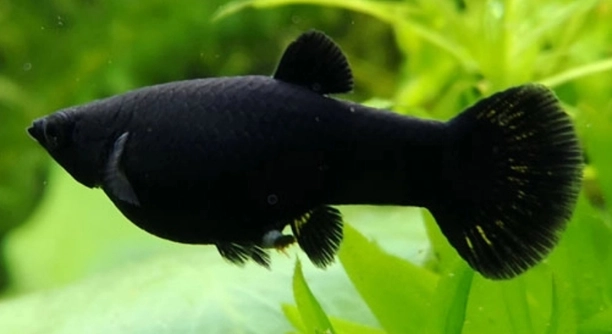
Keeping Black Mollies comfortable in their tank goes beyond water quality and diet. The type of substrate you choose plays a significant role in their daily wellbeing, affecting both behavior and overall health. Proper care starts from the bottom.
Substrate issues such as rough surfaces, improper grain size, poor cleanliness, unsuitable materials, and lack of proper depth can cause stress, injury, or health problems for Black Mollies. Choosing and maintaining the right substrate ensures their comfort and stability in the tank environment.
Understanding the impact of substrate will help you create a safe and pleasant home for your Black Mollies. Small adjustments can make a big difference in their comfort.
Grain Size and Texture
The size and texture of substrate in a Black Molly tank are crucial for their comfort and health. Fine sand is often ideal, as it allows Mollies to swim naturally without risking injury. Coarser gravel can be abrasive, causing scratches or stress as they explore the bottom of the tank. Uneven or jagged surfaces may also lead to discomfort or fin damage. It is important to ensure that substrate is smooth enough for sensitive fins but firm enough to stay in place. Over time, fine sand may compact or create areas where waste accumulates, requiring careful maintenance. Observing your Mollies’ behavior can indicate whether they are comfortable with the substrate. They will often avoid areas that feel sharp or unstable. Keeping substrate clean and consistent supports their natural movements and feeding habits. Proper selection of grain size not only protects their physical health but also promotes a calmer, more content aquarium environment.
Choosing the right substrate helps prevent injuries and ensures that Black Mollies can explore without hesitation. Smooth, consistent textures are best.
Regularly checking the substrate for debris or sharp edges is essential. Fine sand encourages natural behavior, allowing Mollies to dig lightly and interact with their environment safely. Overly coarse gravel can discourage activity and increase stress. Maintaining a clean, comfortable base keeps your fish healthy and encourages natural exploration. Proper substrate care reduces risk of infections and supports overall wellbeing, making daily tank life smoother and safer for Black Mollies.
Substrate Depth
Too shallow or too deep substrate can affect Black Mollies’ comfort and tank health. Shallow layers may expose tank surfaces and create a less natural environment, while very deep layers can trap waste, leading to water quality problems and potential bacterial buildup. Mollies prefer a substrate depth that allows light digging and movement without excessive accumulation of debris. Consistent monitoring and occasional stirring of the substrate help prevent compacted areas and maintain oxygen flow to beneficial bacteria. Balancing depth ensures that Mollies can swim freely, rest comfortably, and engage in natural foraging behavior without unnecessary stress. A properly layered tank not only enhances comfort but also contributes to a more stable and healthy aquatic ecosystem, supporting overall fish vitality.
Maintaining the correct substrate depth supports both comfort and water quality. A balanced layer is key for healthy tank conditions.
Substrate depth impacts the way Black Mollies interact with their environment and affects cleanliness. A moderate depth allows them to exhibit natural digging behaviors, reduces stress, and prevents harmful bacterial accumulation. When the layer is too thin, fish may feel exposed or stressed, while overly deep substrate complicates cleaning and may harbor debris. Regular attention to depth and consistency encourages active, comfortable fish. Using a substrate that supports light digging and does not compact excessively helps maintain a safe, pleasant habitat. Adjustments should be made gradually to avoid disturbing the tank or stressing the fish. Monitoring behavior and waste buildup ensures the substrate continues to meet their needs effectively. Proper depth balances both aesthetic and functional aspects of the tank, providing a healthier environment and a more enjoyable experience watching the fish thrive.
Substrate Cleanliness
Regular cleaning of substrate is essential for Black Molly comfort. Uneaten food, waste, and debris can accumulate quickly, causing poor water quality and stress. A clean substrate supports healthy swimming and natural behavior while reducing the risk of illness or fin damage.
Neglecting substrate cleanliness can lead to a buildup of harmful bacteria and toxins, which may affect Black Mollies’ health and activity levels. Using a siphon or gentle vacuuming technique helps remove debris without disturbing beneficial bacteria. Consistent cleaning prevents foul odors, cloudy water, and potential disease outbreaks. Observing the substrate daily allows you to spot problem areas early and take action. Maintaining a hygienic substrate also encourages natural digging and foraging behavior, keeping the fish active and engaged. By prioritizing cleanliness, the tank becomes a safer, more comfortable space for Black Mollies, supporting their overall wellbeing.
Proper substrate care requires balancing cleaning with preserving natural tank conditions. Over-cleaning can remove essential bacteria, while under-cleaning harms fish health. Finding the right routine ensures a clean, safe, and comfortable environment that promotes natural behavior, reduces stress, and supports a stable aquatic ecosystem. Consistent maintenance enhances both water quality and fish vitality, making the tank a more enjoyable and sustainable space for Black Mollies to thrive.
Substrate Material
Choosing the right substrate material impacts Black Molly comfort and tank maintenance. Materials like fine sand or smooth gravel provide a safer surface for delicate fins and reduce risk of injury while swimming or digging.
Different materials affect water chemistry and tank stability. Some substrates can alter pH levels or release unwanted minerals, which may stress Black Mollies or impact plant growth. Inert materials like silica sand or polished gravel are stable and safe, promoting a comfortable and predictable environment. Organic substrates may require more frequent cleaning to prevent decomposition and harmful bacterial buildup. Selecting the correct substrate material involves considering fish behavior, tank plants, and ease of maintenance. The right choice enhances comfort, reduces stress, and supports a balanced aquatic environment while allowing Black Mollies to explore naturally.
Material choice also influences the tank’s overall aesthetic and long-term upkeep. Smooth, inert substrates maintain water quality and reduce complications, while softer, natural options may require more care. Observing how Black Mollies interact with the substrate provides guidance for adjustments, ensuring both comfort and functionality. Consistent maintenance and monitoring of material condition help prevent harmful buildup and maintain a safe, engaging habitat. By combining appropriate material with proper depth and cleanliness, the substrate becomes a stable foundation that supports natural behavior and overall fish wellbeing.
Sharp or Rough Edges
Substrate with sharp or rough edges can injure Black Mollies’ fins and scales. Even small scratches may lead to infections or stress. Smooth, rounded materials are safer and more comfortable for daily swimming and resting.
Avoid jagged gravel or crushed shells. They may appear natural but increase the risk of cuts and abrasions. Selecting smooth sand or polished stones keeps the tank safer and encourages natural behavior without unnecessary harm.
Substrate Compaction
Over time, substrate can compact, reducing oxygen flow and creating dead zones for beneficial bacteria. Compacted areas trap waste and prevent proper water circulation, which may stress Black Mollies and affect tank health. Regular stirring or gentle cleaning helps maintain loose substrate and supports a stable environment for fish.
Uneven Surface
An uneven substrate surface can make swimming and resting uncomfortable for Black Mollies. Areas that are too high or too low may create unstable footing and disrupt natural movement, so keeping the substrate level improves comfort and encourages natural exploration.
FAQ
What type of substrate is best for Black Mollies?
The best substrate for Black Mollies is smooth, fine sand or polished gravel. These materials are gentle on their fins and scales, allowing natural swimming and digging behavior. Avoid sharp or jagged gravel, which can cause injuries or stress. Smooth surfaces also make cleaning easier and help maintain stable water conditions.
How deep should substrate be in a Black Molly tank?
A moderate depth of around 1 to 2 inches is usually sufficient. This allows fish to dig lightly without compacting the substrate too much. Excessively deep layers can trap waste, while shallow layers may feel uncomfortable and expose hard tank surfaces, which can stress the fish.
How often should I clean the substrate?
Substrate should be cleaned regularly, usually during weekly water changes. Using a siphon or gentle vacuum helps remove uneaten food and waste without disturbing beneficial bacteria. Consistent cleaning prevents toxin buildup, cloudy water, and potential bacterial problems, keeping Black Mollies healthy and active.
Can substrate affect water quality?
Yes, substrate plays a role in water chemistry and cleanliness. Organic substrates may release minerals or decompose if not maintained properly, altering pH levels or causing bacterial spikes. Inert substrates like silica sand or polished gravel are safer and more predictable for maintaining stable water conditions.
Why are my Black Mollies avoiding certain areas of the tank?
Fish may avoid areas with rough, uneven, or sharp substrate. Uneven surfaces can feel unstable or unsafe, causing stress. Checking the substrate for jagged edges or compacted areas can help identify the problem. Ensuring smooth, level surfaces encourages natural swimming and resting behavior.
Can substrate cause health issues for Black Mollies?
Improper substrate can contribute to fin damage, infections, or stress. Rough or sharp materials increase the risk of cuts, while compacted or poorly maintained substrate may harbor harmful bacteria. Choosing the right type, maintaining proper depth, and keeping it clean minimizes health risks.
Is substrate important for Black Molly behavior?
Yes, substrate affects exploration, foraging, and resting behaviors. Smooth, safe substrates allow fish to dig lightly, hunt for food, and feel secure. In contrast, uncomfortable surfaces may limit activity, increase stress, and reduce overall wellbeing. Monitoring fish behavior helps gauge substrate suitability.
Can I mix different substrates in one tank?
Mixing substrates is possible but requires careful selection. Ensure all materials are safe, smooth, and compatible with water conditions. Avoid mixing sharp or rough particles with fine sand, as this can create injury risks. Consistent maintenance is needed to prevent uneven settling or debris accumulation.
How do I know if substrate needs replacing?
Signs include compacted areas, persistent odors, visible dirt buildup, or damaged surfaces that stress fish. If cleaning no longer restores proper texture or safety, replacement is recommended. Choosing long-lasting materials like silica sand or polished gravel reduces the frequency of replacement.
Does substrate impact tank plants with Black Mollies?
Yes, substrate supports plant roots and influences growth. Fine sand or nutrient-rich options allow plants to anchor properly, while compacted or rough substrates may hinder root development. Healthy plants improve water quality and provide natural hiding spaces, enhancing comfort for Black Mollies.
Can substrate affect tank maintenance frequency?
Substrate choice and condition influence cleaning and water changes. Inert, smooth substrates require less frequent disturbance, while organic or coarse materials may need more attention to prevent decomposition and toxin buildup. Consistent monitoring reduces stress on both fish and tank equipment.
What’s the easiest way to maintain substrate for Black Mollies?
The easiest method is a gentle siphon or vacuum during water changes, combined with periodic stirring to prevent compaction. Smooth, inert materials simplify maintenance and reduce debris buildup, making it easier to sustain a clean, healthy tank environment.
Are certain substrates better for breeding Black Mollies?
Yes, fine sand or smooth gravel provides a safer environment for fry. Sharp or coarse substrates may injure young fish, while smooth surfaces encourage natural exploration and reduce stress. Maintaining cleanliness is essential to support healthy breeding conditions and fry survival.
Can substrate cause stress in Black Mollies?
Yes, uncomfortable, uneven, or sharp substrates can stress fish, limiting swimming and foraging behaviors. Stress can lead to reduced immunity, poor appetite, and abnormal activity. Monitoring substrate conditions and selecting safe, smooth materials helps keep Black Mollies calm and active.
How does substrate affect overall tank aesthetics?
Substrate contributes to the visual appeal of the tank and complements plants and decorations. Choosing a clean, smooth material improves the natural look, highlights fish colors, and makes maintenance easier, creating a comfortable and visually pleasing environment for Black Mollies.
Can substrate impact feeding behavior?
Yes, Mollies often forage along the substrate. Uneven or sharp surfaces may discourage natural feeding activity. Smooth, stable surfaces allow them to search for food safely, ensuring proper nutrition and reducing wasted feed.
Is there a difference between sand and gravel for Black Mollies?
Sand is generally softer and safer, promoting natural digging without injury. Gravel is harder and may have rough edges, increasing the risk of fin damage. Polished gravel can be safe if smooth and uniform. Choice depends on behavior, maintenance preferences, and tank aesthetics.
Do Black Mollies need plants with substrate?
Plants are not required but improve comfort and water quality. Substrate supports root growth and provides hiding spaces, encouraging natural behavior. A combination of smooth substrate and live plants creates a more enriching, secure environment, reducing stress and supporting overall health.
How can I prevent substrate from becoming compacted?
Regular gentle stirring and proper depth help prevent compaction. Avoid overfilling the tank, and clean slowly to preserve texture. Loose, well-maintained substrate ensures proper oxygen flow, healthy bacteria, and comfort for Black Mollies, supporting both behavior and tank stability.
Can substrate type influence disease in Black Mollies?
Yes, poor substrate can harbor harmful bacteria or parasites. Sharp edges or decomposing organic material increase infection risks. Maintaining smooth, clean, and stable substrate reduces exposure to pathogens and promotes healthier, more active fish.
How often should substrate be replaced entirely?
Replacement depends on material durability and tank conditions. Inert substrates like sand may last years, while organic or rough gravel may need earlier replacement if cleaning cannot restore safety or cleanliness. Regular inspection helps determine the right timing.
Does substrate affect water circulation?
Yes, compacted or uneven substrate can block water flow, creating stagnant areas. Proper depth, level surfaces, and occasional stirring maintain circulation, benefiting oxygenation and overall water quality, ensuring a healthier environment for Black Mollies.
Are there substrates to avoid completely?
Avoid sharp gravel, crushed shells, or chemically reactive materials. These can injure fish, alter water chemistry, or create cleaning challenges. Choosing smooth, inert materials prevents injuries, maintains water stability, and supports overall fish wellbeing.
Can substrate influence tank temperature?
Substrate itself has minimal impact on temperature but can affect heat distribution near the tank bottom. Fine sand allows even circulation of warmed water, while dense, compacted layers may slightly trap cooler water zones, though effects are minor compared with heaters and lighting.
How do I test if substrate is suitable for Black Mollies?
Observe behavior and health. Fish avoiding areas, scratching fins, or showing stress may indicate unsuitable substrate. Inspect for rough edges, compaction, and debris. Monitoring water parameters ensures stability, while trial adjustments help identify optimal substrate conditions for comfort and safety.
Does substrate play a role in breeding behavior?
Yes, smooth, shallow substrate allows safe swimming and egg scattering. Sharp or uneven surfaces can harm fry or stress adults. Clean, properly maintained substrate encourages natural spawning behaviors and improves survival rates of eggs and young fish.
Can I change substrate without stressing my Black Mollies?
Yes, by gradually introducing new material or replacing it in sections. Maintain water quality, avoid sudden depth changes, and monitor fish behavior. Slow, careful changes minimize stress and preserve a comfortable environment.
Is substrate more important than decorations for comfort?
Both are important, but substrate directly affects swimming, resting, and foraging behavior. Smooth, safe substrate supports health and reduces stress, while decorations provide hiding spaces and enrichment. Proper substrate creates a functional foundation for a comfortable, active tank.
Can improper substrate affect fry survival?
Yes, sharp or rough materials may injure fry. Deep or compacted layers can trap waste, reducing water quality. Soft, smooth substrates improve survival rates by allowing safe exploration and minimizing environmental stress. Regular cleaning is essential to maintain a safe, healthy environment.
How does substrate interact with filtration systems?
Loose, clean substrate prevents clogging and allows debris to reach the filter. Compacted or uneven layers may trap waste under the surface, reducing filtration efficiency and potentially harming water quality. Maintaining appropriate substrate ensures smooth filter operation and healthier Black Mollies.
Does substrate type influence algae growth?
Yes, nutrient-rich or organic substrates can encourage algae growth if not maintained properly. Inert sand or polished gravel reduces excess nutrients, helping control algae. Regular cleaning and proper lighting also minimize unwanted growth, keeping the tank cleaner and healthier.
Can substrate help reduce fish aggression?
Indirectly, yes. A comfortable, smooth, and clean substrate allows fish to explore and rest without stress. Less stress generally leads to calmer behavior and reduces territorial or aggressive tendencies, promoting a more harmonious tank environment.
How do I maintain substrate in a planted tank with Black Mollies?
Use gentle vacuuming around plants to avoid damaging roots. Choose smooth, nutrient-rich substrates for plant growth. Stir lightly to prevent compaction while maintaining a safe environment for Mollies. Balancing plant needs with fish comfort ensures both thrive.
Does substrate affect the tank’s odor?
Yes, dirty or decomposing substrate can produce unpleasant smells. Regular cleaning, proper depth, and suitable material reduce odor buildup. Smooth, clean substrates maintain a healthier, more pleasant-smelling tank environment, benefiting both Black Mollies and the aquarium setting.
What are the signs of substrate-related stress in Black Mollies?
Signs include avoiding certain areas, fin clamping, reduced activity, or erratic swimming. Checking substrate for sharp edges, uneven surfaces, or compacted zones can help identify problems. Proper substrate maintenance reduces stress and supports natural behavior.
Can substrate improve overall tank stability?
Yes, stable, clean, and well-maintained substrate supports beneficial bacteria, encourages natural behavior, and reduces waste buildup. This contributes to a balanced ecosystem, maintaining water quality and promoting the overall health and comfort of Black Mollies.
How do I safely mix new substrate with existing material?
Add new substrate gradually in small sections to avoid sudden changes. Rinse thoroughly before adding and monitor water parameters. Mixing slowly minimizes stress and maintains a safe, comfortable environment for Black Mollies.
Does substrate type affect feeding efficiency?
Yes, smooth, loose substrates allow natural foraging without hiding food or causing injuries. Uneven or sharp surfaces may discourage bottom feeding, affecting nutrition and behavior. Maintaining an appropriate substrate ensures Mollies can access food safely and naturally.
Can substrate influence fin growth and health?
Yes, rough or sharp materials can tear fins or cause abrasions. Smooth, fine substrates protect fins, reduce injury risk, and support normal growth. Regular maintenance preserves safety and promotes overall fin health.
How often should I check substrate for issues?
Check weekly for compaction, debris, sharp edges, and uneven areas. Observing fish behavior alongside substrate condition helps identify problems early and ensures a safe, comfortable environment for Black Mollies.
Are certain substrates better for aquascaping with Black Mollies?
Yes, smooth sand or fine gravel allows plant roots to anchor while keeping fish safe. Hard or coarse substrates may limit aquascaping options and increase maintenance. Choosing safe, versatile materials supports both aesthetics and fish comfort.
Does substrate type matter for water hardness?
Some substrates, especially limestone or coral sand, can increase water hardness. Inert sand or polished gravel maintains neutral hardness, creating a more predictable environment for Black Mollies. Proper selection helps maintain stable water conditions.
Can improper substrate cause behavioral changes?
Yes, uncomfortable or unsafe substrate may reduce activity, limit foraging, or cause hiding. Mollies may avoid certain areas or become stressed. Smooth, safe substrates support natural behavior and reduce negative behavioral changes.
Is substrate choice important for long-term health?
Absolutely. Consistent, clean, and safe substrate reduces stress, prevents injuries, supports natural behavior, and maintains water quality. Long-term care starts with proper substrate selection and maintenance to ensure Black Mollies remain healthy and active.
Can substrate impact compatibility with other fish?
Yes, substrate that encourages safe exploration and reduces stress benefits all species in the tank. Sharp, rough, or compacted materials may increase aggression or injuries, so selecting a safe substrate supports harmonious cohabitation.
How do I know if my Black Mollies are happy with the substrate?
Signs of comfort include natural swimming, foraging, resting on the substrate, and exploring freely. Avoidance, scratching, or fin damage indicates the substrate may need adjustment. Observing behavior is the best way to assess suitability.
Does substrate affect breeding success?
Yes, safe, smooth substrates encourage spawning behavior and protect fry. Sharp, uneven, or compacted substrates can injure eggs or fry. Proper substrate and cleanliness enhance reproductive success.
Can substrate cause ammonia spikes?
Improperly maintained substrate, especially deep or organic types, can trap waste and lead to ammonia buildup. Regular cleaning and proper depth help prevent spikes, supporting healthy water conditions for Black Mollies.
How do I maintain substrate when switching tank setups?
Introduce new substrate gradually, clean thoroughly, and monitor water parameters. Avoid sudden changes that could stress fish. Maintaining safe, consistent conditions ensures a smooth transition and preserves comfort.
Is substrate important for fry protection?
Yes, fine, smooth substrate reduces risk of injury to fry. Deep or coarse layers may trap or harm young fish. Clean, safe substrate ensures a secure environment for fry development and exploration.
Can substrate influence overall tank balance?
Yes, substrate supports bacteria, plants, and water quality. Proper material, depth, and maintenance create a stable ecosystem, reducing stress and promoting health for Black Mollies and other tank inhabitants.
What is the easiest way to check substrate suitability?
Observe fish behavior, inspect for sharp edges, uneven surfaces, and waste accumulation. Ensure smooth, safe material with proper depth. Adjust gradually if issues are noted. Regular monitoring keeps the tank comfortable and healthy.
Can substrate type impact long-term tank maintenance?
Yes, smooth, inert substrates simplify cleaning and reduce water quality issues. Organic or rough materials may require frequent intervention. Proper selection ensures a sustainable, comfortable environment over time, benefiting both fish and maintenance routines.
How does substrate affect natural behavior?
Smooth, safe substrate allows digging, foraging, and resting. Rough or compacted material limits movement, increases stress, and may discourage natural activity. Proper substrate promotes healthier, more active Black Mollies, supporting both comfort and wellbeing.
Can substrate affect color vibrancy in Black Mollies?
Indirectly, yes. Comfortable fish experience less stress, which helps maintain vibrant colors. Stressful or unsafe substrate may lead to duller coloration due to reduced activity or compromised health. Safe substrate supports both appearance and wellbeing.
Does substrate influence water clarity?
Yes, fine, stable substrates reduce suspended particles and maintain clearer water. Loose, organic, or disturbed materials may cloud the tank. Proper substrate selection and maintenance help preserve visual clarity and a healthy environment.
Can substrate affect social behavior in Black Mollies?
Yes, a comfortable, safe substrate encourages natural schooling, resting, and interaction. Stressful or rough surfaces may lead to hiding, avoidance, or aggression. Smooth, level substrate supports positive social behaviors.
How do I prevent substrate from trapping debris?
Stir gently and clean regularly. Avoid overly deep layers and choose smooth, loose substrate. Proper maintenance ensures waste does not accumulate, preserving water quality and comfort for Black Mollies.
Does substrate type influence filter efficiency?
Yes, compacted or uneven substrate may trap debris, reducing filtration efficiency. Loose, smooth substrate allows waste to reach the filter, supporting water quality and overall tank health.
Can substrate affect how fish rest?
Yes, Mollies prefer smooth, level areas to rest safely. Uneven, sharp, or rough surfaces may cause discomfort or stress. Maintaining a comfortable substrate promotes normal resting behaviors and overall wellbeing.
Is substrate choice critical for beginner Black Molly tanks?
Yes, selecting safe, low-maintenance substrate prevents early injuries, stress, and water quality issues. Smooth sand or polished gravel simplifies care while ensuring a comfortable, safe environment for healthy fish development.
Can substrate influence compatibility with live plants?
Yes, fine, nutrient-rich substrates support root growth, anchoring, and plant health. Coarse or compacted materials may limit growth or stability. Proper substrate choice balances plant needs with fish comfort.
Does substrate type affect waste breakdown?
Yes, smooth, loose substrate allows beneficial bacteria to thrive, breaking down waste efficiently. Compacted or organic substrates may slow decomposition or trap debris, affecting water quality.
Can substrate affect swimming patterns?
Yes, Mollies may avoid rough, uneven, or compacted surfaces. Smooth, stable substrate allows natural movement, foraging, and resting without risk of injury or stress. Proper substrate supports healthy, normal activity.
How do I combine substrate care with feeding routines?
Feed carefully to avoid excessive debris on the substrate. Clean regularly and ensure substrate depth and texture support natural foraging. Balanced routines maintain comfort, water quality, and fish health.
Can substrate improve aquarium longevity?
Yes, stable, safe, and well-maintained substrate supports long-term tank health, water quality, and fish comfort. Proper material and care reduce maintenance issues, promoting a sustainable environment.
Does substrate type influence tank decorations?
Yes, stable substrate supports plants and ornaments safely. Uneven or loose materials may shift decorations or plants, affecting aesthetics and fish safety. Choosing solid, compatible substrate improves overall setup stability.
Can substrate affect stress hormone levels in Black Mollies?
Indirectly, yes. Comfortable substrate reduces stress by providing safe resting and swimming areas. Stressful or unsafe surfaces may increase cortisol levels, impacting health and immune function. Proper substrate promotes calmer, healthier fish.
How do I monitor substrate condition over time?
Check weekly for compaction, debris buildup, rough edges, and uneven areas. Observe fish behavior for signs of discomfort. Regular monitoring ensures substrate remains safe and comfortable for Black Mollies.
Can substrate type influence reproduction timing?
Yes, suitable substrate encourages natural spawning behaviors. Rough, sharp, or compacted materials may delay or discourage breeding. Maintaining smooth, safe substrate supports reproductive success and fry survival.
Does substrate impact tank maintenance workload?
Yes, smooth, inert substrates reduce cleaning effort and water quality issues. Coarse, organic, or uneven materials require more frequent intervention. Proper substrate choice simplifies long-term maintenance.
How does substrate affect fish activity during feeding?
Smooth, safe substrate allows natural foraging along the bottom. Uneven or rough surfaces may discourage feeding, leading to stress or reduced nutrition.
Black Mollies are sensitive to the conditions of their tank, and substrate plays a major role in their comfort and overall wellbeing. The type, depth, and cleanliness of the substrate influence not only their physical health but also their behavior. Smooth, fine sand or polished gravel is ideal because it allows the fish to swim naturally, forage safely, and rest without the risk of injury. Rough or sharp substrates can cause scratches, fin damage, or stress, which may lead to more serious health issues if left unaddressed. Over time, compacted or uneven substrate can trap waste, reduce oxygen flow, and create areas where harmful bacteria may accumulate. Regular maintenance, including gentle cleaning and occasional stirring, ensures that the substrate remains safe, stable, and comfortable for Black Mollies. Monitoring the fish’s behavior provides valuable feedback on whether the substrate is meeting their needs. Fish that explore freely, forage naturally, and rest comfortably indicate that the environment is suitable.
The depth of the substrate also matters for Black Molly comfort. A layer that is too shallow may leave hard surfaces exposed, making fish feel insecure, while an overly deep layer can make cleaning difficult and create hidden pockets of waste. A moderate depth of about one to two inches is usually sufficient for safe digging and natural activity. Maintaining the right depth prevents stress and encourages positive behavior. The material itself should be chosen carefully to avoid chemical reactions that could alter water parameters. Inert options such as silica sand or polished gravel are generally safe and predictable, providing a consistent base for the fish. Organic or mineral-rich substrates may require more frequent monitoring to maintain stable conditions, as they can change pH or hardness over time. Ensuring a balanced substrate setup supports healthy interactions with plants, decorations, and other tank elements, creating a more stable and enriching environment.
Proper substrate maintenance and selection are crucial not just for comfort, but also for long-term tank health. A well-chosen substrate supports beneficial bacteria, promotes natural behavior, and reduces the likelihood of stress-related issues. Regular observation, cleaning, and occasional adjustments help maintain a safe and comfortable habitat for Black Mollies. The combination of smooth texture, appropriate depth, and regular upkeep allows the fish to thrive, encouraging activity, foraging, and resting behaviors that reflect a healthy, low-stress environment. Investing time in substrate care ultimately benefits both the fish and the overall stability of the tank. By understanding the impact of substrate on comfort, behavior, and health, it is possible to create a living space that promotes longevity and wellbeing for Black Mollies. A thoughtful approach ensures that their tank remains a safe, enjoyable, and sustainable environment for years to come.

Hello,
If you enjoy the content that we create, please consider saying a "Thank You!" by leaving a tip.
Every little bit helps us continue crafting quality advice that supports the health, happiness, and well-being of pets around the world, for pets of all shapes, sizes, and species.
We really appreciate the kindness and support that you show us!