
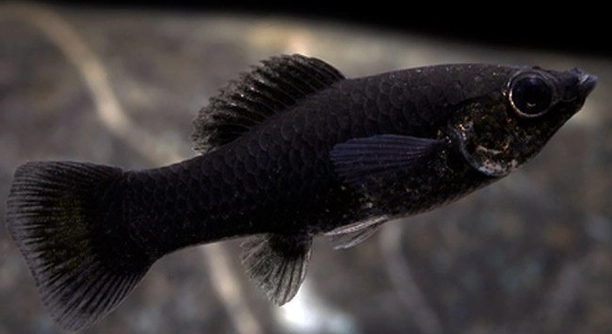
Can Black Molly fish adapt when their freshwater environment shifts toward brackish conditions? Many fish owners encounter this situation and wonder if their black mollies can handle the change without compromising their health or wellbeing.
Black Mollies can tolerate mildly brackish water, typically up to 10-15 ppt salinity. Extended exposure to higher salinity levels can stress the fish, affecting growth, reproduction, and immune response. Maintaining gradual acclimation is crucial for their survival and health.
Understanding proper salinity levels and acclimation techniques ensures your black mollies thrive in mixed environments. These strategies help maintain their health while exploring slightly different water conditions.
Understanding Black Mollies and Salinity Tolerance
Black Mollies are freshwater fish that naturally live in coastal waters, giving them some ability to handle brackish conditions. Their bodies can adjust to a gradual increase in salinity, but sudden changes can cause stress, weaken their immune system, and even lead to death. Introducing them to brackish water requires careful monitoring of salt levels. Using a gradual acclimation process helps prevent shock and allows the fish to adapt. The ideal salinity for black mollies in brackish water is around 5-15 ppt, which mimics their natural habitat without overwhelming their physiology. Over time, some mollies may thrive in slightly higher salinity, but consistent observation is necessary. Temperature, diet, and tank conditions also influence how well they tolerate brackish water. By providing stable, clean conditions, you reduce the risk of disease and behavioral issues. Proper tank maintenance is key to keeping black mollies healthy in mixed water environments.
Acclimating slowly prevents stress and supports long-term survival in brackish water conditions.
Monitoring water changes and fish behavior ensures mollies remain healthy and adapt smoothly. Consistency in care is crucial.
Gradual Acclimation Techniques
Introduce salt gradually to avoid shocking the fish.
Start by adding small amounts of marine salt to the freshwater tank over several days. Increase the concentration incrementally until the desired salinity is reached. Frequent testing of water parameters is necessary to ensure safe levels. Observing your mollies’ behavior during this process helps identify stress early. Remove any sick or weak fish from the transition, as they may not tolerate changes. Using a separate acclimation tank can reduce stress while you adjust water conditions. Temperature and pH should remain stable during this period, as fluctuations can compound stress. Feed high-quality food to support immunity during acclimation. Avoid sudden water changes, as this can reverse progress and harm the fish. Patience is key, as mollies need time to adjust their internal balance to the new salinity. With careful steps, black mollies can live comfortably in moderately brackish water.
Proper acclimation supports long-term health and breeding potential. Observing responses ensures mollies adjust without complications.
Effects of Brackish Water on Black Mollies
Brackish water can influence black mollies’ behavior, appetite, and growth. They may become more active in moderate salinity but can also show signs of stress if salt levels rise too quickly. Monitoring their reactions helps maintain a safe environment.
Extended exposure to inappropriate salinity can weaken their immune system, making them vulnerable to infections. Black mollies may develop clamped fins, lethargy, or reduced feeding if conditions are not ideal. Maintaining consistent water quality, temperature, and pH supports their overall health. Careful observation during this period allows for early intervention, ensuring they remain strong and active while adjusting to brackish conditions. Proper tank filtration and regular water changes also reduce the risk of harmful buildup.
Behavioral changes are common, including increased exploration or mild aggression, especially when multiple mollies share limited space. Understanding these patterns helps prevent stress-related issues and ensures compatibility with other tank inhabitants. Proper acclimation and attentive care create a stable environment where black mollies can thrive in brackish water over time.
Feeding and Nutrition Considerations
Brackish water conditions can affect how black mollies digest and process food.
High-quality flake or pellet food should be supplemented with live or frozen options like brine shrimp or daphnia. These provide essential nutrients and help maintain energy levels in a slightly saline environment. Avoid overfeeding, as excess food can degrade water quality and increase stress. Feeding smaller, frequent meals supports digestion and nutrient absorption. Adjusting diet during acclimation ensures mollies maintain strength while adapting to changes in water chemistry. Monitoring their weight and activity helps identify dietary adjustments promptly, keeping the fish healthy.
Salt levels can influence appetite, so consistency in feeding routines is essential. Providing a varied diet ensures mollies get required vitamins and minerals. Incorporating natural foods enhances immunity and supports reproduction. Regular observation allows for early correction if dietary issues arise. By carefully balancing nutrition with salinity management, black mollies remain energetic and maintain vibrant coloration, even in brackish conditions. Proper feeding practices directly impact their ability to tolerate changes without long-term health consequences.
Signs of Stress in Brackish Water
Clamped fins, lethargy, and loss of appetite indicate stress in black mollies. Rapid changes in salinity often trigger these reactions.
Increased hiding, irregular swimming, or pale coloration are also common. Monitoring these signs allows early adjustments to water conditions, preventing serious health problems.
Tank Setup and Maintenance
A stable environment is essential for black mollies in brackish water. Use a reliable heater to maintain consistent temperature and a quality filtration system to remove waste and prevent buildup. Substrate and décor should allow natural swimming patterns. Test water regularly for salinity, pH, and ammonia. Gradual water changes help maintain balance, reducing stress. Proper lighting and aeration support overall health, while separating sick or weak fish prevents disease spread. Maintaining a clean tank with consistent conditions ensures black mollies adapt comfortably and remain active and vibrant over time.
Breeding in Brackish Conditions
Moderate brackish water can support black molly breeding, but extreme salinity may reduce fertility and fry survival.
FAQ
Can Black Mollies survive in full-strength seawater?
Black Mollies cannot survive in full-strength seawater. Their tolerance is limited to mildly brackish conditions, usually up to 15 ppt salinity. Exposing them to higher salt levels can lead to severe stress, dehydration, and eventually death. Gradual acclimation is essential if you plan to raise salinity, but seawater exceeds their physiological limits.
How quickly should I acclimate mollies to brackish water?
Acclimation should be slow and gradual. Increase salinity in small increments over several days or weeks. Sudden changes can shock their system, weaken immunity, and cause disease. Monitoring behavior and appetite during this period helps ensure the fish are adjusting properly. Use a separate acclimation tank if needed for safer transitions.
What is the ideal salinity for black mollies?
The ideal salinity ranges from 5-15 ppt, which is roughly one-quarter to one-half the strength of seawater. This level is safe for long-term health, supports normal activity, and encourages natural coloration. Salinity beyond this range can create stress and reduce lifespan.
Do brackish conditions affect breeding?
Moderate brackish water can encourage breeding, but extreme salinity may reduce fertility and fry survival. Pregnant females are particularly sensitive to sudden changes, so maintaining stable conditions is critical. Providing hiding places for fry increases survival rates, while consistent water quality supports reproduction.
What signs show mollies are struggling in brackish water?
Clamped fins, lethargy, loss of appetite, and pale coloration indicate stress. Irregular swimming, hiding, or gasping at the surface are also warning signs. Early detection allows you to correct salinity or water quality issues before long-term damage occurs. Regular observation is key to keeping them healthy.
Can black mollies live in brackish water long-term?
Yes, with proper acclimation and maintenance, they can live comfortably in brackish water long-term. Ensuring stable salinity, temperature, pH, and clean tank conditions is essential. Consistent feeding, monitoring, and avoiding overcrowding help them remain active and healthy in slightly saline environments.
Does brackish water change their appearance?
Mollies in brackish water may develop brighter coloration and more robust fins compared to pure freshwater. However, if stress occurs due to rapid changes or high salinity, colors can fade and fins may appear clamped. Stable water conditions are necessary to maintain their natural look.
What tank equipment is needed for brackish water?
A reliable heater, quality filter, and aeration system are essential. Substrate and décor should allow swimming and hiding. Regular water testing for salinity, pH, and ammonia ensures safe conditions. Using marine salt designed for aquarium use helps maintain consistent brackish levels. Gradual water changes prevent sudden fluctuations.
How often should water be tested?
Testing should be frequent during acclimation and at least weekly once conditions stabilize. Salinity, pH, and ammonia levels must remain consistent. Monitoring helps prevent stress and disease. Recording results over time allows you to spot trends and adjust maintenance routines proactively.
Can other freshwater fish live with black mollies in brackish water?
Only some freshwater species tolerate mild brackish conditions. Most tropical freshwater fish cannot survive in increased salinity, so tankmates must be chosen carefully. Compatible species include some mollies, guppies, and certain livebearers adapted to brackish water. Avoid sensitive freshwater species to prevent stress and illness.
Is feeding different in brackish water?
Diet remains similar, but mollies may have increased energy needs when adjusting to brackish water. High-quality flake or pellet food supplemented with live or frozen foods supports health. Feeding smaller, frequent meals aids digestion and keeps appetite consistent. Avoid overfeeding to maintain water quality and reduce stress.
What common mistakes should be avoided?
Rapid salinity changes, overfeeding, poor water quality, overcrowding, and neglecting observation are the most common mistakes. Any of these can compromise health or reduce lifespan. Patience, consistency, and careful monitoring are essential for successfully keeping black mollies in brackish water over time.
Black Mollies are surprisingly adaptable fish, capable of living in both freshwater and mildly brackish conditions. Their natural habitat along coastal areas allows them to tolerate a moderate amount of salt in the water. However, their adaptability has limits, and sudden changes in water chemistry can stress them. Proper acclimation is key to keeping these fish healthy when transitioning from freshwater to brackish environments. Gradually introducing salt over a period of days or weeks gives their bodies time to adjust, reducing the risk of illness or mortality. Monitoring their behavior during this period is crucial, as signs of stress such as clamped fins, lethargy, or loss of appetite indicate that adjustments may be needed. Paying attention to water quality, temperature, and pH, in addition to salinity, helps ensure that black mollies remain active and vibrant.
Feeding and nutrition are also important factors in supporting black mollies in brackish water. While their diet does not change dramatically, they may require extra nutrients to cope with the slight stress of adjusting to new conditions. High-quality flake or pellet food, combined with occasional live or frozen options such as brine shrimp or daphnia, helps maintain energy levels and immune function. Smaller, frequent meals support digestion and prevent overfeeding, which can lead to water quality issues. Observing their feeding habits is an easy way to gauge how well they are adapting to brackish conditions. Healthy, well-fed mollies are more resilient and can better tolerate changes in water chemistry, maintaining strong coloration and active behavior.
Maintaining a consistent environment and monitoring the tank regularly are key to long-term success with black mollies in brackish water. Regular testing of salinity, pH, ammonia, and other water parameters ensures that conditions remain within a safe range. Providing a clean, well-filtered tank with stable temperature and adequate aeration supports their health and encourages natural behaviors. Attention to breeding, hiding spaces, and compatible tankmates can improve their overall well-being. By taking careful steps and observing their responses, black mollies can thrive in slightly saline conditions for years. With patience and consistent care, they remain lively, colorful, and healthy, proving that with proper preparation, they can handle a brackish environment without major issues.

Hello,
If you enjoy the content that we create, please consider saying a "Thank You!" by leaving a tip.
Every little bit helps us continue crafting quality advice that supports the health, happiness, and well-being of pets around the world, for pets of all shapes, sizes, and species.
We really appreciate the kindness and support that you show us!