How to Know If Arowana Enjoy a New Setup
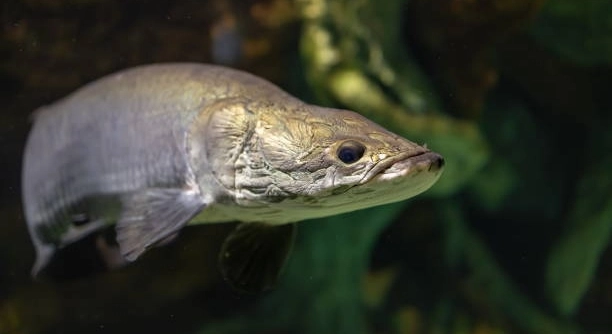
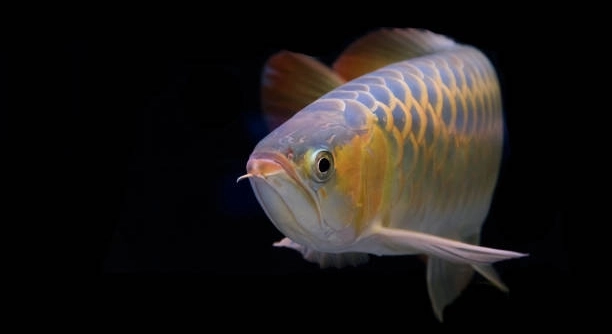
Arowanas are beautiful fish that often react strongly to changes in their environment. Setting up a new tank can be exciting for both the fish and the owner, but observing their comfort is important for their well-being. Arowanas show enjoyment of a new setup through calm swimming, regular feeding behavior, and minimal stress signs. Observing … Read more
How to Tell If Your Arowana Is Dying

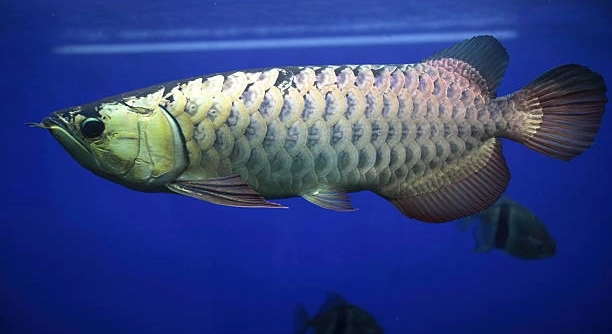
Is your arowana looking less lively than usual, or spending more time near the surface of the tank? Observing small changes in behavior and appearance can help you understand your fish’s overall well-being and health. Arowanas show clear signs when their health declines, including loss of appetite, lethargy, faded coloration, and irregular swimming patterns. Monitoring … Read more

7 Ways to Tell Your Arowana Recognizes You

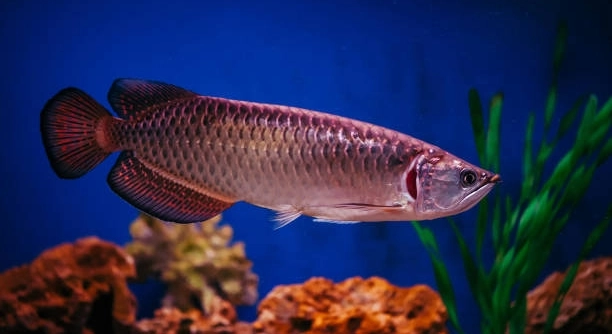
Owning an arowana can be a rewarding experience, especially when you notice it responding to your presence. These elegant fish are known for their intelligence and can develop bonds with their caretakers over time. Arowanas recognize their owners through consistent interaction, feeding routines, and visual familiarity. They may respond by approaching the front of the … Read more

7 Water Features That Calm Anxious Arowana

Is your arowana showing signs of stress, restlessness, or frequent pacing around its tank? Creating a peaceful environment can make a significant difference in its overall mood and health. The most effective way to calm an anxious arowana is by adding specific water features that mimic its natural habitat. Elements like gentle waterfalls, air stones, … Read more

7 Environmental Changes Arowana Notice Fast

Have you ever noticed subtle changes in your aquarium but wondered if your arowana is reacting to them? These fish are sensitive and can pick up on shifts in their environment quickly, showing behaviors that signal discomfort or curiosity. Arowanas respond rapidly to changes in lighting, water temperature, pH levels, tank decorations, noise, water flow, … Read more

7 Reasons Arowana Stop Jumping (+How to Re-Stimulate)

Arowanas are popular for their graceful movements and occasional jumps, which many owners enjoy watching. These fish often stop jumping, leaving owners puzzled about what might have caused this change in behavior. Arowanas may stop jumping due to environmental stress, inadequate nutrition, lack of stimulation, water quality issues, aging, illness, or changes in their routine. … Read more

Can Arowana Sense Time of Day?

Arowanas are graceful and striking fish often admired for their shimmering scales and fluid movements. Many enthusiasts enjoy observing their behaviors and daily patterns. Understanding these patterns can reveal interesting insights into their natural instincts and routines. Arowanas possess an innate ability to sense the time of day through environmental cues such as light intensity, … Read more

What Should You Never Do Around a Stressed Arowana?

Have you ever noticed your arowana acting restless or showing signs of agitation when something changes in its environment? These graceful fish can be sensitive, and stress can affect their overall health and behavior quite easily. The one thing you should never do around a stressed arowana is make sudden movements or loud noises near … Read more

Why Does My Arowana Swim at a Tilt?

Have you ever noticed your arowana moving at a tilt, creating a sense of concern as you watch it glide through the water and wonder if something in its environment may be affecting its behavior. Arowanas commonly swim at a tilt due to swim bladder complications, water quality imbalances, or stress related to environmental changes. … Read more

How to Add a Filter to an Arowana Tank (Step-by-Step)

Arowanas are beautiful and unique fish that require careful attention to maintain their tank environment. Keeping their water clean and healthy is essential for their growth and overall wellbeing. Proper filtration is a key part of this process. Adding a filter to an arowana tank involves selecting the right type of filter, positioning it correctly, … Read more