
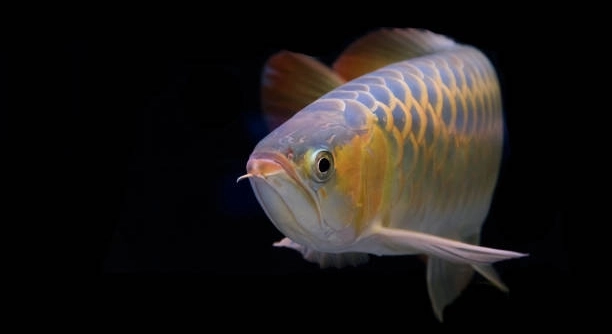
Have you ever noticed your arowana moving at a tilt, creating a sense of concern as you watch it glide through the water and wonder if something in its environment may be affecting its behavior.
Arowanas commonly swim at a tilt due to swim bladder complications, water quality imbalances, or stress related to environmental changes. These factors disrupt buoyancy control, leading to uneven positioning that reflects underlying physiological disturbances requiring prompt assessment and immediate intervention.
As you explore these causes, you can take steps that support your arowanas comfort and guide it to steadier swimming.
Understanding the Main Causes
When an arowana begins to tilt, it often signals an issue that needs attention, and addressing it early can make a meaningful difference in its comfort. One of the most common concerns involves the swim bladder, which helps the fish maintain balance. When this organ becomes affected by poor water conditions, digestive issues, or sudden changes in temperature, the fish may struggle to stay level. Stress from tank overcrowding or frequent disturbances can also influence its posture, making it harder for the fish to move with ease. Maintaining a stable environment, choosing the right diet, and observing your arowanas habits closely will help you understand what may be happening and how you can support its well-being in a practical and calm way.
A tilted swimming pattern can also appear when ammonia or nitrite levels rise too high, making the fish uncomfortable and unable to maintain proper buoyancy.
By keeping the water clean, offering suitable food, and giving your arowana a peaceful space, you allow it to regain stability and move with natural confidence. Paying attention to these details helps minimize stress and encourages smoother swimming as your fish responds positively to a healthy environment.
How Tank Conditions Affect Posture
Poor tank maintenance can quickly influence your arowanas posture, especially when waste builds up or filtration becomes less effective. Even minor changes in temperature, pH levels, or oxygen availability can lead to discomfort that affects the fishs position in the water.
Arowanas rely on a consistent and well balanced habitat to stay steady, and fluctuations can interfere with their buoyancy. When the water becomes too cool or warm, the fish may react by tilting as it tries to adjust. High levels of dissolved waste can irritate the fish and make it harder to swim normally. A strong current may also force the arowana to work against the flow, putting extra strain on its body. Choosing a filter that suits the tank size, keeping up with water changes, and monitoring the parameters regularly creates a dependable setting that helps the fish stay upright. With these adjustments in place, you encourage healthier movement and support your arowanas natural posture over time.
Dietary Factors That Influence Tilting
Feeding habits play a major role in how steadily your arowana swims, especially when its meals create digestive pressure that disrupts buoyancy. Overfeeding or offering hard to digest foods can lead to discomfort that makes the fish struggle to maintain a level posture in the water.
When an arowana consumes too much food at once, the digestive system may not process everything smoothly, causing swelling that affects the swim bladder. Foods that are too fatty or too large can sit heavily in the stomach and lead to temporary imbalance. Choosing softer, appropriately sized foods and feeding smaller portions helps prevent this. Keeping meals consistent and avoiding sudden dietary changes reduces stress on its digestive system. Observing how your fish reacts after meals can help you adjust its feeding routine so it stays comfortable and steady while swimming.
Poor nutrition over time can also weaken your arowanas overall health, making it more prone to tilting. A diet lacking vitamins or variety can influence muscle strength and buoyancy control. Adding high quality pellets, fresh protein options, and occasional supplements supports its well being. Balanced meals help the fish maintain better posture while reducing the risk of digestive strain that may lead to tilting.
Stress and Behavioral Causes
Stress can quickly influence how your arowana carries itself, and even small disturbances can affect its posture if they happen often. Loud noises, frequent tapping, or sudden movements near the tank may cause the fish to tilt as it reacts to its surroundings.
Behavioral stress can also develop when the tank feels too active or cramped. Competing with other fish for space or feeling threatened can lead the arowana to swim unevenly as it tries to stay alert. Giving it enough room and keeping the environment calm helps reduce these reactions. Stable lighting, predictable routines, and gentle tank activity create a sense of safety that supports smoother swimming. Over time, lowering stress helps the fish regain confidence and maintain a more balanced posture without sudden tilting.
Physical Injuries and Their Impact
An arowana may tilt after experiencing a physical injury, especially if it collided with tank decor or jumped and landed awkwardly. Even small strains can affect its ability to stay upright, making its movements look uneven while it tries to recover.
Injuries around the spine, fins, or swim bladder area can interfere with balance and natural motion. Keeping the tank clear of sharp edges and providing enough space reduces the chance of accidents. Gentle observation helps you notice changes early so you can support the fish during healing.
Early Signs That Should Not Be Ignored
Watching for slight tilting, less energy, or changes in appetite can help you act before the problem grows. These subtle signs often appear early and give you time to adjust tank conditions or feeding habits so your arowana feels more comfortable again.
When Immediate Care Is Necessary
Severe tilting combined with labored breathing or difficulty rising in the water signals that your arowana needs prompt care. Seeking professional guidance quickly helps prevent complications and increases the chances of restoring the fishs balance and overall well being.
FAQ
Why does my arowana suddenly start tilting after a water change?
Sudden tilting after a water change often points to a shift in temperature, pH, or hardness that the fish was not prepared for. Arowanas react strongly to sudden environmental changes, and even small differences can disrupt their balance. Matching the new water as closely as possible to the old water helps prevent this reaction. Using dechlorinators, pre conditioning the water, and performing slower, partial changes instead of large ones can reduce stress. When the changes are gentler, the fish has an easier time adjusting, and its buoyancy remains steady without noticeable tilting.
Can overfeeding make an arowana swim at a tilt?
Yes, overfeeding can cause the stomach to expand and press against the swim bladder, which affects buoyancy. When food sits too long in the digestive tract, the imbalance becomes more noticeable, especially in larger fish. Breaking meals into smaller portions, offering easily digestible foods, and watching how the fish behaves after eating can help prevent this issue. Consistency in both portion size and feeding schedule supports smoother movement and reduces the chance of a tilted posture shortly after meals.
How long does it take for an arowana to recover from tilting?
Recovery time depends on the cause. If the issue is mild, such as slight stress or minor water quality imbalance, improvement can appear within a few days. More serious causes, like swim bladder inflammation or physical injury, can take weeks. Patience is important, and steady care will make recovery smoother. Keeping the water clean, providing calm surroundings, and avoiding overfeeding will give the fish the best chance to regain its balance. Observing small improvements helps you gauge whether the current care routine is working.
Is tilting always related to the swim bladder?
Not always. While the swim bladder is a common factor, tilting may also come from stress, injury, poor diet, or environmental fluctuations. Even subtle changes in tank activity, lighting, or noise can influence posture. Because there are many possible causes, it helps to look at the whole environment rather than focusing on one issue. Once the main concern is identified, correcting it usually helps the fish return to normal movement over time.
What should I adjust first when I notice a tilt?
The first step is to check the water parameters. Testing for ammonia, nitrites, nitrates, temperature, and pH will reveal whether the environment is contributing to the problem. If something is off, correcting it slowly is best. After that, review feeding habits and observe the fish for signs of discomfort or injury. Simple adjustments, like lowering stress around the tank or changing the type of food, can make a difference. Taking a calm and steady approach prevents further strain on the fish.
Should I isolate my arowana if it keeps tilting?
Isolation is useful only if you suspect aggression, bullying, or illness that could spread. Arowanas usually prefer stable, familiar surroundings, so moving them unnecessarily may cause more stress. If the main tank environment is safe and calm, it is often better to address the cause directly instead of relocating the fish. Isolation may help when the fish needs rest or medical treatment, but the tank conditions in the separate space must still match the original environment closely.
When is veterinary help necessary?
Professional help is important when the tilting becomes severe, lasts more than a short period, or comes with other symptoms like breathing difficulty, loss of appetite, or swelling. These signs can point to infections or internal problems that require treatment. Acting early improves the chances of recovery and prevents the issue from becoming harder to manage. A veterinarian who handles aquatic animals can offer guidance, medication, or diagnostic tests that support the fishs health.
Can tank size influence whether tilting happens?
Yes, tank size can affect posture. An arowana kept in a tank that is too small may not have enough space to swim comfortably, causing stress that leads to tilting. A cramped environment also increases the chance of bumping into objects, which can cause physical strain. A spacious tank supports natural movement, reduces stress, and makes it easier for the fish to maintain balance.
What role does lighting play in tilting behavior?
Lighting that is too bright, too dim, or inconsistent can unsettle an arowana. Sudden lighting changes may startle the fish, causing erratic movements or tilting. Stable lighting helps create a predictable routine that keeps the fish calm. Avoiding rapid light transitions and maintaining a gentle day and night cycle supports better posture and overall comfort.
Final Thoughts
Caring for an arowana that tilts can feel overwhelming at first, especially when you are unsure what is causing the change in its posture. This behavior can come from many different factors, and each one influences the fish in its own way. Paying attention to the environment, feeding habits, and general behavior helps you understand what might be making your fish uncomfortable. Arowanas depend heavily on stability, and even small shifts in their surroundings can affect how they move. When you respond calmly and give the fish a steady environment, you create a setting that supports better health. Over time, these thoughtful adjustments help your arowana feel safer, healthier, and more relaxed in its tank.
Understanding the possible causes behind tilting makes it easier to approach the situation with clarity rather than worry. Water quality remains one of the most important elements because it influences every part of the fishs health. Clean, stable water reduces stress and keeps the fishs body functioning smoothly. Feeding routines also matter, since an unbalanced or heavy diet can lead to digestive pressure that affects buoyancy. Noise, frequent disturbances, and crowded conditions may also add stress that shows up in the way the fish swims. Recognizing these details gives you the chance to respond early and prevent the issue from becoming more severe. Even simple changes like adjusting the tank layout or offering gentler lighting can help the fish regain its balance over time.
Supporting an arowana through tilting episodes requires patience, steady care, and a willingness to make adjustments when needed. These fish rely on a calm and predictable space to thrive, and your attention helps guide them back to comfortable movement. When you stay consistent with water maintenance, feeding habits, and observation, you create conditions that allow the fish to recover naturally. If the tilting persists or becomes more intense, reaching out for professional help can provide answers that may not be obvious at home. Taking the steps to understand your fish and respond thoughtfully strengthens the bond you have with your arowana while keeping it safe and healthy. Through gentle care and consistent attention, you help restore its balance and support its long term well being.

Hello,
If you enjoy the content that we create, please consider saying a "Thank You!" by leaving a tip.
Every little bit helps us continue crafting quality advice that supports the health, happiness, and well-being of pets around the world, for pets of all shapes, sizes, and species.
We really appreciate the kindness and support that you show us!