
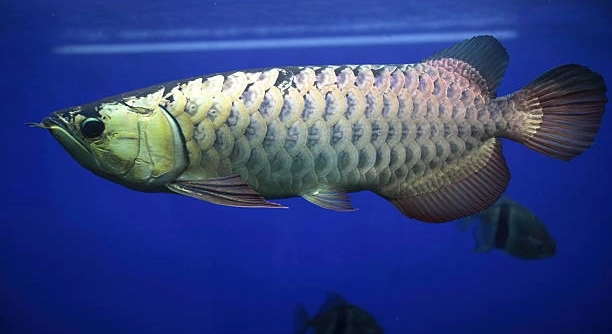
Arowanas are graceful and striking fish often admired for their shimmering scales and fluid movements. Many enthusiasts enjoy observing their behaviors and daily patterns. Understanding these patterns can reveal interesting insights into their natural instincts and routines.
Arowanas possess an innate ability to sense the time of day through environmental cues such as light intensity, water temperature, and activity cycles. These cues help regulate feeding behaviors, rest periods, and overall circadian rhythms in their aquatic habitat.
Learning how arowanas perceive daily cycles can enhance care practices, improve their well-being, and create a more harmonious aquarium environment.
How Arowanas Track Time
Arowanas use subtle environmental signals to understand their day-night cycles. Light plays a crucial role, as changes in brightness signal morning, afternoon, and evening. Water temperature also shifts slightly throughout the day, giving them additional cues. Their internal circadian rhythms adjust in response to these signals, helping them remain active at appropriate times. Observing their behaviors, such as swimming patterns and feeding activity, reveals clear differences between daylight and nighttime routines. These fish often rest during darker periods and become more alert when light increases. Even in indoor tanks, a consistent lighting schedule helps maintain their natural rhythms. Aquariums with timers for lights or gradual dimming can mimic natural conditions. Diet also influences activity, as feeding schedules reinforce their understanding of time. Over time, arowanas adapt to these patterns, creating predictable daily behaviors. Watching them adjust can be rewarding and adds depth to aquarium care practices.
Their sensitivity to environmental cues ensures they remain active and healthy, following natural cycles even in controlled tank conditions.
Providing consistent lighting and temperature schedules can improve overall behavior and support the arowana’s circadian health.
Feeding Patterns and Daily Rhythms
Arowanas tend to feed most actively during specific times of the day, usually in the morning or early evening.
Feeding routines are closely tied to their sense of time. Regular schedules help them anticipate meals and remain active during feeding periods. These patterns are influenced by light cycles, water conditions, and previous feeding experiences. Young arowanas may display more pronounced activity at feeding times, while adults adjust more gradually. Overfeeding or irregular schedules can disrupt these rhythms, causing lethargy or stress. Monitoring their responses to light and timing ensures optimal care. Feeding should align with natural peaks of activity to maintain energy levels and promote proper digestion. Even in indoor tanks, maintaining a consistent routine strengthens their internal clock. Recognizing these behaviors allows for better observation and healthier habits. Adjusting feeding times gradually when necessary prevents confusion and supports their natural cycles, creating a predictable environment that benefits both the fish and the caretaker. Proper attention to these patterns enhances long-term health and overall vitality.
Light and Environmental Cues
Arowanas rely heavily on light changes to sense time. Brightness levels signal when to be active or rest. Indoor tanks need consistent lighting schedules to mimic natural day-night cycles.
Light intensity directly affects arowanas’ activity. Sudden changes can stress them, while gradual shifts support natural behaviors. Using timers or dimmers helps replicate sunrise and sunset. Shadows, reflections, and ambient room light can influence their perception. Even slight differences in tank lighting can alter swimming patterns or feeding responses. Observing how your fish react to these changes helps maintain a balanced environment. Adjusting light gradually ensures they follow predictable daily routines and reduces unnecessary stress.
Water movement and temperature also contribute to time perception. Slight daytime warmth encourages swimming and feeding, while cooler periods at night signal rest. Consistent environmental cues create a predictable rhythm that supports their internal clock.
Tank Setup and Routine
Tank setup directly affects arowanas’ daily behaviors. Proper décor, plants, and hiding spots help them regulate activity naturally.
Spacing and placement of items influence swimming patterns and comfort. Arowanas feel more secure when they have open areas for movement and shaded regions for rest. Water quality, including filtration and temperature stability, impacts overall behavior. Fluctuations can confuse their sense of time and reduce activity. Maintaining clean water and consistent conditions allows predictable feeding and resting patterns. Observing their reactions to tank adjustments helps fine-tune the environment. By aligning setup with their natural preferences, arowanas display healthier activity, respond better to feeding schedules, and show reduced stress. A thoughtful tank arrangement supports daily rhythms and overall well-being.
Behavioral Indicators
Arowanas display clear signs of daily timing. Morning activity is often energetic, with frequent swimming and alert responses. Evening periods are calmer, signaling rest.
Feeding behavior is a reliable indicator. They anticipate meals, often gathering near the tank front or showing increased movement before scheduled feeding times.
Adjusting Schedules
Gradually changing feeding or lighting schedules helps arowanas adapt without stress. Sudden shifts can disrupt their natural rhythm and cause agitation. A slow approach ensures their internal clock adjusts properly, maintaining normal activity, appetite, and rest. Monitoring reactions allows for fine-tuning, ensuring a stable and healthy environment for consistent daily patterns.
Nighttime Activity
Arowanas remain mostly inactive at night. Reduced movement and lower responsiveness indicate rest periods and reinforce natural circadian cycles.
FAQ
How do arowanas know when it is daytime or nighttime?
Arowanas use environmental cues such as light, water temperature, and movement in the tank to distinguish day from night. Brightness triggers activity, while dim or absent light signals rest. Even subtle changes in room lighting or the position of the tank can influence their behavior. They also respond to gradual temperature shifts, which naturally occur throughout the day, reinforcing their internal clock. By observing these signals, arowanas maintain predictable activity patterns, feeding at the right times, and resting during darker periods. Consistency in lighting and water conditions helps them align with natural cycles, even indoors.
Can arowanas adapt to artificial lighting schedules?
Yes, arowanas can adjust to artificial lighting if it mimics natural day-night cycles. Using timers to turn lights on and off gradually is effective. Sudden changes can cause stress, confusion, or erratic behavior. Gradual adjustments over several days help the fish acclimate without disrupting their circadian rhythm. Consistent routines for feeding and lighting reinforce these adaptations, allowing the fish to anticipate meals and rest periods. Observing their activity before and after adjustments ensures the schedule is suitable. Proper lighting management supports natural behavior, reduces stress, and encourages healthy activity throughout the day.
Do arowanas require complete darkness at night?
Arowanas benefit from low-light or dark conditions at night, which signal rest. While total darkness is not strictly necessary, minimal light helps maintain natural circadian rhythms. Leaving lights on constantly can disrupt sleep, stress the fish, and affect feeding cycles. Using blackout covers or turning off lights in the room ensures nighttime rest. Even small night lights or dim LED strips can be acceptable, but they should be consistent and not fluctuate abruptly. Providing clear distinctions between day and night supports healthy behaviors, energy levels, and overall well-being.
How do feeding schedules affect arowanas’ sense of time?
Regular feeding times reinforce their perception of daily cycles. Arowanas anticipate meals and adjust activity levels around scheduled feedings. Inconsistent feeding disrupts their internal clock, leading to lethargy or stress. Young fish often display more excitement at feeding times, while adults may adjust gradually. Spreading feedings across the day in predictable intervals helps maintain rhythm. Observing how your fish responds allows fine-tuning of meal times, ensuring they remain active and healthy. Feeding aligned with natural peaks in activity supports digestion, growth, and overall energy management. Consistency is key for long-term well-being.
Can changes in water temperature confuse arowanas?
Yes, sudden temperature fluctuations can disrupt their sense of time and behavior. Arowanas rely on small natural variations to signal day or night. Rapid changes may cause stress, reduce feeding, and affect swimming patterns. Maintaining stable water conditions helps preserve their internal clock and predictable activity. Gradual adjustments for seasonal changes or tank maintenance prevent confusion and stress. Observing their responses to shifts in temperature ensures conditions remain suitable for healthy behaviors. Proper water management supports feeding routines, rest cycles, and overall vitality.
Do arowanas become more active in certain seasons?
Arowanas’ activity can vary with seasonal changes, mostly due to light and temperature variations. Longer daylight hours typically increase activity, while shorter days may lead to more rest. Seasonal adjustments in indoor tanks should mimic natural conditions to maintain consistent behavior. Replicating seasonal light changes gradually helps them adjust without stress. Observing their swimming and feeding patterns throughout the year can reveal subtle shifts in activity. Understanding these seasonal effects allows for better care, ensuring that they remain healthy, active, and aligned with natural rhythms regardless of the environment.
Is it possible for arowanas to get confused in a tank without natural cues?
Without natural light or temperature variations, arowanas can struggle to distinguish day from night. Timers, gradual lighting changes, and controlled water conditions help replicate natural cycles. Sudden or inconsistent changes increase stress and may disrupt feeding and rest patterns. Consistency is essential for their internal clock to function properly. Observing their behavior allows adjustments to mimic natural cues effectively. Providing structured environmental signals ensures predictable activity, improves health, and reduces stress, supporting their natural behaviors even in fully indoor setups.
How long does it take arowanas to adjust to a new lighting or feeding schedule?
Adjustment depends on the fish’s age and previous routine. Gradual changes over several days to a week are usually sufficient. Young fish may adapt faster, while adults may need a slower approach. Consistency in feeding, light timing, and water conditions is crucial. Abrupt changes can cause stress, inactivity, or irregular swimming. Monitoring their behavior during the transition ensures they are adapting well. Patience and careful observation help maintain normal activity, reinforce their circadian rhythm, and support long-term health. A well-managed schedule improves feeding response, energy levels, and overall behavior predictability.
Can arowanas sense time if lights fail suddenly?
Sudden loss of light can temporarily confuse them. They rely on gradual cues to maintain their internal clock. In most cases, they adjust over time, but prolonged or frequent disruptions may affect feeding and rest patterns. Using backup lighting or ensuring gradual transitions helps reduce stress. Observing their response allows timely correction, maintaining predictable behavior and overall health. Consistency and environmental stability are essential to preserve their sense of time and daily routine.
Do all arowanas react the same way to lighting and feeding cues?
Individual differences exist. Some arowanas are more sensitive to light or feeding schedules than others. Observing each fish’s behavior is important to understand preferences and adjust care accordingly. While most respond predictably, slight variations in activity, rest, and anticipation of meals are normal. Tailoring routines to their responses ensures healthy circadian rhythms and overall well-being. Environmental consistency benefits all, but personalization helps manage individual behavior patterns effectively.
Final Thoughts
Arowanas are remarkable fish with a natural ability to sense time of day. Their behavior is guided by environmental cues such as light, water temperature, and movement within the tank. These signals help them determine when to be active, when to feed, and when to rest. Observing arowanas over time reveals clear patterns in their daily routines. Morning activity tends to be energetic, with frequent swimming and alert responses, while evenings are calmer and more subdued. Even small changes in light or water conditions can influence their activity, demonstrating how closely their behavior is linked to natural cues. Maintaining consistent conditions helps them follow predictable cycles, supporting their overall health and reducing stress.
Feeding schedules play a significant role in reinforcing arowanas’ sense of time. When meals are provided consistently, they begin to anticipate feeding periods and adjust their activity accordingly. Irregular feeding or sudden changes can disrupt their internal clock, leading to stress or lethargy. Young arowanas often show more excitement around feeding times, while older fish adjust gradually to routines. Using timers for lights or maintaining gradual temperature changes can replicate natural day-night cycles, even in indoor tanks. Observing how your arowanas respond to these cues allows for fine-tuning of the environment. By aligning feeding, lighting, and tank conditions with natural rhythms, you create a stable setting where the fish can thrive. This approach helps them remain active when needed, rest properly at night, and maintain healthy energy levels throughout the day.
Creating an environment that supports arowanas’ natural perception of time is essential for their long-term well-being. Consistency in lighting, feeding, and water conditions reduces stress and encourages natural behaviors. Tank setup also matters; providing open swimming spaces, shaded areas, and hiding spots allows them to regulate their activity comfortably. Gradual adjustments for seasonal changes or tank maintenance prevent confusion and help them maintain predictable patterns. Even individual differences between fish can be managed by observing behavior and adjusting routines as needed. Overall, respecting these natural cues creates a healthier, more balanced habitat. Arowanas benefit from structured routines and stable environments, and careful attention to these factors ensures they remain energetic, calm, and well-adjusted throughout their lives.

Hello,
If you enjoy the content that we create, please consider saying a "Thank You!" by leaving a tip.
Every little bit helps us continue crafting quality advice that supports the health, happiness, and well-being of pets around the world, for pets of all shapes, sizes, and species.
We really appreciate the kindness and support that you show us!