
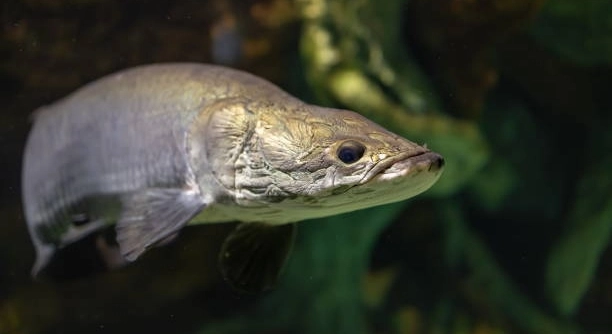
Arowanas are beautiful fish that often react strongly to changes in their environment. Setting up a new tank can be exciting for both the fish and the owner, but observing their comfort is important for their well-being.
Arowanas show enjoyment of a new setup through calm swimming, regular feeding behavior, and minimal stress signs. Observing consistent activity patterns and interactions with the tank environment provides clear evidence of adaptation and contentment in their new habitat.
Watching how your fish moves and behaves can reveal much about their comfort. Learning these cues will make maintaining a healthy, happy tank easier.
Signs Your Arowana Is Comfortable
When an Arowana enjoys a new setup, you will notice steady, smooth swimming throughout the tank. They explore different areas without hesitation, often gliding near decorations or plants. Feeding times become predictable, with fish showing interest in food and consuming it at a normal pace. Color intensity may improve, indicating reduced stress levels. Their fins remain open, not clamped, and they react calmly to minor disturbances. Aggressive or frantic darting often decreases, signaling they feel secure. Observing their behavior over several days helps identify patterns of comfort. Environmental factors like water temperature, filtration, and lighting contribute to their ease. Subtle changes, like resting near the bottom or gently interacting with objects, are positive signs. These behaviors collectively reflect adaptation. A balanced tank layout with enough space supports natural swimming and resting habits, ensuring the fish can develop a sense of safety in the new environment without unnecessary stress or fear.
Comfortable Arowanas swim confidently and respond calmly to their surroundings, showing stable activity and interest in food while maintaining vibrant colors.
Consistency is key when monitoring new behavior. Taking notes of daily routines helps track adjustments. Over time, you’ll notice how the fish interacts differently as it settles in. Observing these small details allows timely improvements, like adjusting decorations or water flow, to enhance their comfort. This attention ensures the fish thrives.
Environmental Adjustments That Improve Comfort
Small changes in the tank setup can have a big impact on Arowana comfort. Lighting, hiding spots, and water flow all affect how they interact with the environment.
Proper filtration and temperature control are essential. Arowanas prefer stable conditions, so sudden changes can stress them. Adding plants or smooth decorations gives them places to explore or rest without feeling exposed. Monitoring pH levels and water hardness also matters, as these influence overall health. Adjusting lighting to mimic natural cycles helps reduce anxiety, while consistent feeding schedules create predictability they respond to positively. Observing interactions with these adjustments informs further improvements. Some fish may prefer slower currents, others more open space, so tailoring the setup to their behavior is crucial. Even minor tweaks, like repositioning a rock or adjusting flow direction, can make the tank feel safer. Over weeks, these adjustments promote consistent swimming, reduced hiding, and active engagement, showing the Arowana is settling well and enjoying the environment you’ve created for them.
Observing Feeding Habits
Arowanas that enjoy their new setup eat regularly and show interest in food. They approach feeding times without hesitation and often investigate new types of food, signaling curiosity and comfort in their environment.
Regular feeding patterns indicate a stable adaptation. Healthy Arowanas eat with focus, rarely leaving food behind. Sudden refusal to eat can indicate stress or discomfort, so noting daily intake is important. Observing how they respond to different foods, such as live, frozen, or pellet options, helps you understand preferences. Over time, consistent feeding behavior shows they feel secure and their metabolism is functioning normally. Monitoring appetite alongside swimming and interaction provides a fuller picture of their overall well-being in the new tank.
Behavior during feeding also reflects confidence in the setup. Fish that explore the tank while eating demonstrate comfort, while hesitation or hiding near the bottom may indicate lingering unease. Adjusting placement of food and monitoring responses ensures the Arowana develops trust in the environment. Encouraging natural foraging behaviors with varied feeding locations can reduce boredom. Watching these patterns over several weeks shows how quickly they adapt. This helps in planning tank adjustments, creating a stable, supportive environment where the fish can thrive without unnecessary stress or risk of health issues.
Social and Interaction Cues
Arowanas that feel comfortable interact naturally with their surroundings. They swim openly, investigate decorations, and sometimes glide near other fish without aggression.
Interactions reveal a lot about comfort levels. A relaxed Arowana will move calmly around the tank, rarely displaying frantic or defensive movements. They may swim near tank walls or corners without signs of stress, exploring new areas and reacting calmly to minor disturbances. Observing how they respond to changes in water flow, lighting, or introduction of new objects can guide improvements. Comfortable Arowanas also demonstrate curiosity, occasionally approaching other tank inhabitants without chasing or attacking. This social behavior, combined with active exploration, confirms that the fish is adjusting well. Paying attention to these interaction cues over time allows for subtle changes that enhance the tank’s livability, ensuring the fish remains confident and stress-free.
Swimming Patterns
Arowanas that are comfortable display smooth, steady swimming. They glide across the tank without sudden bursts or frantic movements. Observing their swimming helps identify stress or contentment.
Consistent swimming in different areas of the tank shows adaptation. Fish that explore corners, surfaces, and mid-levels without hesitation are generally at ease in the new setup.
Resting Behavior
Arowanas rest near the bottom or gently float mid-tank without clamping fins. These calm positions indicate they feel safe. Watching resting patterns helps assess comfort and overall adjustment to the environment.
Response to Changes
Comfortable Arowanas react calmly to minor changes. They may approach new objects cautiously but return to normal behavior quickly, signaling adaptation.
Water Quality Awareness
Monitoring water clarity, temperature, and pH is essential. Poor conditions stress Arowanas, so maintaining stability supports healthy behavior and enjoyment of the tank.
FAQ
How can I tell if my Arowana is happy in the tank?
A happy Arowana swims steadily and explores all areas without hesitation. They eat consistently, show curiosity toward decorations or tankmates, and maintain bright, even colors. Calm, smooth movements and open fins indicate comfort. Watching daily routines over time provides the clearest view of their adaptation.
Why does my Arowana hide a lot in the new setup?
Frequent hiding often indicates stress or discomfort. It may be due to water conditions, sudden changes in the tank layout, or lack of hiding spots. Gradually introducing decorations, maintaining stable water parameters, and ensuring adequate space encourages confidence and reduces hiding behavior.
What behaviors show stress in a new environment?
Stress can appear as frantic darting, clamped fins, loss of appetite, or color fading. Aggressive chasing or bumping into tank walls also signals discomfort. Identifying these behaviors early allows adjustments to water, lighting, or tank layout to reduce stress.
How long does it take for an Arowana to adjust?
Adjustment time varies but generally spans a few days to several weeks. Factors like tank size, water quality, and previous environment affect adaptation speed. Monitoring swimming patterns, feeding, and interactions helps track progress and indicates when they are comfortable.
Can changes in water flow affect their comfort?
Yes. Strong currents can stress Arowanas, while stagnant areas may reduce activity. Observing how the fish swims in different flow zones helps identify preferred water movement. Adjusting filtration or baffles can create a more suitable environment.
How important is tank decoration for comfort?
Decorations provide exploration areas and resting spots. Smooth surfaces, plants, and hiding areas reduce anxiety and encourage natural behavior. Avoid overcrowding, as too many objects can create stress instead of comfort. Placement should allow open swimming space and gradual interaction with objects.
Should I worry if my Arowana ignores some areas of the tank?
Not necessarily. Arowanas may prefer certain regions, often influenced by lighting, flow, or temperature. They tend to explore gradually. Ensuring a balanced environment with accessible resting and feeding spots supports long-term comfort.
Do Arowanas enjoy social interaction with other fish?
Some do, but it depends on size and personality. Calm tankmates and adequate space encourage interaction without stress. Aggressive or overly active companions can lead to anxiety or injury, so careful observation and slow introductions are essential.
How do I know if my Arowana is comfortable with feeding?
Consistent interest in food at regular times indicates comfort. They should approach the food confidently without hesitation. Loss of appetite, sudden disinterest, or frantic chasing of food can signal stress or discomfort in the setup.
Can temperature or pH changes affect their adjustment?
Absolutely. Arowanas are sensitive to environmental shifts. Sudden changes in temperature, pH, or hardness can stress them. Gradual adjustments and consistent monitoring are key. Stable conditions help them explore, feed, and rest naturally, showing enjoyment of the new setup.
Is observing behavior daily necessary?
Yes. Daily observation helps identify subtle changes in swimming, feeding, or social interactions. Noting these patterns informs adjustments and ensures the tank remains supportive. Regular attention allows timely action, preventing stress and promoting long-term comfort and health.
What small signs indicate growing comfort over time?
Signs include calm exploration of all tank levels, active engagement with objects, regular feeding, brighter coloration, and relaxed resting positions. Gradual reductions in hiding and stress responses demonstrate successful adaptation and enjoyment of the environment.
How can I encourage my Arowana to explore more?
Place food or objects in different areas gradually. Add smooth decorations or gentle currents to promote movement. Avoid sudden changes, and provide predictable routines. Positive reinforcement, like consistent feeding and stable conditions, encourages confidence and active exploration.
Can overfeeding affect their comfort in a new tank?
Yes. Overfeeding can reduce activity, pollute water, and cause digestive issues, stressing the fish. Stick to recommended portions and monitor feeding response. Maintaining clean water and a balanced diet supports both comfort and health in the new environment.
How do I balance open space and hiding areas?
Ensure enough open swimming space for natural movement while providing a few well-placed hiding spots. Avoid overcrowding. Observation of how the fish uses each area helps optimize the layout for exploration and security.
Are sudden decorations or rearrangements stressful?
Yes. Rapid changes can trigger hiding or frantic swimming. Introduce adjustments slowly, monitor reactions, and allow the Arowana time to adapt. Gradual modification maintains confidence and reduces unnecessary stress while encouraging natural behavior.
Can I tell comfort from color changes alone?
Color intensity is one indicator, but not the only one. Healthy, bright colors combined with steady swimming, feeding, and calm behavior reflect comfort. Pale or dull colors, along with stress behaviors, indicate environmental or health issues that need attention.
How do I know if my tank setup is suitable long-term?
A suitable setup supports regular swimming, feeding, resting, and interaction without stress. Observing these behaviors consistently, alongside stable water quality and proper decorations, confirms long-term comfort. Adjustments can be made gradually as needed to maintain a supportive environment.
What should I do if my Arowana shows mixed signals?
Evaluate water quality, layout, and tankmates. Mixed signals may indicate minor stress or preference adjustments. Gradually test small changes, monitor responses, and prioritize stability to help the fish feel secure and gradually adapt to the new setup.
Final Thoughts
Observing an Arowana in a new setup requires patience and careful attention. These fish are sensitive to changes in their environment, and subtle behaviors can reveal a lot about their comfort. Watching how they swim, rest, and interact with objects or other fish gives insight into how well they are adapting. Smooth, steady swimming across the tank and consistent exploration of different areas indicate confidence. Conversely, hiding, frantic movements, or clamped fins are signs that the setup may need adjustments. Paying attention to these small cues allows you to make informed changes that improve their comfort and overall well-being. Over time, regular observation will make it easier to understand what your fish prefers, from preferred swimming zones to how they respond to water flow or lighting.
Feeding habits are another important measure of adaptation. Arowanas that eat regularly, approach food without hesitation, and show curiosity toward different types of food are generally comfortable in their environment. Loss of appetite or sudden disinterest may suggest stress or environmental issues. Observing daily routines, including feeding patterns, allows you to notice even minor changes that may affect their comfort. Water quality, tank layout, and decorations all play a role in how confident and relaxed an Arowana feels. Maintaining stable temperature, pH, and filtration, while providing smooth decorations and adequate space, helps the fish adjust more quickly. Gradual introductions of new objects or minor layout changes reduce stress, encouraging natural exploration and resting behaviors. Over weeks, these habits form a clear picture of whether the fish is thriving.
Social interactions and response to changes also indicate adaptation. Comfortable Arowanas move calmly around other fish or explore their environment without aggression. Introducing gentle currents, new objects, or rearranged decorations gradually can help them feel secure while encouraging natural behavior. Observing how they react to these changes provides insight into their comfort level. Long-term success depends on consistent monitoring and small adjustments tailored to their behavior. By paying attention to swimming, feeding, resting, and social cues, you can ensure the tank meets the fish’s needs. Patience and care in these early stages create an environment where the Arowana can thrive, showing both confidence and enjoyment in its new home.

Hello,
If you enjoy the content that we create, please consider saying a "Thank You!" by leaving a tip.
Every little bit helps us continue crafting quality advice that supports the health, happiness, and well-being of pets around the world, for pets of all shapes, sizes, and species.
We really appreciate the kindness and support that you show us!