
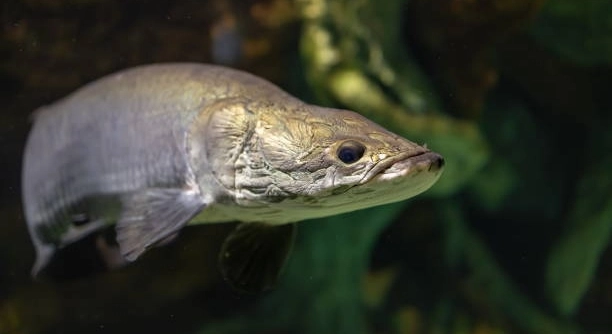
Owning an arowana can be a rewarding experience, especially when you notice it responding to your presence. These elegant fish are known for their intelligence and can develop bonds with their caretakers over time.
Arowanas recognize their owners through consistent interaction, feeding routines, and visual familiarity. They may respond by approaching the front of the tank, following hand movements, and showing excitement during feeding times, which indicates recognition and a level of trust.
Observing these behaviors can deepen your connection and improve your understanding of your arowana’s needs and habits.
Eye Contact and Following Movements
Arowanas often make eye contact with their owners and follow movements outside their tank. Over time, I noticed my fish watching me closely when I approached, especially during feeding times. This behavior is not random. It shows the fish is aware of its environment and can distinguish between familiar and unfamiliar people. Consistent observation reveals patterns: it will swim toward me or linger near the front of the tank when I’m nearby. Some days, it seems more alert, and I understand that arowanas, like many intelligent species, have moods and responses that reflect their comfort level. Daily routines, such as tapping the glass lightly or moving my hand in a specific way, make it responsive. The more predictable I am, the more it acknowledges me. This recognition strengthens the connection and ensures it feels secure in its habitat.
Eye contact and following hand movements are clear indicators of recognition.
Spending time near the tank every day has helped me notice subtle cues, like tail flicks or slow circling, which show it is aware of me. These behaviors also indicate curiosity and comfort with my presence, deepening the interaction.
Excitement During Feeding
When it’s feeding time, my arowana becomes noticeably more active and responsive. It swims quickly toward the food, positioning itself near the feeding spot. This excitement is more than hunger—it signals recognition. It knows I provide the food and associates me with this positive experience. Over weeks, I noticed patterns: it waits near the front when it hears my footsteps or sees me approaching the tank. Unlike random movement, this behavior shows memory and anticipation. Feeding routines create trust, allowing me to predict how it will respond to different actions. I’ve also observed changes in posture, like fin spreading and slight body shakes, which appear to be expressions of recognition. Consistent feeding schedules help strengthen this connection, making interactions more predictable and rewarding.
Feeding reactions are a strong sign that your arowana recognizes you.
Noticing these behaviors has allowed me to adapt my care approach. By observing excitement levels and response times, I can ensure that feeding is safe, stress-free, and reinforcing for the fish. Adjusting food type, timing, and delivery method based on its reactions has improved both its health and responsiveness, creating a more interactive and engaging environment.
Swimming to the Front of the Tank
My arowana often swims to the front when I approach, showing clear recognition. It lingers near the glass and watches my movements carefully. This behavior indicates it identifies me as part of its environment.
Swimming to the front is a behavior I see daily. When I move around the room, it adjusts its position, sometimes following me from one side of the tank to the other. This shows it can remember my presence and distinguish me from other people. The more consistent I am with my movements and feeding routines, the more predictable this behavior becomes. Over time, I realized it wasn’t random swimming—it was recognition reinforced by familiarity and trust.
I also noticed subtle cues like slight turns of the body and fin movements when I enter the room. These small gestures indicate awareness and acknowledgment, confirming that my arowana can distinguish me from others and is responsive to my presence consistently.
Responding to Voice or Sounds
My arowana reacts to specific sounds, like the tap of my hand or my footsteps, showing recognition of routine signals.
It responds to the sound of my voice or gentle taps near the tank. This recognition is consistent, occurring even when I’m not directly feeding it. Over time, it associates these sounds with my presence, sometimes swimming closer or becoming more alert. These responses highlight its ability to link auditory cues to familiar individuals. I’ve noticed it reacts differently to other noises, ignoring sounds that don’t relate to me or the feeding routine. This shows selective attention and memory.
Sounds help reinforce interaction and trust. I use soft, repeated cues during care routines, and my arowana gradually responds faster and more predictably. Observing these reactions allows me to understand its comfort level and strengthens our connection, making daily care smoother and more enjoyable.
Recognizing Your Presence
My arowana reacts when I come near the tank, often turning toward me or pausing its swimming. This shows it is aware of who is nearby and can distinguish me from others.
It sometimes waits near the front of the tank when I approach. The recognition is consistent, especially during feeding times or routine care.
Following Your Hand Movements
When I move my hand near the tank, my arowana often follows it closely. This tracking behavior demonstrates visual recognition and curiosity. Over time, I noticed it anticipates my actions, such as preparing for food or moving decorations, showing it links my movements with specific outcomes. Regular interaction reinforces this behavior, making the fish more responsive and engaged during daily care.
Showing Excitement
Excitement is visible through faster swimming and fin movements whenever I approach, signaling recognition and anticipation of interaction.
FAQ
How can I tell if my arowana recognizes me?
Recognition is often shown through consistent behaviors such as swimming to the front of the tank, following hand movements, or responding to your voice and footsteps. Over time, it associates your presence with feeding and care routines. These repeated patterns make it easy to notice recognition.
Why does my arowana react differently to me than others?
Arowanas are intelligent fish capable of distinguishing familiar people from strangers. Your regular interactions, feeding, and consistent routines create familiarity. The fish learns to associate you with positive experiences like food and gentle handling, while others may not trigger the same responses.
Is swimming to the front always a sign of recognition?
Not always. Sometimes it can be curiosity or movement in the room, but consistent swimming toward you, especially during feeding times or when you approach the tank, indicates recognition. I noticed mine only does this reliably when it expects food or interaction.
How does my arowana show excitement when it sees me?
Excitement appears as increased swimming speed, fin movements, or slight body shakes. These signs are usually visible during feeding or when you approach the tank at times it expects interaction. Over time, these behaviors become predictable and indicate trust and recognition.
Can arowanas recognize their owners by voice?
Yes. Mine reacts to the sound of my voice and specific taps near the tank. These auditory cues are linked to routines, such as feeding or maintenance, and the fish learns to respond selectively, ignoring unrelated noises.
What role does feeding play in recognition?
Feeding is a strong factor in recognition. The fish associates your presence with a positive experience. Regular feeding schedules and consistent interactions reinforce memory and trust, making the arowana more responsive over time. I observed that when I approach without food, it still anticipates interaction based on prior experience.
How long does it take for an arowana to recognize its owner?
Recognition develops over weeks or months of consistent interaction. Daily feeding, care routines, and visual or auditory cues strengthen memory. Mine took several weeks to show reliable responses like following hand movements or swimming to the front when I approached.
Do arowanas respond differently depending on mood or environment?
Yes. Stress, changes in the tank, or illness can affect behavior. On days when mine is less active, it might not approach or respond immediately. Observation over time helps distinguish temporary changes from recognition patterns, ensuring care remains consistent.
Can I strengthen the recognition between my arowana and me?
Consistency is key. Regular feeding, gentle hand movements, and predictable routines help the fish recognize you more reliably. Using the same sounds or cues also improves response. I noticed that even small interactions, like tapping the glass softly, reinforce recognition gradually.
Is recognition a sign of intelligence in arowanas?
Yes. Recognition demonstrates memory, learning, and the ability to form associations with specific individuals. My arowana shows awareness of my presence, reacts to cues, and anticipates routines, reflecting its cognitive abilities and capacity for forming bonds with a familiar caretaker.
Final Thoughts
Arowanas are remarkable fish that show signs of intelligence and awareness through their interactions with their owners. Over time, I have observed my arowana displaying clear recognition, responding to my presence, and following routines in ways that go beyond simple instinct. These behaviors include swimming to the front of the tank when I approach, following hand movements, and reacting to specific sounds, such as the tap of my hand or footsteps near the tank. Such consistent responses indicate memory and recognition, rather than random activity. Recognizing these patterns allows for a deeper understanding of their behavior and needs. Daily observation is important, as it helps distinguish between ordinary swimming and intentional reactions toward a familiar person. The subtle cues, like fin movements, tail flicks, or body positioning, often signal awareness and can indicate comfort, curiosity, or anticipation. By paying attention to these behaviors, one can develop a routine that reinforces trust and makes care more predictable and less stressful for the fish.
Feeding routines play a major role in recognition. My arowana consistently associates my presence with food, and this connection becomes stronger with repeated exposure. It is noticeable when it swims to the front of the tank or displays excitement during feeding times. Over time, these reactions become more refined, showing anticipation even before food is introduced. The fish begins to recognize patterns, linking my presence, movements, and sounds to positive experiences. Regular interactions, even outside of feeding, also strengthen this recognition. By maintaining predictable routines and consistent behavior, the fish can distinguish its owner from other people and react appropriately. Observation of its reactions during care, feeding, and simple presence provides insight into its personality and behavior. Recognizing these signs of awareness can improve the relationship between the fish and the caretaker, making the experience more rewarding and enhancing the overall well-being of the arowana.
In addition to recognition, responsiveness demonstrates intelligence and emotional awareness. My arowana’s behaviors, such as following hand movements, reacting to specific sounds, and showing excitement during feeding, reflect cognitive abilities that allow it to learn from experience. While arowanas are often viewed as ornamental fish, observing these behaviors has changed the way I approach their care. Understanding its habits and responses enables me to provide a more comfortable environment, minimizing stress and promoting natural behavior. It also makes interactions more predictable and enjoyable, allowing me to appreciate the subtle signs of trust and familiarity. Daily attention, consistent care, and careful observation are essential in fostering a positive environment where the arowana feels secure. Recognizing its responses and adapting routines accordingly enhances both the fish’s health and the overall experience of ownership, creating a balanced and attentive approach to care.

Hello,
If you enjoy the content that we create, please consider saying a "Thank You!" by leaving a tip.
Every little bit helps us continue crafting quality advice that supports the health, happiness, and well-being of pets around the world, for pets of all shapes, sizes, and species.
We really appreciate the kindness and support that you show us!