
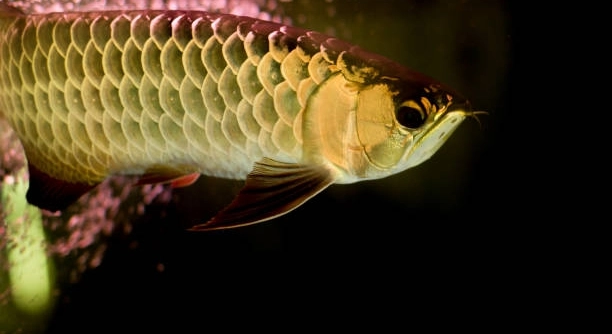
Is your arowana constantly facing the back wall of its tank, leaving you puzzled about its behavior? Many fish owners notice this unusual habit and wonder if it signals stress, illness, or simply a quirk of their pet.
Arowanas often face the back wall due to environmental stressors, limited space, or water quality issues. This behavior can indicate discomfort, lack of stimulation, or territorial instincts. Addressing tank conditions and observing changes can help mitigate this behavior.
Understanding why your arowana exhibits this habit can improve its well-being. Small adjustments in tank setup and care can make a significant difference in its comfort.
Common Reasons Your Arowana Faces the Back Wall
Many arowana owners notice this behavior and worry about their fish’s health. One of the main reasons is stress caused by water conditions. Poor water quality, incorrect temperature, or fluctuating pH levels can make the fish uncomfortable, leading it to isolate itself. Another reason is limited space. Arowanas are large and active fish that need room to swim freely. When the tank is too small, they may stay in one area, often facing a wall. Lighting can also play a role; overly bright or flickering lights can make the fish seek a calmer spot. Additionally, some arowanas display this behavior out of habit or territorial instincts, marking certain areas as “safe zones.” Observing your fish closely and making small adjustments in tank environment, water parameters, and placement of decorations can significantly improve its behavior and overall comfort in the tank.
Addressing water quality, space, and lighting is the first step to improving your arowana’s comfort.
Watching your arowana face the back wall can feel discouraging, but subtle changes often yield results. Adding floating plants or rearranging décor can create hiding spots and reduce stress. Consistent water checks and gentle tank maintenance help your fish feel secure. Feeding schedules also matter; offering a balanced diet at regular times encourages normal activity. Tankmates should be chosen carefully, as aggressive or overly active fish can increase anxiety. Even the placement of the tank in a quiet part of the room affects behavior. By combining these adjustments, you may notice your arowana exploring more and engaging with its environment. Over time, small improvements in water quality, space, lighting, and stimulation create a safer, more comfortable habitat, encouraging natural swimming patterns and reducing the habit of facing the back wall.
Signs of Stress in Arowanas
Stress in arowanas often shows subtly, including lethargy, loss of appetite, or unusual swimming patterns.
Recognizing these signs early helps prevent long-term health problems. Stress can stem from water conditions, diet, or tankmates. Monitoring your arowana’s activity and behavior provides valuable insight. Adjusting environmental factors, like water temperature, filtration, and tank layout, supports a calmer fish. Social interactions with other fish must be observed closely. Even small disruptions, such as sudden noise or vibrations near the tank, can trigger stress responses. Proper nutrition is equally important; underfeeding or an imbalanced diet reduces immunity. Observing scales, fins, and gill movement can indicate whether stress is impacting physical health. Preventive measures, like routine water testing, careful selection of tank companions, and gradual changes in environment, help maintain stable conditions. By maintaining consistent care, your arowana is more likely to swim naturally, explore its tank, and reduce the habit of facing the back wall. Consistent observation, combined with small but effective adjustments, ensures a healthier, more active fish over time.
Improving Tank Conditions
Maintaining clean, stable water is essential for your arowana’s well-being. Regular testing of pH, ammonia, nitrite, and nitrate levels prevents stress. Filtration should be efficient, and partial water changes help sustain a healthy environment, reducing the likelihood of your fish isolating itself.
Water temperature directly affects your arowana’s comfort. Most species thrive between 75°F and 82°F. Fluctuations can cause discomfort and unusual behavior. Providing consistent temperature, combined with proper filtration and aeration, ensures oxygen levels remain adequate. Monitoring water clarity and removing debris also supports a stress-free habitat, encouraging natural swimming patterns.
Tank layout influences behavior significantly. Adding plants, rocks, or driftwood creates hiding spots and visual boundaries. These adjustments offer security and reduce anxiety, especially in smaller tanks. Arranging décor strategically allows the fish to explore freely without feeling trapped or threatened, promoting healthier activity and reducing wall-facing tendencies.
Feeding and Nutrition
A balanced diet is critical for active, healthy arowanas. Feeding should include high-quality pellets, live or frozen food, and occasional vegetables to meet nutritional needs. Overfeeding can pollute water, causing stress, while underfeeding weakens immunity and activity levels.
Consistency in feeding times helps establish routine and reduces anxiety. Varying protein sources, such as shrimp, fish, or insects, supports growth and vitality. Observing your arowana’s appetite can indicate overall health and stress levels. Feeding in moderation prevents leftover food from fouling water, which can trigger wall-facing behavior. Providing enrichment during feeding, like floating or sinking food, encourages movement and natural hunting instincts, enhancing mental stimulation.
Feeding practices also impact social dynamics if multiple fish share the tank. Avoid sudden changes in diet, and maintain hygiene when handling live or frozen food. Monitoring leftovers, rotating food types, and spacing feeding times ensures your arowana receives adequate nutrition while minimizing environmental stress. Healthy feeding routines directly improve activity, reduce wall-facing tendencies, and support overall well-being.
Tank Size and Space
Arowanas need ample space to swim comfortably. Small or overcrowded tanks can make them feel confined, leading to wall-facing behavior. Ensuring enough swimming area is essential for their physical and mental health.
Proper tank dimensions reduce stress and encourage natural movement. Providing vertical and horizontal space helps your arowana explore freely, decreasing tendencies to isolate along the back wall.
Lighting Considerations
Lighting affects behavior and comfort. Too bright or direct light can make arowanas seek shaded areas, often near the back wall. Adjusting light intensity and using natural or diffused lighting creates a calmer environment.
Tank Decor and Hiding Spots
Strategic placement of décor like driftwood, rocks, and plants creates hiding spots. These additions reduce stress and make the arowana feel secure, encouraging more natural swimming behavior.
Monitoring Health
Regularly checking your arowana’s physical condition is crucial. Watch for signs of illness such as fin damage, unusual swimming, or discoloration. Early detection helps prevent stress-related behaviors.
FAQ
Why is my arowana always facing the back wall?
Arowanas often face the back wall due to stress, limited space, or water quality issues. It can also be a response to bright lights, tank vibrations, or a lack of hiding spots. Adjusting water parameters, adding décor, and ensuring proper tank size usually helps improve behavior.
Is it normal for arowanas to spend time near the back wall?
Yes, occasional wall-facing can be normal, especially in a new environment. They may be assessing their surroundings or marking a safe area. However, persistent behavior often indicates discomfort or stress and should be addressed with environmental adjustments.
Can poor water quality cause this behavior?
Absolutely. High ammonia, nitrite, or nitrate levels, incorrect pH, or sudden temperature fluctuations can stress arowanas. Maintaining stable water parameters and performing regular water changes reduces stress and encourages natural swimming patterns.
Does tank size affect this behavior?
Yes. Arowanas are large, active fish that require a spacious tank. Small or overcrowded tanks can make them feel confined, prompting them to isolate against walls. Providing ample swimming space allows the fish to explore freely and reduces wall-facing habits.
Can lighting influence my arowana’s behavior?
Bright or direct lighting can make arowanas seek shaded areas, often near the back wall. Using diffused or moderate lighting and providing hiding spots creates a calmer environment, encouraging more natural swimming and activity.
Do tank decorations help reduce this behavior?
Yes. Plants, driftwood, and rocks create hiding spots and visual boundaries, giving the fish a sense of security. Thoughtful placement allows exploration and reduces anxiety, which can decrease the tendency to stay pressed against the back wall.
Could diet or feeding schedule affect this habit?
Feeding plays a role in overall activity and stress levels. Overfeeding can pollute the water, causing discomfort, while underfeeding weakens the fish. Offering a balanced diet at consistent times promotes natural movement and reduces wall-facing tendencies.
Is my arowana sick if it always faces the back wall?
Persistent wall-facing alone does not always indicate illness. Look for additional signs such as lethargy, discoloration, fin damage, or unusual swimming patterns. If these appear, consult a veterinarian or experienced aquarist to rule out health issues.
Does the presence of other fish matter?
Yes. Aggressive or overly active tankmates can stress arowanas, leading them to hide or face the back wall. Careful selection of compatible species and observing interactions helps minimize stress and encourages normal behavior.
Can I prevent this behavior entirely?
While some wall-facing is natural, most persistent cases can be reduced by improving tank conditions, maintaining stable water quality, providing adequate space, balanced feeding, proper lighting, and strategic décor. Regular observation and small adjustments usually lead to calmer, more active arowanas.
How long does it take to see improvement?
Changes in behavior may take days to weeks. Consistent care, gradual adjustments in water parameters, and enrichment in the tank help your arowana feel secure and reduce wall-facing over time. Patience is key for long-term results.
Are arowanas more likely to face the back wall when newly introduced?
Yes, new environments can trigger stress and cautious behavior. They often stay near the back wall while acclimating. Providing hiding spots, stable water conditions, and minimal disturbances helps them adjust more quickly.
Does water temperature play a role in this behavior?
Temperature fluctuations can stress arowanas, causing them to isolate. Keeping water within the species’ ideal range, usually 75°F to 82°F, supports comfort, encourages movement, and reduces wall-facing tendencies.
Can stress from noise or vibrations cause this?
Yes, sudden noises, vibrations, or high activity near the tank can make arowanas seek the back wall for safety. Placing the tank in a quieter area minimizes disturbances and promotes natural behavior.
How do I know if my adjustments are working?
Observe changes in swimming patterns, activity levels, and feeding behavior. A more active, exploratory fish that spends less time pressed against the back wall indicates that your interventions are effective. Regular monitoring ensures long-term comfort and health.
Should I rearrange the tank decorations frequently?
Frequent rearranging can cause stress. Minor adjustments are acceptable, but sudden or major changes may make the arowana feel insecure. Gradual modifications allow exploration without triggering fear or wall-facing behavior.
Can floating plants help?
Yes. Floating plants create shaded areas and reduce direct lighting, offering a calmer environment. They also add visual interest, encourage exploration, and reduce stress-related behaviors like constantly facing the back wall.
Is this behavior different in juvenile versus adult arowanas?
Juveniles may explore more and adjust quickly, while adults, being larger and more territorial, may show persistent wall-facing if stressed. Tank size, décor, and social dynamics become more critical as they grow.
Do stress hormones affect this behavior?
Yes. Prolonged stress elevates cortisol levels, leading to lethargy, reduced appetite, and repetitive behaviors like wall-facing. Addressing environmental factors and ensuring proper care helps regulate stress hormones and encourages normal activity.
Can I use behavioral enrichment to reduce this behavior?
Yes. Adding floating toys, rearranged décor, and varying feeding methods stimulates natural instincts. These enrichments promote movement, mental engagement, and reduce stress-related wall-facing behavior in arowanas.
Final Thoughts
Observing your arowana always facing the back wall can be concerning, but understanding the reasons behind this behavior makes it easier to address. Often, the behavior is a response to environmental stressors, such as poor water quality, improper temperature, or insufficient tank size. Arowanas are naturally active and curious fish, and when they feel confined or uncomfortable, they may isolate themselves or repeatedly face the same spot. Paying attention to water parameters, ensuring the tank is large enough, and maintaining stable conditions can significantly improve your fish’s comfort. Even small changes, like adding floating plants or rearranging tank décor, create a sense of security and encourage more natural swimming patterns. Regular observation helps identify subtle signs of stress before they develop into health problems. By addressing these factors, you provide your arowana with a habitat that supports both physical and mental well-being.
Nutrition and feeding practices also play a crucial role in reducing stress-related behaviors. Overfeeding can pollute the water and lead to discomfort, while underfeeding or an unbalanced diet weakens immunity and reduces activity levels. Feeding a varied diet that includes high-quality pellets, live or frozen foods, and occasional vegetables ensures your arowana receives proper nutrition. Consistent feeding schedules create a routine, which reduces anxiety and encourages the fish to explore its environment rather than staying pressed against the back wall. Feeding enrichment, like floating or sinking food that requires the fish to move and hunt, stimulates natural instincts and provides mental engagement. Healthy nutrition combined with proper environmental adjustments often leads to noticeable changes in behavior, including increased activity and reduced wall-facing tendencies. Over time, these efforts contribute to a more content, active, and visually engaging fish.
Monitoring your arowana’s overall health is just as important as tank conditions and feeding practices. Regularly checking for signs of illness, such as fin damage, discoloration, or unusual swimming patterns, ensures that potential health issues are addressed promptly. Stress, environmental discomfort, or poor nutrition can exacerbate physical problems, so taking a proactive approach is essential. Additionally, the presence of other fish, tank lighting, and even external disturbances like noise or vibrations can affect your arowana’s behavior. By carefully observing and adjusting these factors, you create a more stable and secure environment. Patience is key, as changes in behavior may take days or weeks to become evident. Consistent care, attention to detail, and gradual improvements ensure your arowana thrives both physically and mentally, reducing wall-facing behavior and promoting a happier, healthier life in its tank.

Hello,
If you enjoy the content that we create, please consider saying a "Thank You!" by leaving a tip.
Every little bit helps us continue crafting quality advice that supports the health, happiness, and well-being of pets around the world, for pets of all shapes, sizes, and species.
We really appreciate the kindness and support that you show us!