
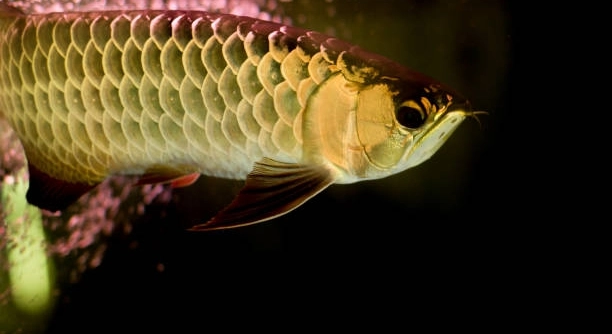
Do you enjoy observing your Arowana swim gracefully through its tank but notice subtle changes in its behavior? These fish often express themselves quietly, through small movements and gestures that reveal their mood and well-being.
Arowanas communicate mood through body posture, fin movements, swimming patterns, and subtle color changes. Observing these behaviors provides insight into stress levels, comfort, aggression, or curiosity. Consistent monitoring allows owners to maintain a healthy, balanced environment for their fish.
Recognizing these delicate signals can deepen your connection with your Arowana. By paying attention, you can create a more comfortable and responsive environment for your fish.
Fin Position and Movement
Arowanas often use their fins to communicate subtle shifts in mood. When the dorsal and anal fins are held close to the body, the fish is likely calm and relaxed, conserving energy and exploring its surroundings slowly. Conversely, flared or rigid fins can indicate alertness, discomfort, or even aggression. Observing how the pectoral fins move is also informative. Gentle, consistent strokes often signal contentment, while rapid or erratic movements suggest stress or excitement. Tail movements are equally telling. A steady, rhythmic swish usually shows comfort, whereas sudden jerks or sharp twitches may reflect irritation or fear. Even small adjustments in fin angle can reveal how the fish perceives its environment, such as sensing a new object or reacting to other tank inhabitants. By carefully noting these subtle shifts, owners can better interpret the Arowana’s emotional state and respond to its needs appropriately, maintaining harmony in the tank and supporting long-term health and growth.
Understanding fin signals helps identify when your Arowana feels relaxed, stressed, or curious, allowing timely adjustments to the tank environment and care routine.
Tracking fin behavior consistently improves interaction and prevents potential conflicts in a multi-fish setup. Observing minute details like fin spread, angle, and frequency reveals more than instinctual movement. Each flick or flare conveys information about mood, readiness to feed, or territorial instincts. Over time, recognizing these signs enhances the owner’s ability to predict stress triggers, prevent injuries, and adjust water conditions or tank layout. Even subtle changes in fin positioning can indicate illness before other symptoms appear. Detailed observation strengthens the bond between owner and fish, ensuring the Arowana thrives in a comfortable environment.
Color Changes and Mood
Color shifts in Arowanas are often linked to emotions or health conditions. Subtle darkening or fading may reflect stress, while vibrant hues indicate comfort and vitality.
Stress, lighting, diet, and environment can influence color. Water quality, temperature fluctuations, or nearby disturbances may trigger temporary dulling. Proper nutrition rich in carotenoids and protein supports natural pigmentation. Bright coloration often occurs when the fish feels secure and unthreatened. Long-term dullness can signal disease or poor habitat conditions, requiring attention to diet, water parameters, and tank enrichment. Even minor shifts in pattern or shade can reflect emotional responses, such as excitement during feeding or territorial displays. Monitoring these changes allows owners to respond early, adjusting the environment to support the fish’s well-being. Color is a clear, visual cue, offering a straightforward method to assess mood, detect potential issues, and ensure the Arowana remains healthy and vibrant. Regular observation and attentive care help maintain consistent coloration and overall vitality in the tank, promoting both emotional and physical stability for the fish.
Swimming Patterns
Erratic swimming often signals stress or discomfort. Rapid darting, sudden stops, or collisions with tank walls can indicate agitation or environmental issues.
Arowanas display mood through swimming consistency. Smooth, steady movement usually reflects calmness, while circling or pacing near tank edges may suggest territorial behavior or insecurity. Changes in direction or speed can reveal reactions to new objects, feeding times, or other fish. Observing patterns over several days helps distinguish temporary responses from ongoing stress. Tank setup, including space, hiding spots, and water flow, directly impacts these behaviors. Recognizing normal versus abnormal swimming allows proactive adjustments, preventing stress-related illnesses.
Long-term observation of swimming helps owners identify signs of stress, aggression, or illness. Even small deviations in rhythm or positioning provide important clues. Recording behaviors and noting triggers supports timely intervention, improving tank management and ensuring the Arowana remains comfortable, healthy, and secure in its environment.
Interaction with Tank Mates
Aggressive or defensive behavior indicates the Arowana is asserting dominance or feeling threatened. Subtle nudges, charges, or posturing communicate boundaries.
Interactions with tank mates reveal social mood. Calm coexistence, synchronized swimming, or tolerance suggests contentment, while repeated chasing or hiding indicates stress or discomfort. Environmental factors, such as space, feeding competition, and compatible species, strongly influence behavior. Arowanas may display dominance through positioning near preferred areas or by blocking access to food. Observation of patterns over time provides insight into social hierarchy and mood dynamics. Owners can adjust stocking density or rearrange the tank to minimize conflicts and maintain harmony. Understanding these behaviors ensures safer, healthier multi-fish setups, preventing injuries or long-term stress that may affect health, appetite, and coloration.
Surface and Bottom Preference
Spending extended time at the surface can indicate hunger or curiosity. Staying near the bottom may suggest stress, illness, or a desire to avoid disturbances.
Shifts between top and bottom levels provide insight into comfort. Sudden changes in positioning often reflect environmental changes, water conditions, or the presence of other fish.
Breathing Patterns
Rapid gill movement often signals stress, low oxygen, or water quality issues. Calm, slow gill motion indicates relaxation and comfort.
Monitoring gill activity is essential for assessing health. Irregular or labored breathing may reflect environmental stressors or early illness. By noting patterns, owners can respond promptly, adjusting aeration, temperature, or water conditions to maintain the Arowana’s well-being.
Tail Flicks
Quick tail flicks often indicate irritation or alertness. Gentle swishes signal contentment and curiosity.
FAQ
How can I tell if my Arowana is stressed?
Signs of stress include rapid swimming, flared fins, hiding, loss of appetite, and dull coloration. Observing changes in behavior compared to normal routines is key. Stress often arises from poor water quality, overcrowding, incompatible tank mates, or sudden environmental changes. Regular observation allows early detection and correction.
Why does my Arowana stay at the bottom of the tank?
Bottom-dwelling behavior may indicate stress, illness, or discomfort. Low oxygen, improper temperature, or water quality issues can cause this. It may also reflect fear or insecurity in a new environment. Ensuring proper conditions and monitoring health can help the fish return to normal swimming patterns.
What do flared fins mean?
Flaring fins can signal alertness, curiosity, or aggression. They may also indicate irritation or territorial behavior. Watching the context—such as proximity to other fish or objects—helps interpret the meaning. Consistent flaring without apparent triggers may suggest stress or health concerns that need attention.
How do color changes relate to mood?
Arowanas express mood through subtle color shifts. Vibrant hues usually show comfort and security, while dull or faded colors often indicate stress, illness, or poor diet. Monitoring these changes over time helps gauge emotional state and environmental suitability, allowing proactive adjustments to maintain well-being.
Why does my Arowana swim erratically?
Erratic swimming can signal stress, irritation, or discomfort. Causes include sudden changes in tank environment, water quality issues, or presence of aggressive tank mates. Observing swimming patterns regularly helps distinguish temporary reactions from chronic issues. Adjusting conditions can restore calm and normal behavior.
Is my Arowana aggressive toward other fish?
Aggression may be territorial or due to competition for food and space. Observing interactions, chasing behavior, or posturing helps determine dominance and social mood. Adjusting tank layout, providing sufficient space, and monitoring feeding routines can reduce conflicts and maintain harmony among tank inhabitants.
What does frequent surface swimming indicate?
Spending time at the surface often relates to hunger or oxygen-seeking behavior. Water quality, temperature, or aeration issues can also trigger this. Monitoring these conditions and providing proper feeding routines helps ensure comfort and prevents stress-related behaviors.
How can I use tail flicks to understand mood?
Gentle tail flicks generally signal curiosity or contentment, while rapid or forceful movements indicate irritation or alertness. Observing frequency and context helps interpret emotional state and environmental comfort. Tracking tail behavior provides subtle but reliable insight into overall well-being.
Why is gill movement important to monitor?
Gill patterns reveal oxygen intake and stress levels. Slow, steady movements indicate relaxation, while rapid or labored breathing suggests low oxygen, poor water conditions, or illness. Monitoring gills allows early intervention, helping maintain a healthy and comfortable habitat for the Arowana.
Can tank environment affect my Arowana’s mood?
Yes, water quality, temperature, lighting, tank size, and decor directly influence mood and behavior. A balanced, stable environment reduces stress, promotes normal swimming and feeding, and supports coloration. Regular maintenance and observation ensure the fish remains comfortable and responsive to its surroundings.
How often should I observe my Arowana’s behavior?
Daily observation is ideal. Noting swimming patterns, fin position, coloration, and interactions with tank mates helps detect early signs of stress, illness, or discomfort. Consistent monitoring allows proactive adjustments to diet, environment, or tank management, ensuring long-term health and emotional well-being.
Can changes in diet affect mood?
Yes, diet impacts energy, coloration, and activity levels. Poor nutrition can lead to dull color, lethargy, or irritability, while a balanced diet rich in protein and carotenoids supports vibrant coloration and normal behavior. Observing changes after dietary adjustments helps evaluate mood and health responses.
What should I do if my Arowana shows unusual behavior?
First, check water quality, temperature, and tank setup. Observe interactions with tank mates and feeding behavior. Isolate the fish if necessary and consult a veterinarian or experienced aquarist for persistent or severe signs. Prompt action prevents stress, illness, and long-term health issues.
How can I tell if my Arowana is happy?
A relaxed Arowana displays smooth swimming, consistent fin positioning, vibrant coloration, calm gill movement, and normal interactions with tank mates. Regularly observing these behaviors and providing a stable environment allows the fish to express contentment naturally.
Why do some Arowanas hide frequently?
Hiding may indicate fear, stress, or illness. Lack of sufficient cover or aggressive tank mates can trigger this behavior. Providing adequate shelter, maintaining water quality, and monitoring social dynamics encourage confidence and reduce hiding tendencies.
Can I use observation to prevent illness?
Yes, early detection of abnormal swimming, color changes, fin flaring, gill movement, or appetite loss allows timely intervention. Proactive observation supports adjustments in water quality, feeding, or tank layout, preventing stress-related illness and ensuring long-term health.
What environmental adjustments can improve mood?
Stable water parameters, proper aeration, adequate space, hiding spots, and compatible tank mates create comfort and security. Regular cleaning and monitoring of temperature, pH, and oxygen levels help maintain a healthy environment conducive to positive behavior and vibrant coloration.
How do I differentiate between excitement and aggression?
Excitement usually involves active but controlled swimming, gentle fin movements, and alertness around feeding. Aggression shows chasing, flared fins, territorial posturing, and repeated attacks. Context, frequency, and interaction with other fish help distinguish between these emotional states.
Why does my Arowana sometimes ignore food?
Loss of appetite can indicate stress, illness, water quality issues, or inappropriate feeding times. Sudden changes in behavior or environment can reduce interest in food. Monitoring health, tank conditions, and diet helps identify causes and restore normal feeding behavior.
Can observing subtle behavior improve long-term care?
Yes, tracking fin positions, color changes, gill activity, swimming patterns, and social interactions provides ongoing insight into mood and health. Understanding these signals allows proactive care adjustments, ensuring the Arowana thrives in a stable and responsive environment.
How quickly can mood changes appear?
Mood shifts can occur rapidly due to environmental disturbances, introduction of new tank mates, feeding, or water changes. Observing behavior consistently allows detection of both short-term reactions and longer-term trends, supporting timely intervention for well-being.
Are some moods seasonal or cyclic?
Arowanas may show variations in activity or color related to natural cycles, feeding schedules, or water temperature fluctuations. Tracking behavior over time helps distinguish normal cyclic changes from stress-related mood shifts, enabling appropriate adjustments in care routines.
What is the most reliable indicator of contentment?
Smooth swimming, consistent fin posture, vibrant color, calm gill movement, and harmonious interactions with other fish collectively indicate contentment. Regular observation ensures that environmental and dietary conditions support these positive behaviors consistently.
How can I reduce stress for my Arowana?
Maintaining stable water quality, providing adequate space, minimizing sudden changes, and monitoring tank mates reduces stress. Observing behavior allows early intervention when issues arise, preventing chronic stress, promoting vibrant coloration, and supporting healthy growth and activity.
Can Arowanas communicate discomfort without visible illness?
Yes, behavioral cues like erratic swimming, fin flaring, hiding, or frequent bottom-dwelling can signal discomfort before physical symptoms appear. Attentive observation allows preemptive care, helping maintain comfort and preventing stress-related health problems.
Does lighting affect mood?
Yes, appropriate lighting supports natural coloration, activity, and mood. Too bright or inconsistent lighting can cause stress, while dim or stable lighting promotes calm behavior. Adjusting lighting duration and intensity helps maintain comfort and normal behavior.
How do I track behavior effectively?
Use a daily log noting fin position, swimming patterns, color, gill movement, feeding response, and interactions with tank mates. Recording patterns over time identifies trends, early signs of stress or illness, and guides timely interventions.
Is tank size important for mood?
Yes, adequate space allows natural swimming, reduces territorial aggression, and supports overall comfort. Overcrowding leads to stress, erratic behavior, and conflict. Providing sufficient room and proper layout enhances physical and emotional well-being.
How do I interpret minor fin adjustments?
Small fin movements can indicate curiosity, alertness, or minor irritation. Observing frequency, context, and coordination with swimming or other behaviors helps determine the Arowana’s current emotional state and environmental comfort.
Can seasonal water changes impact mood?
Yes, fluctuations in temperature, pH, or hardness during seasonal water changes can trigger stress or behavioral shifts. Gradual adjustments and careful monitoring help the fish adapt without compromising comfort or health.
Why is consistent observation essential?
Daily monitoring ensures early detection of stress, illness, or environmental issues. Recognizing subtle changes in behavior allows proactive care, preserving the Arowana’s health, mood, and overall well-being in a controlled and stable environment.
Can Arowanas form routines?
Yes, they often follow feeding schedules, explore familiar areas, and react predictably to environmental cues. Understanding these routines provides insight into mood and comfort, allowing better management of tank conditions and interactions.
What is the best way to respond to aggressive behavior?
Separate aggressive individuals if needed, provide ample space, and adjust tank layout. Observing patterns helps identify triggers and minimize conflicts. Proper management maintains harmony and prevents stress-related health issues.
How do I know if my interventions are effective?
Improved swimming patterns, calmer fin movements, vibrant coloration, consistent feeding, and peaceful interactions indicate successful adjustments. Continuous observation ensures interventions maintain long-term comfort and emotional stability.
Can multiple behaviors provide a clearer mood picture?
Yes, combining observations of fins, color, gills, swimming, and interactions gives a holistic understanding. Single behaviors may be ambiguous, but patterns across multiple indicators provide reliable insight into the Arowana’s emotional and physical state.
How long does it take to learn these signals?
With regular observation, owners can begin recognizing subtle cues within weeks. Experience enhances accuracy in interpreting mood, predicting responses, and providing appropriate care for long-term well-being and comfort.
Can changes in water flow affect mood?
Yes, strong currents may stress or tire Arowanas, while gentle flow encourages natural swimming. Adjusting flow helps maintain comfort and supports normal behavior, reducing signs of stress or irritation.
Do Arowanas show excitement differently from stress?
Excitement involves active swimming, alert fin positions, and bright coloration, often during feeding or interaction. Stress shows erratic movements, flared fins, or hiding. Context, pattern, and duration clarify the emotional state and guide care adjustments.
How important is tank enrichment?
Enrichment through plants, rocks, or visual stimuli reduces boredom, promotes natural behavior, and supports mood stability. Thoughtful additions encourage exploration, reduce stress, and contribute to overall well-being in a controlled environment.
Are behavioral changes reversible?
Yes, with proper adjustments in water quality, tank mates, space, feeding, and lighting, abnormal behaviors often normalize. Early intervention increases success in restoring comfort and emotional balance.
How do I prioritize signs to monitor?
Focus on fin posture, color, swimming patterns, gill movement, feeding behavior, and interactions. Tracking these consistently provides the most reliable indicators of mood, stress, or health changes, guiding timely interventions.
Can subtle cues indicate illness before physical symptoms?
Yes, behaviors like erratic swimming, reduced activity, hiding, or minor color changes often precede visible illness. Early recognition allows preventive measures, reducing risk and supporting recovery.
Is there a difference between male and female behavior?
Males may display more territorial or aggressive behavior, especially during feeding. Observing individual patterns helps differentiate normal variations from stress-related or abnormal behavior.
How do I balance observation without stressing the fish?
Observe from a distance, avoid sudden movements, and maintain a calm environment. Minimal disturbance ensures accurate reading of natural behavior and reduces additional stress while monitoring.
Can feeding routines affect mood?
Yes, predictable feeding promotes comfort and activity, while irregular or insufficient feeding can cause agitation, dull color, or erratic swimming. Consistent nutrition supports both emotional and physical well-being.
How do I interpret brief hiding episodes?
Short-term hiding often reflects curiosity or temporary caution. Persistent hiding, combined with other stress indicators, may signal discomfort, fear, or environmental issues needing attention.
What role does tank decoration play in mood?
Decorations provide shelter, break line of sight, and create a sense of security. Proper placement reduces stress, encourages exploration, and supports natural behavior, contributing to overall comfort and well-being.
How can I improve social interactions in a multi-fish tank?
Ensure adequate space, compatible species, and sufficient hiding spots. Monitor behavior, adjust layout, and separate aggressive individuals if needed. Positive interactions reduce stress, promote contentment, and maintain harmony.
Can observation replace medical checkups?
No, while behavior monitoring provides early warning signs, routine veterinary or expert consultation ensures accurate diagnosis and treatment, particularly for illness or severe behavioral changes.
What is the most common overlooked mood signal?
Subtle fin or tail movements, minor color shifts, and brief changes in swimming patterns are often missed. Tracking these small details provides reliable insight into emotional state before more obvious signs appear.
How do I maintain long-term behavioral records?
Use a log or digital notes to record daily observations, including swimming, fin positions, gill movement, coloration, feeding response, and interactions. Reviewing trends helps detect changes and guide proactive care.
Why is early detection of mood changes critical?
Recognizing mood changes promptly prevents stress-related illness, improves environmental adjustments, and supports overall well-being. Early intervention ensures the Arowana remains healthy, comfortable, and emotionally balanced over time.
How do I distinguish between normal curiosity and stress responses?
Curiosity involves smooth, deliberate movements and consistent fin positions, often exploring new objects. Stress responses include erratic swimming, flared fins, hiding, or sudden color changes. Context and repetition clarify the meaning.
Can water temperature shifts cause behavioral changes?
Yes, sudden drops or increases can reduce activity, alter swimming patterns, or trigger stress behaviors. Maintaining stable temperature supports comfort, normal behavior, and overall health.
Are all Arowanas expressive in the same way?
Individual variation exists. Some fish are naturally more active or reactive, while others are calm or reserved. Consistent observation of each fish is necessary to interpret mood accurately.
How do I support a stressed Arowana immediately?
Check water quality, adjust temperature, reduce disturbances, provide hiding spots, and monitor interactions with other fish. Prompt response reduces stress and helps restore comfort and normal behavior.
Can social behavior indicate long-term mood trends?
Yes, repeated patterns of aggression, tolerance, or avoidance provide insight into long-term comfort, social hierarchy, and environmental satisfaction. Tracking these behaviors informs adjustments for sustained well-being.
What is the simplest method to track mood reliably?
Daily observation of fin position, swimming, gill activity, coloration, and feeding behavior, combined with notes on environmental conditions, offers the most accurate picture of mood and health trends.
Do water parameters influence all behaviors equally?
Yes, pH, temperature, oxygen, and cleanliness affect swimming, feeding, fin positioning, coloration, and social interactions. Maintaining stable parameters ensures optimal behavior and emotional stability.
How can I identify early signs of illness versus stress?
Stress often presents as behavioral changes without physical symptoms. Illness usually accompanies abnormal behavior plus visible signs like lesions, bloating, or persistent lethargy. Early observation helps distinguish the cause.
Can a single stressor cause multiple behavioral changes?
Yes, poor water quality, aggressive tank mates, or sudden environment changes can simultaneously affect swimming, coloration, fin posture, and appetite. Monitoring multiple indicators ensures accurate interpretation and timely intervention.
How do I evaluate the effectiveness of environmental adjustments?
Look for normalized swimming patterns, calmer fins, improved coloration, regular feeding, and peaceful interactions. Continuous observation confirms whether changes positively influence mood and comfort.
What is the most reliable way to interpret tail flicks and gill movement together?
Tail flicks combined with gill speed reveal emotional state more accurately. Gentle tail movement with steady gills indicates contentment, while rapid flicks with fast gill motion suggest irritation, excitement, or stress.
How important is consistency in observation timing?
Consistent daily observation at similar times helps track accurate patterns, distinguish normal behavior from anomalies, and detect subtle mood or health changes efficiently.
Can diet variety impact behavior subtly?
Yes, incorporating live, frozen, or high-quality prepared food maintains interest, energy levels, and coloration. Monotonous diet can lead to reduced activity, dull color, or mild stress indicators.
Are Arowanas sensitive to human activity?
Yes, sudden movements, tapping on glass, or excessive handling can trigger stress behaviors like hiding, erratic swimming, or flaring fins. Minimizing disturbances helps maintain calm.
Do visual stimuli affect mood?
Yes, reflections, shadows, or moving objects can cause excitement or stress. Observing reactions allows control of stimuli to reduce unnecessary agitation and maintain a comfortable environment.
How do I use combined observations to improve care routines?
Tracking swimming, fins, color, gills, and interactions collectively informs feeding schedules, tank layout, water quality, and social management. This holistic approach ensures proactive and effective care for the Arowana.
Can multiple minor stressors accumulate?
Yes, small changes in water, tank mates, or lighting may combine, causing noticeable behavioral shifts. Continuous monitoring helps detect and address these before they escalate into significant stress or illness.
How do I recognize early signs of contentment?
Smooth swimming, steady fin positions, bright coloration, calm gill movement, and peaceful interactions are early indicators of comfort. Consistent observation ensures that positive conditions are maintained.
Can observing a single fish provide insights for others?
Yes, understanding one fish’s behavior helps interpret responses in a shared tank, identify triggers, and adjust environment for multiple fish to support overall harmony.
Is it necessary to log every detail of behavior?
Not every detail, but tracking key indicators like fin positions, swimming patterns, gill movement, color, feeding, and interactions provides a clear, actionable picture of mood and health trends.
How can I ensure long-term mood stability?
Maintain stable water parameters, consistent feeding, sufficient space, hiding spots, and compatible tank mates. Regular observation and timely adjustments prevent stress and promote ongoing comfort and well-being.
What combination of signs indicates serious issues?
Persistent hiding, flared fins, erratic swimming, loss of appetite, dull coloration, and rapid gill movement together suggest significant stress, illness, or environmental problems requiring immediate attention.
How often should environmental adjustments be re-evaluated?
Regularly, especially after observing behavioral changes or introducing new tank mates, decor, or water changes. Frequent evaluation ensures the environment continues to
Observing your Arowana closely is the key to understanding its moods and overall well-being. These fish communicate subtly through swimming patterns, fin movements, tail flicks, gill activity, and color changes. Each behavior provides valuable insight into how the fish feels in its environment. Paying attention to small details allows you to notice when the fish is calm, curious, stressed, or displaying aggression. By recognizing these signals early, you can adjust the tank environment, feeding routines, or social setup to support the Arowana’s comfort. Over time, consistent observation becomes easier, helping you respond more accurately to the fish’s needs and maintain a balanced habitat.
Maintaining stable water parameters is a crucial part of ensuring a healthy and content Arowana. Changes in temperature, pH, oxygen levels, or cleanliness can directly affect mood and behavior. Even minor fluctuations may cause stress, prompting erratic swimming, hiding, or changes in coloration. Tank size, layout, and the presence of compatible tank mates also influence behavior. Providing adequate space, hiding spots, and proper tank decor allows the fish to explore and feel secure. A balanced diet rich in protein and nutrients supports vibrant coloration and consistent activity levels. Combining proper environmental care with careful observation creates the foundation for a happy and healthy fish.
Patience and attention are essential for interpreting Arowana behavior correctly. It may take weeks to fully understand individual habits and responses, but this effort pays off in long-term care. Recognizing signs of contentment, stress, or discomfort ensures that interventions are timely and effective. By monitoring multiple behavioral indicators together—such as fin position, swimming patterns, gill movement, and interactions with other fish—you gain a clearer picture of the fish’s emotional state. Small adjustments, whether in water quality, tank arrangement, or feeding schedule, can have a significant impact on comfort and health. Consistent observation, coupled with proper care, allows your Arowana to thrive, maintaining both its physical well-being and emotional balance over time.

Hello,
If you enjoy the content that we create, please consider saying a "Thank You!" by leaving a tip.
Every little bit helps us continue crafting quality advice that supports the health, happiness, and well-being of pets around the world, for pets of all shapes, sizes, and species.
We really appreciate the kindness and support that you show us!