
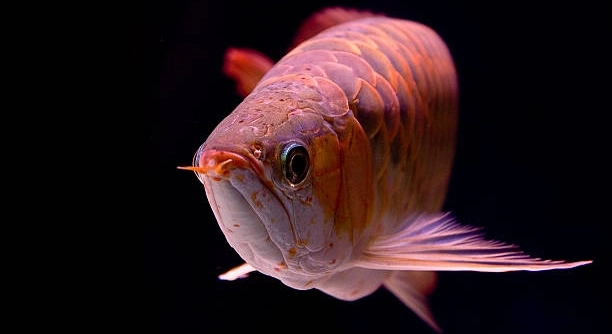
Is your arowana showing signs of restlessness or hiding in its tank more than usual? Loneliness can affect these fish just like it affects other pets. Helping them adjust can improve their overall health and behavior.
The most effective way to help a lonely arowana adjust is by gradually enriching its environment. Providing hiding spots, proper lighting, water conditions, and occasional interactive stimuli can reduce stress, encourage natural behaviors, and support mental and physical well-being.
Ensuring your arowana feels comfortable is essential, and these adjustments can make a noticeable difference in its daily activity and mood.
Recognizing Signs of Loneliness in Your Arowana
Arowanas are sensitive fish, and their behavior often reflects their emotional state. If you notice your arowana swimming aimlessly, avoiding food, or staying in one corner of the tank, these can be signs of loneliness. Changes in color intensity or a sudden lack of activity are also indicators. Sometimes, arowanas become more aggressive or territorial when stressed from isolation. Observing how your fish interacts with its environment is crucial. Provide adequate space, clean water, and minimal disturbances to help it feel secure. Maintaining a stable routine for feeding and light cycles can reduce stress and promote comfort. Additionally, occasional interaction through gentle tapping or movement outside the tank can offer stimulation. Recognizing these early signs allows for timely adjustments that prevent long-term behavioral and health issues, ensuring your arowana remains active and visually vibrant.
Addressing loneliness early improves overall health and encourages natural, confident behavior. Your observations are key.
By consistently monitoring your arowana’s behavior and environment, you can make small changes that create a calmer, more engaging habitat. Introducing new objects, varying feeding methods, or adjusting tank décor can provide enrichment. Even minor water movement adjustments or light variations can capture its attention. This approach prevents boredom and promotes exercise, reducing the risk of illness associated with inactivity. Loneliness can affect appetite, immune response, and overall well-being, so timely intervention is essential. Over time, these practices can restore your arowana’s natural swimming patterns and improve its coloration. Keeping a log of behaviors and reactions helps track progress and identify effective strategies. Environmental enrichment tailored to its preferences encourages exploration and reduces stress, fostering a healthier, more confident fish.
Environmental Adjustments to Improve Comfort
Rearranging the tank thoughtfully can create a more stimulating and secure environment for your arowana.
Adding floating plants, driftwood, and gentle hiding spots encourages exploration while providing safe spaces. Ensure decorations do not overcrowd the tank, maintaining ample swimming space for this large fish. Adjusting water flow and temperature gradually can mimic natural conditions, promoting comfort and activity. Introducing occasional visual stimulation, like reflective surfaces or subtle movement outside the tank, can encourage curiosity without causing stress. Feeding variations, such as live or frozen food, offer mental engagement while supporting nutrition. Consistency in maintenance routines is vital, as sudden changes can increase stress and hinder adaptation. Observing how your arowana interacts with these modifications helps fine-tune the environment to its preferences. Over time, these adjustments can reduce signs of restlessness, increase activity levels, and support overall well-being. A calm, enriched habitat allows your arowana to express natural behaviors, improving mood and health, while careful attention ensures changes benefit rather than overwhelm the fish.
Gradual Social Interaction
Introducing arowanas to gentle social interaction can help reduce loneliness. Start with subtle visual contact or presence near the tank, avoiding sudden movements that may stress the fish. Consistent, calm interaction fosters comfort.
Providing interaction through observation or gentle gestures allows your arowana to adjust to external stimuli. Avoid overcrowding or introducing incompatible tankmates, as this can increase stress. Over time, your fish may respond more actively, exploring the tank and engaging with new stimuli. Small, controlled interactions build confidence, reducing isolation-related behaviors such as hiding or aggression. Monitoring reactions helps determine the right balance between stimulation and calm.
Pairing social interaction with environmental enrichment encourages natural behaviors. Using reflective surfaces or occasional mild visual stimuli can spark curiosity without overwhelming your arowana. Feeding routines combined with gentle interaction reinforce comfort and trust. Gradually increasing exposure to new stimuli supports mental engagement while minimizing stress. Observing changes in swimming patterns, appetite, and color intensity indicates progress. Each small step in social exposure contributes to a healthier, more active fish. Over time, your arowana can develop a routine that blends stimulation and relaxation, improving overall well-being.
Nutrition and Feeding Strategies
Maintaining a balanced diet is essential for your arowana’s health and emotional well-being. Provide high-quality pellets, live, or frozen food to ensure proper nutrition and engagement.
Varying feeding routines encourages mental stimulation and reduces boredom. Alternating food types, such as live insects, shrimp, or specially formulated pellets, keeps meals interesting and supports essential nutrient intake. Proper portioning prevents overfeeding, which can lead to water quality issues and health problems. Observation during feeding helps identify appetite changes related to stress or loneliness. Supplementing with vitamins or occasional treats supports overall vitality. Timing meals consistently maintains stability, reducing anxiety associated with irregular feeding.
Feeding strategies can also promote natural hunting instincts and exercise. Using feeding tools to scatter food or present it in different tank areas encourages movement and exploration. Rotating food types and feeding locations prevents monotony while stimulating curiosity. Careful attention to water quality after feeding is critical to maintain a clean, healthy environment. Balanced nutrition, combined with environmental enrichment, enhances your arowana’s energy, coloration, and mood. Over time, these practices support both physical health and emotional adjustment, helping a previously lonely fish thrive in its tank.
Monitoring Water Quality
Clean, stable water is critical for an arowana’s well-being. Regularly check temperature, pH, and ammonia levels to prevent stress and illness.
Performing consistent water changes helps maintain a healthy environment. Stress from poor water quality can worsen loneliness and reduce activity, so vigilance is essential.
Tank Size and Space
Arowanas require ample swimming space to remain active and comfortable. Smaller tanks can cause stress and limit natural behavior. Ensuring sufficient length, width, and depth allows for proper movement and reduces isolation-related restlessness. Proper spacing also supports enrichment items without overcrowding.
Lighting and Day-Night Cycle
Consistent lighting helps regulate your arowana’s natural rhythm. Provide a stable day-night cycle to support activity levels and reduce stress, avoiding sudden bright lights that can startle or agitate the fish.
Signs of Improvement
Changes in behavior, appetite, and swimming patterns indicate your arowana is adjusting well. Increased curiosity and interaction with the environment reflect reduced stress and better overall health.
FAQ
How can I tell if my arowana is lonely?
Loneliness in arowanas often shows as unusual hiding, reduced movement, or refusal to eat. Sudden changes in color or more frequent aggression can also indicate stress from isolation. Observing your arowana’s normal routine is essential to identify these behavioral changes.
Can arowanas live with other fish?
Arowanas are naturally territorial and may not tolerate tankmates well. If introducing other fish, choose large, non-aggressive species and provide sufficient space. Careful monitoring is required to prevent fights, injury, or stress, as incompatible tankmates can worsen loneliness or behavioral issues.
How often should I change the water?
Regular water changes are critical. Typically, changing 20-30% weekly maintains water quality. Monitoring ammonia, nitrite, and nitrate levels helps prevent stress. Poor water quality can increase signs of loneliness, reduce appetite, and negatively affect overall health, making consistent maintenance necessary.
What types of enrichment work best for arowanas?
Floating plants, driftwood, and hiding spots encourage exploration. Gentle water currents, reflective surfaces, and occasional movement outside the tank can stimulate curiosity without overwhelming the fish. These enrichments support natural behaviors, reduce boredom, and improve mental well-being for a previously isolated arowana.
Can diet affect my arowana’s behavior?
Yes. A varied diet with high-quality pellets, live or frozen food provides mental stimulation and proper nutrition. Feeding in different tank locations or using tools to mimic hunting encourages exercise and engagement. Poor diet can lead to lethargy and stress, worsening loneliness-related behaviors.
Is interaction with the owner beneficial?
Controlled, gentle interaction can reduce stress. Subtle visual contact or calm presence near the tank helps the arowana adjust. Avoid sudden movements or tapping, as these can frighten the fish. Gradual, consistent exposure encourages confidence and a sense of security.
How long does it take for a lonely arowana to adjust?
Adjustment time varies based on personality, tank conditions, and enrichment. Some fish respond within weeks, while others take months. Consistent environmental improvements, feeding routines, and interaction help speed the process, but patience is key to long-term well-being.
What are the signs my arowana is improving?
Increased swimming activity, curiosity, and appetite indicate progress. The fish may explore new tank areas, interact with enrichment, and show more vibrant coloration. Reduced hiding and aggression also reflect decreased stress and better emotional health. Regular observation confirms improvements and guides further adjustments.
Can tank size affect loneliness?
Yes. Arowanas need ample space to swim freely. Small or overcrowded tanks increase stress, reduce activity, and can intensify signs of loneliness. Ensuring proper length, width, and depth, along with enrichment, supports both physical and emotional health.
Should I consult a professional if my arowana seems stressed?
Consulting an aquatic specialist is recommended if signs persist despite adjustments. Persistent stress can lead to illness or injury. A professional can assess environmental conditions, diet, and health to create an effective plan tailored to your arowana’s needs.
How often should I monitor behavior and tank conditions?
Daily observation is ideal. Watching swimming patterns, feeding response, and interaction with enrichment helps detect stress early. Weekly water testing ensures stability. Consistent monitoring allows timely interventions to prevent long-term health or behavioral problems.
Are there specific tools to reduce arowana stress?
Yes. Tank thermometers, water testing kits, and controlled lighting timers help maintain a stable environment. Reflective surfaces, floating decorations, and feeding tools support mental stimulation. Using these tools consistently can significantly reduce stress and loneliness over time.
Can changing the tank layout help?
Rearranging decorations periodically provides new exploration opportunities. Adding hiding spots, driftwood, or floating plants encourages movement and natural behaviors. Gradual adjustments prevent stress while enriching the environment, supporting both physical activity and mental engagement for a more comfortable arowana.
How important is a consistent feeding schedule?
Consistency reduces stress and encourages predictable behavior. Feeding at regular times supports appetite, prevents anxiety, and allows monitoring for changes in consumption. Irregular schedules can lead to lethargy or overeating, both of which affect emotional and physical health.
Is it normal for arowanas to be solitary?
Arowanas are naturally solitary in the wild. Loneliness occurs mainly in captivity due to lack of stimulation or inadequate tank conditions. Environmental enrichment, careful interaction, and proper care help mimic natural conditions and reduce isolation-related stress.
Can enrichment replace other social interactions?
While enrichment does not completely replace companionship, it significantly reduces boredom and stress. Properly designed stimuli and varied feeding routines encourage exploration and engagement, helping a lone arowana maintain healthy behavior and mental stimulation.
Should lighting changes be gradual?
Yes. Sudden bright lights can startle arowanas. Gradual transitions between day and night cycles support natural rhythms, promote activity, and reduce stress. Timers can help maintain a consistent schedule that mimics natural lighting patterns.
How do I know if my interventions are working?
Observe swimming patterns, appetite, and interaction with enrichment. Signs of improvement include increased activity, curiosity, and reduced hiding or aggression. Keeping a log of behaviors can track progress and guide further adjustments for optimal well-being.
Can I prevent loneliness before it starts?
Yes. Providing ample space, enrichment, consistent routines, and controlled interaction from the start reduces isolation risks. Early attention to environment, diet, and stimulation ensures a more confident, active arowana with fewer signs of stress or loneliness.
What if my arowana remains isolated despite efforts?
Persistent isolation may indicate individual temperament or underlying health issues. Consulting a professional for assessment and targeted strategies can help. Long-term monitoring, environmental adjustments, and patience remain essential for gradual improvement and emotional support.
Can water temperature affect behavior?
Yes. Stable, appropriate temperature encourages normal activity and appetite. Sudden changes can stress the fish, reduce movement, and worsen signs of loneliness. Monitoring with a reliable thermometer and adjusting gradually supports comfort and natural behavior.
Is it okay to introduce toys or mirrors?
Mirrors and visual stimuli can encourage curiosity, but should be used cautiously. Overstimulation may cause stress or aggression. Rotate or remove items if signs of agitation appear, ensuring enrichment remains positive and calming.
How often should I rotate enrichment items?
Occasional rotation every few weeks keeps the environment engaging without causing stress. Gradual changes encourage exploration, stimulate mental activity, and prevent boredom, while allowing the arowana to adjust comfortably to its surroundings.
Can live plants help with adjustment?
Yes. Live plants provide hiding spots, visual interest, and a more natural environment. They reduce stress, encourage exploration, and contribute to water quality. Choosing hardy species that withstand arowana activity ensures both safety and effectiveness.
Do stress and loneliness affect growth?
Chronic stress and isolation can impact appetite, energy, and immune function, slowing growth. Providing a balanced diet, stable environment, and mental stimulation supports both physical development and emotional well-being.
Are arowanas more active at certain times?
Arowanas are generally more active during daylight hours. Consistent lighting and routine feeding schedules reinforce natural rhythms, supporting exercise, exploration, and engagement with their environment.
Can I use background music or sounds?
Mild, consistent ambient sounds may reduce sudden disturbances and provide gentle stimulation. Avoid loud or abrupt noises, as they can startle or stress the fish, negating the benefits of enrichment and interaction.
How do I balance stimulation without stress?
Introduce changes gradually, observe reactions, and adjust accordingly. Controlled interaction, enrichment rotation, and feeding variety allow mental engagement without overwhelming your arowana, promoting comfort and emotional stability.
What if my arowana shows aggression during adjustment?
Aggression can result from stress or territorial instincts. Provide adequate space, hiding spots, and minimize external disturbances. Monitor interactions with enrichment or tankmates carefully to prevent injury and maintain a safe environment.
Can stress affect coloration?
Yes. Stress or loneliness may dull colors, while proper care, enrichment, and nutrition restore vibrancy. Observing color changes helps track emotional and physical well-being.
Is it normal for arowanas to hide frequently?
Occasional hiding is natural, but excessive concealment can indicate stress, loneliness, or illness. Enrichment, consistent routines, and monitoring water quality help reduce hiding behaviors and encourage exploration.
How do I track improvement effectively?
Keep a journal of behaviors, feeding responses, swimming patterns, and interactions with enrichment. Comparing changes over time allows evaluation of interventions and ensures the arowana is adjusting positively.
Should I change feeding locations?
Yes. Moving food to different areas encourages exploration and exercise. This variation stimulates mental engagement and mimics natural hunting behaviors, contributing to overall well-being and reducing boredom.
Can stress lead to illness?
Chronic stress weakens the immune system, increasing vulnerability to infections. Maintaining stable water conditions, proper diet, and enrichment reduces risk and supports a healthy, active arowana.
Are there signs that indicate extreme loneliness?
Extreme loneliness may appear as complete inactivity, refusal to eat, constant hiding, or repetitive behaviors. Immediate attention to environment, enrichment, and professional guidance may be necessary to prevent long-term health consequences.
How do I maintain long-term well-being?
Consistent monitoring, environmental enrichment, proper nutrition, and controlled interaction support emotional and physical health. Gradual adjustments, attention to behavior, and patience ensure a confident, active, and healthy arowana.
Can a previously lonely arowana fully recover?
Yes, with consistent care and proper interventions, arowanas can regain natural behaviors, appetite, and activity levels. Recovery requires time, observation, and a stable, enriched environment tailored to their needs.
What are the most important steps to prevent future loneliness?
Ample tank space, enrichment, balanced diet, consistent routines, controlled interaction, and regular monitoring are essential. Early attention and gradual adjustments ensure continued emotional stability and well-being.
Are there common mistakes owners make?
Frequent mistakes include overfeeding, abrupt environmental changes, overcrowding, ignoring water quality, or insufficient enrichment. Awareness and proactive care prevent stress, behavioral issues, and loneliness.
Can I combine multiple strategies effectively?
Yes. Using a mix of enrichment, controlled interaction, consistent feeding, water quality maintenance, and proper tank conditions provides comprehensive support for emotional and physical health.
How do I know when to seek professional help?
If signs of stress or isolation persist despite adjustments, or if there are sudden health issues, a specialist can provide guidance and targeted solutions for recovery.
Can enrichment alone solve loneliness?
Enrichment significantly reduces stress but works best alongside proper diet, tank size, and gentle interaction. A balanced approach ensures optimal mental and physical well-being.
How often should I adjust routines?
Minor adjustments can be made every few weeks based on behavior. Avoid frequent, abrupt changes to maintain stability while encouraging engagement.
Are some arowanas more prone to loneliness?
Individual temperament varies. Some arowanas are more sensitive or less active. Tailoring environment, interaction, and enrichment to their personality supports better adjustment and reduces stress.
What role does tank décor play in adjustment?
Décor provides hiding spots, visual stimulation, and promotes exploration. Properly placed items reduce stress, encourage natural behaviors, and make the environment more comfortable for the arowana.
Is patience the most important factor?
Yes. Gradual changes, consistent care, and observation are essential. Patience allows your arowana to adjust naturally without undue stress, ensuring long-term health and well-being.
Can multiple strategies be applied simultaneously?
Combining environmental enrichment, controlled interaction, feeding variety, and water maintenance maximizes benefits. Simultaneous strategies support both physical and emotional needs for a well-adjusted arowana.
What are early warning signs to watch for?
Hiding, lethargy, loss of appetite, color fading, or repetitive swimming patterns indicate stress or loneliness. Early detection allows timely intervention, preventing more serious health or behavioral issues.
How do I measure success in adjustment?
Success is measured by increased activity, improved appetite, curiosity, interaction with enrichment, vibrant coloration, and reduced stress behaviors. Observing these indicators over time confirms positive adjustment.
Is continuous observation necessary?
Yes. Daily monitoring ensures early detection of stress or behavioral changes. Continuous observation helps maintain stability and supports interventions when needed.
What is the key to long-term emotional health?
Stable environment, proper nutrition, enrichment, gentle interaction, and consistent routines are crucial. Attention to these factors ensures your arowana remains active, confident, and healthy.
How do I prevent setbacks?
Maintain consistent care, avoid sudden changes, monitor water quality, and adjust enrichment gradually. Early intervention for any stress signs prevents regression and supports ongoing well-being.
Can previous stress affect future behavior?
Past stress can influence temperament, but consistent care and proper environment help your arowana adapt and regain normal activity, appetite, and emotional stability over time.
How can I make the tank feel more natural?
Use driftwood, live plants, varied hiding spots, and gentle water flow. Mimicking natural conditions reduces stress, encourages exploration, and supports mental stimulation, helping your arowana feel secure.
Are there signs that indicate my interventions are too much?
Signs include frantic swimming, hiding, aggression, or refusal to eat. Adjusting the pace of changes and reducing stimuli allows your arowana to regain comfort.
What is the most effective long-term strategy?
A balanced approach combining proper diet, environmental enrichment, controlled interaction, tank maintenance, and patience ensures sustained physical and emotional health for your arowana.
Can lighting alone improve behavior?
Consistent lighting supports natural activity patterns but is most effective when combined with enrichment, diet, and tank maintenance. Alone, it is insufficient to address loneliness fully.
Is there a recommended monitoring schedule?
Daily observation of behavior, weekly water testing, and monthly evaluation of enrichment and tank layout provide a structured schedule to maintain health and prevent stress.
How do I know when to rotate enrichment items?
Every few weeks or when engagement declines. Gradual rotation keeps the environment interesting while minimizing stress, promoting curiosity, and encouraging natural behaviors.
Can poor water conditions cause behavioral changes?
Yes. Fluctuations in temperature, pH, or ammonia levels can increase stress, lethargy, hiding, and reduced appetite. Maintaining stable water conditions is critical for emotional and physical health.
Are live plants always beneficial?
Yes, if chosen carefully. Hardy species provide hiding spots, enrichment, and minor filtration benefits. Avoid delicate plants that may be uprooted or ingested, which could harm your arowana.
How do I know if diet changes are effective?
Improved appetite, increased activity, and brighter coloration indicate diet is supporting both nutrition and mental engagement. Monitoring these signs ensures dietary adjustments meet your arowana’s needs.
Should I use multiple enrichment types at once?
Yes, but gradually. Combining hiding spots, reflective surfaces, and gentle stimuli provides varied engagement without overwhelming your arowana. Monitor responses and adjust as needed.
Is tank size more important than enrichment?
Both are critical. Adequate swimming space prevents stress and supports health, while enrichment stimulates natural behaviors and reduces boredom. Together they provide a complete solution for emotional and physical well-being.
Can stress from loneliness be reversed completely?
With consistent care, proper environment, and patience, most arowanas recover normal behavior, appetite, and activity levels. Early intervention ensures more complete adjustment and improved long-term health.
What are the most common signs of successful adjustment?
Exploration, curiosity, consistent appetite, vibrant coloration, and reduced hiding or aggression indicate positive behavioral changes and successful adaptation to the environment.
How do I maintain motivation for long-term care?
Tracking progress, observing improvements, and celebrating small behavioral changes help maintain consistent care. Patience and attention ensure sustained well-being for your arowana.
Can multiple adjustments be made at once?
Yes, but introduce changes gradually and monitor reactions. Combining environmental enrichment, diet, interaction, and tank maintenance provides comprehensive support without overwhelming your arowana.
Are small changes effective over time?
Yes. Gradual, consistent adjustments in environment, feeding, and interaction have cumulative benefits, reducing stress and promoting natural behavior in a lonely arowana.
How can I prevent stress during tank maintenance?
Perform changes slowly, avoid sudden temperature shifts, and maintain stable conditions. Handling water and decorations carefully minimizes disruption, keeping your arowana calm and comfortable.
Do arowanas benefit from observing outside activity?
Moderate external movement can stimulate curiosity, but excessive activity may stress the fish. Gentle, controlled observation encourages engagement without overwhelming your arowana.
Is water temperature more important than feeding routine?
Both are essential. Stable temperature supports activity and health, while consistent feeding ensures proper nutrition and mental stimulation. Neglecting either can affect overall well-being.
Can enrichment reduce stress from poor tank conditions?
Enrichment helps, but cannot replace proper water quality, temperature, and space. Maintaining all aspects of care is necessary for emotional and physical health.
Should enrichment vary daily or weekly?
Gradual changes every few weeks are ideal. Daily variation can overwhelm the fish, while periodic adjustments maintain interest and promote natural exploration.
Are there risks with live or frozen foods?
Yes. Improperly stored or contaminated foods can cause illness. Ensure quality and hygiene to prevent digestive issues and maintain overall health.
Is patience more important than quick results?
Yes. Slow, consistent adjustments yield long-term benefits. Quick interventions may stress your arowana, whereas patience allows gradual adaptation and recovery.
Can temperature fluctuations mimic natural conditions?
Small, gradual changes can simulate natural variations, encouraging activity. Sudden shifts cause stress, so adjustments must be controlled and consistent.
Do reflective surfaces work for all arowanas?
Not always. Some may become stressed or aggressive. Introduce carefully, monitor reactions, and remove if negative behavior occurs.
How do I know if water quality improvements are sufficient?
Stable ammonia, nitrite, nitrate, and pH readings indicate effective water maintenance. Coupled with improved behavior and activity, this confirms successful adjustments.
Are weekly water changes enough?
Generally, weekly partial changes maintain stability, but monitor tank conditions. Adjust frequency based on tank size, stocking levels, and observed behavior.
Can diet alone improve loneliness?
Diet supports mental stimulation and physical health, but cannot fully replace enrichment or interaction. A holistic approach is necessary for emotional adjustment.
Is observation more important than intervention?
Both are critical. Observation identifies issues early, while interventions address stress and loneliness. Balanced attention ensures effective care.
Do all arowanas respond similarly to enrichment?
Individual personalities vary. Some are more active or curious, while others are cautious. Tailor enrichment to their temperament for optimal results.
**Can stress affect
Final Thoughts
Helping a lonely arowana adjust requires patience, observation, and consistent care. These fish are naturally sensitive to changes in their environment and can show stress through hiding, loss of appetite, or unusual aggression. Addressing these signs early allows for effective interventions that improve both emotional and physical well-being. Arowanas thrive in spaces that are spacious and enriched, with stable water conditions, proper lighting, and a carefully planned feeding routine. Ensuring the tank is set up thoughtfully helps the fish feel secure and reduces behaviors associated with stress and loneliness. Over time, even small improvements in the environment can have a significant impact on their confidence and activity levels.
Environmental enrichment plays a central role in reducing loneliness. Adding floating plants, driftwood, hiding spots, or reflective surfaces encourages natural behaviors like exploration and gentle hunting. Feeding strategies, including variation in food types and presentation, also provide mental stimulation while supporting proper nutrition. Controlled interaction from outside the tank, such as calm presence or gentle observation, can help the fish become more comfortable without overwhelming it. It is important to make changes gradually, allowing the arowana to adjust at its own pace. Monitoring responses to these adjustments ensures that interventions remain effective and that stress is minimized. Consistency in routines, including feeding times, water maintenance, and lighting cycles, further supports stability and comfort, which are critical for emotional and physical recovery.
Long-term care requires balancing patience and proactive management. Progress may be slow, and some arowanas take weeks or months to fully adjust to a new routine or enriched environment. Watching for improvements in activity, curiosity, coloration, and appetite provides reassurance that interventions are working. Even after noticeable improvement, maintaining a stable and stimulating environment is essential to prevent setbacks. Small, regular adjustments combined with careful observation allow your arowana to continue thriving. While each fish has its own personality and response patterns, consistent care, environmental attention, and proper nutrition lay the foundation for a healthier, more active, and confident arowana. By prioritizing these aspects, you help ensure your arowana’s long-term well-being, reducing stress and enhancing the overall quality of life in its aquatic habitat.

Hello,
If you enjoy the content that we create, please consider saying a "Thank You!" by leaving a tip.
Every little bit helps us continue crafting quality advice that supports the health, happiness, and well-being of pets around the world, for pets of all shapes, sizes, and species.
We really appreciate the kindness and support that you show us!