Should You Quarantine a New Arowana?

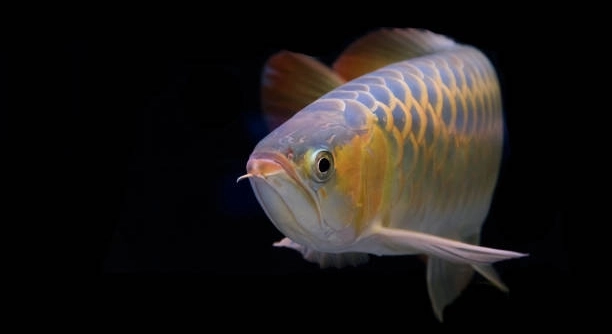
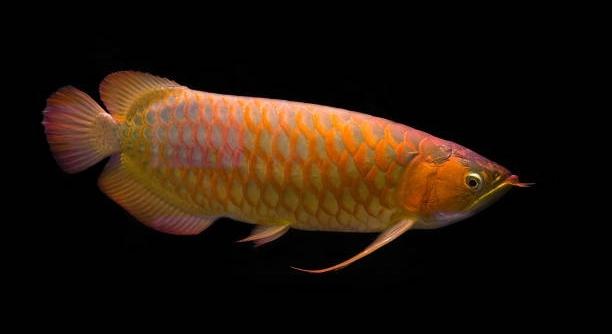
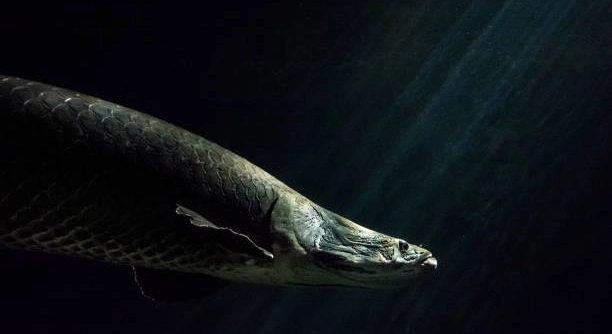
Have you ever brought home a new arowana and felt unsure about the best way to introduce it to your tank? Arowanas are striking fish that require careful attention to thrive. Their health depends on proper care and preparation. Quarantining a new arowana before adding it to your main tank is essential. This practice helps … Read more
What Role Does Temperature Play in Arowana Behavior?

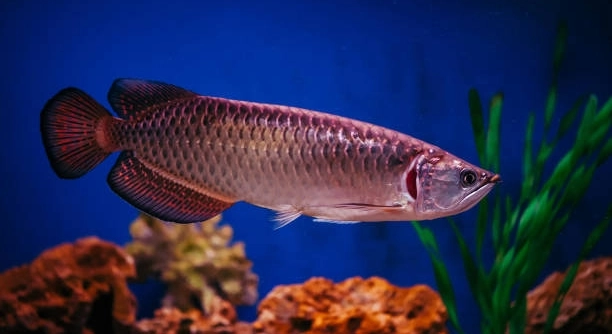
Have you ever noticed changes in your arowana’s behavior and wondered if temperature might be the reason behind those subtle shifts in movement or appetite? Temperature plays a significant role in arowana behavior by influencing their metabolism, feeding habits, and overall activity levels. Warmer water temperatures can increase metabolism and aggression, while cooler temperatures may … Read more

7 Sound Frequencies That May Affect Arowana

Have you ever noticed your arowana behaving oddly when certain sounds are present around its tank, leaving you wondering if sound frequencies might play a role in its mood or movement? Sound frequencies can significantly influence arowana behavior and well-being. Studies suggest that certain frequencies may induce stress or agitation, while others promote calmness and … Read more

7 Unusual Behaviors That Are Totally Normal

Many people notice small habits in themselves that seem unusual or even embarrassing. From tapping your fingers to talking to yourself, these behaviors often feel strange but are surprisingly common in daily life. Unusual behaviors, though sometimes perceived as odd, are typically normal variations of human habits. They can serve emotional, cognitive, or social functions, … Read more

How to Spot When Arowana Are Overstimulated

Arowanas are striking, elegant fish that captivate many aquarium enthusiasts. Their active movements and shimmering scales make them a joy to watch, but sometimes these fish can become overstimulated, affecting their behavior and overall well-being. Overstimulation in arowanas is typically indicated by rapid swimming, frequent darting, flared fins, and refusal to eat. Excessive noise, constant … Read more

7 Tips to Help Arowana Adjust to New Food

Are your arowanas struggling to accept new food despite your careful efforts? Changing a fish’s diet can be challenging, as arowanas are sensitive to sudden modifications in taste, texture, and feeding routine, requiring patience and consistency. Arowanas can gradually adjust to new food by following structured feeding techniques. Introducing unfamiliar items slowly, maintaining consistent feeding … Read more

Why Is My Arowana Constantly Circling the Bubbler?

Paragraph 1:Is your arowana constantly circling the bubbler in its tank? Many owners notice this behavior and feel concerned about their fish’s well-being. Observing the pattern can help understand the reasons behind this repetitive swimming. Paragraph 2:The primary reason an arowana circles the bubbler is related to stress or territorial behavior. Environmental factors, such as … Read more

7 Questions to Ask Before Buying an Arowana

Have you ever considered keeping an Arowana but felt unsure about where to start? These striking fish can bring beauty and presence to a home, yet they require careful planning and attention to thrive. Before purchasing an Arowana, it is essential to evaluate tank size, water quality, diet, lifespan, species compatibility, legal restrictions, and budget. … Read more

Why Is My Arowana Biting Its Tail?

Is your arowana showing unusual behavior by biting its tail? Observing this can be worrying, especially if you care about your fish’s well-being. Many fish owners notice this behavior and wonder what might be causing it. Tail biting in arowanas is often linked to stress, poor water quality, or underlying health issues. Overcrowding, lack of … Read more

How Loud Is Too Loud for Arowana Tanks?

Have you ever noticed how loud noises seem to bother your arowana more than other fish? Their sensitive nature means that sounds from outside the tank can affect their behavior and overall well-being. Small adjustments can make a difference. Arowanas are highly sensitive to loud and sudden noises. Continuous exposure to sounds above 60 decibels … Read more