
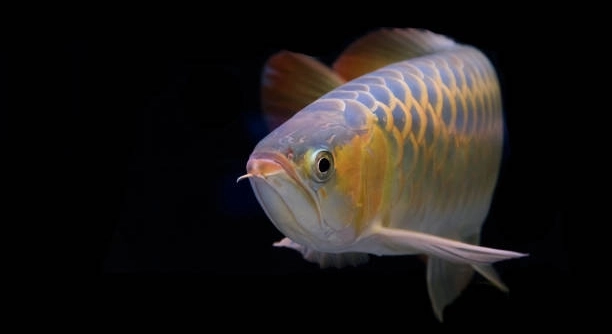
Are your arowanas struggling to accept new food despite your careful efforts? Changing a fish’s diet can be challenging, as arowanas are sensitive to sudden modifications in taste, texture, and feeding routine, requiring patience and consistency.
Arowanas can gradually adjust to new food by following structured feeding techniques. Introducing unfamiliar items slowly, maintaining consistent feeding times, and monitoring water quality can help minimize stress, encourage acceptance, and support proper nutrition and overall health in the fish.
Learning the right strategies can make feeding time smoother and more enjoyable for both you and your arowana. The following tips offer practical guidance to ease this transition effectively.
Introduce New Food Gradually
Introducing new food slowly is key to helping your arowana adapt. Start by mixing a small amount of the new item with the food your fish already eats. Over several days, gradually increase the proportion of the new food while decreasing the old. This allows the fish to become familiar with the taste and texture without causing stress. Sudden changes can lead to refusal, which may affect their health. Observing how your arowana reacts during each feeding is essential. Some fish may take longer to adjust, so patience is important. Maintaining a calm feeding environment also helps, as arowanas can be sensitive to distractions or sudden movements near the tank. Adjusting the feeding method, such as chopping or softening harder foods, can make the transition easier. Consistency in timing and method reinforces acceptance, making your fish more comfortable with dietary changes.
Gradual introduction prevents stress and encourages steady acceptance of new foods over time, supporting healthier feeding habits.
Keeping a close eye on your arowana during this period ensures you can respond if the fish shows disinterest or signs of discomfort. Splitting meals into smaller portions can help monitor consumption and reduce waste. You may notice initial rejection, which is normal, but patience and persistence usually result in successful adaptation. Consider combining different textures, such as pellets with frozen or live options, to maintain interest. Adjusting the feeding area and keeping the water clean also supports a positive experience.
Maintain Consistent Feeding Schedule
Consistency in feeding times helps arowanas anticipate meals and reduces stress around dietary changes. Feeding at the same times daily establishes a routine, making the fish more likely to accept new foods.
Regular scheduling allows arowanas to develop stable digestive patterns. Avoid skipping meals, as irregular feeding can cause hunger-driven stress or refusal of unfamiliar items. Observing patterns in your fish’s appetite can help you adjust the timing for optimal acceptance. Some arowanas may respond better to morning feedings, while others prefer evening, depending on their activity levels. Pairing the new food introduction with these consistent times encourages familiarity and helps reduce anxiety. Small adjustments, like limiting distractions or dimming lights slightly during meals, can further promote acceptance. Tracking feeding responses over several days provides insights into how the fish is adapting. By maintaining a steady routine, you reinforce comfort and gradually encourage your arowana to include the new food in its regular diet without resistance.
This approach not only supports smoother adaptation but also improves overall health and feeding efficiency, giving your arowana a balanced nutritional intake while minimizing stress and waste in the tank environment.
Monitor Water Quality
Maintaining clean water is essential when introducing new food. Poor water conditions can stress arowanas, making them more likely to refuse unfamiliar foods. Regular checks and partial water changes help keep the environment stable.
Monitoring parameters like pH, ammonia, nitrite, and nitrate ensures the tank remains safe. New food can sometimes pollute the water if uneaten pieces remain, increasing the risk of spikes in harmful compounds. Using a siphon to remove debris after each feeding prevents buildup and keeps the water clear. Keeping a consistent filtration system running helps maintain oxygen levels and overall water health, which directly supports your arowana’s appetite. Additionally, proper lighting and temperature contribute to stable conditions, allowing your fish to focus on eating rather than coping with stress from environmental changes. Regular observation and minor adjustments can prevent problems before they affect feeding behavior, ensuring the fish remains healthy while adapting to new dietary options.
Checking water quality frequently reduces stress-related rejection and supports overall health, allowing your arowana to adjust more readily to dietary changes.
Keeping water clean requires attention to both feeding and waste management. Uneaten food should be removed promptly, and the filter should be maintained according to the manufacturer’s recommendations. Arowanas produce significant waste, so monitoring ammonia levels is crucial during dietary transitions. Balancing the tank ecosystem by avoiding overfeeding or overcrowding helps maintain clarity and reduces harmful compound buildup. Incorporating live plants or additional filtration can further stabilize water conditions. A well-maintained tank encourages healthy eating habits and minimizes stress-related issues. Observing fish behavior daily provides insight into water quality impacts, allowing timely adjustments to prevent refusals or digestive problems.
Offer a Variety of Food
Providing a variety of food types can stimulate interest and encourage acceptance. Rotating textures and flavors helps arowanas develop a broader diet and reduces boredom.
Incorporating pellets, frozen items, and occasional live options ensures your fish receives balanced nutrition. Some arowanas may prefer certain textures over others, so combining options increases the likelihood they will accept new foods. Variety also prevents nutrient deficiencies and supports growth and immune health. Changing the presentation of food, such as chopping or softening harder items, can make unfamiliar foods more approachable. Observing which types are favored allows for adjustments to keep feeding consistent and effective. Rotating foods carefully, without overwhelming the fish, helps maintain interest while avoiding digestive upset.
Using multiple food types can prevent feeding fatigue and improve overall health. Offering small portions of each option daily allows you to track acceptance and ensure the diet remains balanced. Gradual introduction of new items within this rotation minimizes stress and encourages adaptation. Consistency in portions and careful observation of consumption helps identify preferences while maintaining variety. Incorporating supplements, if necessary, ensures nutritional gaps are filled. Proper handling and storage of each food type prevent spoilage and contamination, supporting both the fish’s appetite and water quality. Over time, this approach builds a flexible diet that keeps your arowana engaged and healthy.
Observe Feeding Behavior
Watching your arowana during meals helps identify preferences and stress signals. Noting how it reacts to new food ensures timely adjustments to feeding strategies.
Changes in activity, hesitation, or refusal indicate how well your fish is adapting. Recording these behaviors allows you to refine portion sizes, textures, or presentation, making it easier for the arowana to accept unfamiliar items. Regular observation also helps detect early signs of illness or digestive issues, which can be linked to diet changes. Adjusting gradually based on these insights increases the likelihood of smooth adaptation and maintains overall health, ensuring the fish remains active and responsive to its environment.
Use Feeding Tools
Using feeding tools like tongs or feeding rings can help guide arowanas to new food. Directing food carefully encourages exploration without waste or stress.
Placing unfamiliar food near the usual feeding area or using tongs to mimic live prey can spark interest. This method reduces hesitation and gives control over portions, limiting uneaten food from polluting the tank. Gradual exposure with tools often results in quicker acceptance compared to simply adding new food directly to the tank. Feeding tools also help avoid aggression in tanks with multiple arowanas, ensuring each fish receives its share while adapting to the diet.
Adjust Food Size
Cutting or softening food makes it easier for arowanas to accept new items. Smaller pieces reduce difficulty and prevent feeding stress.
Breaking food into manageable portions helps your fish chew and swallow comfortably. Large or hard items can cause rejection, even if the fish is interested. Softening frozen or dried foods in tank water briefly can enhance texture, making it more familiar. Proper size adjustment also supports digestion and reduces the chance of choking or leftover waste. Observing how your arowana handles each portion allows for ongoing refinement of food preparation, increasing the success of diet transitions and overall feeding efficiency.
Maintain Calm Environment
A quiet, stable environment during feeding encourages arowanas to focus on new food. Minimizing distractions helps them adapt more easily.
Limiting sudden movements, loud noises, or strong vibrations around the tank reduces stress. Calm surroundings allow fish to feel secure while exploring unfamiliar items, improving acceptance and feeding consistency.
FAQ
How long does it take for an arowana to accept new food?
The time varies depending on the fish and the type of food. Some arowanas may try new items within a few days, while others take several weeks. Gradual introduction and consistency are key. Monitoring their response during each feeding ensures progress without stressing the fish. Patience and observation are essential.
Can arowanas eat both live and frozen food?
Yes, a balanced combination of live, frozen, and prepared foods provides optimal nutrition. Live foods can stimulate natural hunting instincts, while frozen or pellet options offer convenience and consistency. Mixing types prevents boredom and ensures a complete diet. Variety also supports overall health and growth.
What should I do if my arowana refuses new food completely?
Start by reducing the new food amount and mixing it with familiar food. Ensure the environment is calm and water conditions are stable. Using feeding tools like tongs can help. Sometimes offering smaller portions or altering texture encourages gradual acceptance. Avoid forcing the fish, as stress can worsen refusal.
Is it necessary to adjust food size for arowanas?
Yes, portion size matters. Large or hard food pieces can intimidate or prevent the fish from eating. Cutting food into manageable pieces or softening it in water makes consumption easier, encourages adaptation, and reduces waste. Proper size also aids digestion and avoids potential choking risks.
Can changing food affect water quality?
Yes, uneaten food can quickly degrade water quality, raising ammonia, nitrite, and nitrate levels. Poor water conditions stress arowanas and can lead to refusal of new food. Regular cleaning, siphoning leftover pieces, and maintaining filters ensures a healthy environment during dietary transitions.
Should I feed new food at specific times?
Maintaining a consistent feeding schedule is beneficial. Arowanas adapt better when they know when meals occur. Feeding at roughly the same time daily helps reduce stress, encourages predictable appetite, and increases the likelihood of accepting unfamiliar foods. Observing which times your fish prefers can improve acceptance further.
How can I tell if my arowana likes the new food?
Signs of acceptance include active swimming toward the food, prompt biting, and consistent consumption. Hesitation, repeated spitting out, or ignoring food indicates reluctance. Tracking these responses over several feedings helps determine preference and guides adjustments in portion, texture, or presentation.
Can stress impact feeding habits?
Absolutely. Stress from environmental changes, tank mates, or sudden diet alterations can cause food refusal. Maintaining calm surroundings, consistent routines, and clean water minimizes stress. Gradual changes in food and careful observation support positive feeding behavior.
Is supplementing the diet necessary when introducing new food?
Sometimes, yes. If the new food lacks essential nutrients, supplements can fill gaps. This ensures the arowana continues receiving a balanced diet during the transition. Vitamins, minerals, and occasional protein boosts can help maintain growth and immunity while the fish adapts.
How often should I rotate food types?
Rotating food every few days or weekly keeps the diet varied and prevents boredom. Gradual changes ensure adaptation without overwhelming the fish. Monitoring acceptance during rotation helps maintain balance and supports nutritional needs, ensuring the fish stays healthy and interested in meals.
What if multiple arowanas are in one tank?
Feeding multiple arowanas requires care to ensure all fish receive new food. Using feeding tools, separating portions, or observing for aggressive behavior prevents some fish from dominating meals. Gradual introduction works best individually or in a controlled way to reduce competition and stress.
Can live food alone be sufficient?
While live food stimulates natural behavior, it usually cannot provide complete nutrition alone. Combining live items with pellets or frozen options ensures a well-rounded diet. Proper rotation and supplementation are necessary to maintain health and support long-term growth.
Is it normal for an arowana to initially reject new food?
Yes, initial refusal is common. Fish are cautious about unfamiliar items. Consistency, gradual introduction, and a calm environment help overcome hesitation. Observing behavior and adjusting presentation or portion sizes often leads to eventual acceptance without forcing the fish.
How important is water temperature when introducing new food?
Water temperature affects metabolism and appetite. Maintaining stable, appropriate temperatures encourages feeding activity and digestion. Sudden fluctuations can stress arowanas and reduce interest in new food. Consistent temperature combined with gradual dietary changes promotes smoother adaptation.
What role does presentation play in acceptance?
Presentation influences curiosity and willingness to eat. Placing food near the usual feeding area, using tongs to mimic natural movement, or adjusting texture encourages exploration. A thoughtful approach can make unfamiliar items more approachable and reduce waste.
This FAQ provides practical strategies to help arowanas accept new foods while maintaining health and reducing stress, offering solutions for common challenges during dietary transitions.
Final Thoughts
Helping your arowana adjust to new food requires patience, observation, and a structured approach. Every fish is unique, and responses to dietary changes can vary widely. Some arowanas may try unfamiliar food quickly, while others need weeks to fully accept it. Gradual introduction is essential. Start by mixing small amounts of the new food with what they already eat. Slowly increase the proportion over time, allowing the fish to become familiar with taste and texture. This prevents stress and reduces the risk of refusal. Consistency in feeding routines is equally important. Maintaining regular feeding times establishes a predictable pattern, which helps the arowana feel secure. Avoid skipping meals or introducing multiple changes at once, as this can create confusion or anxiety. Monitoring the fish closely during this period ensures you can identify preferences, detect hesitations, and respond appropriately. Observing their reactions also allows you to make small adjustments in portion size, texture, or presentation to encourage acceptance.
Water quality plays a significant role in helping arowanas adapt to new food. Uneaten food can pollute the tank and stress the fish, which often leads to refusal of unfamiliar items. Regular water testing for ammonia, nitrite, nitrate, and pH levels helps maintain a healthy environment. Partial water changes and proper filtration are essential to reduce waste buildup and stabilize conditions. Using feeding tools like tongs or feeding rings can guide the fish to new food without overwhelming them. Tools also help control portions and prevent uneaten food from contaminating the water. Adjusting the size or softness of the food can make it easier for the fish to consume. Small, manageable pieces encourage eating and support digestion while avoiding choking or stress. A calm environment, free from sudden movements or loud noises, further improves the chances that the arowana will try new foods. Stress-free surroundings help the fish focus on feeding and reduce the risk of rejection.
Variety and careful observation are key to a long-term successful diet. Offering a combination of pellets, frozen foods, and occasional live items ensures a balanced nutritional intake. Rotating foods gradually keeps the arowana interested and prevents boredom while supporting proper growth and immune health. Supplements can fill any nutritional gaps during the transition period. Always watch for signs of acceptance or refusal and adjust accordingly. Some arowanas take longer to accept certain textures or flavors, so patience is essential. By combining gradual introduction, consistent routines, water quality maintenance, and thoughtful presentation, you provide the best conditions for your fish to adapt comfortably. Following these practices not only helps with dietary changes but also supports overall well-being, activity, and longevity in your arowana. Proper attention and consistent care make feeding time a manageable and positive experience for both you and your fish.

Hello,
If you enjoy the content that we create, please consider saying a "Thank You!" by leaving a tip.
Every little bit helps us continue crafting quality advice that supports the health, happiness, and well-being of pets around the world, for pets of all shapes, sizes, and species.
We really appreciate the kindness and support that you show us!